


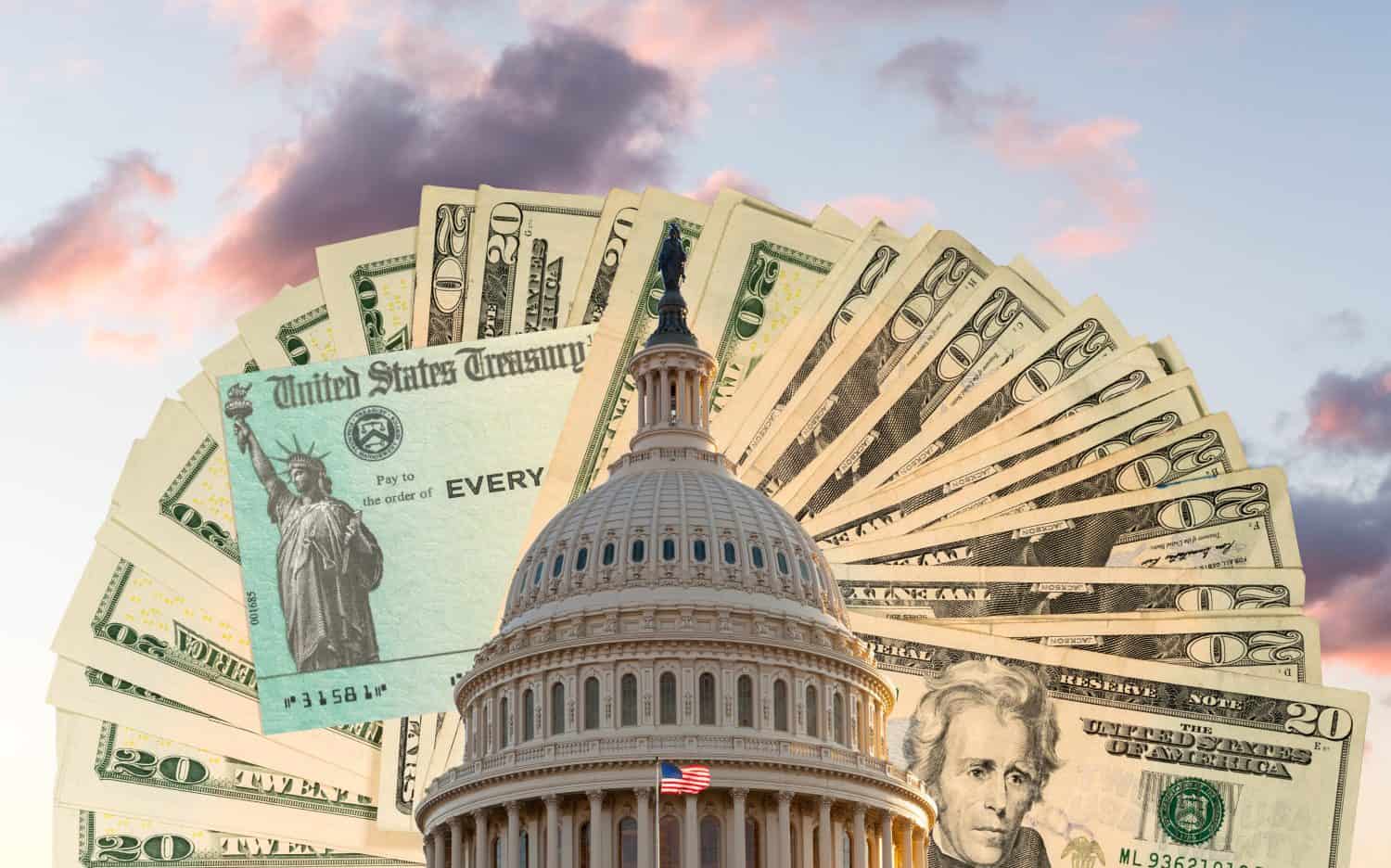
Many Americans have visions of $2,000 stimulus checks dancing in the heads thanks to the president’s promises. The Trump administration seems resolute in delivering a welcome boost to middle-class taxpayers, a cool $2,000 per person, funded by the influx of tariff revenues from trade partners. But the Treasury has yet to sign on the dotted line, and there’s no 100 percent guarantee that the stimulus package will see the light of day.
Besides, in today’s economic backdrop, riddled with labor market uncertainty and fears over an AI-driven stock market bubble, savvy investors would be wise to devise a strategy now, well before any checks arrive in the mail. In doing so, they can sidestep any impulsive spending and ensures maximum value from every dollar. Here are key pitfalls to steer clear of should President Trump’s $2,000 tariff-fueled stimulus checks get the congressional nod.
1.) Counting Chickens Before They Hatch
Perhaps the biggest mistake would be mentally spending that $2,000 the moment you see a leading headline or social media post. When you start planning around money you don’t actually have yet, it’s easy to say yes to activities, trips or spending under the assumption that the check will cover it later. While tempting, that kind of thinking can leave you juggling higher credit card balances or new monthly bills if the timing changes or the proposal gets stalled in Congress.
Until legislation is signed and the payment details are clear, treat this potential stimulus as a windfall in the pending column of your budget, not part of discretional spending. Use this window to sketch out how you’d allocate the money if it shows up; for example, a mix of paying down debt and investing rather than committing to spending it in advance and leaving yourself holding the bag later.
2.) Succumbing to FOMO
Another common trap is letting the fear of missing out (FOMO) drive hasty investments with your potential windfall. With AI stocks like Nvidia and Oracle dominating headlines, the temptation to chase quick gains is real, especially as markets hit records despite warnings of an overinflated AI bubble.
Recent dips, such as Oracle’s 14% plunge and Broadcom’s results sparking broader sell-offs, highlight the risks of hype-driven bets amid a capex frenzy. Instead of pouring it all into a volatile bet, consider a balanced approach by strengthening an emergency fund, paying off high-interest credit card debt or diversifying into stable assets. This limits regrets later on if the AI frenzy fizzles, ensuring your $2,000 builds lasting wealth rather than funding a potentially fleeting opportunity.
3.) One Stock Wonder
Tempted to pour your entire $2,000 into a single standout stock in a booming sector, chasing those headline-making gains? You might want to reconsider, as this approach heightens risks, exposing you to company-specific performance around earnings or market shifts, without the safety net of broader exposure. True diversification spreads bets across multiple assets, slashing volatility and potentially boosting long-term returns by cushioning against downturns in any one area. Consider diversified ETFs or index funds instead, offering steadier growth while potentially transforming your stimulus windfall into a more secure foundation rather than a high-stakes wager
4.) Forgetting Debt
It’s easy to view a stimulus check as bonus cash meant for something fun, but one of the biggest missed opportunities is overlooking high-interest debt. Credit cards charging 20% or more can drain your income far faster than any short-term splurge adds happiness. The average credit card interest rates is inching toward 24%, as of year-end 2025. Using even part of the $2,000 to chip away at a balance will lead to a more fulfilling return. Reducing that interest burden frees up future income, helps you to sleep better at night and creates more room in your budget for the things you actually want instead of fleeting indulgences. Even if you don’t devote the entire check to debt, directing a meaningful slice toward it can create momentum you’ll feel even after the excitement of the stimulus has faded.
5.) Foregoing an Emergency Fund
Another potential misstep is skipping right past your emergency fund. Before you upgrade your i-Phone or book a trip to Belize, ask how you’d handle a job loss, auto repair or sudden medical bill. Nearly a quarter (24%) of Americans have no emergency savings at all, according to Bankrate’s 2025 Emergency Savings Report, which suggests a single surprise expense can push them straight onto a high-interest credit card.
If your rainy day account is thin or worse, nonexistent, consider directing a slice of that $2,000 to start or rebuild it. Even setting aside $500–$1,000 can turn the next setback from a crisis into an inconvenience and make other financial decision feel a lot less stressful.
6.) Tax Man Cometh
True enough that federal stimulus payments aren’t taxable, that doesn’t mean you’re off the hook for everything else coming down the pike. Property taxes, insurance renewals, holiday spending, subscriptions and quarterly bills all have a way of landing at the worst possible moment. If you treat the entire $2,000 as pure spending money without looking ahead, you could end up scrambling when those predictable expenses eventually hit.
Think of the stimulus as a cushion that can help you glide through the next few months rather than a free pass to ignore what’s on your financial calendar. A little planning now will keep you from writing checks today that you can’t cash tomorrow.













 Top Gaining Stocks
 Top Losing Stocks