


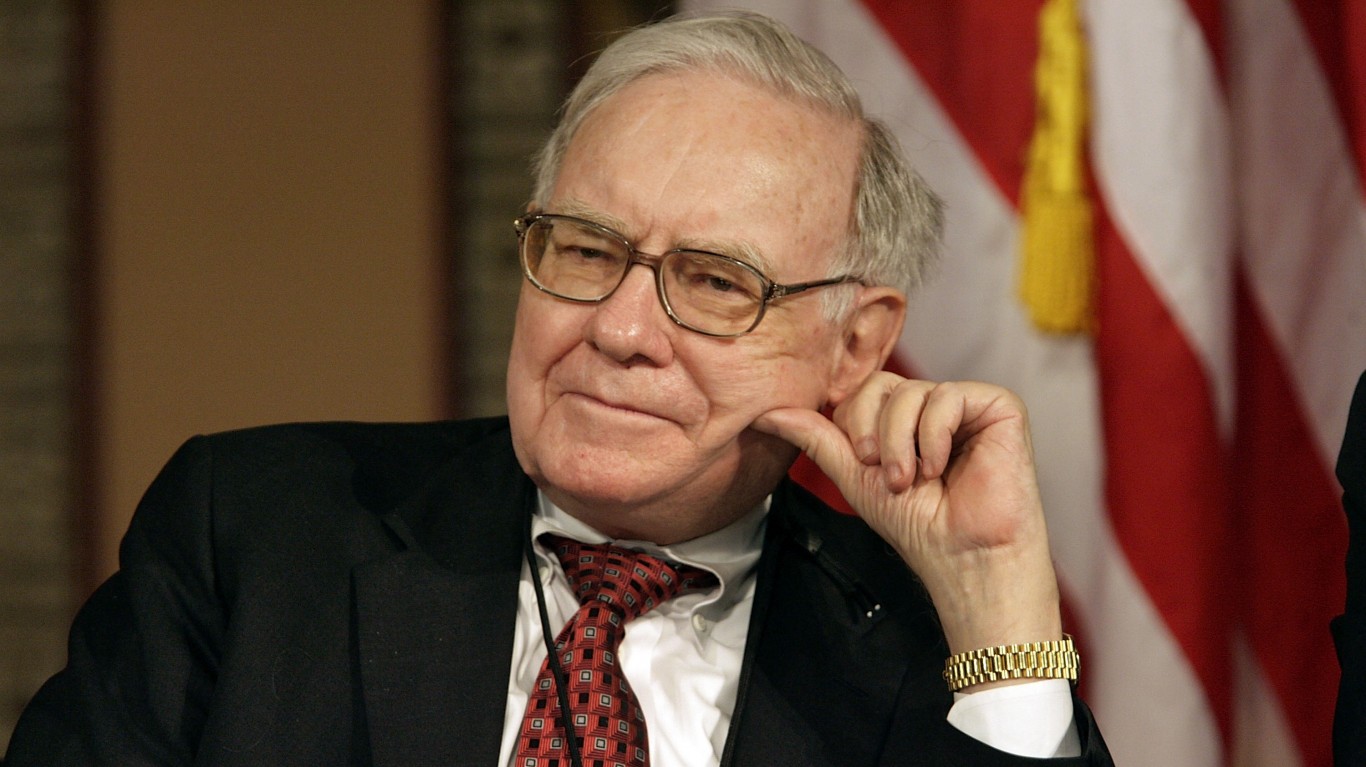
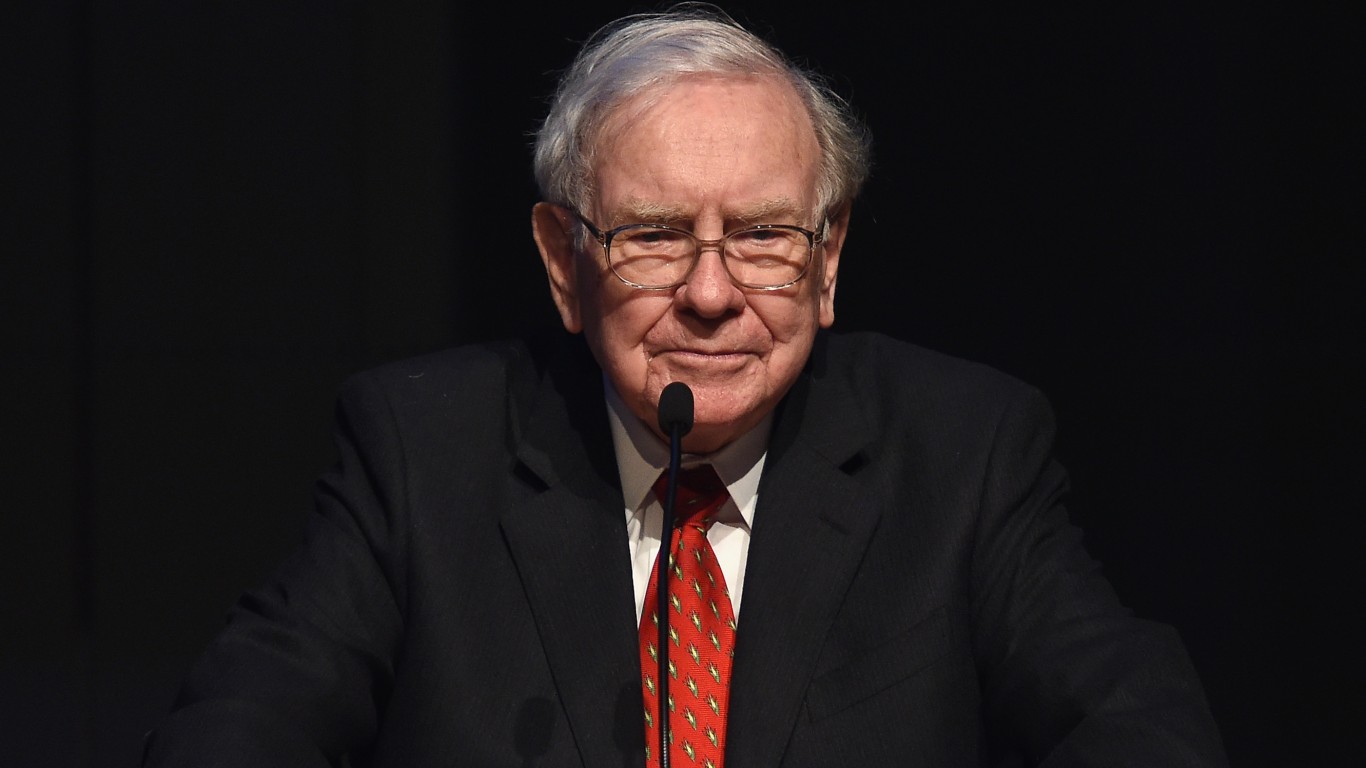
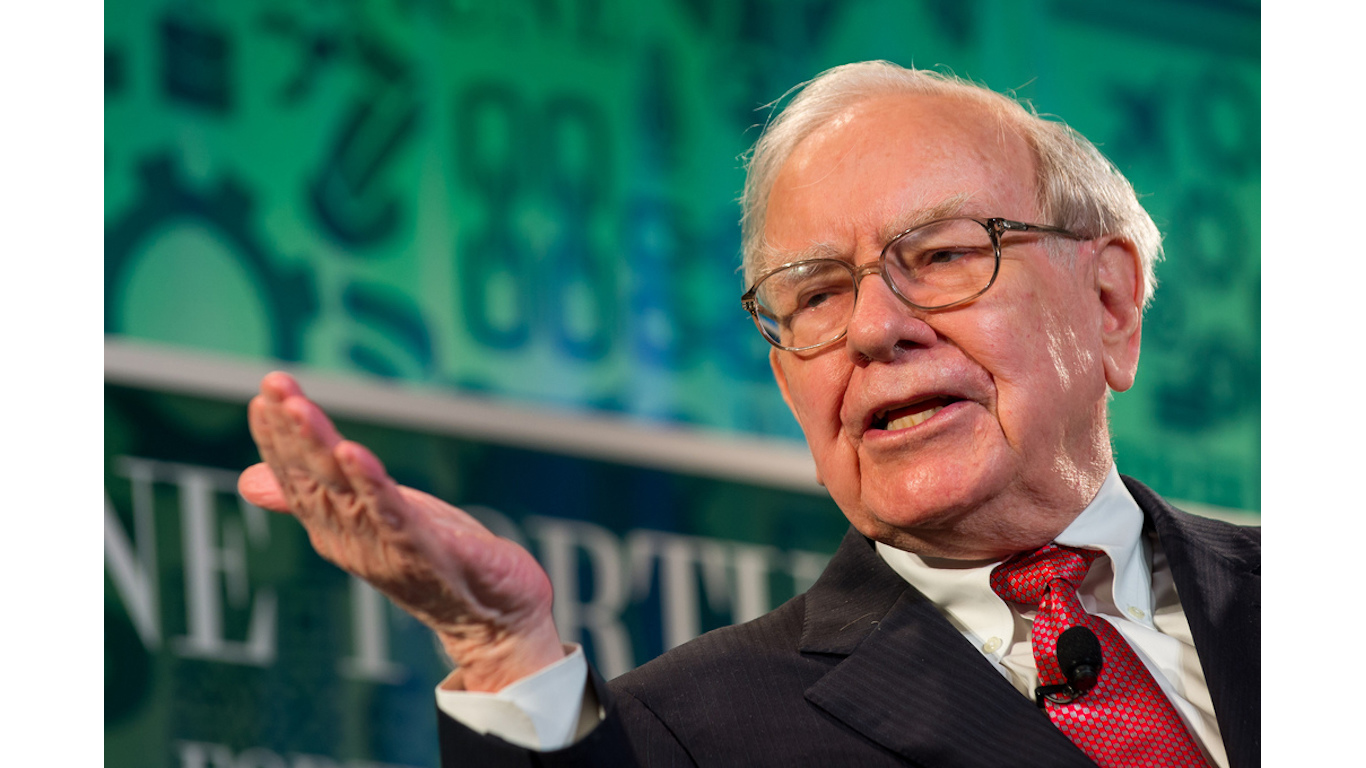
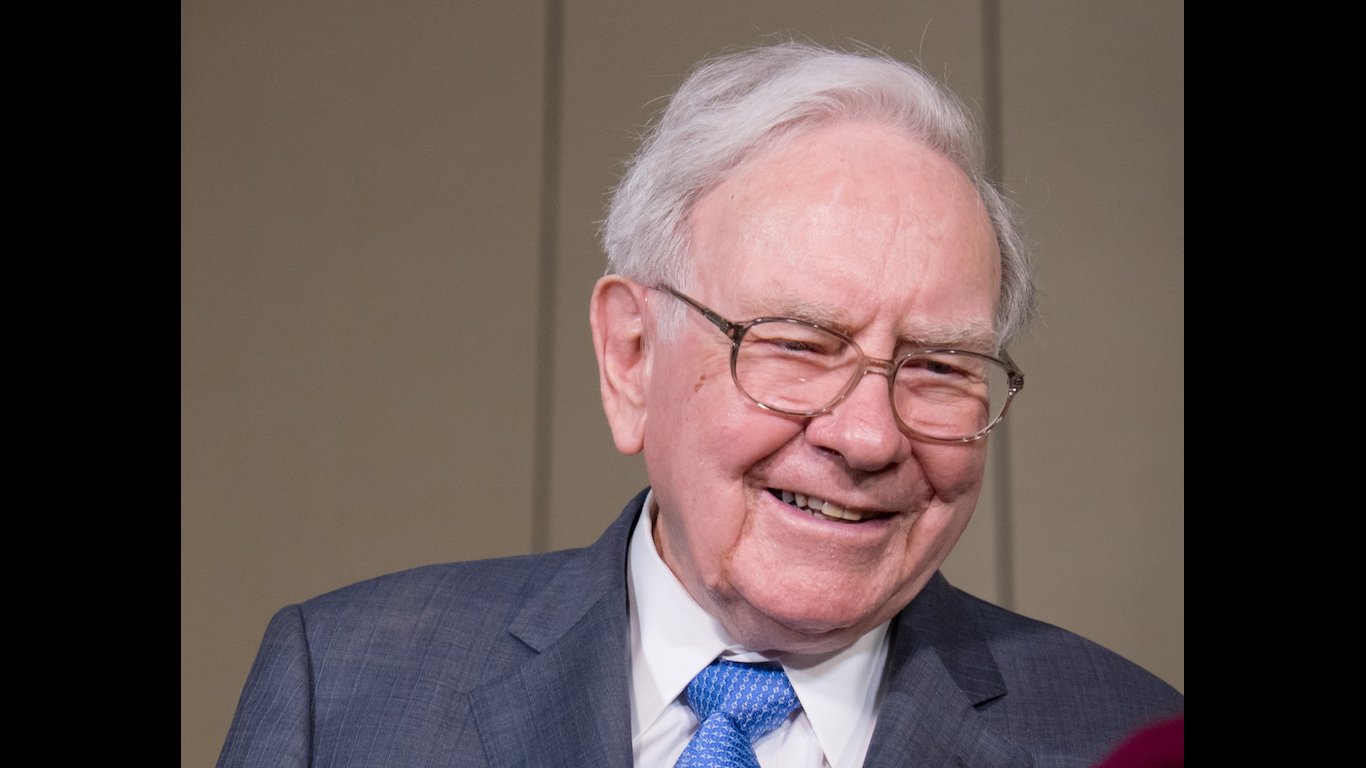
Warren Buffett’s remarkable success over six decades has turned Berkshire Hathaway (NYSE:BRK-A | BRK-A Price Prediction)(NYSE:BRK-B) into a phenomenon with something close to a cult following. Since assuming the helm of Berkshire in the mid-1960’s, the “Oracle of Omaha” has delivered better than 5 million percent returns, about 20% annually or twice those of the S&P 500 over the period.
Every year, thousands of investors travel to Omaha for the annual shareholder meeting, often called the “Woodstock for Capitalists,” to hear Buffett share his insights on investing and business. As Buffett’s long tenure as CEO nears its end — he plans to step down by the end of the year — many fans continue to admire him.
Yet, despite their adoration, investors appear to be ignoring the warning he has been giving about the stock market.
Buffett’s Actions Speak Louder Than Words
Now, Buffett has not issued any explicit warnings about an impending market crash. He hasn’t said, don’t buy stocks. However, his portfolio moves raise clear concerns.
For three consecutive years — 12 straight quarters — Berkshire Hathaway has been a net seller of stocks. The company sold more equities than it bought, with net sales reaching billions of dollars in recent periods. This pattern has built a record cash pile of approximately $382 billion.
Buffett has made occasional purchases, including new stakes in tech names, but few major aggressive bets. For example, he has unloaded shares in Apple (NASDAQ:AAPL) reducing his stake from about half of the portfolio down to 20%, but he bought over 5 million shares in UnitedHealth Group (NYSE:UNH) in the second quarter this year.
Analysts interpret this cash buildup as preparation for opportunities when prices drop, indicating he is uncomfortable with current market valuations.
A Classic Value Approach in Action
This strategy aligns with Buffett’s core value investing philosophy of not overpaying for stocks. As he put it, “It’s far better to buy a wonderful company at a fair price than a fair company at a wonderful price.” By holding massive cash reserves, Berkshire positions itself to deploy capital advantageously during downturns and buy numerous “wonderful” stocks.
Investors may question how to identify overvaluation today. While AI-driven gains have propelled stocks –and stock valuations — higher, echoing past tech booms, many of these companies are supported by genuine demand growth that continues to grow.
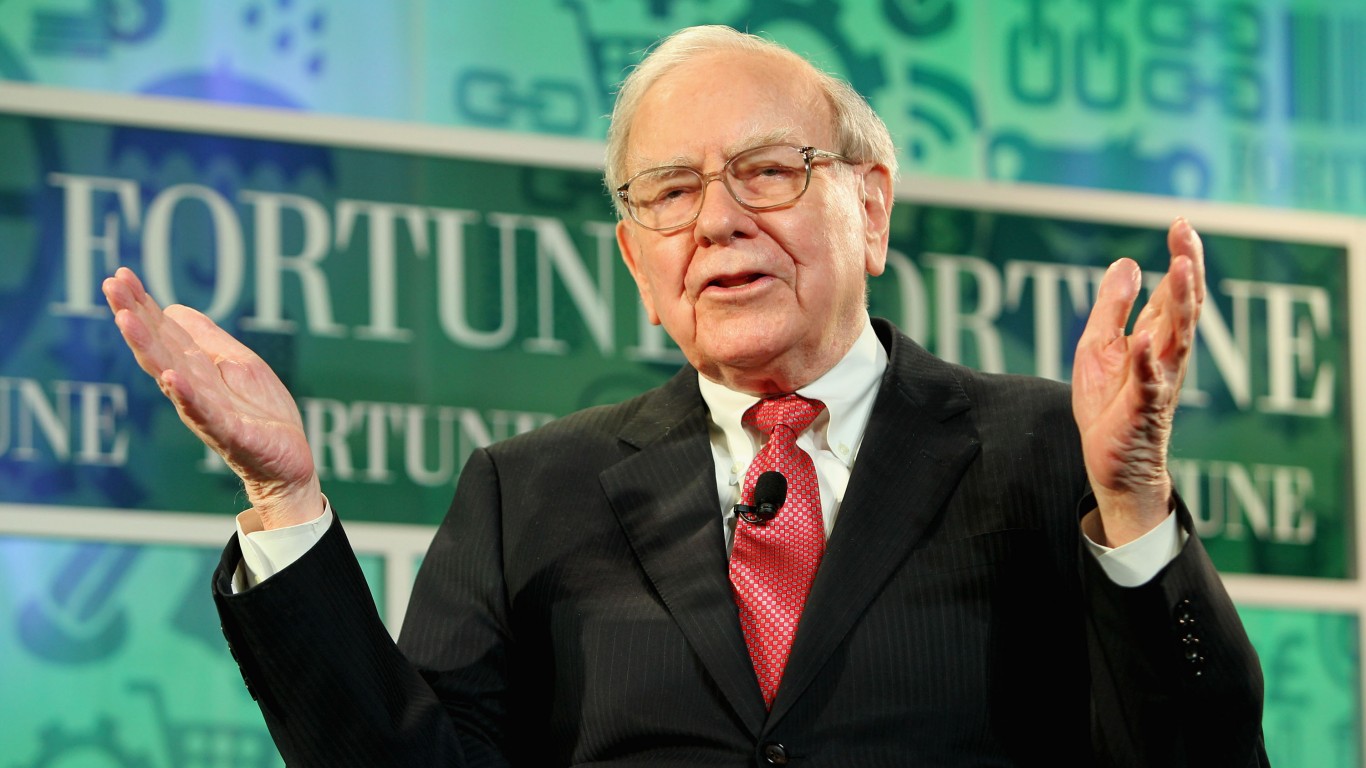
Buffett, though, has provided investors with guidance through key metrics. In a 2001 Fortune article, he described the ratio of total U.S. stock market capitalization to GDP as “probably the best single measure of where valuations stand at any given moment.”
A Persistent Red Flag
Known as the Buffett Indicator, this metric divides total market cap — often using the Wilshire 5000 as a proxy — by U.S. GDP. Readings above 100% indicate potential overvaluation, and below that — around 70% to 80% — undervaluation. It should be noted that Buffett has since backed away from relying solely on one measure, instead using a more holistic approach to determine valuation. However, even Buffett himself can’t be ignoring the flashing red lights of what the Buffett Indicator is signaling today.
Current readings are at record highs. Today, the Wilshire 5000 shows a total market capitalization of around $68.7 trillion while U.S. GDP currently sits around $30.5 trillion, or about 223% — some 77% above its trend line. Historically, levels above 200% have signaled extreme overvaluation and “playing with fire,” as Buffett once warned. Even adjusted versions exceed the long-term averages near 100%.
These figures indicate stocks have far outpaced economic output, raising the risk of a correction if growth or earnings fail to justify prices.
Key Takeaway
Every sign points to Buffett viewing the market as extremely overvalued, prompting his shift to cash. His consistent net selling over three years and record hoard underscore patience for better entry points. Investors who ignore Buffett’s warnings do so at their own peril.









 Top Gaining Stocks
 Top Losing Stocks