



Warehouse clubs and discount retailers are riding a powerful wave: cost-conscious consumers in emerging markets seeking American-style shopping experiences. As inflation pressures household budgets globally, membership-based warehouse models are proving resilient. We looked at four stocks to see who benefits most from the emerging market retail opportunity.
The Players in Emerging Market Retail
PriceSmart (NASDAQ:PSMT) operates 53 warehouse clubs across Central America, the Caribbean, and Colombia. The company brings the Costco model to markets where consumers have fewer bulk purchasing options at competitive prices. They generate $5.27 billion in annual revenue selling groceries, electronics, appliances, and business supplies to members who pay annual fees for access.
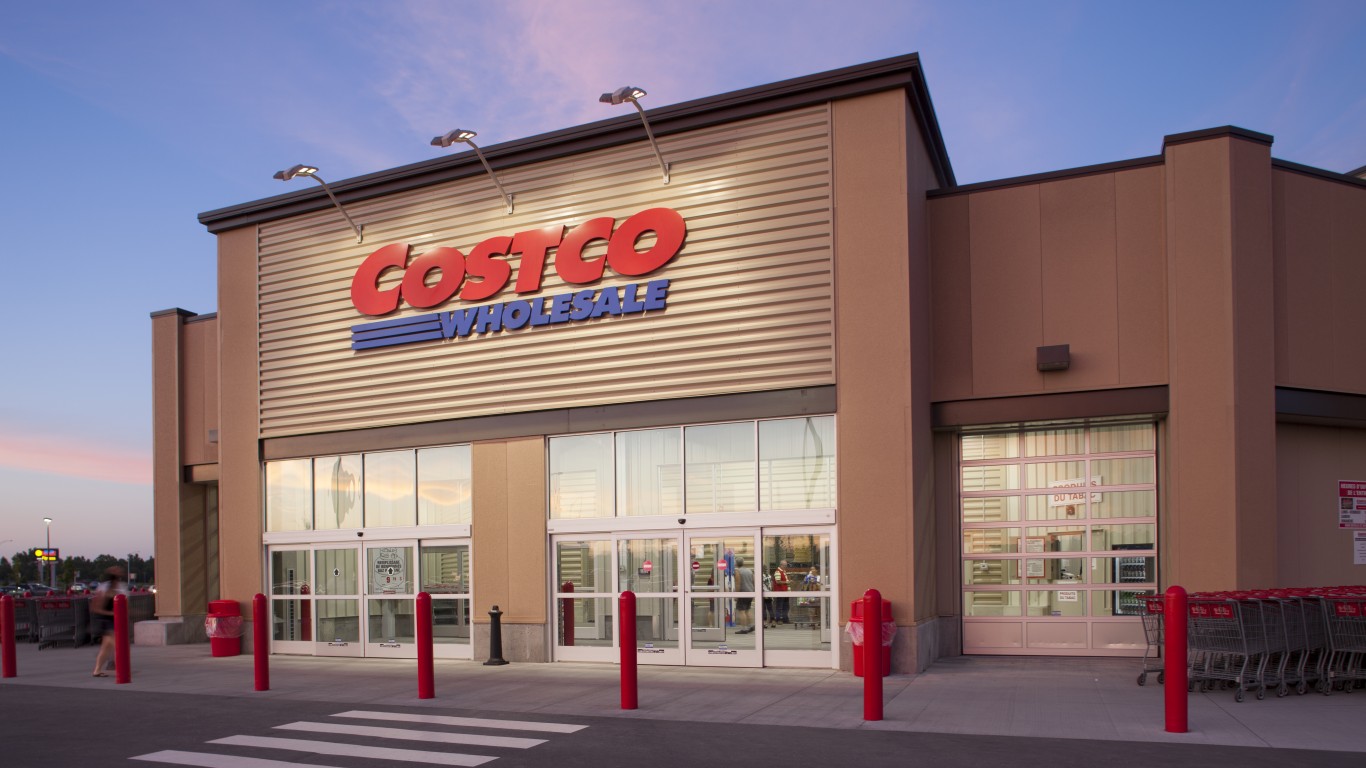
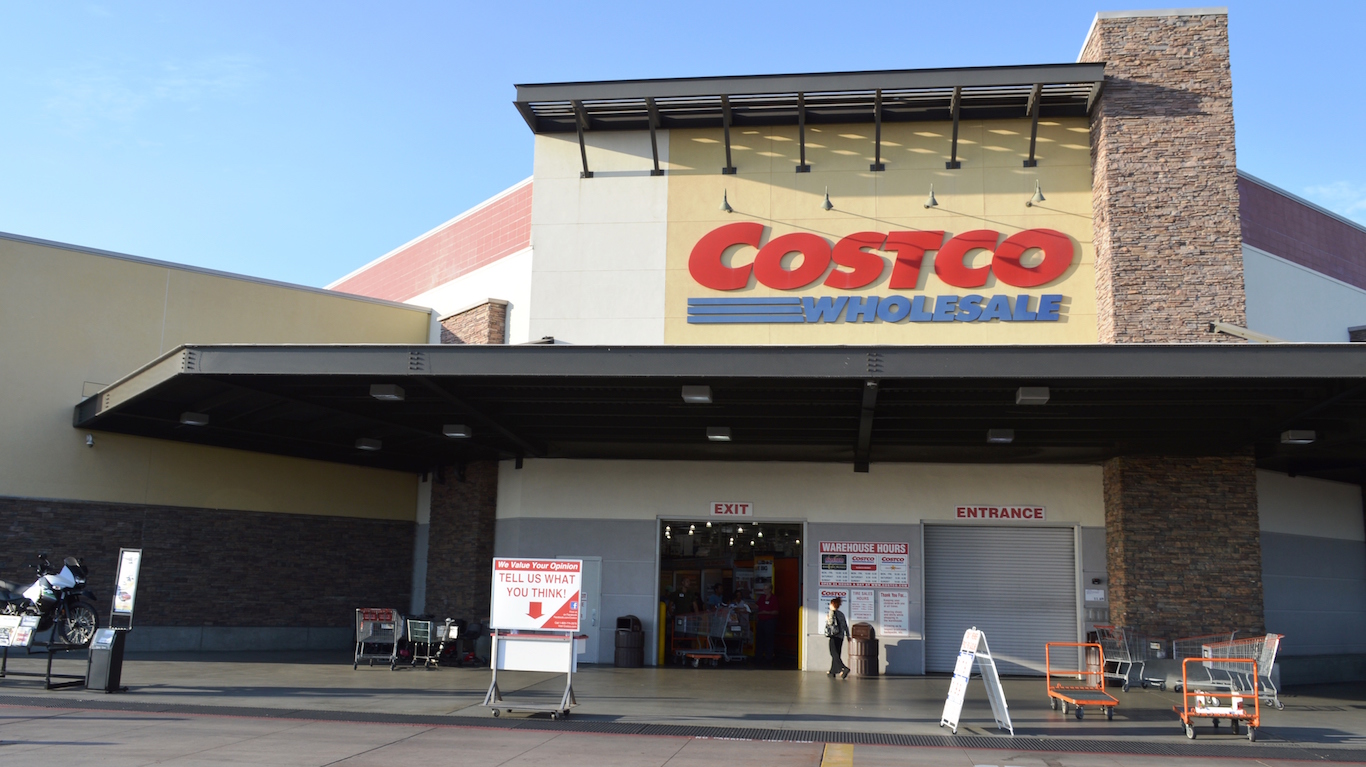
Costco Wholesale (NASDAQ:COST | COST Price Prediction) operates over 850 locations primarily in the United States, with additional presence in Canada, Mexico, Japan, and select other markets. Their $254 billion revenue base comes from the same membership model, but they focus overwhelmingly on developed markets where the format is mature.
Walmart (NYSE:WMT) operates discount stores and supercenters globally, including significant operations in Mexico and Central America through Walmart de México y Centroamérica. With $648 billion in annual revenue, they serve value-focused shoppers without membership fees.
MercadoLibre (NASDAQ:MELI) dominates e-commerce and fintech across Latin America. They connect buyers and sellers online while providing payment processing and logistics. Their $15.7 billion revenue comes from marketplace fees and financial services rather than direct retail sales.
How Each Business Is Positioned
Revenue exposure to emerging markets tells the clearest story. PriceSmart generates 100% of its $5.27 billion from Latin America and the Caribbean. Every warehouse, every member, every transaction happens in these growing economies. The company posted 8.6% revenue growth in fiscal 2025, demonstrating consistent demand despite economic volatility.
Costco derives roughly 75% of revenue from the United States, with most international sales from Canada, Japan, and other developed markets. Their Latin American presence is minimal. Shares have underperformed in 2025.
Walmart operates extensively in Mexico and Central America, but these markets represent approximately 15-20% of total revenue. The majority comes from U.S. operations. However, the stock surged 27.78% year-to-date in 2025, suggesting their discount model resonates broadly.
MercadoLibre focuses entirely on Latin America but competes in digital commerce rather than physical retail. They benefit from the same middle-class growth trends but serve different consumer needs.
PriceSmart’s competitive advantage comes from being the only scaled American-style warehouse club operator in most of their markets. They face limited direct competition from other membership warehouse formats. Costco and Walmart compete intensely with each other and numerous regional players in saturated U.S. markets. MercadoLibre battles Amazon and local e-commerce platforms.
The membership model provides recurring revenue that e-commerce platforms lack. PriceSmart and Costco collect fees upfront, creating predictable cash flow. MercadoLibre depends on transaction volumes that fluctuate with economic conditions.
What the Numbers Show
PriceSmart delivered strong returns in 2025, with shares gaining 34.67% over the past year and 51.56% over five years. The company maintained dividend payments for 19 consecutive years, recently increasing the semi-annual payout to $0.63 per share, up 80% since 2019.
Costco has experienced recent weakness despite a strong 10-year track record showing 535% gains, suggesting market saturation or margin pressure in core markets.
Walmart posted 27.78% year-to-date gains and 593% over 10 years, demonstrating the enduring strength of discount retail. Their diversified geographic base and non-membership model provide stability.
Who Actually Benefits Most
PriceSmart holds the strongest position for capturing emerging market retail growth. Their exclusive focus on Latin America and the Caribbean, combined with the warehouse club model, creates direct exposure to rising middle-class consumption in underpenetrated markets. The stock’s strong performance in 2025 reflects investor recognition of this positioning.
Walmart benefits from the same discount retail trend but spreads exposure across developed and emerging markets. Their 27.78% gain shows the model works, though emerging markets represent a smaller portion of their story.
Costco faces challenges from U.S. market saturation, explaining their 2025 underperformance. MercadoLibre captures Latin American growth through a different channel entirely.
The Bottom Line
PriceSmart generates 100% of its revenue from Latin America and the Caribbean warehouse club operations, posting strong stock gains in 2025. Walmart derives 15-20% of revenue from these regions through its discount store format, gaining 27.78% year-to-date. Costco maintains minimal Latin American presence, with shares underperforming in 2025. MercadoLibre focuses entirely on Latin America but operates in digital commerce rather than physical retail.











 Top Gaining Stocks
 Top Losing Stocks