


One of cryptocurrency’s most dramatic price runs came from XRP (CRYPTO: XRP) in late 2017 and early 2018, when the token surged from roughly $0.25 in December to a peak above $3.30 by January—a 1,200% gain in about six weeks as markets exploded in a broader bull cycle.
That rally became part of XRP price history. It reflected a flash of explosive gains that fueled mainstream headlines and turned casual observers into believers. Given the events of 2025—regulatory clarity from the SEC settlement, ETF flows topping $1.1 billion, and new on-ledger activity through RLUSD—some traders now ask whether a repeat is possible in December 2025.
This comes down to whether catalysts, sentiment, adoption, and structure align in a way that makes a significant upside move plausible again.
What Happened in December 2017? Retail Mania Meets Viral Interest
In late 2017, the entire crypto market was in a historic bull run. Bitcoin was nearing $20,000, Ethereum was gaining traction, and altcoins followed suit. Retail interest surged, new exchange listings made altcoins widely accessible, and media attention fueled further buying. Every major news outlet ran stories about Bitcoin millionaires, and dinner table conversations turned to crypto.
XRP rode that wave. XRP was priced around $0.25 in early December and rose to approximately $2.30 by month’s end, then peaked above $3.30 in early January 2018, marking over 1,200% gains in roughly six weeks.
Technical charts show that XRP broke out of a long consolidation—months of trading between $0.15-$0.25—forming a large monthly candle, and extended the rally into January 2018. The combination of market momentum and broad retail participation drove the massive surge. Social media was flooded with “XRP to $10” predictions, and trading volumes exploded as everyone wanted in.
The 2017-2018 rally shows what can happen when liquidity, accessibility, and viral interest align. It also shows the limits as market conditions can reverse quickly—XRP crashed 90% from its peak over the next year after the bubble deflated.
What’s Different in 2025? Institutional Firepower Replaces Retail Speculation
The crypto market in late 2025 is far more institutional. XRP ETFs raised over $1.1 billion from various asset managers, including Canary Capital, Franklin Templeton, Bitwise, and Grayscale, in just the first month after launch in mid-November 2025. In 2017, institutional participation was nearly zero as retail investors drove everything.
The SEC-Ripple litigation that dogged XRP for years has been resolved. A settlement finalized in August 2025 removed a significant legal overhang that kept major institutions away. XRP sales on secondary markets were deemed non-securities, clearing the path for regulated products.
Meanwhile, market infrastructure has matured. Regulated products, bigger custodians like Coinbase and Gemini, and broader ETF adoption mean that large sums of capital can flow in more easily than in 2017. Back then, buying XRP required navigating sketchy exchanges and dealing with uncertain custody. Now, pension funds can allocate through regulated ETFs with a few clicks.
At the same time, the retail base that powered 2017 still exists, but it now shares attention with institutional desks. If both groups begin buying simultaneously, volume can spike in ways that exceed 2017’s retail-only mania.
The Case for a 2025 Rally: Five Catalysts Support Plausibility
Institutional Finance Via ETFs Creates Structural Demand
One of the biggest differences between 2017 and 2025 is the rise of institutional finance in crypto. In 2017, institutional players were largely absent. In 2025, major financial entities are actively engaging with digital assets.
Bitcoin’s spot ETFs launched in January 2024 and drew tens of billions in inflows, helping propel BTC from $45,000 to a peak of $126,000 by October 2025. A similar surge in institutional interest in late December and early January could arrive just in time to influence XRP price action, mirroring the timing of the 2017 rally.
Regulatory Clarity Removes Institutional Barriers
For years, XRP’s price was weighed down by its legal battle with the SEC. In 2025, the narrative shifted as the SEC settled its case with Ripple Labs in August. This kind of regulatory clarity builds confidence across market segments. In 2017, there was no regulatory clarity—the market just didn’t care. In 2025, clarity removes a major friction point that was suppressing institutional demand for years.
Growing Real-World Use Cases: ODL and RLUSD
In 2017, XRP had almost no real-world usage—it was pure speculation. In 2025, banks are actually using Ripple’s messaging technology in cross-border payments and settlement corridors. Ripple’s On-Demand Liquidity (ODL)—which uses XRP to bridge currencies in seconds—and its new stablecoin (RLUSD) have expanded XRP’s role in real-world finance, attracting financial institutions seeking faster and cheaper settlements.
Market Sentiment and Technical Patterns Show Similarities
Crypto markets have seasonal elements. Historically, Q4, particularly December, has been a strong period for digital assets. While seasonality alone doesn’t guarantee gains, it can amplify other positive drivers.
Analysts examining XRP’s recent chart patterns note similarities to past cycles. Price action in late 2025 has shown consolidation phases between $1.80-$2.20, similar to the $0.15-$0.25 base in 2017 before the breakout.
Supply Squeeze from ETF Custody Creates New Dynamic
A new element not present in 2017 is supply squeeze. In 2017, all XRP sat on exchanges ready to be sold. In 2025, over 1.35 billion tokens have been removed from circulation into long-term custody. This creates a potential supply shock. If demand surges through ETFs or retail FOMO while 45% less supply sits available for sale, price moves could be sharper than in 2017 despite the more mature market.
Why a Repeat Isn’t Guaranteed: Three Critical Limitations
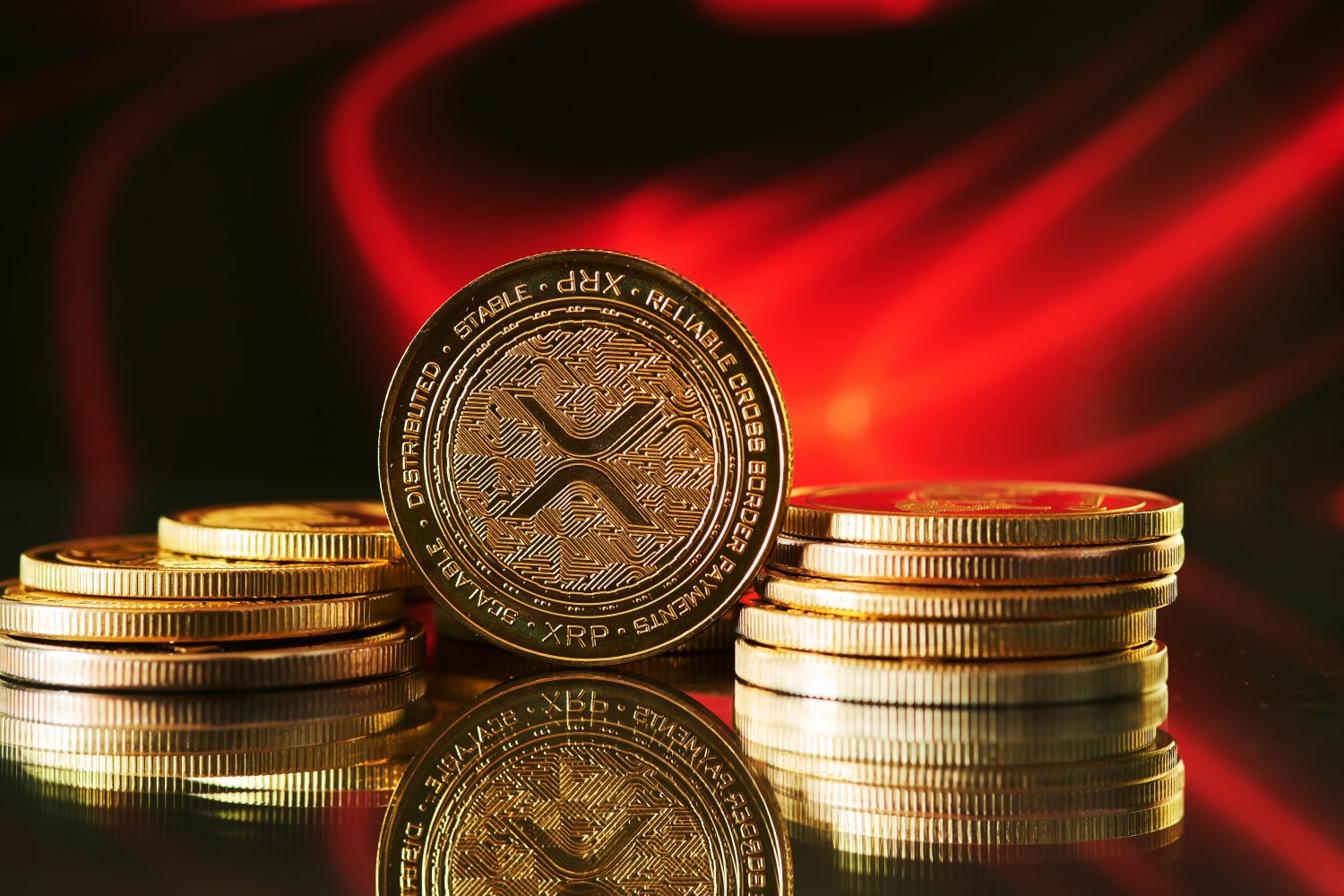
Market Structure Is More Complex and Competitive
In 2017, the crypto ecosystem was narrower—fewer assets, less institutional involvement, and no mature regulatory framework. Today, XRP competes with dozens of other digital assets and emerging blockchain platforms.
Institutional interest is growing, but it tends to be more measured and strategic than the speculative fervor of 2017. Pension funds don’t FOMO—they allocate methodically over quarters. This means that price moves—even on positive catalysts like ETF approvals—could unfold more gradually rather than explosively.
Regulatory Progress May Already Be Priced In
Although the resolution of the SEC lawsuit was a significant milestone in August 2025, markets have had four months to adjust prices in response to this news. For a major rally to occur now, markets may need new catalysts beyond regulatory clarity—like massive ETF inflows exceeding $5 billion, major banks announcing they’re holding XRP in treasury, or RLUSD adoption exploding to $10 billion market cap.
Macro and Market Conditions Still Matter
Cryptocurrencies have historically been volatile in sync with macroeconomic risk sentiment—weak macroeconomic trends can mute upside even when fundamentals improve. Bitcoin fell 30% from $126,000 to $90,000 in late 2025 as macro conditions turned cautious. If similar conditions occur, it would dampen any upside potential for XRP.
Will XRP Repeat Its December 2017 Surge in 2025?
XRP’s December 2017 rally—1,200% in six weeks—remains one of crypto’s most explosive price moves. A repeat in December 2025 isn’t guaranteed, but the building blocks exist: institutional adoption through ETFs, regulatory clarity removing years of uncertainty, real-world utility through ODL and RLUSD, and a 45% supply squeeze as tokens move into custody.
But markets are more mature now. XRP competes with dozens of alternatives, regulatory wins may already be priced in after the rally from $0.50 to $3.60, and macro conditions are mixed. A repeat of that 1,200% rally would require the same rare alignment of catalysts, sentiment, and capital flows that defined 2017—only now with institutional firepower replacing retail mania.
The wiser approach is cautious optimism. Recognize the upside potential from the parallels, but prepare for alternate outcomes: steady 50-100% gains pushing XRP to $3-4 by mid-2026, or a muted finish keeping XRP range-bound between $1.80-$2.50 as institutions accumulate slowly. A moonshot is possible—XRP proved it once—but banking on a repeat sets a very high bar.







 Top Gaining Stocks
 Top Losing Stocks