



Credit card payments move trillions of dollars every year, yet the way those transactions settle has barely changed in decades. A December 2025 report from Amplify ETFs highlights a shift that could change that. Since November 6, 2025, Ripple and Mastercard have been running a live pilot that settles real credit card transactions on the XRP (CRYPTO: XRP) Ledger using RLUSD—Ripple’s USD-backed stablecoin.
This isn’t a consumer crypto product or flashy rollout. It’s a back-end test of whether regulated blockchain settlement can operate within existing card payment systems without disrupting banks, merchants, or customers. If it works at scale, it challenges assumptions about how global card networks must operate and what role blockchain can play in traditional finance infrastructure.
How the Ripple-Mastercard Pilot Settles Credit Card Payments on XRP Ledger
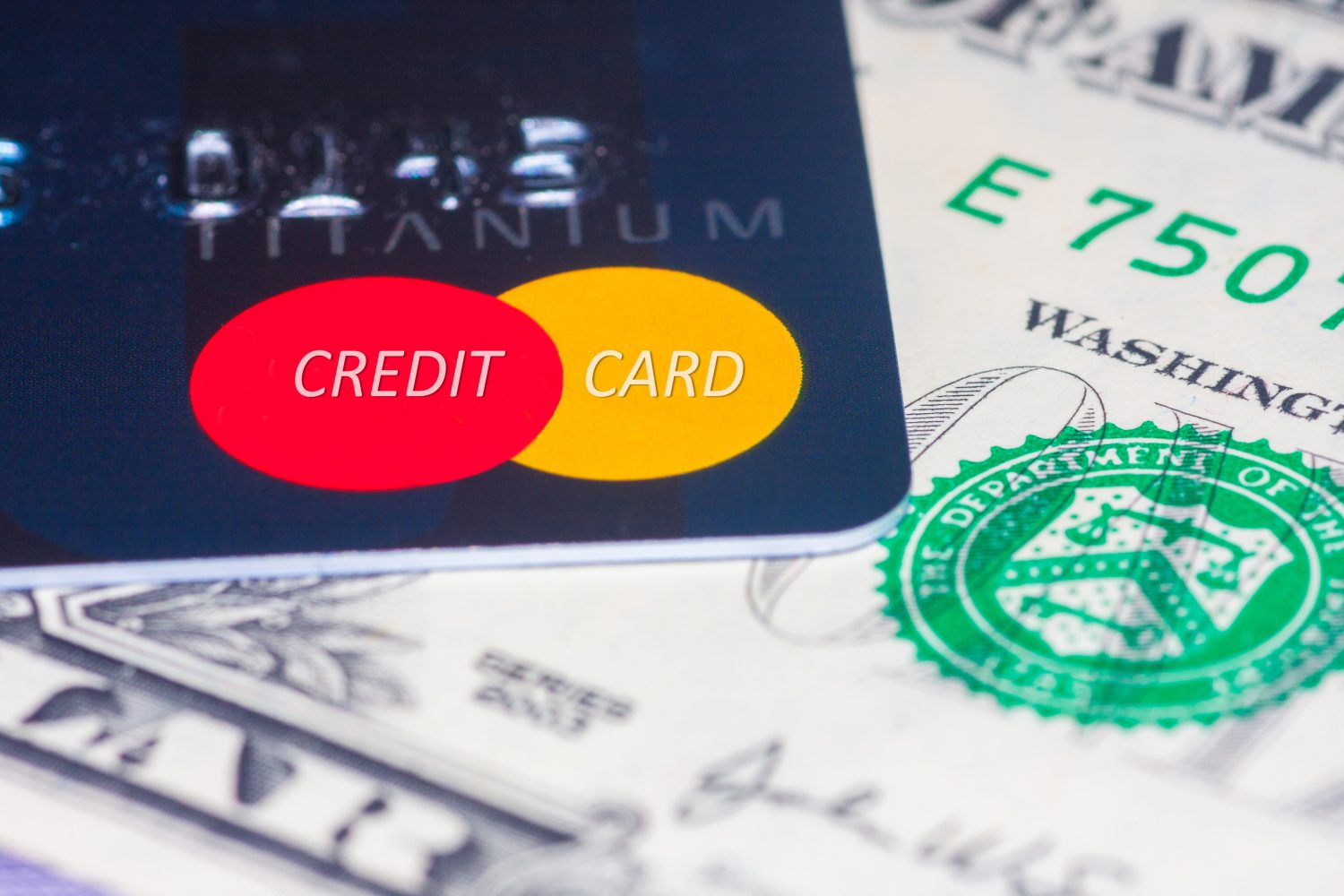
Gemini credit cards in this pilot work like any other card: Tap to pay—Mastercard authorizes the transaction and merchants receive fiat currency. The difference happens behind the scenes. RLUSD settles the transaction on the XRP Ledger in seconds—finalizing payment immediately instead of taking one to three days through traditional banking rails where money sits in limbo while banks clear transactions.
Four players make this possible, each handling a specific role in the settlement chain.
Ripple: Infrastructure and Compliance Layer
Ripple provides the infrastructure that makes on-chain settlement practical. It maintains the XRP Ledger’s core technology, issues RLUSD, and supplies the compliance tooling banks require—KYC, AML, and transaction monitoring systems that regulators mandate.
RLUSD maintains full 1:1 backing through cash and U.S. Treasury securities held in a New York Trust Company structure with third-party attestation. This matters to institutions because it eliminates the counterparty risk that caused algorithmic stablecoins like Terra’s UST to collapse in 2022—banks won’t touch unbacked stablecoins, but regulated reserve structures meet their compliance requirements.
Mastercard: Authorization and Merchant Network
Mastercard keeps the familiar front end intact. Its global network handles authorization—verifying the card has sufficient credit—routing the transaction, and merchant settlement exactly as it does today. That continuity is the point.
Mastercard uses the pilot to test blockchain settlement without changing how billions of cards work worldwide. No merchant retraining required, no consumer friction, no new hardware at point-of-sale terminals. The blockchain sits invisibly in the settlement layer, not the customer experience.
WebBank: Regulatory Anchor
WebBank anchors the regulatory structure. As a federally supervised, FDIC-insured bank chartered under U.S. banking law, it brings the regulatory certainty that crypto-native experiments lack. WebBank issues the credit card, oversees settlements, and ensures every transaction meets U.S. banking requirements.
Its involvement reframes blockchain from a regulatory risk—”unregulated crypto touching our payment systems”—into a back-end efficiency tool approved by a federally regulated bank. When institutions evaluate this pilot, they see WebBank’s name and know compliance is handled.
Gemini: Custody and Liquidity
Gemini supports the pilot by providing custody services, liquidity management, and operational support for RLUSD. As a regulated U.S. exchange with a New York BitLicense and trust charter, it bridges traditional finance operations with on-chain settlement.
Gemini also issues the branded credit card in partnership with WebBank, ensuring RLUSD liquidity remains available, audited by third parties, and compliant with New York banking standards. When settlement volume spikes, Gemini ensures sufficient RLUSD exists to clear transactions immediately.
XRP and XRPL: Four Ways the Pilot Drives Network Adoption

The Amplify ETFs December 2025 report frames this pilot as infrastructure building. Its focus is on how regulated payment volume tests whether XRPL can support real-world settlement at scale. Here are four ways the pilot matters for XRP Ledger adoption.
1. Settlement Volume Tests Network Capacity
Settlement growth doesn’t equal instant price support for XRP, but it validates the network can handle institutional volumes. RLUSD handles the actual settlement, while XRP underpins the ledger as the native asset used for transaction fees and anti-spam protection.
Higher volume from credit card payments increases transaction fees collected by validators, creates liquidity needs as institutions hold RLUSD balances, and attracts developer interest for building payment tools.
2. XRP’s Role Emerges in Cross-Border Flows
XRP isn’t required for the pilot to work domestically. RLUSD can move directly between U.S. institutions without touching XRP. The potential role of XRP appears in currency conversion scenarios—what Amplify ETFs calls the “bridge currency” use case.
In cross-border settlement, XRP can bridge euro-denominated and dollar-denominated liquidity on the ledger. A European merchant receiving payment from a U.S. cardholder could convert RLUSD to REUR through XRP as the intermediary in seconds, avoiding traditional correspondent banking that takes days and costs 3-5% in FX fees.
3. Stablecoin Growth Attracts Institutional Infrastructure
As RLUSD issuance on XRPL rises—currently around $1.3 billion—more institutions integrate XRPL wallets, compliance monitoring tools, and APIs for connecting their systems to the ledger. That activity brings developers building payment applications and liquidity providers offering RLUSD exchange services.
4. XRPL Gains First-Mover Advantage in Regulated Card Settlement
Ethereum and Solana have run payment pilots—Visa tested USDC settlement on Ethereum in 2023, PayPal launched PYUSD on both chains—but none have combined regulated credit card settlement with a major global card network like Mastercard. If the Ripple-Mastercard model scales without friction over 2026, it becomes a reference point for other institutions evaluating blockchain settlement.
The $20 Trillion Credit Card Market Opportunity

Global credit card payments now exceed $20 trillion annually. This represents the total value moving through settlement systems that still rely on multi-day clearing between banks, layered intermediaries, and embedded costs totaling 2-3% of transaction value.
A 1% share of this $20 trillion market represents $200 billion in annual volume settling on XRPL. The XRP Ledger’s current daily payment volumes typically range from under $500 million on quiet days to over $17 billion on high-activity days during market volatility.
Capturing even 0.5% of the credit card market—$100 billion annually or roughly $275 million daily—would represent sustained activity near XRPL’s current peak levels. Reaching 1% would require the network handling $550 million daily consistently, about 10x typical baseline volumes.
Scaling to $200 billion annually requires dozens of banks in multiple countries adopting the same settlement framework. That’s a multi-year process of pilots, compliance reviews, and infrastructure builds.
XRP Price Outlook: Why Utility Growth Matters More Than Speculation
Price action tends to follow expectations about future relevance, not current activity levels. When news of the Ripple-Mastercard pilot surfaced in November 2025, XRP moved from around $2.20 to briefly touch $2.50—a sentiment-driven reaction based on speculation, not settlement volume.
The Ripple-Mastercard pilot proves that regulated blockchain settlement can work alongside existing credit card systems. WebBank’s involvement as FDIC-insured issuer, RLUSD’s growth to $1.3 billion, and Mastercard’s participation show that institutions can adopt on-chain settlement tools safely within existing compliance frameworks.
While XRP’s price may not spike immediately from pilot volumes, steady usage over 2026-2027 strengthens network utility and builds long-term institutional credibility. The $20 trillion credit card market represents a massive addressable opportunity, but capturing even 1% requires scaling beyond WebBank to dozens of issuers globally.
Watch these indicators: RLUSD issuance growth beyond $5 billion, additional bank participation beyond WebBank, transaction volume consistency, and cross-border expansion if Ripple launches euro stablecoins. If those milestones hit over 12-24 months, XRPL moves from “interesting pilot” to “proven settlement infrastructure.”












 Top Gaining Stocks
 Top Losing Stocks