



As we wrap up 2025 and look forward to a New Year with all its new challenges and opportunities, investors have plenty to consider.
I thought it would be fun to look back at the year that was from an investor’s perspective. I’m going to dive into what went right, what led to market uncertainty and volatility, and what these trends may portend for the year ahead.
None of us have a crystal ball, and I’m not exempt from that grouping. However, I do think there are some high-probability trends that are likely to play out in 2026 investors should certainly keep on the radar. Here are a few of the key things I think are worth noting in the year that was, and what could play out in the year ahead, for investors who like to use this holiday period to think and reflect.
A Year of Gratitude and Growth
2025 visual
I think 2025 will go down as a relatively solid year for investors in the almanac, though it wasn’t a year without its share of bumps along the way.
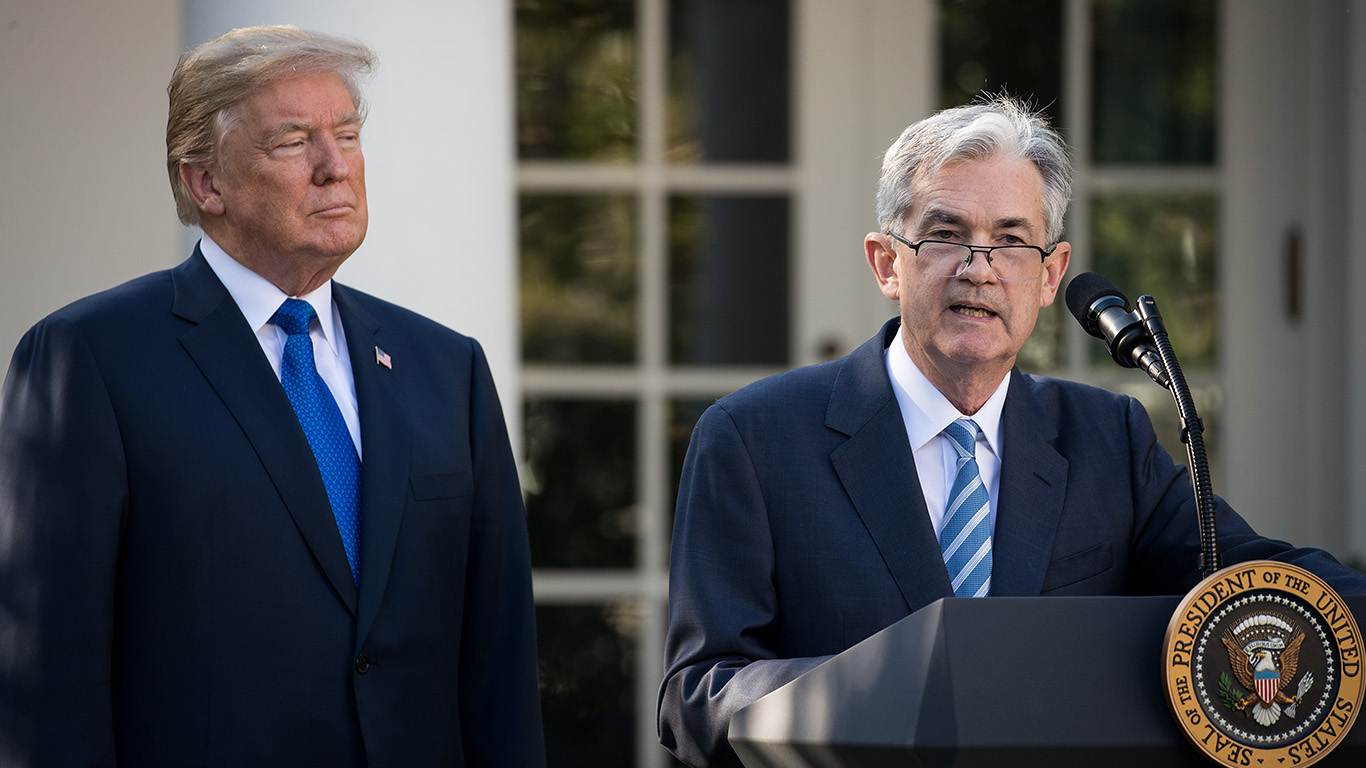
Investors had to battle above-target inflation for the whole year, the launch of a new tariff and trade policy by the Trump administration which avidly sought to reel-in spending on international manufacturing and provide the on-shoring trends the Trump administration has sought for a long time, and a series of valuation-related scuffles within the market at the largest market cap tiers.
The tech sector will continue to be the focal point in 2026, with AI spending accounting for the vast majority of GDP growth in 2025. That said, given this heightened CapEx spending, U.S. GDP did grow faster than expected. And despite an uptick to a 4.6% unemployment rate (still low, by historical standards), spending from higher-income consumers has made up for some deterioration among the lower and middle-class consumer groups.
I think another word that can be used to describe 2025 is a year of relative stability. In the face of all these aforementioned headwinds, the market continued higher, as investors climbed the proverbial wall of worry. With industrials and health care stocks now starting to outperform, there’s increasing hope that 2026 will providing a broadening out trade, which could see other sectors take the mantle from tech and propel the market higher.
So, What Will 2026 Bring?

2026 growth visual
As mentioned, I do think the most likely scenario we’re going to see in 2026 will be a continuation of many of the same trends we’ve seen play out through the end of 2025. I think the labor market is likely to deteriorate more, spurring additional interest rate cuts (the Trump administration is clearly after). And with lower interest rates, we could see the U.S. deficit come down, and a bullish narrative build around consumer spending following what’s likely to be record tax refunds come April.
Of course, it’s also entirely possible that we could see the labor market deteriorate far too quickly, and AI spending slow. That would be the worst case scenario for the U.S. economy, and be a situation in which stocks could lose a dramatic amount of value in a short amount of time.
Calls for an AI bubble have been picking up of late. And no matter which side of the fence you sit on with this narrative, that’s a narrative that could provide a self-fulfilling prophecy for valuations among some of the highest-growth companies in this space to come back down to earth rather quickly.
Thus, there are competing narratives around what 2026 will bring. I think taking a defensive approach to the markets, while maintaining full weight or near-full weight exposure to equities, will be a winning strategy.











 Top Gaining Stocks
 Top Losing Stocks