


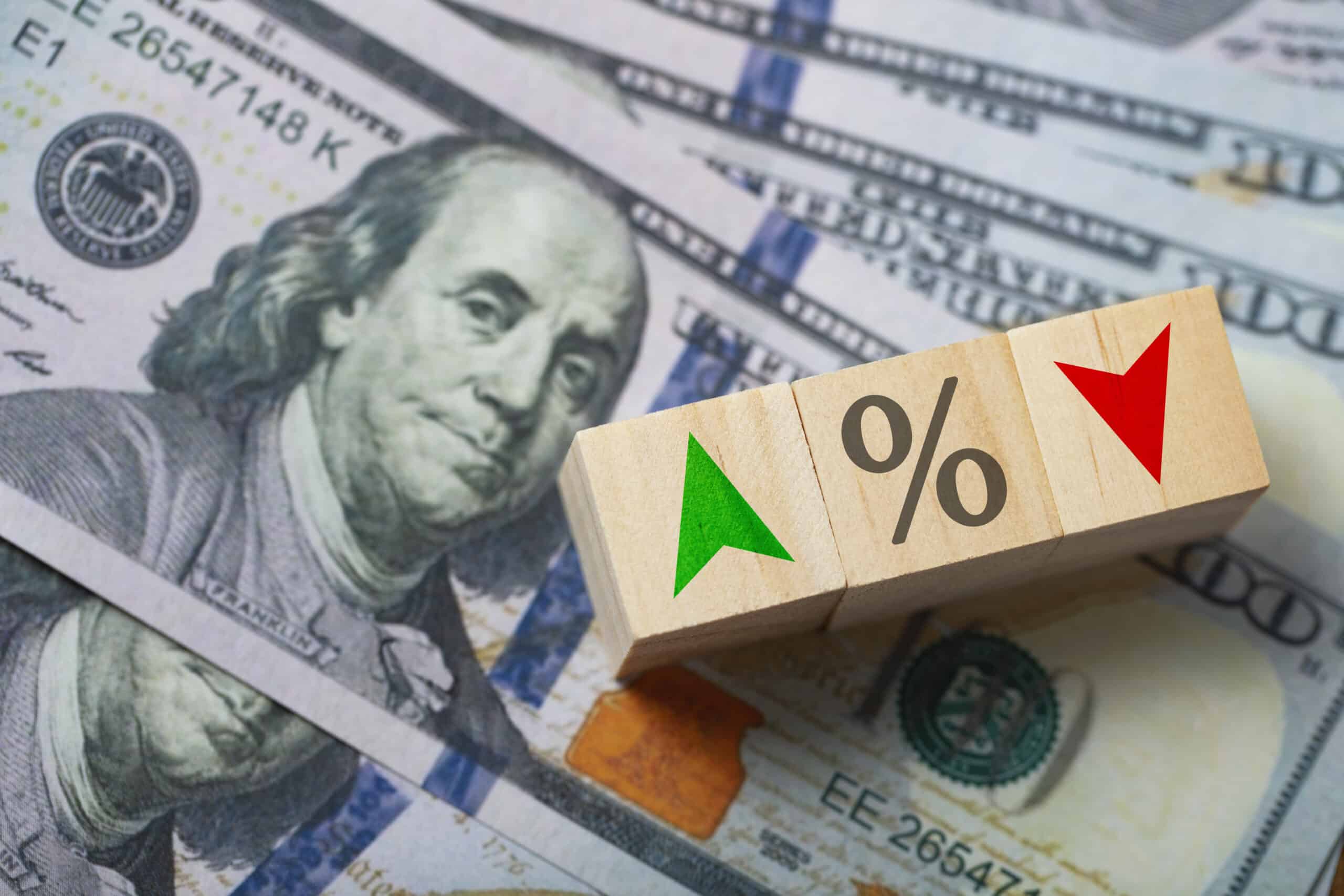
Much of the discussion around financial markets continues to shift from one macro concern to another. Whether it’s higher for longer interest rates (or simply overall Federal Reserve monetary policy), or trade/tariff policy, or geopolitical risks and a range of other medium-term risk factors that appear to be heating up, there’s plenty for investors to digest on the horizon.
Heading into the New Year, it’s becoming clearer that investors who are looking at specific sectors are starting to pay more attention not only to the current absolute level of interest rates, but where the path for interest rates will be over the next year to five years.
I don’t know what will happen tomorrow, and I’ve left my crystal ball at home (mostly). But in this piece, I’m going to dive into my case as to why I think the market is incorrect in pricing in just two cuts into 2026, and why we’re much more likely to see
Job Market Weakness

Prospective employees waiting for a job interview
The biggest and most important factor I think will drive interest rate decisions in the coming year will ultimately be the “hard” data the Fed utilizes to make its decisions. These data points, which include everything from inflation (as measured by PPI and CPI) to jobs market data, and other subjective and objective measures which come via surveys and other government agencies.
Through the end of 2025, we saw broad-based deterioration on a number of these metrics. Unemployment went from a January 2025 level of 4% to 4.6% to end the year. That’s still historically low, and that’s what the Fed and other officials continue to tell the public. However, that’s still a sharp turn higher, and is a move that’s triggered the so-called Sahm rule multiple times already.
If we see unemployment really pick up, then I think a combination of other factors (higher than target inflation, but an inflation rate that’s leveling out) and very pessimistic consumer sentiment data coming out of the University of Michigan surveys, could lead the Fed down a path of additional rate cuts to try to tamp down any significant recessionary headwinds before they materialize.
New Fed Chair, Independence Questions
Federal Reserve building
I think another narrative that’s likely to continue in 2026, particularly as we head into the May time frame when current Fed chair Jerome Powell is expected to step down, is who will ultimately take the reins.
This is a position that’s hand-picked by the current President, and Donald Trump is one man who has signaled his intention very loudly and clearly that he wants interest rates lower. Thus, the new Fed chair pick is likely to be one that’s provided the president with some assurances of his ideals and rate path thoughts, whether those thoughts are shared publicly or not.
There will ultimately need to be a cat and mouse game, in which the market (and investors like you and I) will need to feel conformable that the Fed is doing the right thing for the American people. So-called Fed independence (a lack of outside influence, even from the White House) will likely be called into question, and I’d expect some turmoil among interest rates (particularly at the long end of the curve).
But if all indications are correct and Kevin Hassett is brought on as the new Fed Chairman, I do think more interest rate cuts are more likely than less, and that’s a trade I’d be willing to put on over the coming month or so as we get closer to hearing who this new Fed Chairman will ultimately be.













 Top Gaining Stocks
 Top Losing Stocks