


The office products industry faces relentless headwinds as remote work, digitization, and shifting workplace habits erode demand for traditional supplies. Some companies are fighting back with strategic pivots, cost discipline, and acquisitions to unlock value in adjacent markets. ACCO Brands (NYSE:ACCO) just acquired premium headset maker EPOS for $11.7 million. We examined ACCO alongside peers navigating similar challenges to see who’s positioned to benefit from operational transformation in a declining category.
Four Companies Fighting the Office Products Downturn
ACCO Brands (NYSE:ACCO)
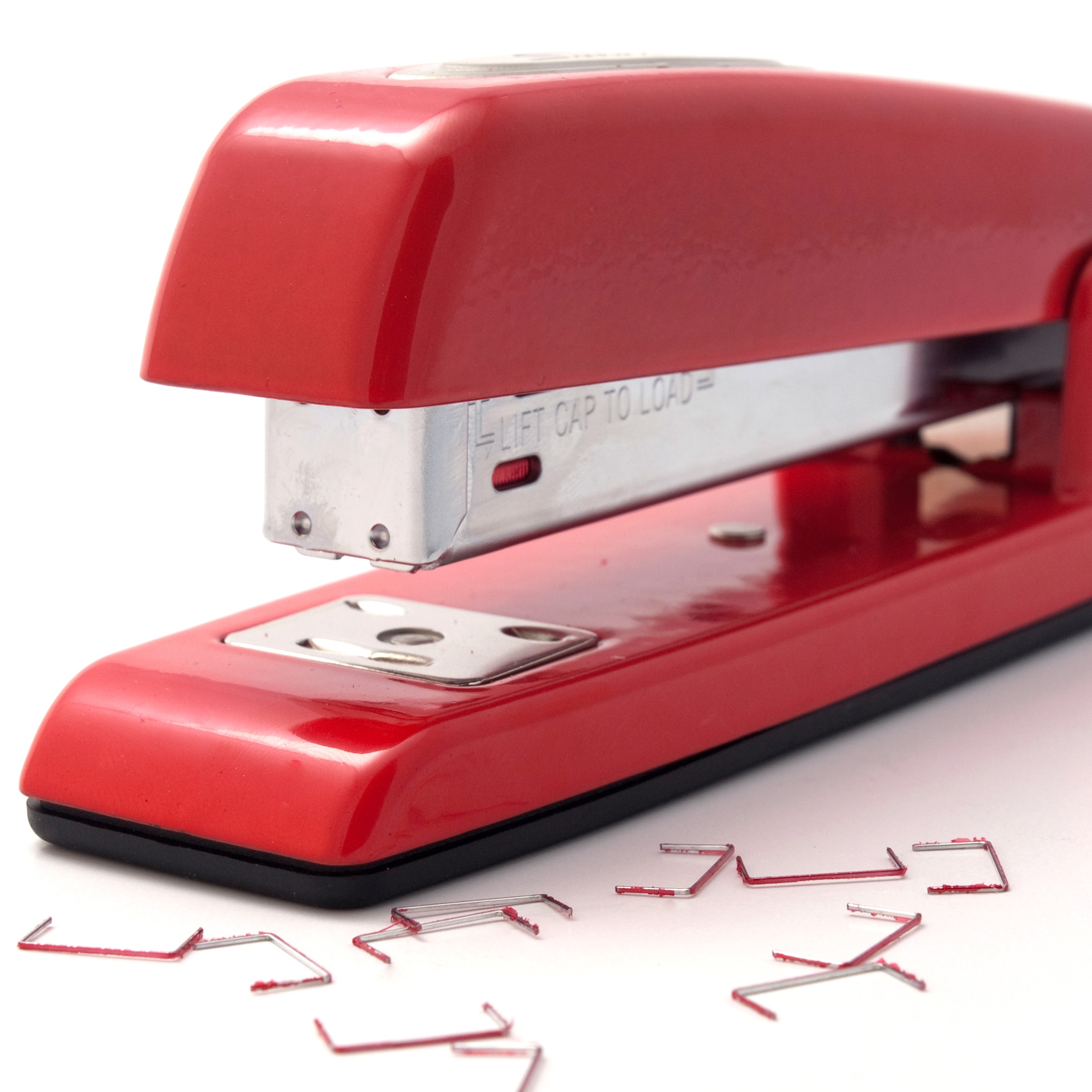
ACCO Brands manufactures staplers, binders, whiteboards, and computer accessories under brands like Swingline, Mead, and Kensington. The company generates $1.54 billion in annual revenue but saw sales contract 8.8% year over year in its most recent quarter. ACCO is betting on cost cuts and strategic acquisitions to stabilize margins and diversify beyond declining stationery sales.
Newell Brands (NASDAQ:NWL)
Newell Brands (NASDAQ:NWL | NWL Price Prediction) operates a portfolio spanning office products (Sharpie, Paper Mate), home goods (Rubbermaid), and outdoor gear (Coleman). The company has been divesting non-core assets and focusing on higher-margin consumer categories. Office products remain part of the mix, but Newell’s exposure is diluted across multiple segments.
Logitech International (NASDAQ:LOGI)
Logitech International (NASDAQ:LOGI) designs computer peripherals including mice, keyboards, webcams, and headsets. Unlike traditional office suppliers, Logitech benefits from hybrid work trends driving demand for home office technology. The company reported strong growth in video collaboration products and gaming accessories, positioning it differently from paper-based competitors.
HNI Corporation (NYSE:HNI)
HNI Corporation (NYSE:HNI) manufactures office furniture and hearth products. While not a direct office supplies competitor, HNI faces similar workplace transformation pressures. The company has focused on flexible workspace solutions and contract furniture for corporate clients adapting to hybrid models.
How Their Businesses Compare
ACCO’s EPOS acquisition expands its Kensington accessories line into the $1.7 billion premium enterprise headset market. Management projects $10 million to $15 million in cost synergies over two years, substantial relative to the $11.7 million purchase price. The deal closes in January 2026 and is expected to boost profitability despite ongoing revenue headwinds. ACCO also operates a $100 million cost reduction program aimed at protecting margins as core stationery demand weakens.
Logitech holds the strongest position among these companies. Its product mix aligns with remote and hybrid work trends rather than fighting against them. Video conferencing equipment, wireless peripherals, and gaming accessories all benefit from the shift away from traditional offices. Logitech’s business is growing while ACCO’s contracts.
Newell Brands has partially insulated itself through diversification. Office products represent only a portion of revenue, with home essentials and outdoor categories providing stability. However, this diversification means Newell lacks the focused operational leverage that a pure-play turnaround could deliver.
HNI faces workspace transformation challenges similar to ACCO’s but operates in furniture rather than supplies. The company benefits from corporate spending on office redesigns for hybrid work, though furniture cycles are longer and more capital-intensive than consumable office products.
What Management Is Saying
ACCO’s December 2025 acquisition announcement stated: “This strategic move aims to diversify ACCO’s offerings and capitalize on a $1.7 billion global market, with anticipated cost synergies of $10 million to $15 million over the next two years.”
The company added: “The acquisition is expected to moderately boost profit in 2026, despite a forecasted revenue decline for ACCO Brands in the current year.”
An October 2025 analysis from Insider Monkey noted that “despite lower-than-expected sales in Q3 2025 due to soft global demand, the company projects improved sales trends in Q4, driven by technology accessories and favorable foreign exchange rates.”
Management’s emphasis on cost discipline and technology accessories signals recognition that traditional office supplies won’t drive growth. The EPOS deal represents a concrete bet on premium workplace technology as the path forward.
Who Actually Benefits Most
Income investors seeking high yields benefit most from ACCO’s current situation. The stock offers an 8.13% dividend yield backed by 27 consecutive quarterly payments since 2018. The company trades at 0.52 times book value and 3.84 times forward earnings, creating a margin of safety for dividend sustainability even as revenue declines. Deep value investors also benefit from ACCO’s distressed valuation. Analyst targets average $6.00 versus the current $3.69 price, implying 63% upside if the turnaround gains traction. Institutional investors hold 84% of shares, suggesting sophisticated money managers see potential despite operational challenges.
Logitech serves growth-oriented investors better. Its products align with secular trends rather than requiring a turnaround thesis. Newell and HNI offer more diversified exposure but lack the focused transformation story or extreme valuation discount that defines ACCO’s appeal.
The Bottom Line
ACCO Brands benefits contrarian income investors willing to accept operational risk for an 8% yield and potential mean reversion. The EPOS acquisition and cost discipline provide tangible catalysts, but the core business remains challenged. Logitech offers cleaner growth exposure, while ACCO presents a high-risk, high-reward opportunity for those betting on stabilization in a distressed sector.












 Top Gaining Stocks
 Top Losing Stocks