


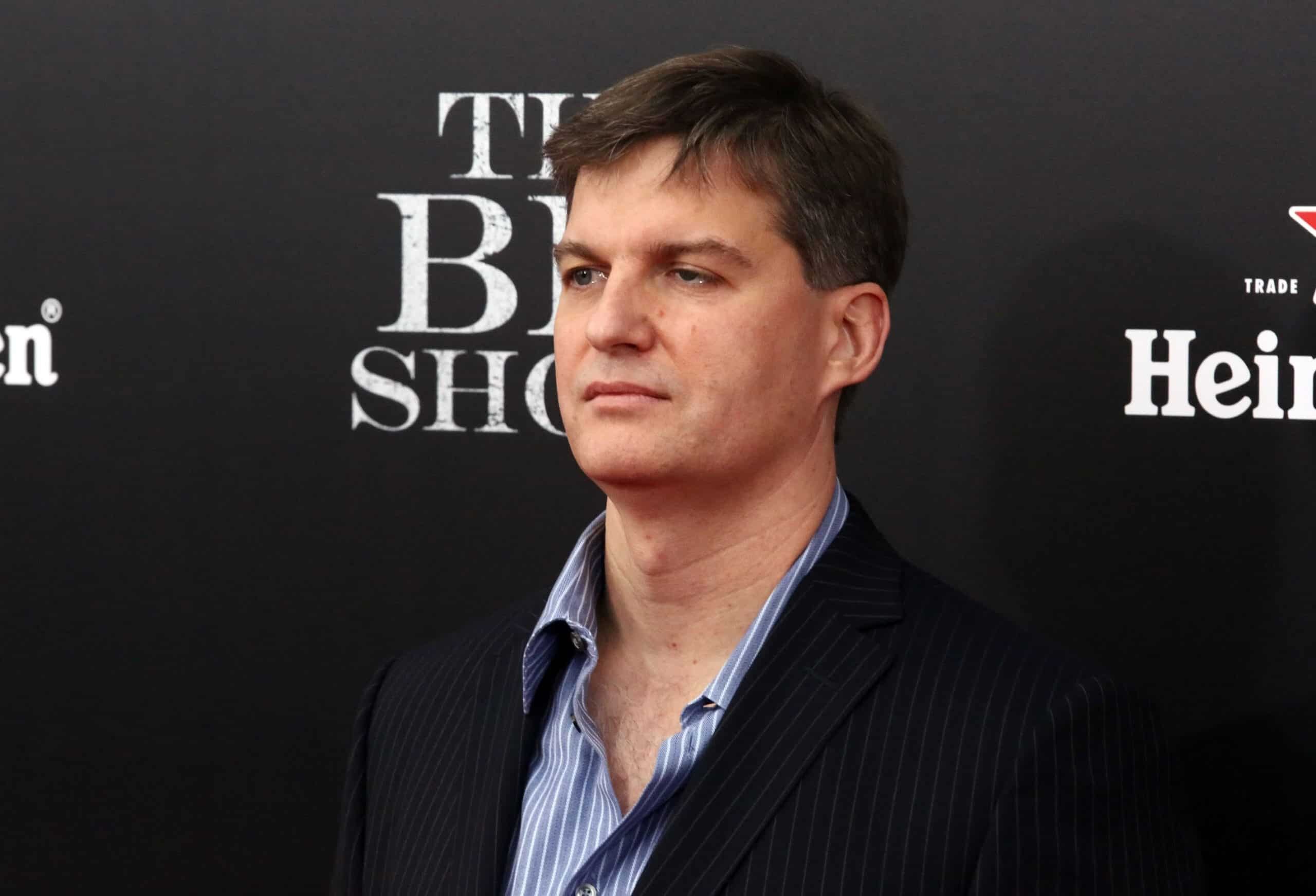
In 2021, Michael Burry helped ignite the meme stock frenzy by accumulating a 5% stake in GameStop (NYSE:GME | GME Price Prediction) through his Scion Asset Management fund. He pushed management to repurchase shares, citing undervaluation as video games were making a shift toward digital and downloads. Burry’s activism drew the attention of Chewy (NASDAQ:CHWY) founder Ryan Cohen, who built his own 13% position in the stock, advocating for similar changes.
This, in turn, caught the eye of Reddit users on WallStreetBets, who coordinated buys to squeeze short sellers. The result was GameStop stock surging over 1,600% in a matter of weeks, sparking a broader retail trading boom.
Now, Burry has disclosed via his Substack that he’s buying GameStop stock again, citing faith in Cohen’s leadership and the stock’s proximity to tangible book value. This news, following Cohen’s recent purchase of 1 million shares, boosted the video game retailer’s shares more than 12% over the past week.
GameStop: The Original Meme Stock Icon
GameStop became the symbol of the meme stock movement in early 2021, when retail investors drove its price from under $5 to a split-adjusted peak of $86.88 per share. The frenzy highlighted how social media could challenge institutional shorts, with GameStop’s meteoric rise inspiring similar runs in stocks like AMC Entertainment (NYSE:AMC). Traders hunted for other heavily shorted names, aiming to replicate the squeeze. We’ve seen similar attempts recently with stocks like Opendoor Technologies (NASDAQ:OPEN), yet GameStop remains the OG meme stock, as its story defined the era.
A Tough Road Since the Peak
The past few years, however, have tested GameStop, and shares have fallen 72% from its peak to around $24. The problem remains its core business faces secular headwinds. Hardware and accessories sales dropped 12% year-over-year in the third quarter to $367.4 million, while software sales plunged 27% to $197.5 million. Overall net sales declined 4.6% to $821 million, missing estimates of $987 million. The shift to digital downloads and streaming erodes demand for physical products, limiting GameStop’s growth.
Despite the declines, collectibles stand out as a singular growth area. Last quarter, segment sales rose 50% to $256.1 million, representing 31% of revenue compared to 20% a year prior. Items like trading cards and Funko Pops helped lift gross margins to 33.3% from 29.9%, contributing to operating income of $41.3 million against a prior loss. Still, this pivot doesn’t fully offset GameStop’s core erosion, and collectibles depend on consumer trends that can shift quickly.
Key Takeaway
Burry views GameStop as undervalued, trading near 1x tangible book value with Cohen steering capital deployment for long-term potential. He downplays short squeezes, focusing on fundamentals. Still, investors should proceed cautiously.
The video game industry’s digital evolution continues pressuring sales, and collectibles’ volatility ties to fickle tastes. Cohen has tried numerous tactics to inject new life into the business, such as launching a non-fungible token (NFT) marketplace when NFTs were hot, and climbing on the crypto treasury company bandwagon as Bitcoin (CRYPTO:BTC) soared. At the end of Q3, GameStop owned 4,710 bitcoin at a time when the crypto was trading just north of $110,000, producing an unrealized loss of $9.2 million and a cumulative $19.4 million unrealized gain. Bitcoin is down about 20% since then.
So despite profitability gains from collectibles and cost cuts, revenue trends signal ongoing challenges. That means just because Burry is buying, you shouldn’t follow his lead and buy, too.










 Top Gaining Stocks
 Top Losing Stocks