


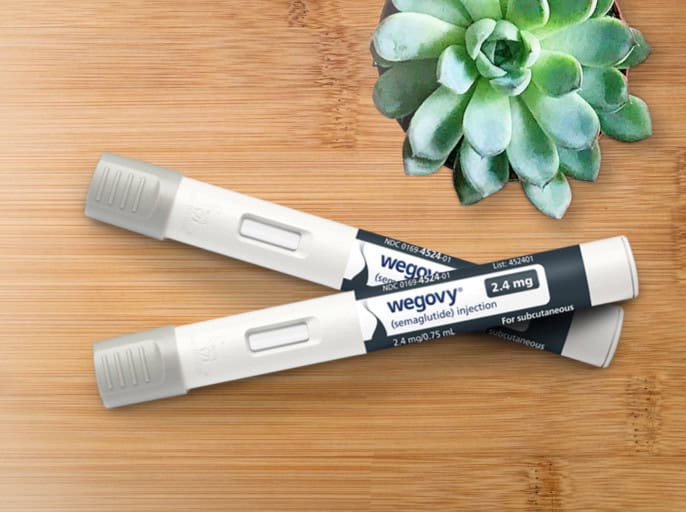
One of the biggest trends in the fight against obesity has been the explosion in popularity of GLP-1 medications. Created to treat diabetes, patients who were prescribed the popular GLP-1 drugs Ozempic, Mounjaro, Wegovy and others also discovered a surprising side benefit: significant weight loss. This has led to an explosion of people clamoring for GLP-1 drugs to treat obesity, and those drugs’ manufacturers have all seen their stock prices rise in conjunction with the surge in demand and subsequent sales. An estimated 12%, or 31 million US adults are reportedly on GLP-1 drugs at present.
However, like all pharmaceuticals, there are significant side effects that can affect a wide range of people, and GLP-1 drugs are not exempt. Some 3,300 lawsuits from over 4,400 plaintiffs are now on dockets throughout the US against Novo Nordisk (NYSE: NVO | NVO Price Prediction) and Eli Lilly (NYSE: LLY), and it’s very likely more will follow, since the popularity of GLP-1 drugs have now spawned copycats in the markets.
Stomach Paralysis, Colon Ruptures and Even Blindness

75% of the GLP-1 lawsuits against Eli Lilly and Novo Nordisk involve stomach paralysis, which inhibit the stomach from transferring bodily waste to the small intestine for elimination.
If one watches TV commercials for drug treatments, the amount of time devoted to risk disclaimers overshadow that of the actual drug promotion itself – a fact that has inspired SNL skits and other comedic moments. However, the disclaimers exist to give the manufacturers a liability “out” in the event of patient side effects that can range from debilitating to fatal.
GLP-1 receptor drugs are marketed by Eli Lilly under the brand names Mounjaro (for diabetes) and Zepbound (for obesity) and by Novo Nordisk as Ozempic (for diabetes) and Wegovy (for obesity). Other offshoots from the two manufacturers are also included in the lawsuits. Among the lawsuit damage claims:
- 75% of the lawsuits allege that the drugs cause gastroparesis, a condition where the stomach slows down or stops emptying food into the small intestine, that is called colloquially as “stomach paralysis”.
- 36% of the lawsuits claim the drugs either caused ileus, (a condition keeping bowel muscles from eliminating bodily wastes) or other intestinal obstructions.
- Over 100 cases blame the drugs for causing either blindness or sudden severe vision impairment.
- Other cases involve gallbladder injuries and one severe case of a woman’s colon literally rupturing while driving on the road, and another suffering brain damage after nonstop vomiting bouts.
Despite the disclaimers, the lawsuits allege that NVO and LLY were both aware of these potential risks but failed to sufficiently warn doctors and patients in advance.
Obesity Is Literally a Gigantic Market

The obesity drug market is anticipated to reach $150 billion in the next four years.
The obesity drug market is like a voracious animal that is literally growing exponentially. Estimated to be $3 billion in 2020 and $30 billion in 2024, it is projected to expand to $150 billion by 2030. Obesity has been a very lucrative sector for the defendants in these lawsuits:
- Eli Lilly’s Q4 2025 US revenues increased by 43% on 50% higher volume sales and by 43% for international revenues on 38% higher sales volumes for a total of $19.3 billion.
- Sales of Eli Lilly’s Mounjaro increased by 110% and Zepbound increased by 123% in the same period.
- Novo Nordisk reported 2025 total revenues of $49.4 billion (+6% over 2024) with Wegovy sales for the year up +26% ($12.97 billion) and Ozempic sales up +34% ($15.4 billion).
Copycats Aiming For Market Share (And Possible Liability)
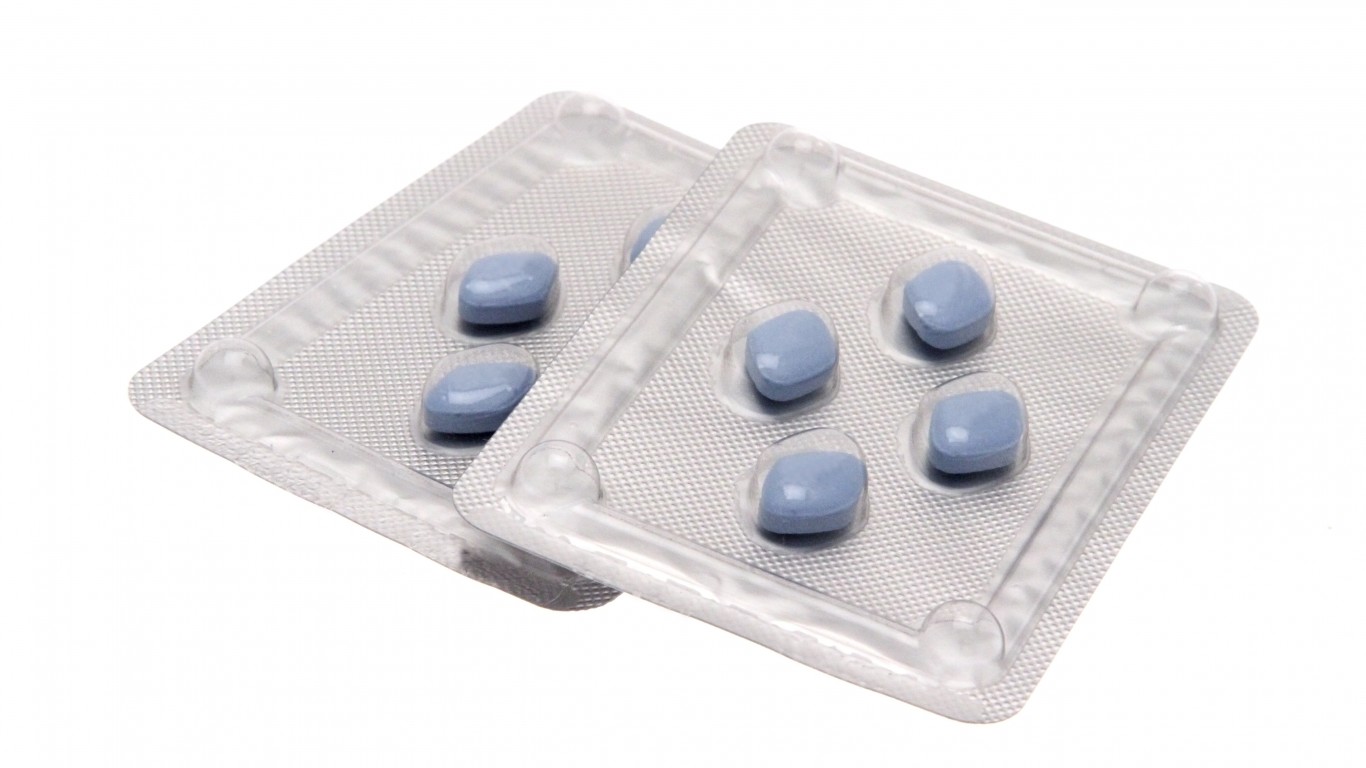
Hims & Hers Health Inc. made its rteputation on offering lower cost versions of Minxydil for baldness and Viagra for ED, but the FDA and a Novo Nordisk lawsuit have halted the sales of its GLP-1 offering.
Hims & Hers Health (NYSE: HIMS), which has gained some notice for offering minor brand alternatives to Viagra for ED and Minoxidil for hair regrowth, came up with its own version of GLP-1 drug at a price that was 66% cheaper than Wegovy. Novo Nordisk has since filed a lawsuit and the FDA has threatened action over lack of HIMS shirking FDA review protocols, prompting HIMS to remove its GLP-1 offering – for the time being.
As one might expect, HIMS stock had a huge run up and subsequent fallback. Nevertheless, HIMS believes it can win the PR war. However, are they sure they aren’t opening a Pandora’s Box of potential future liabilities?









 Top Gaining Stocks
 Top Losing Stocks