


What makes for a market collapse? Let’s define this as a reset, like the one in 2008, when the S&P 500 fell by 38.5%, the most precipitous drop since 1937.
In 2026, there is no one answer. The credit markets will not collapse due to a housing market disaster, as happened almost two decades ago. The present risks may be even higher and wider.
The private markets are in trouble, and it is a sign of a broader risk. Blue Owl (NYSE: OWL) may be the first leg of this. Its stock is down 30% over the past month. Investors worry that what its management has said about the risk of its holdings is dead wrong. Blue Owl cuts off investors who want to “get their money back.” The entire market that Blue Owl plays in has assets worth $1.8 trillion. “The red flags we are seeing in private credit today are strikingly familiar to those of 2007,” Orlando Gemes, chief investment officer of Fourier Asset Management, told Yahoo.
Gemes is not a big player. JPMorgan CEO Jamie Dimon is. “The CEO has been warning for months about the potential deterioration in credit quality,” Bloomberg wrote. Dimon commented that it was not a matter of if, but of when. He also said large banks had started to “do dump things.” Those dump things are mostly being overextended.
AI may do terrible things to the economy, and those effects will not be limited to financial institutions. A note from a tiny firm battered the market in a day. It was from Citrini Research. Apparently, it was read by millions of people. And, the scene painted was worrisome enough that some software stocks could barely find a floor. Its analysis is based on what the world economy will look like in just two years. AI will wipe out millions of jobs, it said. This will cause a shock to consumer spending. White-collar jobs will be particularly affected, and the people who hold these jobs account for 75% of discretionary spending.
And then there is the question of whether the market is simply too expensive. Its run-up has almost no precedent. The three-year return on the S&P 500 is 70%. Some of that has been driven by megacap tech stocks. However, many of these have started to level off because of guesses about which will be AI winners and which will be elbowed out of the industry. In the meantime, hundreds of billions of dollars will be spent on data centers. Some of this investment is not carried on the balance sheets of these megatech companies, but it has to be “carried” somewhere. Some of that somewhere is another private market risk.
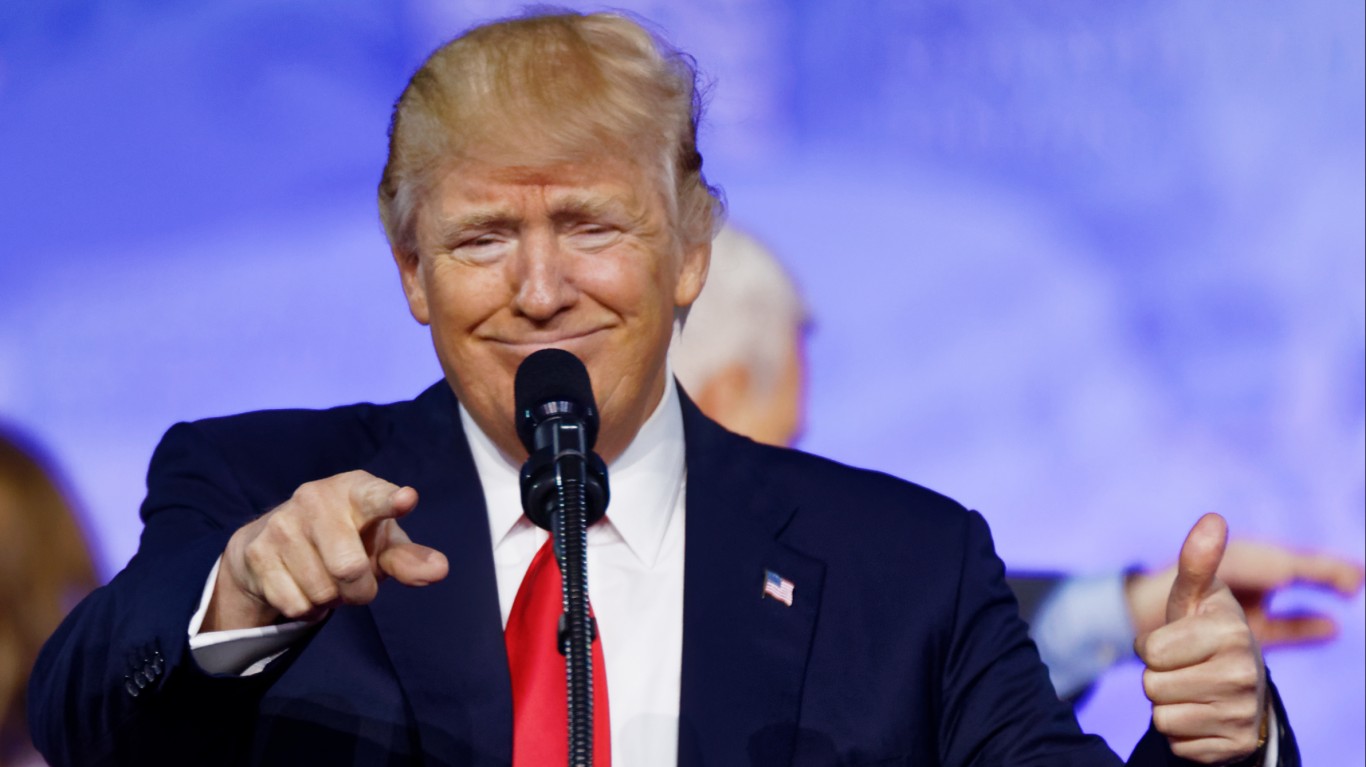
Then, there are tariffs. Trying to find out what they will be is like playing Whac-A-Mole with President Trump. As the legality of tariffs evolves, some major American companies want the money they sacrificed when tariffs were built into their product prices. FedEx NYSE:FDX) has already sued the federal government to recover its tariff money.
Why would the market drop sharply? There are too many negative developments affecting credit, trade, and the future of employment.








 Top Gaining Stocks
 Top Losing Stocks