


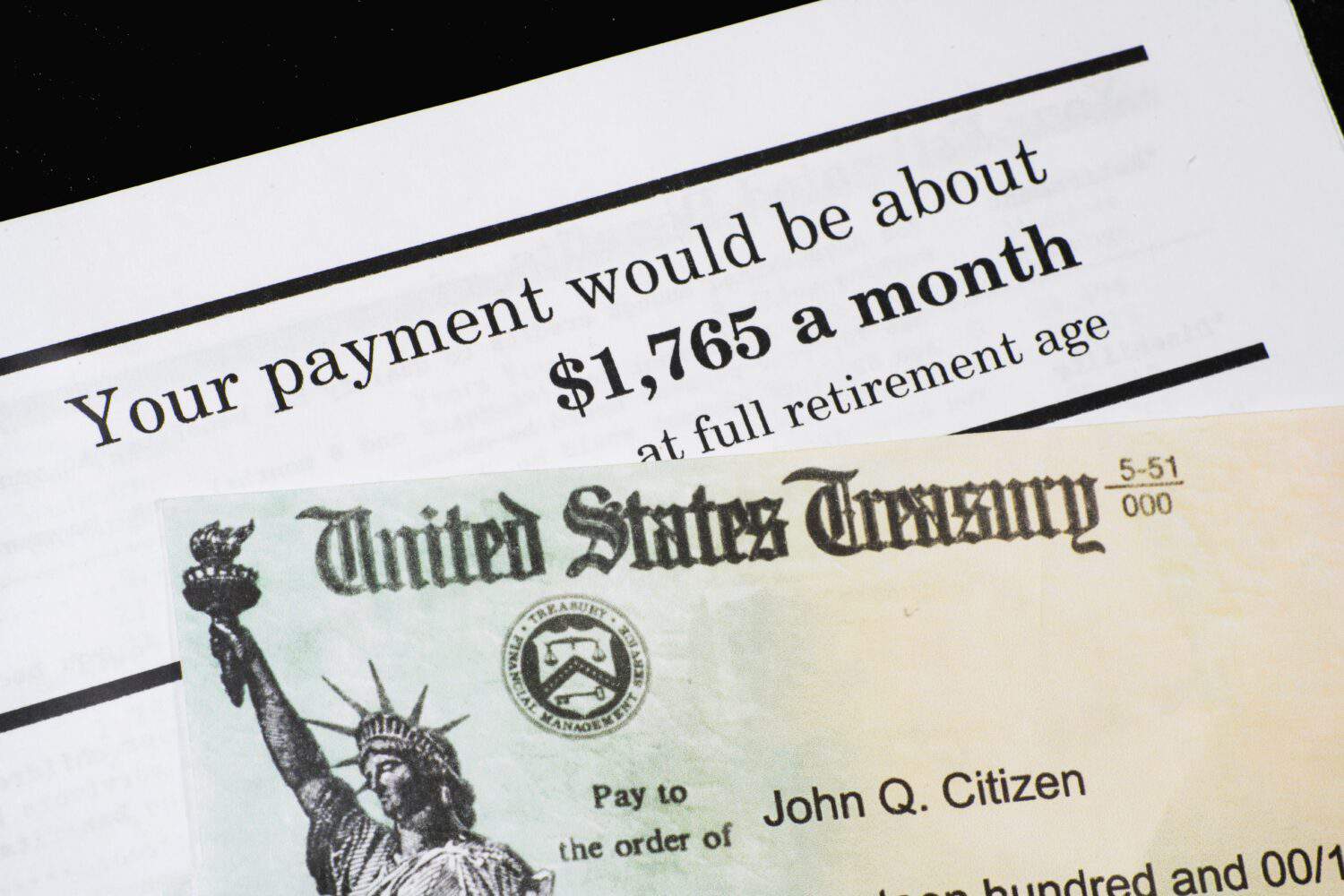
April is famously called the cruelest month, but January can pack some nasty surprises too. Beyond the cold weather in many parts of the country, retirees often see smaller Social Security checks in the first month of the year.
This can be confusing because Social Security cost of living adjustments (COLAs) kick in each January to help with inflation. So if your benefits are getting a hike, shouldn’t your January check be larger than the one you got the month prior?
For 2026, Social Security recipients were awarded a 2.8% COLA, starting in January. “The increase is higher than the 2.5% benefit boost beneficiaries saw in 2025,” CNBC reports. “Yet it is below the 3.1% average COLA beneficiaries have seen over the past decade.”
The problem is that most seniors have their Medicare Part B premiums automatically deducted from their Social Security check. Medicare is the national insurance program for those 65 and up. Those premiums often grow at a faster rate than the COLA, wiping out the jump which is supposed to help with inflation. This year’s premium is increasing 9.7%, from $185 to $202.90 per month. That’s a big jump that eats away at the COLA.
The only upside here is the “hold harmless provision,” which offers some protection for retirees who have their Medicare premiums automatically deducted from their Social Security checks. The provision means you can’t lose more than your COLA to cover the rising premiums. So it prevents your net payment from falling. This provision doesn’t apply to those who pay their Part B premiums directly or to those in higher income brackets.
A Bigger Hit for High-Income Retirees
Social Security recipients with high incomes pay even higher Medicare premiums through income-related monthly adjustment amounts (IRMAA). For most people, this will be deducted from your S.S. check, so January adjustments can be an unwelcome surprise.
Any individual making more than $109,000 annually and couples making more than $218,000 are hit with the higher premiums. Medicare defines this as your modified adjusted gross income as reported on your IRS tax return from two years ago.
Instead of $202.90 per month, you’ll pay anywhere from $284.10 to $689.90 depending on your income. That highest premium applies to individuals with incomes over $500,000 annually ($750,000 for couples filing jointly).
Part D Premiums Can Also Play a Role
Some retirees also have their Medicare Part D premiums deducted from the Social Security benefits. Part D is the insurance that covers prescription medications and vaccines.
The average Part D premium for 2026 is $34.50. Again, IRMAA applies. You could pay an additional $14.50 up to $91 per month, depending on your income bracket.
Income Tax Withholding
Do you have federal income taxes automatically withheld from your S.S. benefits? Did you increase the amount of withholding for 2026? This can be another reason for a smaller January payment.
Remember “you will pay federal income taxes on your benefits if your combined income (50% of your benefit amount plus any other earned income) exceeds $25,000/year filing individually or $32,000/year filing jointly,” according to the SSA. “You may choose to withhold 7%, 10%, 12%, or 22% of your monthly payment.”










 Top Gaining Stocks
 Top Losing Stocks