



Recession risk in the U.S. is climbing on the back of geopolitical conflict, an oil shock, and a constrained Federal Reserve. Oil is above $95 after the Iran conflict disrupted global energy supply, inflation is running hotter than expected, and the Fed just signaled it may only cut rates once this year. The economy hasn’t tipped into a downturn yet, but the conditions that typically precede one are stacking up.
XRP (CRYPTO: XRP) is already down 40% in 2026 without a recession. If one does hit, the XRP price could face more than a simple crypto selloff—ETF flows that are already slowing could reverse entirely, and the Clarity Act that holders are counting on may stall if Congress shifts its focus to economic rescue.
So what would cause the U.S. economy to enter a recession, and what could that do to XRP if it happens?
How Close Is the U.S. to a Recession Right Now?
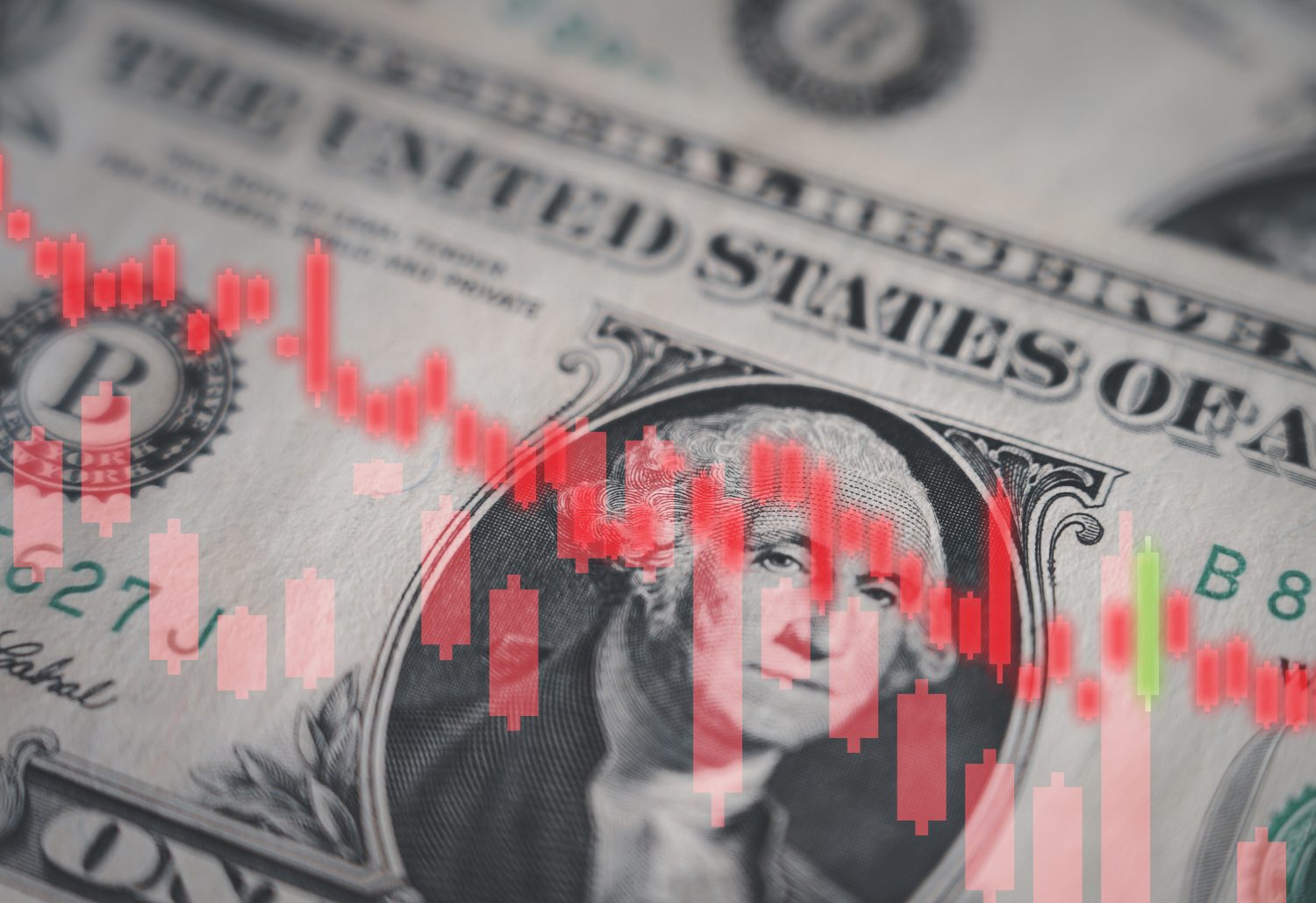
The U.S. isn’t in a recession yet, but the gap between the risk of one happening, and an actual downturn has been closing since February. Goldman Sachs puts the 12-month probability of a recession at 25%, up from 20% before the Iran conflict started. JPMorgan has it at 35%. Prediction markets are in the same range as well—Polymarket predicts roughly 31% and Kalshi says 30%. For context, a healthy economy typically carries about a 15% recession probability, so a one-in-three chance is well outside the comfort zone for any asset class, including XRP.
Most of that shift traces back to oil prices and the Iran conflict. Brent crude went from around $70 before the war to roughly $98 per barrel in March, and if the Strait of Hormuz—the shipping lane that carries about 20% of the world’s oil—stays disrupted for months, crude could push above $110 with inflation spiking near 4.5% by spring. The energy shock happened in one of the worst possible moments as the labor market was already losing steam. The U.S. economy shed 92,000 jobs in February, far worse than the 59,000 gain forecasters expected, and unemployment ticked up to 4.4%.
Inflation is the reason the Fed can’t step in to help. The Fed’s preferred gauge hit 3.1% year-over-year in January 2026 and is expected to hover near 2.9% through December—well above the 2% target. Normally, the Fed would cut rates to cushion a weakening job market, but it can’t do that while prices are still running hot. Rate cuts have been pushed to September at the earliest.
Four of the last five major oil shocks since the 1970s ended in a recession, but the base case from most major forecasters still calls for positive growth in 2026. A downturn is a real possibility, but as things stand it is not yet a probability.
What Happens to the XRP Price If a Recession Hits the U.S.?
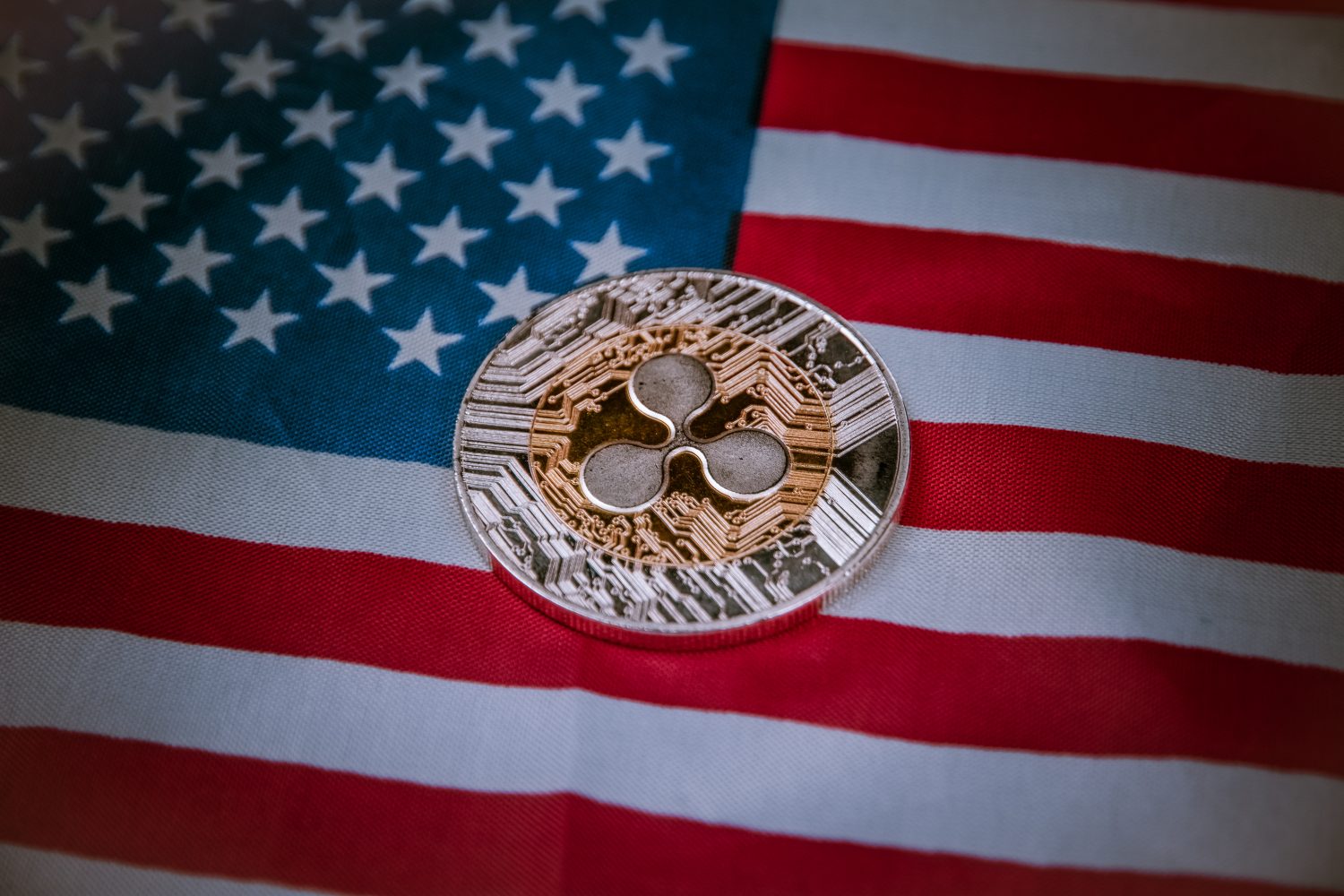
Crypto has never gone through a sustained, multi-quarter recession. The closest test was the COVID crash in March 2020, and even in that two-month window, Bitcoin dropped 50% in days while XRP plunged even more. The XRP price tends to amplify Bitcoin’s moves by roughly 1.8x in both directions, so a prolonged selloff in a real downturn would compress XRP’s value far faster than Bitcoin’s.
XRP is more exposed than Bitcoin in a recession because its value depends on something recessions directly shrink—cross-border payment volumes. XRP’s role as a bridge currency through Ripple’s network means fewer international transactions equals less demand for the token. Ripple’s own stablecoin RLUSD, already at $1.5 billion in market cap, competes for the same corridors without the price volatility that makes banks hesitant to hold XRP.
U.S. spot XRP ETFs have pulled in $1.45 billion since November 2025, but weekly inflows have slowed from over $200 million early on to under $20 million recently. When the macro outlook soured in January, Bitcoin ETFs lost $1.72 billion in a single five-day stretch. With most XRP holders already underwater and whales moving billions to exchanges since the $3.65 peak, a recession would accelerate selling from every side.
A recession also threatens the one legislative catalyst XRP holders are counting on—the Clarity Act. The Senate Banking Committee is targeting a late April markup. If a recession hits, Congress could shift toward stimulus and economic rescue, and crypto legislation won’t move until after the 2026 midterms at the earliest. Without it, XRP loses the regulatory trigger that could unlock the next wave of institutional buying. Combine that with the shrinking ETF flows, weakening use-case demand, and underwater holders selling into any bounce, and the XRP price in a recession could realistically fall to the $0.50 to $0.80 range.
Is XRP Built to Survive a Recession?
XRP has never entered a potential downturn with this much infrastructure behind it—seven live ETFs, a settled lawsuit, a commodity classification, and over 300 banks on Ripple’s network. None of that existed during the COVID crash nor the 2022 bear market. If a recession pushes the XRP price to $0.50 to $0.80 and that infrastructure survives intact, the recovery setup would be unlike anything in the token’s history.
But infrastructure alone doesn’t guarantee recovery. The Clarity Act needs to pass by May or it’s shelved until 2027, and the Fed’s pivot timing will determine how fast liquidity returns to risk assets. Those two catalysts are what would separate a temporary dip from a prolonged downturn for XRP.















 Top Gaining Stocks
 Top Losing Stocks