



For five years, the single biggest question hanging over XRP (CRYPTO: XRP) was whether the SEC considered it a security. On March 17, the SEC put an end to the regulatory scuffle by putting XRP on the same footing as Bitcoin (CRYPTO: BTC) and Ethereum (CRYPTO: ETH: a digital commodity.
The classification officially confirms that XRP is not a security. The SEC and CFTC issued the framework jointly, naming XRP among 16 crypto assets. The label carries real weight for the XRP price as it changes how exchanges list XRP, how institutions are allowed to hold it, and how the SEC reviews the next batch of XRP ETF applications.
The question now is whether this classification can help the XRP price push past $2.00. Let’s break it down.
What the SEC’s New Crypto Taxonomy Says About XRP
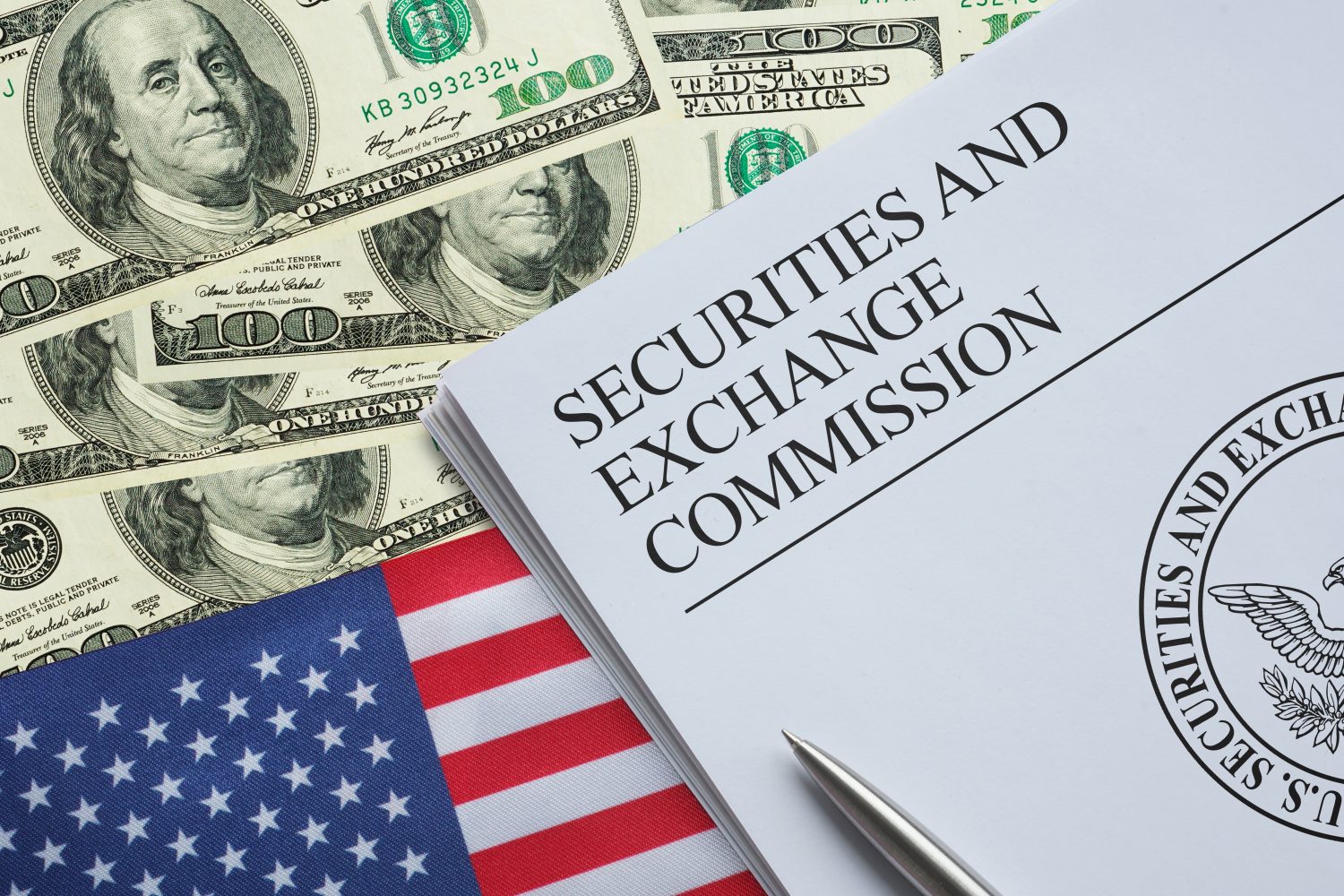
On March 17, the SEC and CFTC released a joint 68-page framework sorting crypto assets into five categories under federal law. SEC Chairman Paul Atkins said the framework ends more than a decade of uncertainty and that “most crypto assets are not themselves securities.”
The five categories are digital commodities, digital collectibles, digital tools, payment stablecoins, and digital securities. Only digital securities stay under the SEC’s jurisdiction. XRP landed in the digital commodity category alongside Bitcoin, Ethereum, Solana, Cardano, Dogecoin, and 11 other assets, making 16 in total.
The SEC defines a digital commodity as a crypto asset whose value comes from the way its network operates and from supply and demand, not from the expectation of profits based on someone else’s management efforts. XRP qualifies because its value is tied to how the XRP Ledger functions as a payment and transfer network, not because Ripple is promising returns to investors. That’s the same argument Ripple made throughout its five-year legal battle with the SEC, and the agency is now formally agreeing with it.
What the Digital Commodity Classification Changes for XRP

When the SEC sued Ripple in December 2020, Coinbase, Kraken, Bitstamp, and several other major exchanges delisted or suspended XRP trading within weeks. Exchanges relisted XRP after Judge Torres’ July 2023 ruling, but the commodity classification goes further—it removes any remaining legal ambiguity around listing XRP in the United States.
Institutional access opens up alongside exchange access. Commodity regulation under the CFTC is far lighter than securities compliance under the SEC. Banks, hedge funds, and asset managers that avoided XRP over the security question can now hold and trade it under the same commodity framework they already use for assets like gold and oil.
The classification also clears the path for more XRP ETFs. spot XRP ETFs are already live with $1.44 billion in cumulative inflows, and the SEC is reviewing the final batch of applications with a maximum deadline of March 27, 2026. The approval path is cleaner because the SEC has already approved Bitcoin and Ethereum spot ETFs under the same commodity framework.
The SEC’s appeal against Ripple, filed on March 11, is still technically active. The commodity classification contradicts the appeal since the SEC is now publicly agreeing XRP is not a security, but the appeal hasn’t been formally dropped. This framework is also an interpretive release, not legislation—the Clarity Act still needs to pass Congress to make the commodity classification permanent under federal law.
What the Classification Means for the XRP Price

XRP spiked to $1.60 on March 17 when the taxonomy was released, marking its highest level since mid-February. The Fed held rates the very next day and raised the inflation forecast to 2.7%. The XRP price fell 5.3% back to $1.46 following the announcement.
When Judge Torres ruled XRP was not a security in July 2023, the token surged 75% within days. This time, the entire crypto market is under pressure from oil above $95. The Fed is also projecting only one rate cut in 2026 and geopolitical uncertainty keeping institutional money cautious. Regulatory clarity removes a barrier to buying XRP, but it doesn’t create the buying itself.
XRP ETFs have pulled in $1.44 billion since launching, but 84% of those flows are retail. Last week, XRP ETFs saw $28 million in net outflows while Bitcoin ETFs pulled in $767 million. This shows that the institutional money that the commodity classification is meant to attract hasn’t arrived yet.
March 27 is the next date to watch. The SEC’s final deadline on the remaining batch of XRP ETF applications falls that day, and approval with the commodity classification behind it could be what brings in institutional money and pushes the XRP price toward $2.00.
Where Does XRP Go From Here?
The question hanging over XRP is no longer whether it’s security as the SEC has answered that. The question now is whether the institutions and capital that were waiting for that answer will actually show up.
The SEC’s final XRP ETF deadline hits March 27. Senator Lummis said the Senate Banking Committee plans to mark up the Clarity Act in the second half of April, and Senator Moreno warned that if it doesn’t pass by May, the bill may not move again in 2026. If both land—the new ETF approvals and the Clarity Act advancing through committee—XRP will have everything it needs on the regulatory side for institutions to get in. How the XRP price responds depends on if institutional money decides to move in or remain on the sidelines.











 Top Gaining Stocks
 Top Losing Stocks