



Oil sitting near $105 a barrel changes the arithmetic of renewable energy in a way that no policy document can. When fossil fuels get expensive, the case for solar, wind, and hydrogen writes itself. That is the environment Fidelity Clean Energy ETF (NYSEARCA:FRNW) was built for, and right now, that environment is very much in place.
What FRNW Is Actually Trying to Do
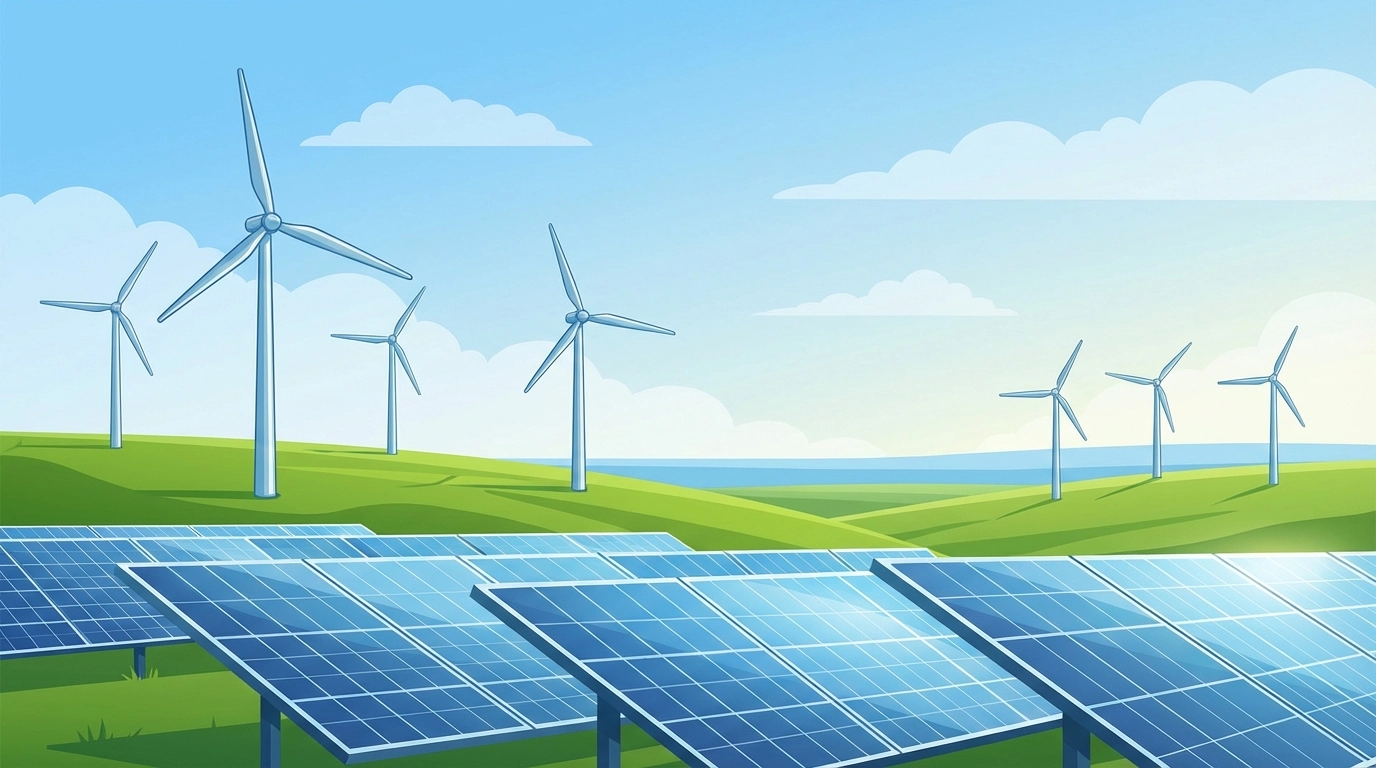
FRNW tracks the Fidelity Clean Energy Index, a global universe of companies across the market capitalization spectrum that distribute, produce, or provide technology or equipment to support the production of energy from solar, wind, hydrogen, and other renewable sources. The fund launched in October 2021 and carries an expense ratio of just 0.4%, which is competitive for a thematic fund with this level of geographic breadth.
The return engine here is straightforward: investors are betting that the global buildout of clean energy infrastructure will drive revenue growth and earnings expansion across the companies making the equipment, building the projects, and operating the assets. Think wind turbine manufacturers like Vestas Wind Systems and Nordex, solar panel producers like First Solar, and grid modernization firms like Itron. The sector breakdown leans heavily toward Industrials at 22.5% and Information Technology at 10.5%, reflecting the equipment and tech-driven nature of the transition.
One underappreciated driver has emerged recently: AI data center construction. The electricity demand from new data centers is so large that it is pulling in clean energy capacity alongside traditional sources, lifting the order books of wind and solar suppliers whether or not climate policy is favorable.
The Performance Case Is Real, But So Is the History
FRNW has delivered a genuinely strong run over the past year. The fund is up roughly 95% over the trailing twelve months, compared to 69% for iShares Global Clean Energy ETF (NYSEARCA:ICLN), the category benchmark. Year-to-date, FRNW is up about 13% versus roughly 9% for its larger peer. That outperformance matters.
But the since-inception picture is sobering. FRNW launched near $24 a share in late 2021. Shares trade near $23 today, meaning the fund has returned roughly -5% since inception. Clean energy stocks spent most of 2022 through mid-2025 under heavy pressure from rising interest rates, a critical vulnerability for capital-intensive infrastructure projects. The 10-year Treasury yield hovering near 4.3% today still represents a meaningful cost-of-capital headwind for project developers inside this fund.
Three Real Tradeoffs Investors Should Understand
- Concentration in a politically sensitive theme. FRNW holds 100% clean energy exposure with no diversification into other sectors. Policy shifts, subsidy changes, or tariff disruptions can move the entire portfolio in the same direction simultaneously. The fund’s small asset base of roughly $63.8 million also means it lacks the liquidity cushion of larger peers.
- Intermittency risk creates structural tension with AI demand. Data centers require uninterrupted, 24/7 baseload power. Solar and wind are intermittent by nature, which limits how much of the AI energy buildout these companies can directly capture without grid storage or backup generation. The data center boom benefits grid storage and backup generation providers more directly than pure solar or wind equipment makers.
- Significant international exposure adds currency and regulatory complexity. European holdings like EDP-Energias de Portugal, Ørsted, and Acciona bring diversification but also exposure to European energy policy, currency fluctuations, and different regulatory frameworks that U.S. retail investors may not track closely.
FRNW fits best as a satellite holding for investors who have a multi-year conviction that the global energy transition will accelerate, not as a core position.








 Top Gaining Stocks
 Top Losing Stocks