


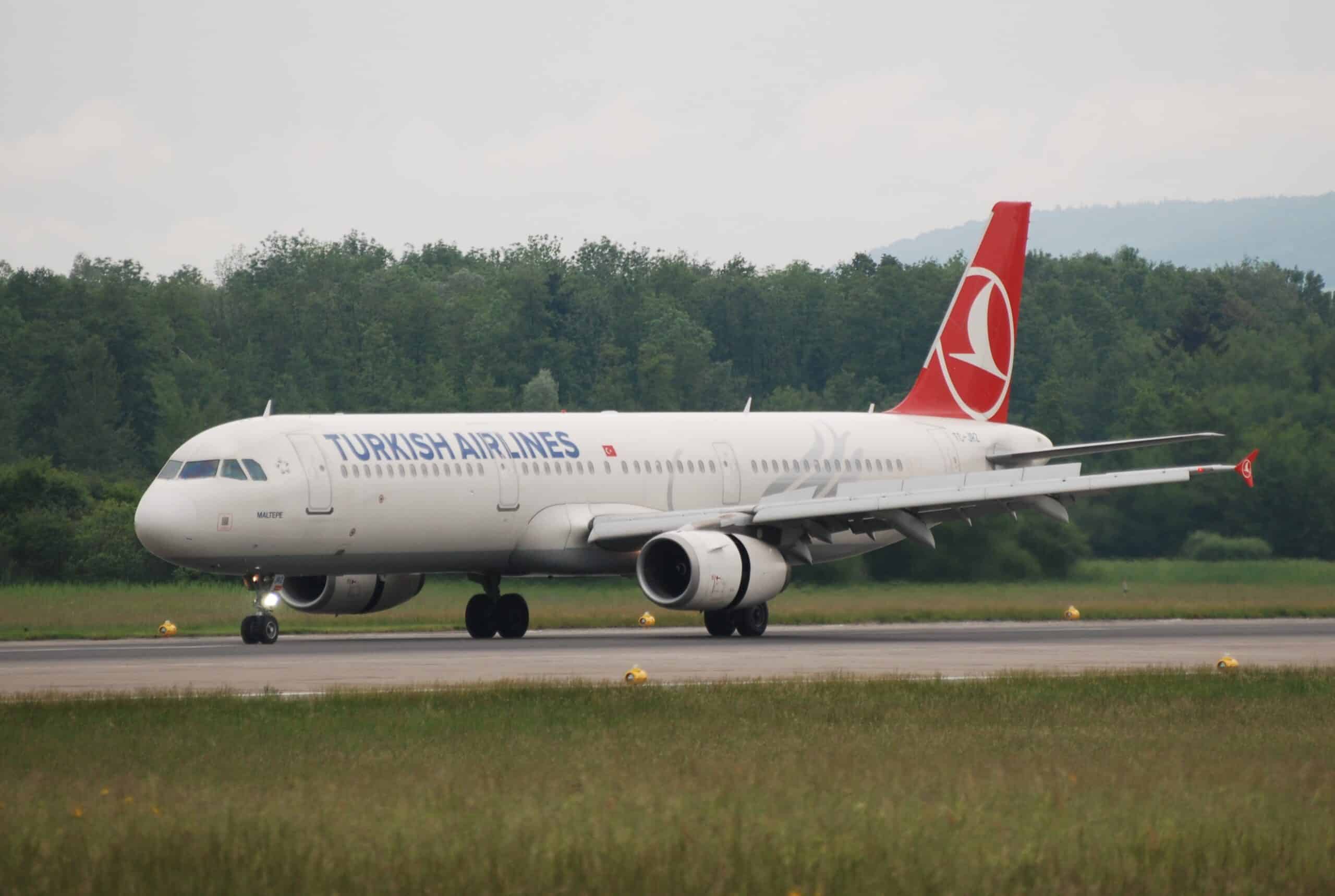
As hard as it may be to fathom, some parts of Asia and Europe are running out of jet fuel. The IEA Executive Director, Fatih Birol, told the AP that this is highly likely. “In Europe, we have maybe six weeks or so (of) jet fuel left,” he said.
Several carriers have already warned about cutbacks. KLM, for example, said higher fuel prices could cripple its bottom line.
The problem is worse in Asia. The South China Morning Post reports, “For many carriers, fuel has jumped from roughly 25 per cent of total operating costs to nearly 45 per cent in a matter of weeks.”
About 14 million people travel by air every day. Will this affect all flights carrying these passengers? The answer is clearly “no.” Could some carriers in Asia and Europe sharply cut their scheduled flights? The answer is “yes.” Some routes could be cut entirely.
Most industry experts say that short-haul flights cost more from a jet fuel standpoint. Takeoff and landing eat more fuel than cruising at a set altitude for hours. Flying at 35,000 feet costs less per mile than flying at lower altitudes.
Long-haul flights make more money based on the number of premium seats and charges for transporting cargo.
One thing that is certain is that if oil supply does not increase quickly, the number of flights in Asia and Europe will drop. Seats will likely cost much more to offset the higher fuel costs and limited seat availability.
A new age of jet travel is on the way








 Top Gaining Stocks
 Top Losing Stocks