



Ripple (CRYPTO: XRP) has opened a new Middle East and Africa regional headquarters in Dubai, with the move set to double the size of its local team. The expansion follows six years of partnerships in both regions, with clients like Zand Bank in the UAE and Absa Bank in South Africa already on the books.
The two regions also happen to be where XRP’s adoption case is strongest. The Middle East is home to two of the world’s biggest remittance senders, while Africa carries the highest cross-border fees globally—both pain points XRP was originally designed to solve. So could the new Dubai headquarters finally turn that fit into real XRP adoption?
Ripple Opens a New Middle East and Africa HQ in Dubai
Ripple has opened a new Middle East and Africa regional headquarters in Dubai, with the new office set to double the size of its local team. The headquarters is based inside the Dubai International Financial Centre (DIFC)—the city’s main hub for regulated financial services—and comes six years after Ripple’s first office opened in 2020, with the region now accounting for roughly 20% of its global customer base.
Across the Middle East, that customer base includes Zand Bank—the UAE’s first digital bank, which uses Ripple’s payment system—alongside Ctrl Alt (a digital asset custody firm) and Garanti BBVA, one of Turkey’s largest banks. South Africa’s Absa Bank is on the list too, plus Chipper Cash, a fintech serving mobile payment users across the continent.
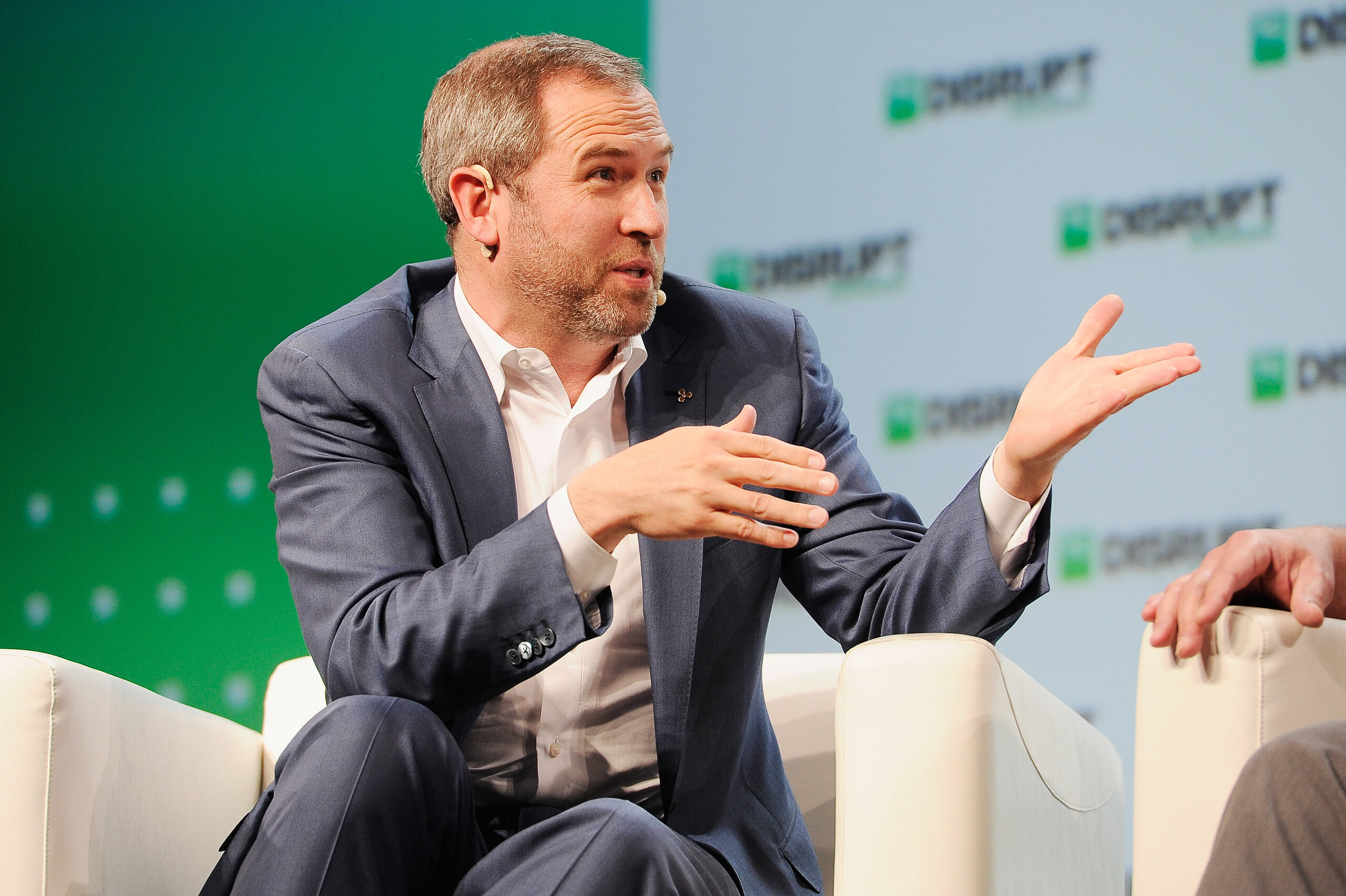
“We have seen first-hand the appetite from local businesses for regulated, blockchain-powered payment infrastructure,” said Reece Merrick, Ripple’s Managing Director for the Middle East and Africa. Ripple wouldn’t double this team without the business to back it up—and that business has been building since 2020.
The 6-Year Build-Up Behind Ripple’s Middle East and Africa Expansion
Ripple opened its first Dubai office in 2020, but most of the progress behind today’s expansion came in the last 14 months across both regions. The Middle East was where it started, with Ripple securing an in-principle approval from the Dubai Financial Services Authority (DFSA) in October 2024 followed by its full license in March 2025—the first blockchain payments company to receive one.
By May, Zand Bank (the UAE’s first digital bank) and fintech Mamo became its first regulated UAE clients. By June, the DFSA also approved RLUSD (Ripple’s dollar-backed stablecoin) as a recognized crypto token under DIFC rules, where over 7,000 firms could then use it for payments and custody.
Meanwhile, Africa was moving on a similar track. Ripple partnered with Chipper Cash in March 2025, then launched RLUSD across the continent that September through VALR (South Africa’s largest crypto exchange) and Yellow Card, which operates in over 20 African countries. Then in October, South Africa’s Absa Bank became Ripple’s first major custody partner on the continent.
Why the Middle East and Africa Could Be a Major Driver of XRP Adoption
Beyond the partnerships and regulatory wins, both regions are dealing with the same payment problems XRP was originally built to solve. The UAE alone sends roughly $43 billion in outbound remittances each year, with Saudi Arabia adding another $36 billion on top. That makes the two countries among the world’s biggest senders of money abroad, with India, Pakistan, and the Philippines as the main destinations.
Africa has a different problem, but it points to the same solution. Sub-Saharan Africa has the highest average cost of sending remittances anywhere in the world at 8.78%. And six of the eight global corridors where fees top 20% of the amount sent originate from the region.
Doubling the team is where this regional fit starts to matter for XRP. More headcount means more partnerships, and more partnerships means more chances of activating XRP-based settlement across these corridors.
Ripple already runs On-Demand Liquidity (ODL), a Ripple product that uses XRP to convert one currency to another during cross-border payments. However, most current deals across the Middle East and Africa settle in fiat or RLUSD, not XRP. But if even one or two corridors here switch to ODL, that’s when XRP demand could finally start showing up in the price.
What This Expansion Means for XRP Holders Right Now
This expansion is a structural setup for XRP adoption over the next 12 to 24 months, so it’s not a short term price catalyst. XRP demand only activates when ODL turns on across these corridors, and that part hasn’t happened yet at scale.
Trident Digital’s $500 million XRP treasury is one trigger worth watching, with phased rollouts targeting African corridors starting mid-2026. The Nasdaq-listed firm says the liquidity is meant to fuel Ripple’s ODL service in the region. So if Trident’s rollout lines up with new ODL announcements from Ripple’s expanded team in the second half of 2026, that’s when this expansion could finally translate into XRP demand.












 Top Gaining Stocks
 Top Losing Stocks