



The Unusual Whales Subversive Democratic Trading ETF (NASDAQ:NANC) exists to solve a peculiar information asymmetry: members of Congress and their families file STOCK Act trade disclosures within 45 days, and historically, those filings have been a footnote read by no one. NANC turns those disclosures into a portfolio, tracking equities bought by Democratic lawmakers and their households. The pitch to investors is simple. If political insiders see something the rest of the market does not, owning what they own should capture some of that edge.
The fund is up 28% over the past year and 14% over the past month, with shares around $47. Year-to-date it is up 2%, lagging its largest holdings as the rebalance cadence trails the rally. Net assets sit at $208.9 million with a 0.74% expense ratio, putting NANC in the actively-managed thematic tier on cost.
The Macro Signal: AI Capex and Mega-Cap Tech Earnings
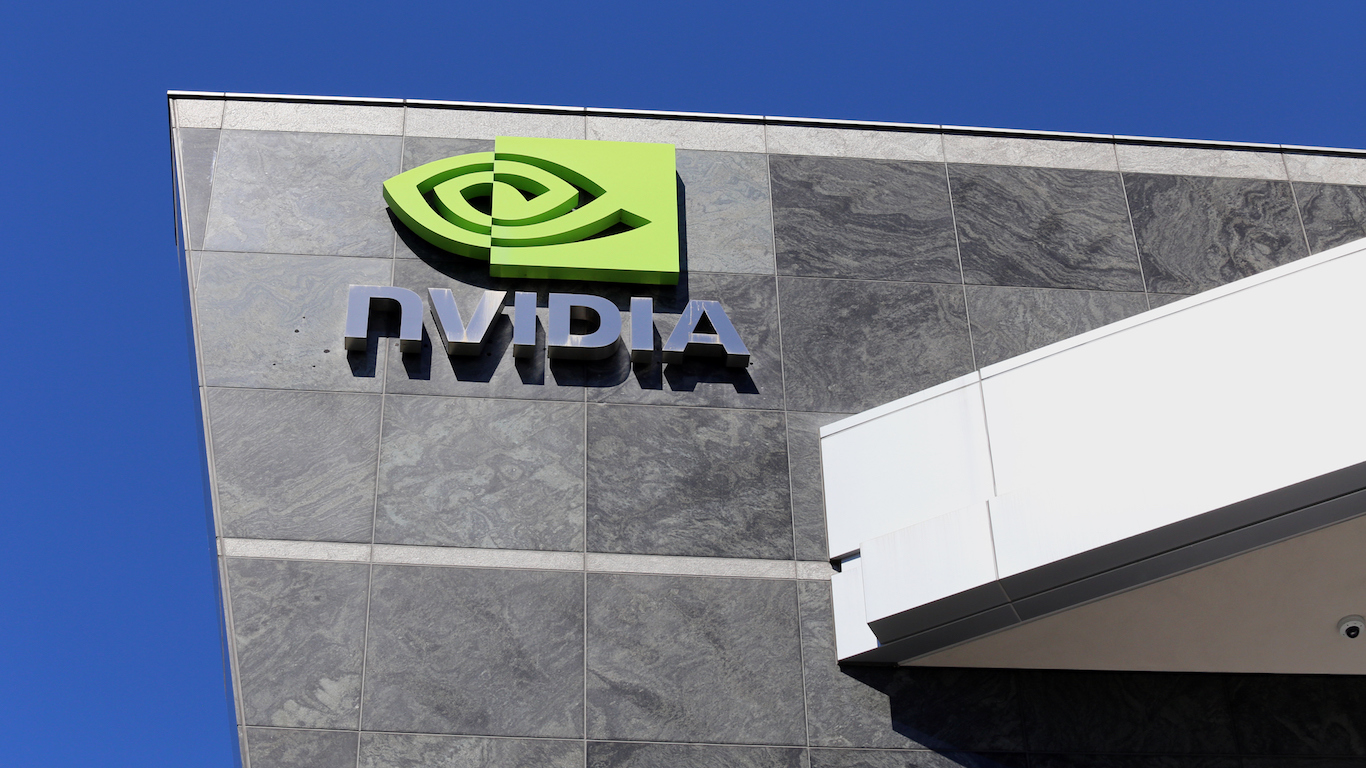
NANC’s top three positions are NVIDIA at 9%, Microsoft at 8%, and Amazon at 5%, totaling about 22% of net assets. Add Alphabet at 4% and you have roughly a quarter of the fund riding the same macro lever: hyperscaler AI infrastructure spending.
The numbers behind that lever are now staggering. NVIDIA (NASDAQ:NVDA | NVDA Price Prediction) reported Q4 FY26 revenue of $68 billion, up 73% year over year, with Data Center Networking growing 263% year over year. Microsoft (NASDAQ:MSFT) just posted Q3 FY26 capex of roughly $31 billion against an AI run rate of $37 billion, up 123% year over year. Amazon (NASDAQ:AMZN) is guiding to roughly $200 billion of capex in 2026. Alphabet (NASDAQ:GOOG) raised its 2026 plan to $175 to $185 billion with Cloud backlog over $460 billion.
What to watch: any hyperscaler trimming forward capex guidance on a quarterly call. The cleanest tripwire is NVIDIA’s data center revenue growth rate. If it decelerates below 40% year over year, NANC’s largest holding loses its multiple support and the discount-rate sensitivity matters more. The 10-year Treasury near 4.4%, with a 12-month range of roughly 4% to 4.6%, is the secondary lens. Bookmark each company’s quarterly 8-K and the FRED DGS10 series. Cadence: quarterly for capex, weekly for the 10-year.
The Micro Mechanic: A Concentrated Portfolio Built From a Lagged Filing Stream
NANC rebalances actively on the basis of disclosures that arrive up to 45 days after the actual trade. By the time NANC buys, the news is stale, and the fund’s tilt is whatever lawmakers were buying weeks earlier. That has produced a portfolio dominated by mega-cap tech because that is what disclosed Democratic trades have favored.
Look at the rest of the top ten: Salesforce (4%), Apple (4%), Philip Morris (4%), Costco (3%), Netflix (3%), and American Express (3%). The book is wide enough to look diversified but narrow enough that an NVDA drawdown moves the fund noticeably. Retail sentiment on r/stocks has been circling this exact concern, with traders openly questioning whether everyone is now overexposed to AI and mega-cap tech.
What to monitor: the monthly fact sheet at subversiveetfs.com and the holdings file. Two things tell you the strategy is working as advertised. First, whether the top-ten weight to mega-cap tech compresses as lawmakers rotate. Second, whether NANC begins picking up names ahead of consensus rather than after. The mechanics matter more than the headline tickers because the lag is the product.
Bottom Line
If hyperscaler capex guidance holds through the next two earnings cycles, NANC’s mega-cap tech weight will continue carrying performance; watch the next monthly holdings update for any rotation out of NVDA, MSFT, AMZN, and GOOG, because that is the first signal the disclosed trades are pointing somewhere new.













 Top Gaining Stocks
 Top Losing Stocks