


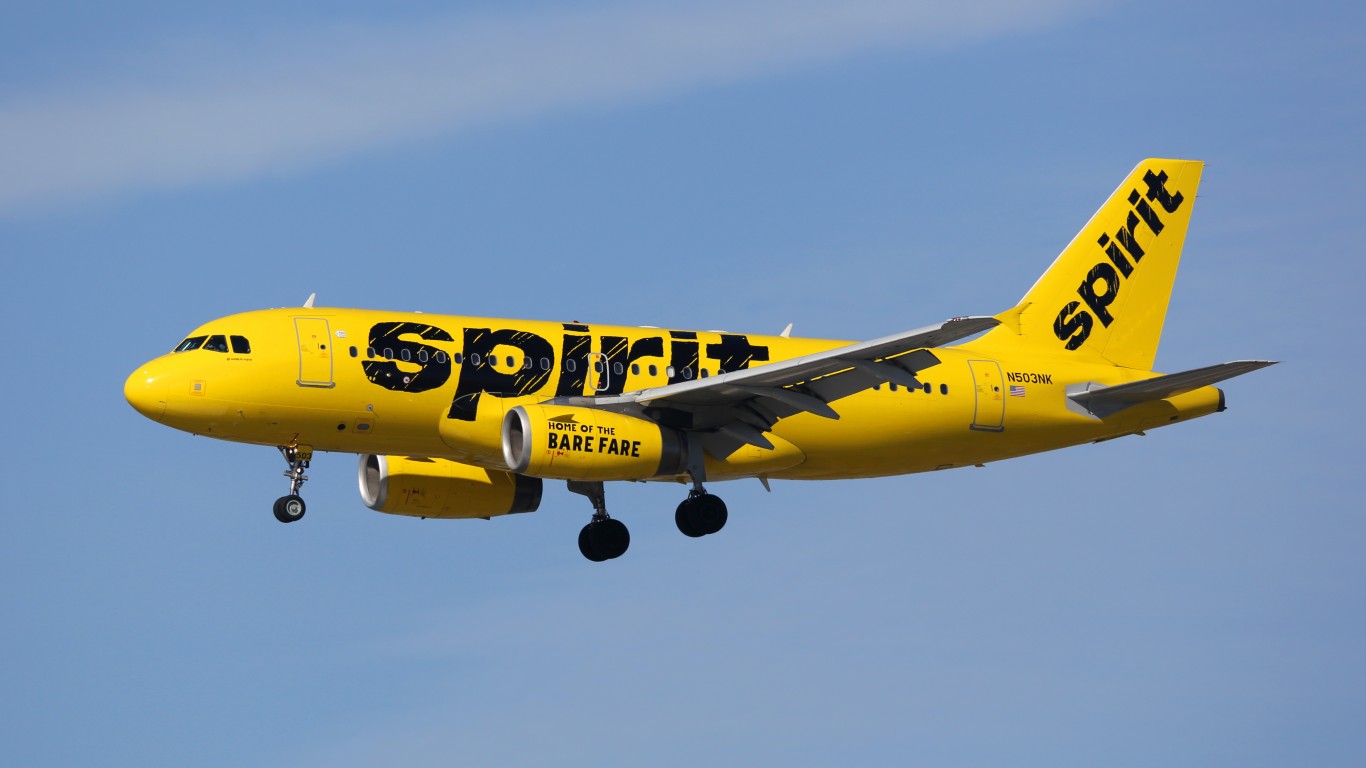
Spirit Airlines is done. The ultra-budget carrier’s final flight, NK1833 from Detroit to Dallas, landed after midnight on Saturday, closing out a brand that defined the floor of U.S. airfare for nearly two decades. The company is winding down operations, and roughly 17,000 direct and indirect employees have lost their jobs in recent weeks.
The hosts of Morning Brew Daily captured Spirit’s cultural footprint about as well as anyone has. One described the airline as “the dive bar of aviation: rowdy, loud, colorful, not at all pleasant, but it was cheap and got you from point A to B without breaking the bank.” The co-host added that “Spirit shutting down is really the end of an era for ultra-discount air travel in the US, and passengers are worse off for it.” Spirit’s bare-fare model (seat, then everything else à la carte) effectively set the ceiling on what other domestic carriers could charge for the cheapest seat in the cabin.
The Financial Spiral
Spirit’s collapse did not come out of nowhere. The carrier had filed for bankruptcy twice in recent years before this final shutdown. The proximate trigger this time was a fuel shock. According to the segment, the war in Iran spiked jet fuel prices, driving an extra $10 to $15 million in weekly fuel expenses onto Spirit’s books, cash the airline simply did not have.
CEO Dave Davis put the cause of death plainly, saying the company was “running out of cash to keep the company operating.” For a carrier already twice through Chapter 11, an unhedged fuel spike of that magnitude was terminal. Readers can follow the formal wind-down through Spirit’s investor relations page.
The Bailout That Wasn’t
The political dimension is worth flagging. President Trump had floated a $500 million emergency bailout, but after pushback from the administration, the decision was made to let Spirit die rather than bail it out. That is a meaningful signal for the rest of the industry. Washington appears unwilling to backstop fragile carriers as it did during the COVID era, and weaker balance sheets across the aviation sector should be priced accordingly.
What It Means for Travelers
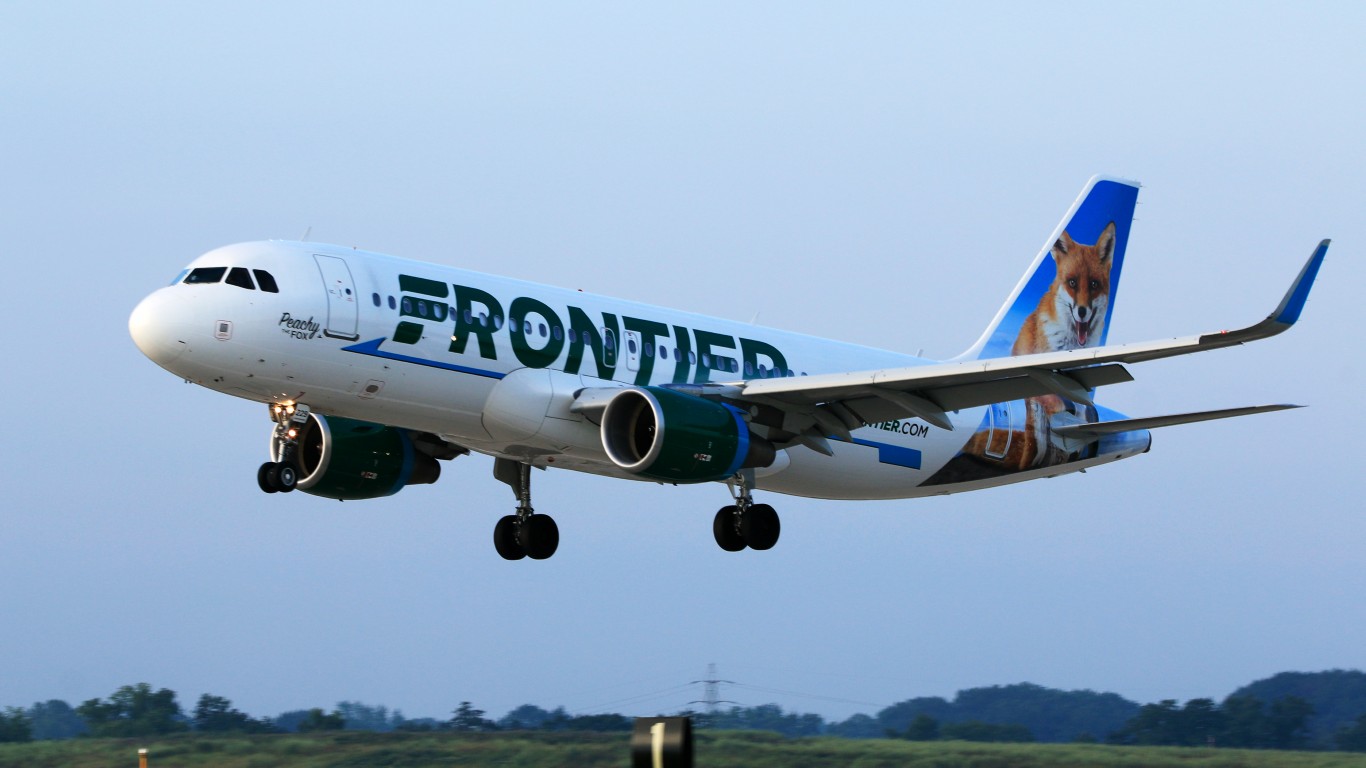
Ultra-budget U.S. air travel just lost its most visible operator. Other low-cost names still fly, but Spirit’s specific niche and the price ceiling it imposed on every legacy carrier flying the same route are gone. For consumers already absorbing higher fuel-driven fares, the practical takeaway is that the cheap seats are about to get more expensive.








 Top Gaining Stocks
 Top Losing Stocks