


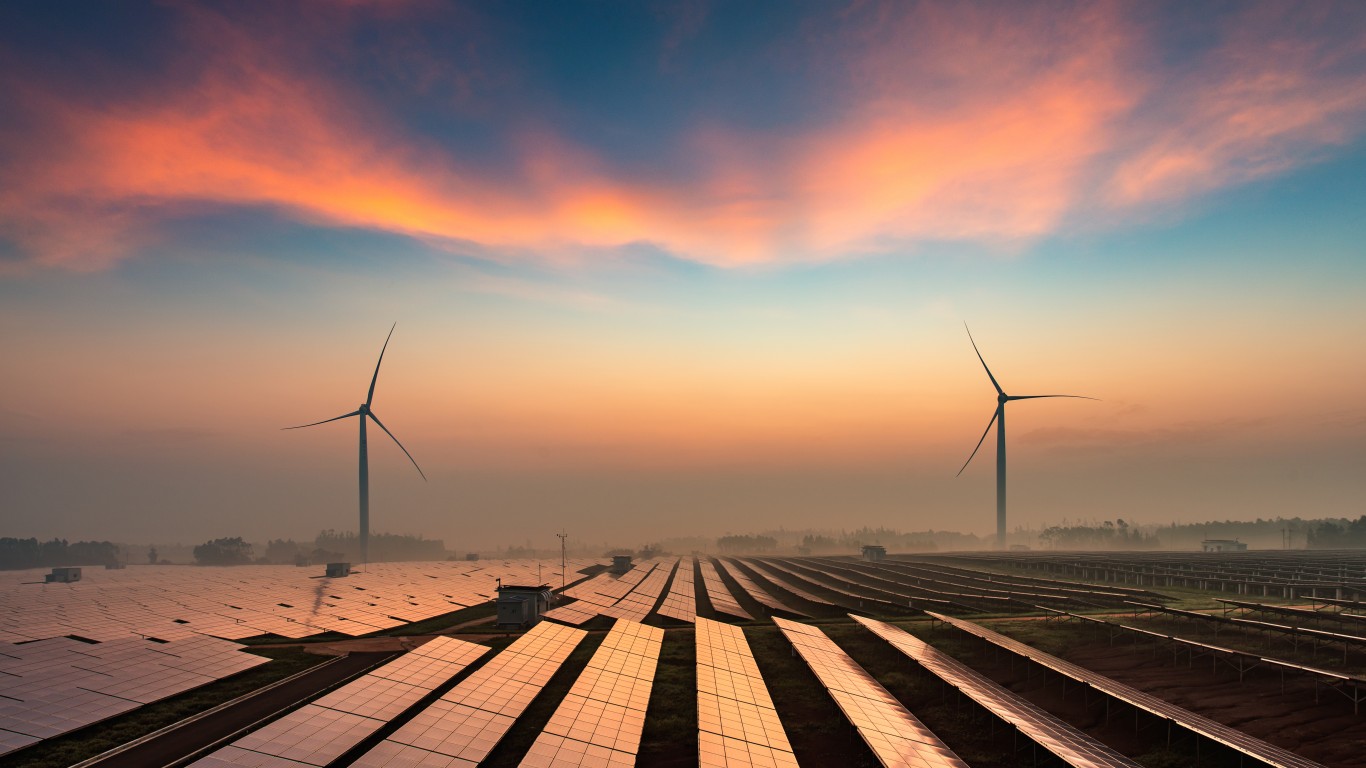
Clean energy funds spent two years absorbing damage from rising rates, expiring incentives, and policy whiplash. The recovery now underway is showing up across the three largest thematic vehicles in the category: the iShares Global Clean Energy ETF (NASDAQ:ICLN), the First Trust NASDAQ Clean Edge Green Energy Index Fund (NASDAQ:QCLN), and the Invesco Solar ETF (NYSEARCA:TAN). Each fund attacks the same theme from a different angle, and the gap between them matters more in 2026 than it did during the last cycle.
The backdrop behind the move is unusual. The Federal Reserve has delivered a cumulative 75‑basis‑point reduction since late 2025, bringing the upper bound of the target range to 3.75%. WTI crude has been hovering in the mid‑90s to low‑100s, placing it near the top of its 12‑month range. At the same time, AI data centers are locking in long‑duration contracts for carbon‑free power at a scale the last renewable cycle never had to absorb. Cheaper capital than a year ago, expensive fossil fuels, and a new structural buyer of clean megawatts form the combination these three ETFs are built to capture.
Why the macro backdrop changed
Clean energy is one of the most rate-sensitive corners of the equity market because projects are long-duration and capital-intensive. The 10-year Treasury yield has fallen from nearly 4.6% last year to a low of around 4% earlier this year, before settling near 4.5%. Lower discount rates lift the present value of every wind farm and solar project on a developer’s drawing board.
The AI demand story is the new variable. Hyperscalers want carbon-free power they can lock in for 15 to 20 years, and nuclear alone cannot fill the order book fast enough. That is pulling solar, wind, storage, and grid equipment into procurement cycles that were not on the table during the 2020 to 2021 rally, when retail flows and policy hopes did most of the lifting.
ICLN: the diversified global core
ICLN tracks the S&P Global Clean Energy Transition Index and is the broadest way to express the theme through a single ticker. The fund holds clean energy utilities, solar and wind manufacturers, hydro and geothermal operators, and biofuel producers across more than 20 countries, including Brazil, Denmark, Germany, China, India, Spain, and the United States. Sector exposure spans industrials, technology, and utilities, giving the portfolio greater cash-flow stability than a pure manufacturer basket.
ICLN also has the lowest fee in the group at 0.39%, and its global reach helps buffer the portfolio against the swings of any single subsidy regime. That breadth hasn’t held it back during the rebound. The fund is up roughly 30% year to date and about 81% over the past 12 months, with shares trading near $ 21.
The tradeoff is a more muted upside when a specific subsegment catches fire. The five‑year return of about 5% shows how tough the 2022 through 2024 stretch was even for a diversified basket, and the fund sits closer to a category benchmark than a tactical bet.
QCLN: the U.S. clean tech tilt
QCLN tracks the NASDAQ Clean Edge Green Energy Index and focuses on U.S.-listed clean technology companies. The portfolio extends well beyond electricity generation: electric-vehicle makers, lithium and battery suppliers, smart-grid hardware, advanced materials, and fuel-cell developers all sit alongside solar and wind names. That mix is the reason QCLN has led the three funds during the rebound, with the index drawing more of its return from earnings cyclicals tied to EV and storage demand than from utility-scale generation.
QCLN’s recent run shows exactly how much torque the fund carries. It’s up about 34% year to date, another 28% over the past month, and roughly 115% over the past 12 months, with the latest close near $60. Anyone leaning into the AI power buildout will notice how much grid equipment, transformer exposure, and battery storage shows up here compared with a broader fund like ICLN.
The flip side is the concentration. Everything lives within a single country, and the portfolio leans heavily on EV‑linked names that can move out of sync with the broader clean energy sector. When U.S. tax policy shifts or a major EV manufacturer experiences turbulence, QCLN tends to react faster and more sharply than a globally diversified peer.
TAN: the concentrated solar bet
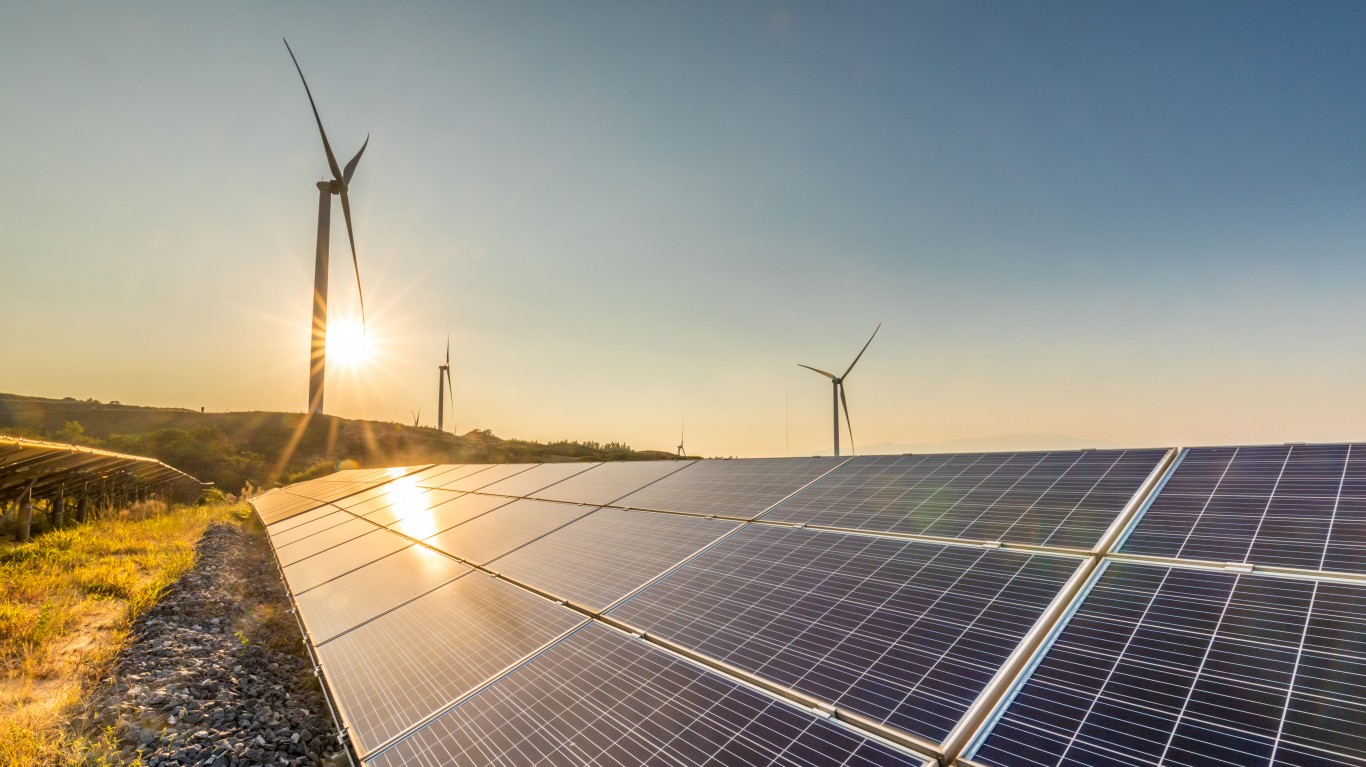
TAN tracks the MAC Global Solar Energy Index and is the narrowest of the three funds. The portfolio is built from module manufacturers, inverter makers, residential and commercial installers, polysilicon producers, and a handful of solar-focused utilities. Geographic exposure is concentrated in the United States and China, the two countries that dominate solar manufacturing and deployment, which means TAN moves on tariff headlines and Chinese policy signals in ways the diversified funds do not.
For investors who believe the data center power story runs through utility-scale solar plus storage, TAN is the most direct expression. The fund is up roughly 22% year to date and about 110% over the past year, but the longer record carries a warning: TAN is still down about 20% over the past five years, a reminder of how violently the solar cycle can compress when financing tightens, or panel prices collapse. Concentration is the defining tradeoff. The top holdings can drive a meaningful share of returns in either direction, and a policy shift in Washington or Beijing can move the entire fund in a single session.
Choosing between the three
The three funds fall naturally along a spectrum of risk and breadth. ICLN sits at the diversified end, giving investors global clean‑energy exposure without forcing a choice among subsegments. Its lower fee and broader country mix make it the most defensible long‑term core position.
QCLN works for investors who want the AI and electrification angle expressed through U.S. clean tech. The heavier EV and battery weightings bring more volatility, but they also give the fund more torque when that part of the cycle leads. TAN is the option for investors with a specific view on solar capex and module pricing. A pure‑play solar fund behaves very differently from a broad basket when the cycle turns, and that concentration is the point rather than a flaw.
All three benefit from the same catalysts: lower rates, expensive oil, and a new class of corporate buyer driving clean‑power demand. The real decision is how much concentration the portfolio is willing to carry to capture them.









 Top Gaining Stocks
 Top Losing Stocks