



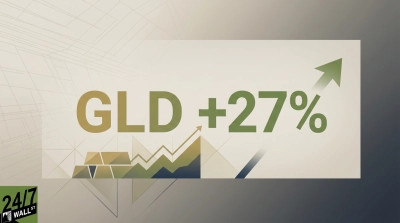
Gold has done what gold does best in tough macro stretches. With CPI running at 3.7% and the 10-year Treasury at 4.36%, investors are once again debating which physically backed gold ETF to own. SPDR Gold Trust (NYSEARCA:GLD | GLD Price Prediction) and iShares Gold Trust (NYSEARCA:IAU) hold essentially the same asset, yet they appeal to different buyers. The latest fund disclosures sharpen that contrast.
Same Bullion, Two Very Different Wrappers
Both trusts exist for one purpose: own physical gold and track the spot price. IAU’s prospectus describes the trust as seeking to reflect the performance of the price of gold, before expenses and liabilities, and GLD’s mandate is functionally identical. IAU’s holdings are reported as 100.02% gold bullion, with the small overshoot reflecting cash and accruals. GLD is structured the same way.
The meaningful gap is cost. GLD carries a 0.40% expense ratio, while IAU charges 0.25%. On a multi-year hold, that fee differential compounds against returns, which is the single biggest reason long-term allocators tilt toward IAU.
| Metric | GLD | IAU |
|---|---|---|
| Expense Ratio | 0.40% | 0.25% |
| Share Price (5/7/26) | $431.68 | $88.46 |
| 1-Year Return | 38.92% | 39.07% |
| 5-Year Return | 151.59% | 153.47% |
| Trust Size | Reported net assets per fact sheet, 3/5/26 | $68.4B |
Where the Past Year’s Returns Tell the Story
Performance over the past year shows IAU edging GLD by a sliver. IAU returned 39.07% over the trailing 12 months, while GLD posted 38.92%. That spread is roughly the fee gap, which is exactly what theory predicts when both funds hold pure bullion. Stretch the lens to ten years and the divergence widens: IAU is up 263.43% versus GLD’s 257.81%. Compounding fees matter.
GLD wins on liquidity. Its larger creation units, deep options market, and tighter institutional bid/ask make it the preferred vehicle for traders, hedgers, and anyone routing size. IAU, launched January 21, 2005, has built its base on retail and advisor flows that prize a lower carry.
What I’m Watching Into 2026
Gold’s setup still looks supportive. Real yields have softened from the February peak, with the 10-year retreating from 4.45% on May 4 to 4.36% on May 6, and inflation remains stuck above target. GLD is up 8.93% year to date. The next test is whether bullion can grind higher if the Fed signals patience.
How the Two Funds Fit Different Investor Profiles
For a buy-and-hold gold sleeve, the case for IAU rests on cost. The 15 basis point fee edge is small per year and compounds over a decade, while the bullion exposure is identical. For investors trading options, running tactical hedges, or moving blocks of capital, GLD’s depth still justifies its higher fee. For long-horizon allocators, the trailing return data favors the lower-cost wrapper.















 Top Gaining Stocks
 Top Losing Stocks