American Executives Move Manufacturing Out of China

Photo of Douglas A. McIntyre
By Douglas A. McIntyre Updated Published
This post may contain links from our sponsors and affiliates, and Flywheel Publishing may receive compensation for actions taken through them.

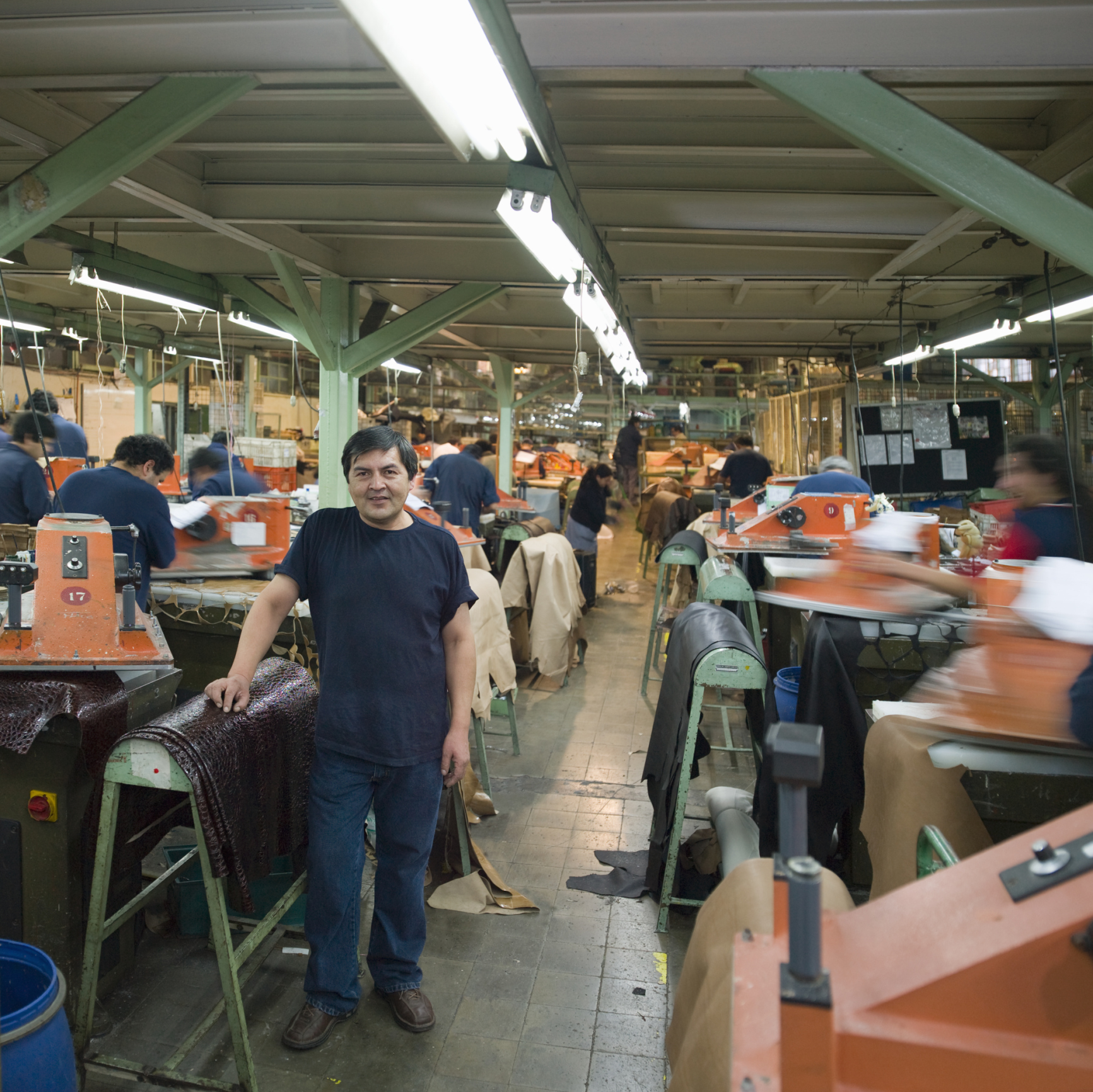
In a reversal of decades of American companies moving manufacturing from the United States to China — presumably to save money — executives of large firms have changed their minds about the process. More goods, it appears, will be “made in America.”

Researchers at the Boston Consulting Group (BCG) reported:

The firm’s third annual survey of senior manufacturing executives at companies with sales of $1 billion or more found that the number of respondents who said that their companies are already bringing production back from China to the United States had risen 20 percent — from roughly 13 percent to 16 percent — in the past year. The number who said that they would consider returning production in the near future climbed 24 percent — from about 17 percent to 20 percent. And a majority (54 percent) expressed interest in reshoring, validating last year’s result (also 54 percent).

Some experts have said that manufacturing has started to move from China to Mexico to take advantage of lower-cost labor. Even that process has started to change. BCG’s survey showed:

Another noteworthy finding this year: respondents indicated that the U.S. had surpassed Mexico as the most likely destination for new manufacturing capacity to serve the U.S. market. While the percentage of executives who chose the U.S. rose from 26 percent to 27 percent, the percentage who chose Mexico slipped from 26 percent to 24 percent.

ALSO READ: 10 States Where Manufacturing Still Matters

The information flies in the face of theories that the American manufacturing sector would continue to whither. Not so, BCG reports:

In addition, respondents predicted that the U.S. would account for an average of 47 percent of their total production in five years, reflecting a 7 percent increase in U.S. capacity compared with last year’s results. Only 11 percent of their capacity would be in China, a 21 percent decrease from last year. Respondents forecast that the share of production in Mexico, Western Europe, and the rest of Asia would also drop.

The widespread opinion that U.S. and state tax rates, expensive labor and an old manufacturing infrastructure would continue to erode the American manufacturing sector apparently are not universally true.


Photo of Douglas A. McIntyre
About the Author Douglas A. McIntyre →

Douglas A. McIntyre is the co-founder, chief executive officer and editor in chief of 24/7 Wall St. and 24/7 Tempo. He has held these jobs since 2006.

McIntyre has written thousands of articles for 24/7 Wall St. He is an expert on corporate finance, the automotive industry, media companies and international finance. He has edited articles on national demographics, sports, personal income and travel.

His work has been quoted or mentioned in The New York Times, The Wall Street Journal, Los Angeles Times, The Washington Post, NBC News, Time, The New Yorker, HuffPost USA Today, Business Insider, Yahoo, AOL, MarketWatch, The Atlantic, Bloomberg, New York Post, Chicago Tribune, Forbes, The Guardian and many other major publications. McIntyre has been a guest on CNBC, the BBC and television and radio stations across the country.

A magna cum laude graduate of Harvard College, McIntyre also was president of The Harvard Advocate. Founded in 1866, the Advocate is the oldest college publication in the United States.

TheStreet.com, Comps.com and Edgar Online are some of the public companies for which McIntyre served on the board of directors. He was a Vicinity Corporation board member when the company was sold to Microsoft in 2002. He served on the audit committees of some of these companies.

McIntyre has been the CEO of FutureSource, a provider of trading terminals and news to commodities and futures traders. He was president of Switchboard, the online phone directory company. He served as chairman and CEO of On2 Technologies, the video compression company that provided video compression software for Adobe’s Flash. Google bought On2 in 2009.

Featured Reads

Our top personal finance-related articles today. Your wallet will thank you later.

Continue Reading

Top Gaining Stocks

CBOE Vol: 1,568,143
PSKY Vol: 12,285,993
STX Vol: 7,378,346
ORCL Vol: 26,317,675
DDOG Vol: 6,247,779

Top Losing Stocks

LKQ
LKQ Vol: 4,367,433
CLX Vol: 13,260,523
SYK Vol: 4,519,455
MHK Vol: 1,859,865
AMGN Vol: 3,818,618