


 The national election boosted the traffic of all the major online news sites to extraordinary levels. They may not reach these levels again until the 2016 election. As the most recent election has passed, each site now is left to figure out how it can handle what certainly have been sharp drops in traffic, and consequently advertising revenue. This challenge happens at the same time that the amount of money most websites get for a page of display advertising already has fallen for a year or more.
The sites that face these hurdles include CNN.com, part of the Turner division of Time Warner Inc.(NYSE: TWX); CBS News, the online version of the CBS Corp. (NYSE: CBS) network’s decades-old and storied news division; and newcomers such as Politico and The Daily Beast. Because of their own substantial commitments to election coverage, the online versions of the flagship papers of The New York Times Co. (NYSE: NYT) and The Washington Post Co. (NYSE: WPO) belong as part of any analysis of post-election challenges as well.
An analysis of the traffic of several of these sites shows precisely what the problem is. National online audience management firm Compete reported that the unique visitors to The Daily Beast in October were 3.6 million. In the prior 11 months, the average number per month was just above 2.5 million. The October surge of 45% almost certainly will disappear in December and into 2013. Unique visitors to CBSNews.com reached nearly 10 million in October. The average for the previous 11 months was about 7.2 million. Unique visitors to NYTimes.com reached nearly 17.6 million in October, up from an average of about 16 million a month in the previous 11. The Times improvement no doubt was muted by its position as a general newspaper that covers a broad array of subjects, but it still had an improvement of 10% in the month before the election. The Washington Post had more exposure, as its unique visitors reached 11.1 million in October, above an average of 9 million in the previous 11 months.
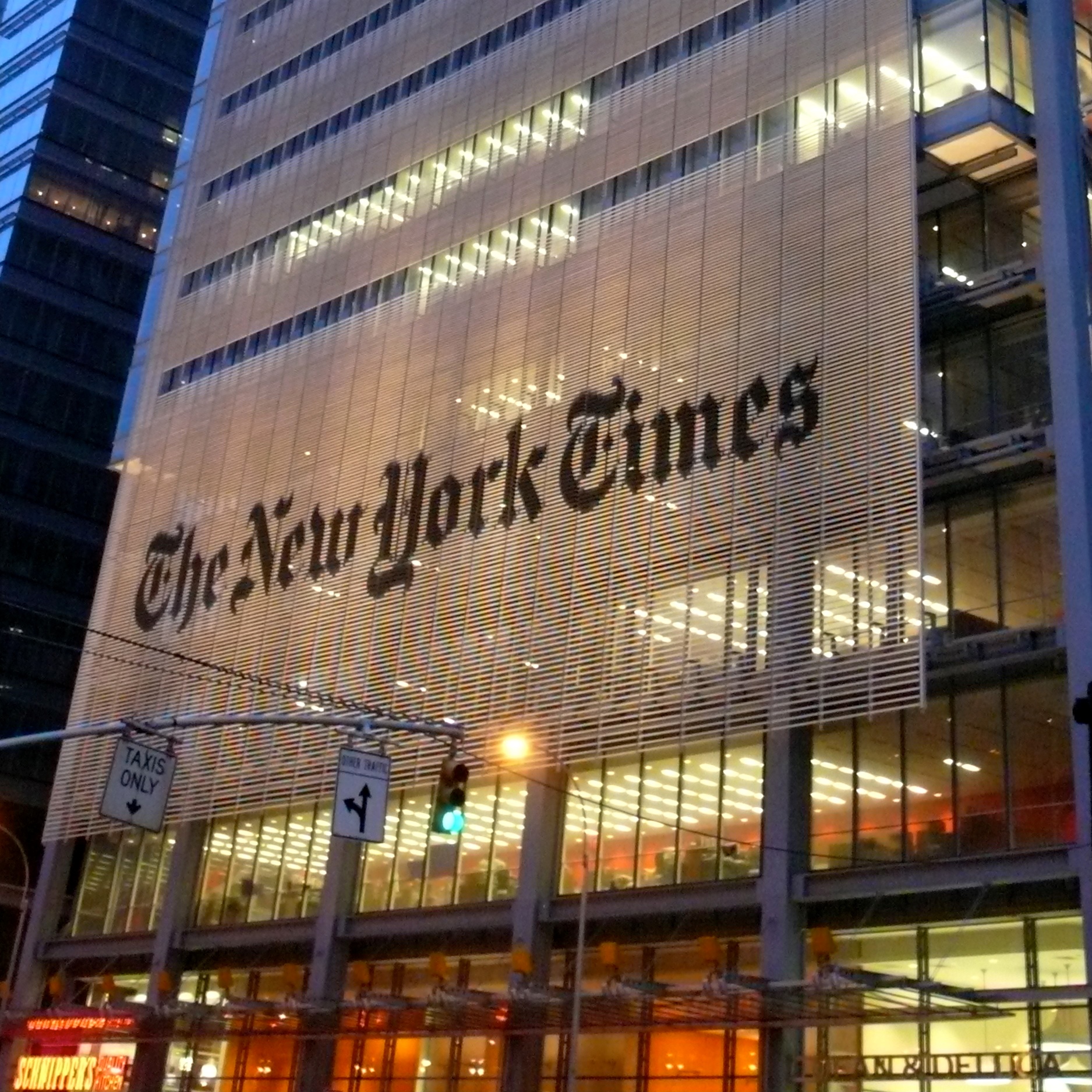
New media like The Daily Beast that only operate online lack print subscription and advertising buffers, although that may be an advantage. Internet advertising revenue represents a relatively small portion of total sales at print newspaper and television companies, which still have old media ad and subscription revenue as the majority of their sales. And digital revenue may not make up for print problems over time, as publishers and broadcasters hoped it would. The digital advertising revenue from The New York Times newspaper properties was $44.6 million in the most recently reported quarter, a drop of 2.2% from the same period a year ago, a trend that by itself is troubling. The company said “Digital advertising revenues as a percentage of total Company advertising revenues were 24.4 percent in the third quarter of 2012 compared with 22.8 percent in the third quarter of 2011.” The Washington Post results were not much different. Revenue from the company’s online newspaper publishing activities, which is made up mostly from sales from WashingtonPost.com and Slate, rose 13% to $26.9 million last quarter from the same period a year ago. Old media companies that covered the election in depth will lose print and broadcast revenue along with online dollars.
All of these media, whether new or old media, have no way to replace election-based dollars, nor the audience that the election brought them. That leaves little prospect other than to lose money in the months ahead or to cut costs. Cost cutting is already popular among media companies battered by the recession, and now the passing of the election. While the sales from the election for these companies were a blessing, the post-election world will be hell.
Douglas A. McIntyre







 Top Gaining Stocks
 Top Losing Stocks