


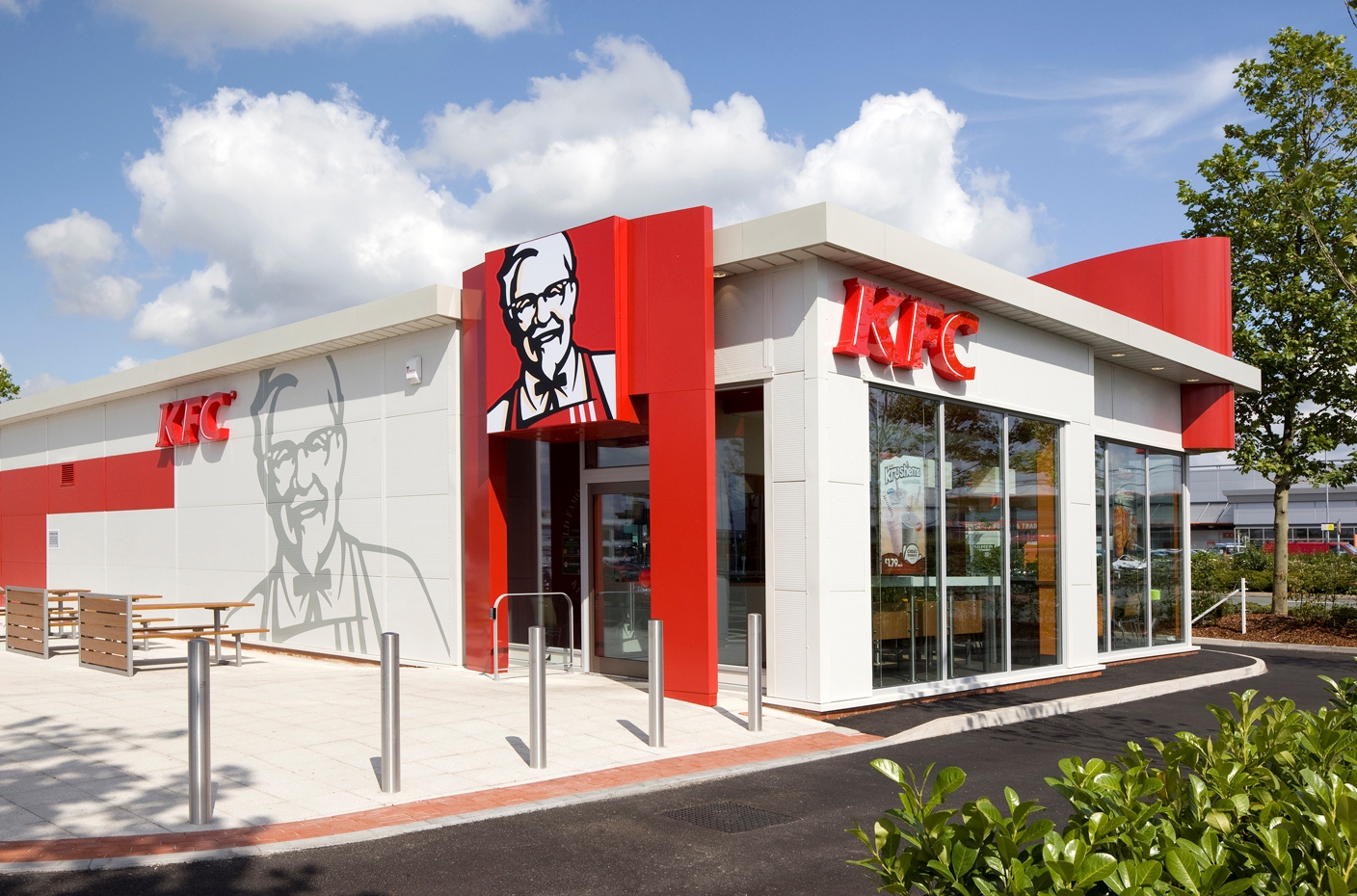
Yum! Brands was the “Proud Presenting Sponsor” of the Derby this year. As far as anyone can tell, this happened because the company is headquartered in Louisville, near Churchill Downs, the track where the Kentucky Derby is run.
Yum! Brands has three divisions that in turn sell chicken, pizza and tacos (KFC, Taco Bell, and Pizza Hut). Since most of the company’s Kentucky Derby sponsorship advertising had nothing to do with why people should eat at its fast-food restaurants instead of McDonald’s Corp. (NYSE: MCD) or Subway, investors might fairly ask why Yum! Brands spent the money at all. As a matter of fact, the most memorable commercial was the one in which CEO David C. Novak leered into the camera and talked about how fantastic the Kentucky Derby was.
Novak actually discussed the reason for its sponsorship long before the event itself. The commercials were an ideal way to flog Yum! Brands stock. CNBC, with its 24-hours a day financial content, must not have been an adequate medium. His comments for Yum! Brands sponsorship rationale:
Individual investors tend to buy shares of companies whose products they loyally consume. Yet while we have over 90% awareness of the KFC, Pizza Hut and Taco Bell restaurant brands, many investors do not know Yum! Brands, the company that owns them. We are using a focused marketing approach to create maximum awareness of YUM Brands among millions of potential individual investors in a fun and unique way. When people tune in to the Derby, they’ll begin to associate Yum! with our global restaurant portfolio.
Potential investors can gamble on the stock, which is nearly as much fun as betting on the horses.
Yum! Brands could hardly have chosen a worse time to bring investor attention to itself. Yum! Brands’ prized operations in the People’s Republic have been battered since the end of last year when the Chinese government started an investigation into the quality of the chicken served at its KFC stores. Shares are down from $74 in late December to below $69 recently. Summing up the problem, CNN Money (another medium where Yum! Brands could reach investors better than on the NBC broadcast of the Kentucky Derby) recently reported:
Customers began deserting the restaurants in droves late last year after an investigation by Chinese food regulators found excessive levels of antibiotics and hormones in some chicken products sold at KFC locations. The contaminated chicken was traced to two KFC poultry suppliers, sparking calls for a boycott among Chinese consumers.
Yum! Brands disclosed this information to its current investors when it announced the financial results of it most recent quarter. However, the “potential individual investors” it hoped to reach via the Kentucky Derby television program were not made privy to the problem, at least not in any of the ads. In his comment to shareholders a little over a week ago, CEO Novak said:
The negative media surrounding poultry supply in China has subsided. We have taken steps to enhance our industry-leading supply chain practices, and we’re now in the midst of an aggressive quality assurance marketing campaign. However, our sales recovery has been adversely affected by the recent news of Avian flu. This news surfaced during the first week of April and continues to negatively impact same-store sales. We continue to remind consumers that properly cooked chicken is perfectly safe to eat. Historically, the sales impact of Avian flu publicity has initially been dramatic at KFC but relatively short-lived. We will stay the course with our plans to develop at least 700 new units in China this year to lay the foundation for future growth. We have complete confidence in a full sales recovery.
Yum! Brands could have supplemented its “quality assurance marketing campaign” with the money it spent on the Kentucky Derby. But a larger investment in reversing the perception of the firm’s KFC unit in China would not have gotten management and the board of Yum! Brands a day to remember at Churchill Downs. This was not an event to which shareholders were invited, even if they did pay the bill.



 Top Gaining Stocks
 Top Losing Stocks