


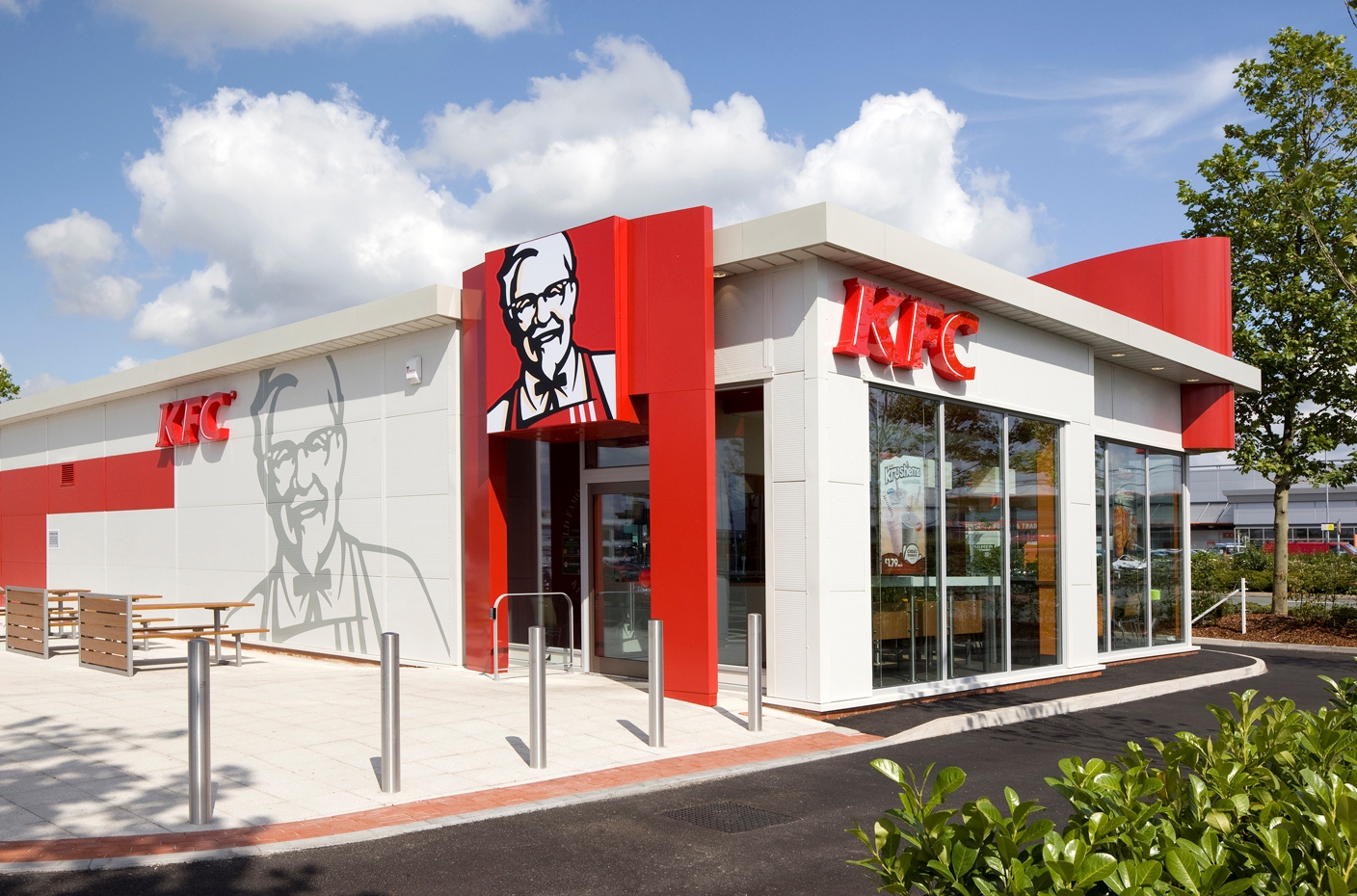
China is Yum! Brands’ most important market. The company recently announced in a filing with the SEC that:
KFC sales were negatively impacted by the residual effects of adverse publicity surrounding the December poultry supply incident.
December is a long time ago. Yum! Brands was accused of selling chicken that contained chemicals that violated local law. Almost forgotten is the fact that the government said KFC had not violated any rules. Yum! Brands said it was sorry. That did not keep it from being vilified in the Chinese press.
Another problem Yum! Brands faces in China has to do with fear over bird flu. There is no evidence that any KFC food came from chickens with the disease. As a matter of fact, there is no evidence that any chicken sold by any food chain, either Chinese or foreign, has a deadly chicken problem. That fact has not helped KFC get back many customers who have deserted it.
The effects of the modest problems at KFC and an avalanche of rumors have hurt sales badly. The company’s SEC filing said:
Yum! Brands, Inc. July same-store sales declined an estimated 13% for the China Division. This included an estimated decline of 16% at KFC and 3% growth at Pizza Hut Casual Dining.
It is hard to imagine that KFC’s problems would cause this kind of reaction in the United States, Europe or Japan. The trouble, which was never severe, would make the front pages in, say, America. At some point, probably quickly, the press would acknowledge that the issue was overblown. KFC may have produced a bad batch of food. It would say “sorry” and sales at its restaurants would not drop off for any extended time.
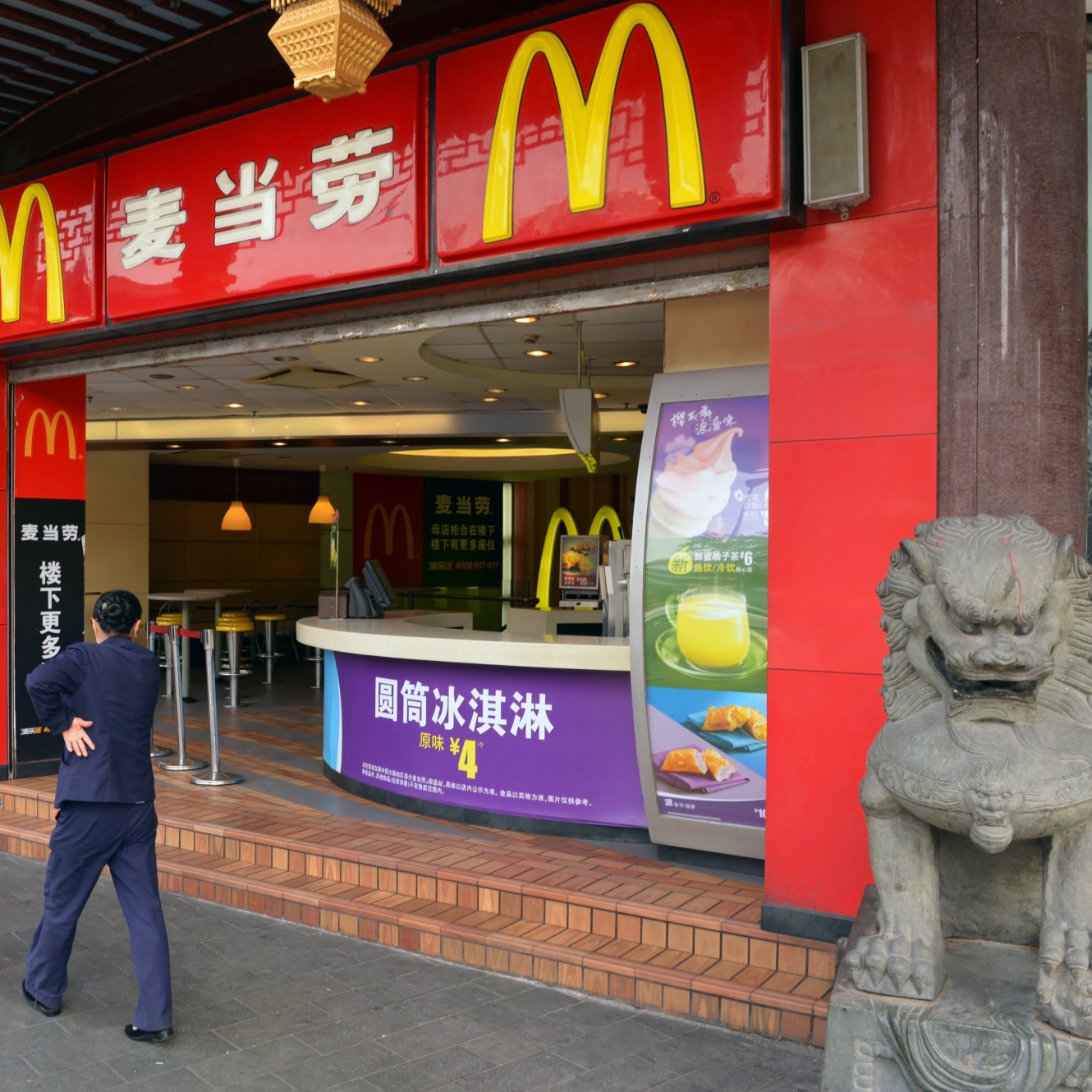
Fast-food companies have faced awful publicity in the United States. McDonald’s Corp. (NYSE: MCD) sells coffee so hot it can scald people’s skins, one lawsuit supposedly claimed. McDonald’s does not pay people enough, according to higher pay advocates who recently have taken to the streets. McDonald’s made the mistake of issuing a budget that suggests how its lowest paid people can live on what the fast-food company pays them. And McDonald’s high-calorie, fatty food kills tens of thousands of Americans a year.
Problems that American companies have in China often are magnified by local authorities and the local press. Ask Wal-Mart Stores Inc. (NYSE: WMT) about its union workers and the relationship of the unions with the government, or General Motors Co. (NYSE: GM) about pressure from the Chinese government to share the details of how it designs electric cars.
The field is not level in China for U.S. companies. Yum! Brands continues to pay the price for that now, but it is hardly alone.






 Top Gaining Stocks
 Top Losing Stocks