



Fewer and fewer advertisers are invested in the human drama of athletic competition at the Olympic Games, a trend likely to continue as companies seek more relevant athletic endeavors with less scandalous baggage.
McDonald’s Corp. (NYSE: MCD) became the latest company to abandon the quadrennial athletic event last week. The Oak Brook, Illinois-based fast-food goliath has been a U.S. Olympic Committee sponsor since 1976 and a top partner with the International Olympic Committee (IOC) since 1996.
McDonald’s provided little insight as to why it was parting ways with the IOC in its statement announcing its decision. “As part of our global growth plan, we are reconsidering all aspects of our business and have made this decision in cooperation with the IOC to focus on different priorities,” McDonald’s Global Chief Marketing Officer Silvia Lagnado said.
McDonald’s decision follows high-profile departures from the Olympics by sponsors. Earlier this year, Budweiser ended its sponsorship of the U.S. Olympic Team after 32 years. Other brands not reupping their sponsorships are Citigroup, Hilton, TD Ameritrade and AT&T.
[nativounit]
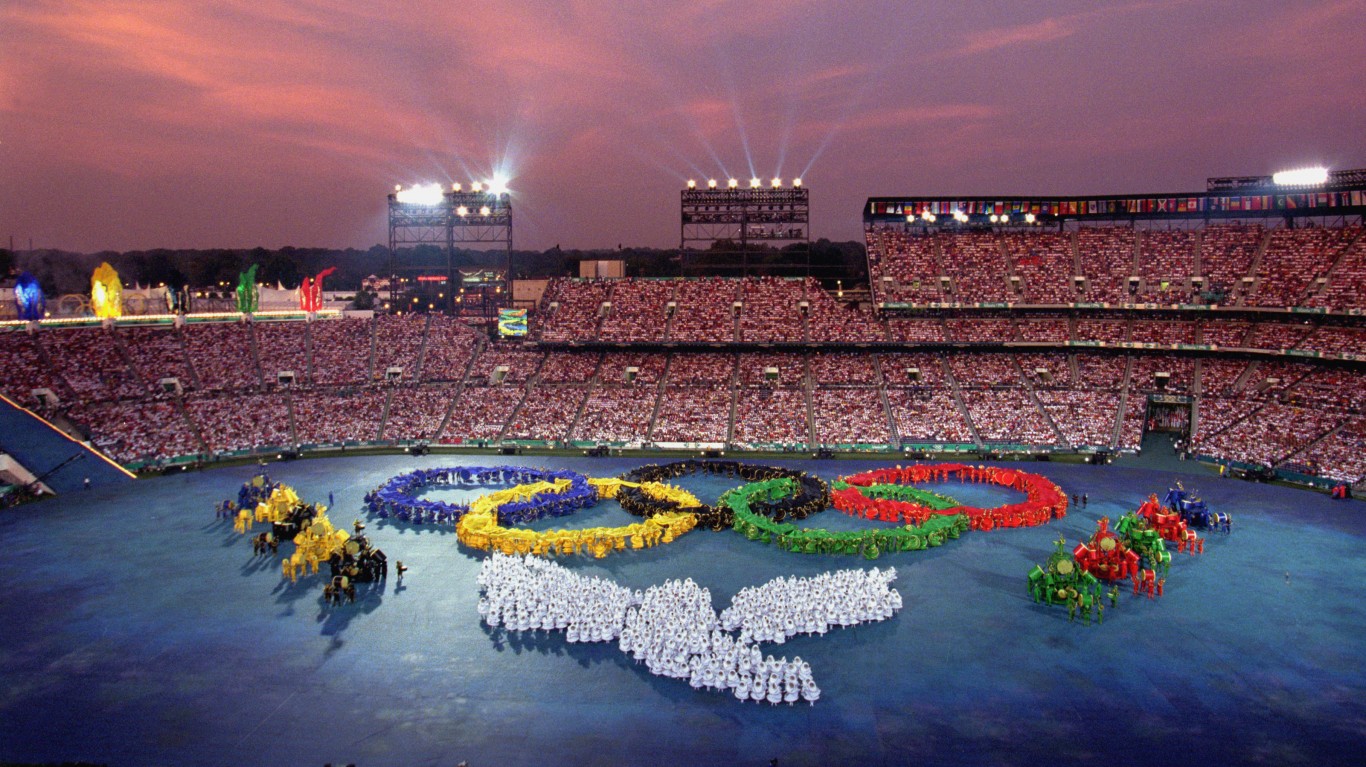
The IOC tries to make the marketing case for the Olympics on its website by saying the games are “one of the most effective international marketing platforms in the world, reaching billions of people in over 200 countries.”
But the challenges to the Olympic Games have been well-documented, and many advertisers are voting with their feet.
For years, the Olympic movement has been tainted by scandal and corruption, from bribes and kickbacks involving host companies to doping and cheating episodes that have forced athletes to return medals.
The Olympic Games also is fighting a dated image and has lost a mostly younger audience to hipper and more visually appealing events such as the X Games.
The television ratings for the Olympics have been hurt by the migration of viewers to hand-held devices. Some critics have chided the television coverage as focusing too much on soft, feature stories about the athletes and deemphasizing the competition.
The time differences for the Tokyo 2020 Summer Games and the Beijing 2022 Winter Games might also be a factor in dissuading sponsors from staying on board, according to a recent story in Advertising Age.
Among the remaining IOC top sponsors, Dow Chemical, General Electric, Panasonic, Procter & Gamble, Samsung, Toyota and Visa have agreements through 2020; Bridgestone, Panasonic and Toyota through 2024; Alibaba through 2028; and Omega through 2032, according to the IOC. Other top sponsors include Atos and Coca-Cola.
The IOC says revenue generated by commercial partnerships accounts for more than 40% of Olympic revenue.
[wallst_email_signup]








 Top Gaining Stocks
 Top Losing Stocks