



The drop in revenue at most large and midsized metro newspapers will continue this year. Based on data publicly available, most papers in these segments had sales erosion of 5% to 12% last year. While print dollars from advertising and circulation have not come out of a free fall, digital ads and circulation have not made up the difference in all but a handful of properties.
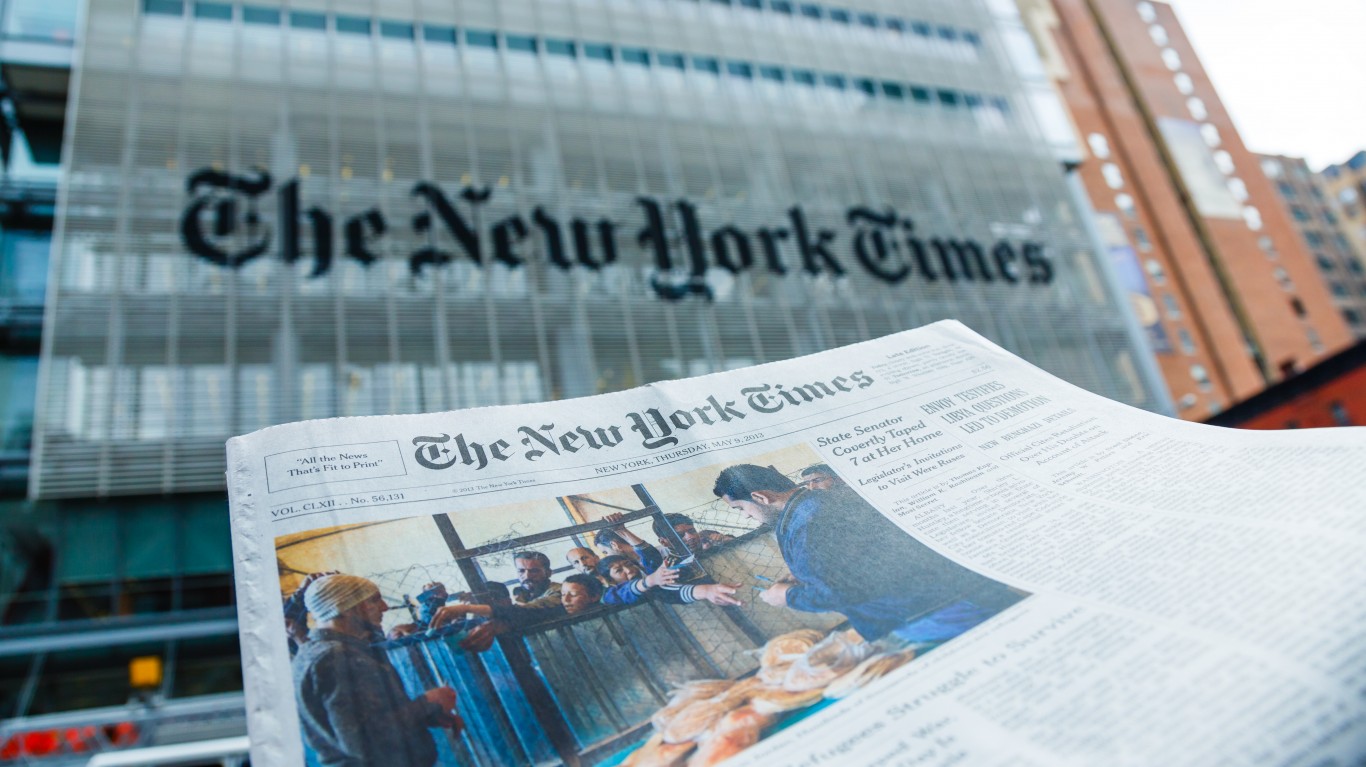
The New York Times and Washington Post are usually the only two papers mentioned as posting enough gains in digital advertising, but more specifically large additions of digital subscriptions. The Times says over 3.3 million people pay for its digital products, which are mostly subscriptions to the digital version of the paper. The Times is a public company, so it is easy to figure out its digital numbers. The Washington Post is owned by Jeff Bezos, the CEO of Amazon.com. Its digital subscription numbers have been estimated at over 1.5 million.
The presumption is that the Times and Post can add to their already large count of digital subscribers because the quality of their products is high due to large investments in editorial content. The Times newsroom has been estimated as high as 1,500 people and the Post’s at about half of that. No other daily have newsrooms are nearly as large. Almost all metro dailies continue to lay off workers in their editorial departments.
Most dailies cannot garner more than a few tens of thousands of paid subscribers, and for some smaller dailies, it is less than that. At some papers, digital advertising growth rates have slowed, so the need for a sharp increase in digital subscribers is essential to their success, and in some cases their survival. The horrible cycle is that as they lay off more people, their ability to produce high-quality local products drops. The theory is that this makes it harder to sell subscriptions.
[nativounit]
Although few Wall Street analysts follow the newspaper industry anymore, the limited number who do forecast another drop in revenue that in many cases approaches 10%.
An example of the industry problem is the drop in revenue at the parent of one of the best newspapers in the country, the Dallas Morning News. It has been on the list of America’s top 10 newspapers in terms of quality of journalism for decades. Last year, revenue at the parent A.H. Belo dropped 18.6% to $202.3 million. The company had an operating loss of $9.9 million in 2018, compared to a loss of $7.6 million in 2017. Robert W. Decherd, board chair, president and chief executive officer, said, “2018 was a challenging year for newspapers across the country as print advertising declined steeply across all categories.”
Among the papers that ought to have better years than most of the industry are those that are run by nonprofit foundations or held by very wealthy owners. These papers, presumably, have financial resources many others do not. These include the Tampa Bay Times; Philadelphia Media Network, which owns the Philadelphia Inquirer and Philadelphia Daily News; Minneapolis StarTribune; Salt Lake Tribune; and Boston Globe. If there are cuts at these newspapers, it means drops in revenue have overwhelmed even generous owners.
What will owners do if revenue drops continue? So far, the only answer has been to cost cuts, and that has meant thousands of jobs lost.
[recirclink id=537422]
[wallst_email_signup]











 Top Gaining Stocks
 Top Losing Stocks