


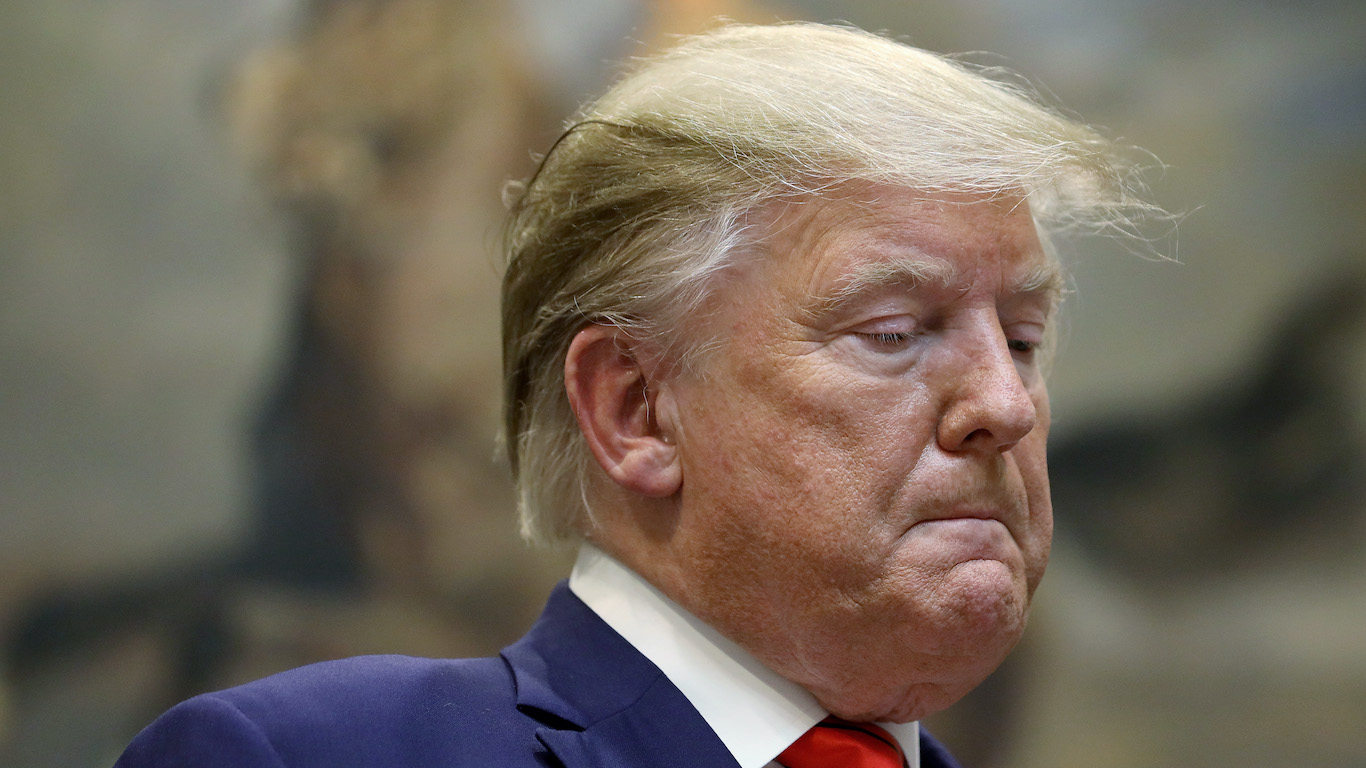
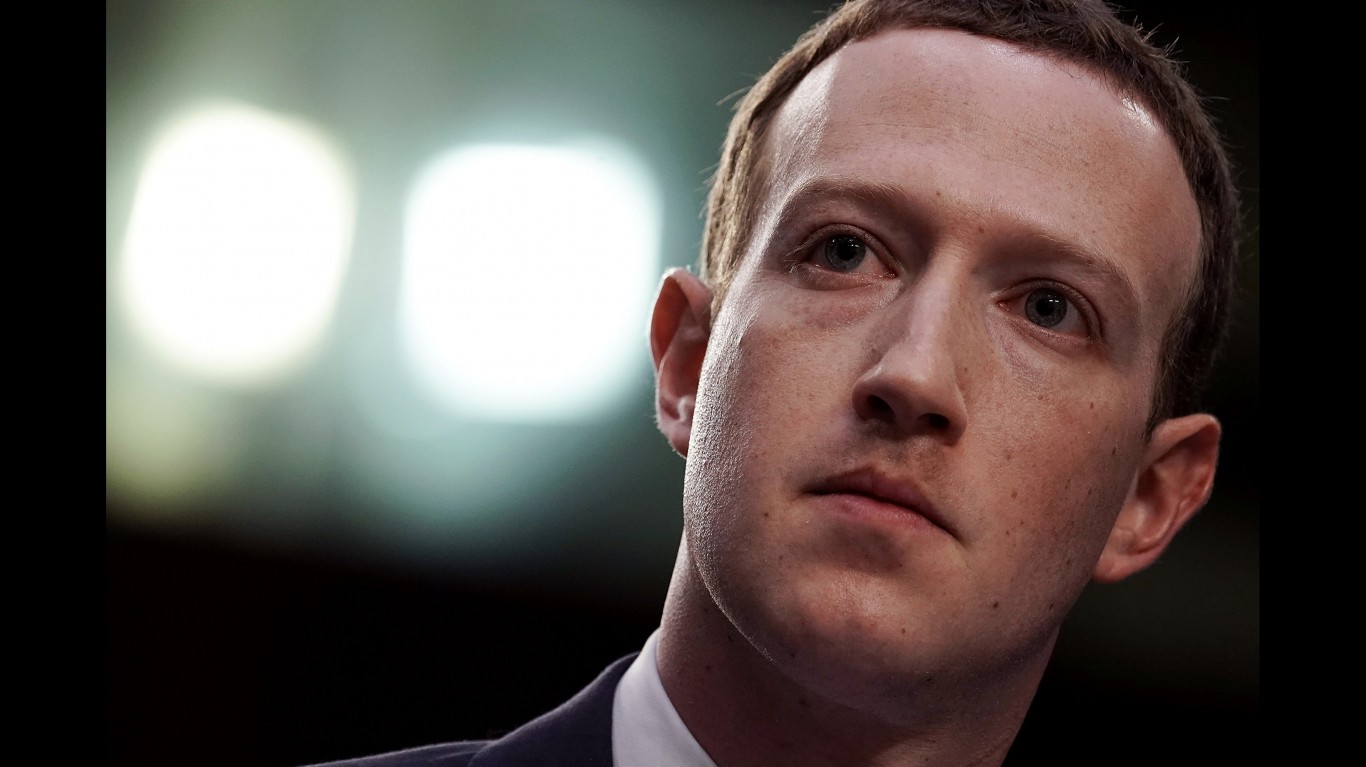
Facebook Inc. (NASDAQ: FB) CEO Mark Zuckerberg once again finds himself sideways with the political establishment. This time, Zuckerberg has taken on President Donald Trump, who on Wednesday promised to sign an executive order that would eliminate a decades-old privilege that internet companies have enjoyed.
In this case though, Facebook and Zuckerberg did two things that should have pleased the president and one thing that did not. However, Trump is not one to keep score. It’s always down to the last thing that happened.
The contretemps began when Twitter Inc. (NYSE: TWTR) added a line to two of the president’s tweets indicating that some of the statements may be arguable.
[nativounit]
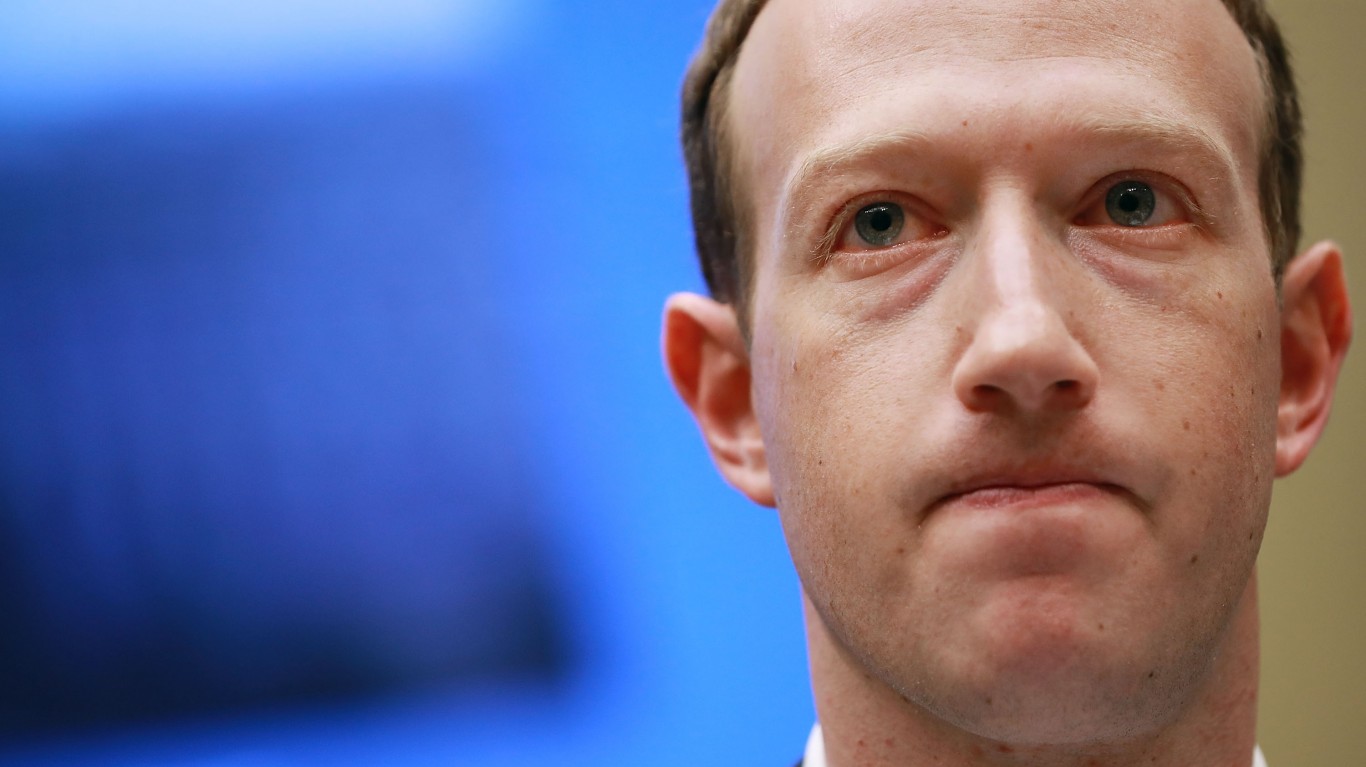
This enraged Trump and, perhaps not surprisingly, Zuckerberg rose to the president’s defense. In an interview with Fox News, Facebook’s CEO commented, “I just believe strongly that Facebook shouldn’t be the arbiter of truth of everything that people say online. Private companies probably shouldn’t be, especially these platform companies, shouldn’t be in the position of doing that.”
Trump liked that bit. The part he is less happy with is this Zuckerberg statement: “I’ll have to understand what [the President] actually would intend to do, but in general I think a government choosing to censor a platform because they’re worried about censorship doesn’t exactly strike me as the right reflex there.”
If the president was angry at Twitter, now he also was angry with Facebook.
First a Little History
In 1996, the Communications Decency Act was enacted into law. It gave social media and internet companies, then in their infancy, specific free-speech protection in Section 230: “No provider or user of an interactive computer service shall be treated as the publisher or speaker of any information provided by another information content provider.”
In other words, social networks and internet marketplaces like Amazon have a get-out-of-jail-free card when it comes to the content they provide for their billions of users. Because they’re just passing the content along from a third-party provider, these internet giants have no (and should have no) responsibility for that content.
Zuckerberg always has taken a broad view of that protection. Last year in an interview with the New York Times, he said, “It’s hard to impugn intent and to understand the intent [of material posted to Facebook].” He goes so far as to equate a misstatement with a deliberate lie, claiming that Facebook is not going to ban someone for getting things “wrong,” even if it happens repeatedly.
Section 230 Also Protects Crooks
Much of the discussion of Section 230 in the United States has focused on listings for counterfeit goods on internet marketplaces. According to a report last year from Incopro/Sapio research, consumers have a slightly better (26%) than one in four chance of purchasing a fake product from an online seller or marketplace. Nearly as many (22%) made their purchases knowing they were buying a fake.
[recirclink id=709508]
In January of this year, the U.S. Department of Homeland Security reported on the number of seizures of copyright-infringing goods at U.S. borders. It found that, between 2000 and 2018, it increased by an order of magnitude, from 3,244 to 33,810 annually. Industry studies cited by a U.S. Senate Finance Committee report published in April 2019 estimate that the global economic value of fake and pirated goods could reach $2.3 trillion by the end of this year.
What Trump Is Expected to Do
The president is believed to be preparing an order that would remove the cover that internet companies get from Section 230. Such an order will be challenged almost immediately in court, likely on the grounds that the protection is enshrined in law and cannot be removed without legislative approval.
The Senate is likely to side with Trump, but the situation is more complicated for Democrats. If they refuse to support a legislative change to Section 230, they risk losing the ground some have already staked out opposing the power of the tech giants like Facebook and Google. It’s awkward.
A Brookings Institution study reported last year that in the United States, concerns about violating the First Amendment’s free speech rights have effectively negated any response to “classifying certain content as unacceptable.” U.S. legal precedent seeks to protect people from government intrusions. Regulations like the European Union’s General Data Protection Regulation seek to protect the privacy rights of people by giving them control over personal information about themselves.
The Effect on Facebook Stock
Facebook shares trade down about $20 (3%) from a recent high of around $240. The stock market does not like highly visible fights between a company and the president of the United States. The plain fact is that such arguments between two larger-than-life opponents are good for Facebook’s business (and Twitter’s) long term.
It’s hard to look at the whole affair as more than another tempest in a teapot that will be replaced by something else in another day or two. By the time the last legal paragraph is written, neither Donald Trump (nor, potentially, Joe Biden) will be sitting in the Oval Office.
[wallst_email_signup]







 Top Gaining Stocks
 Top Losing Stocks