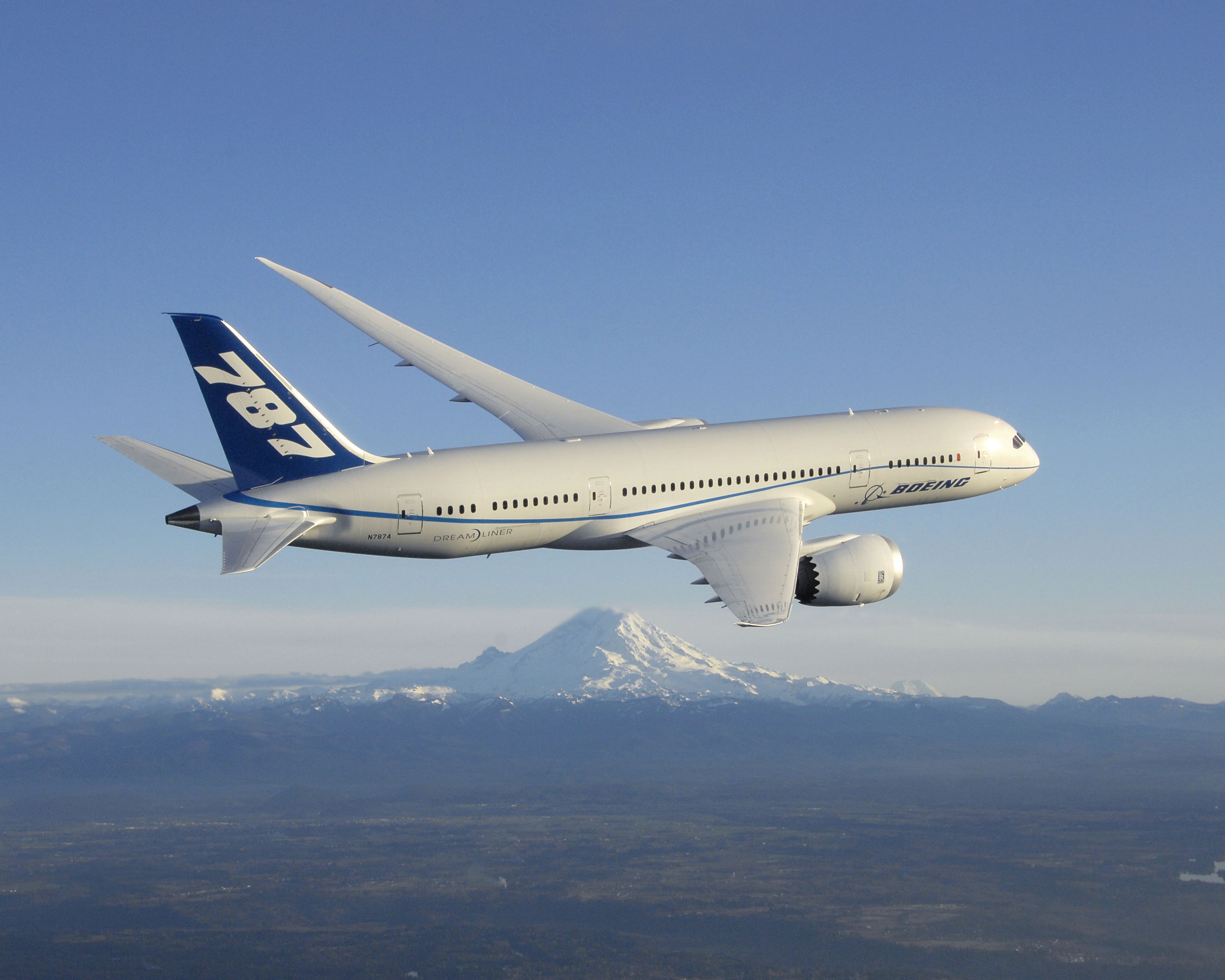
Who Wants to Fly on a 787?

Photo of Douglas A. McIntyre
By Douglas A. McIntyre Published
This post may contain links from our sponsors and affiliates, and Flywheel Publishing may receive compensation for actions taken through them.

Who wants to fly on Boeing Co.’s (NYSE: BA) crippled 787 Dreamliner, once the company has sorted out dangerous problems with one of the batteries that operates the plane? Those who can avoid it probably will. That limits its attractiveness to airlines, which are already up in arms about the plane’s problems and resulting delays in deliveries. And so it undermines the investment some of these airlines will make as they consider purchases. Boeing has broken a bond with carriers and passengers alike.

The Wall Street Journal reports:

As Boeing Co. tests fixes to the batteries of its 787 Dreamliners, it now faces the challenge of persuading passengers that the jetliner will be safe to fly when it resumes commercial service.

The efforts include sending surveys to frequent fliers, aviation enthusiasts and others to gauge attitudes toward the Dreamliner.

But safety experts say part of the Chicago plane maker’s evolving public relations strategy also involves playing down the severity of the burning lithium-ion battery incidents, which prompted the grounding of the 787 over nine weeks ago.

However, the burning lithium-ion battery issue has kept the plane grounded for weeks, which could turn into months. The trouble has played itself out in the news media, often on front pages.

One of the favorite marketing gimmicks used by airlines is the comment made by many captains as they pilot their planes aloft: “Thank you for flying with us. We know you have a choice in airlines, and we are glad you chose ours.” That can be changed now: “We know you have a choice in airplanes. Thanks for taking the risk of flying the 787.” That is, of course, if pilots are willing to get at the controls of the troubled plane.

Airlines have come to realize the risks to not only their current financial results, but also possible future effects on their sales. Air India and All Nippon Airways want cash refunds on their 787 purchases, instead of the traditional credits for upcoming deliveries. That may be because these carriers have decided there is some risk to taking upcoming deliveries as they fret about the 787’s reputation with their customers.

There are no ready precedents to the 787 problem. Most passengers will board almost any plane, with the presumption it has been cleared for safety and poses no threat to life and limb. Many passengers may be willing to wait an hour, or a day, to avoid a 787 and take some alternative flight on a different airplane.


Photo of Douglas A. McIntyre
About the Author Douglas A. McIntyre →

Douglas A. McIntyre is the co-founder, chief executive officer and editor in chief of 24/7 Wall St. and 24/7 Tempo. He has held these jobs since 2006.

McIntyre has written thousands of articles for 24/7 Wall St. He is an expert on corporate finance, the automotive industry, media companies and international finance. He has edited articles on national demographics, sports, personal income and travel.

His work has been quoted or mentioned in The New York Times, The Wall Street Journal, Los Angeles Times, The Washington Post, NBC News, Time, The New Yorker, HuffPost USA Today, Business Insider, Yahoo, AOL, MarketWatch, The Atlantic, Bloomberg, New York Post, Chicago Tribune, Forbes, The Guardian and many other major publications. McIntyre has been a guest on CNBC, the BBC and television and radio stations across the country.

A magna cum laude graduate of Harvard College, McIntyre also was president of The Harvard Advocate. Founded in 1866, the Advocate is the oldest college publication in the United States.

TheStreet.com, Comps.com and Edgar Online are some of the public companies for which McIntyre served on the board of directors. He was a Vicinity Corporation board member when the company was sold to Microsoft in 2002. He served on the audit committees of some of these companies.

McIntyre has been the CEO of FutureSource, a provider of trading terminals and news to commodities and futures traders. He was president of Switchboard, the online phone directory company. He served as chairman and CEO of On2 Technologies, the video compression company that provided video compression software for Adobe’s Flash. Google bought On2 in 2009.

Featured Reads

Our top personal finance-related articles today. Your wallet will thank you later.

Continue Reading

Top Gaining Stocks

CBOE Vol: 1,568,143
PSKY Vol: 12,285,993
STX Vol: 7,378,346
ORCL Vol: 26,317,675
DDOG Vol: 6,247,779

Top Losing Stocks

LKQ
LKQ Vol: 4,367,433
CLX Vol: 13,260,523
SYK Vol: 4,519,455
MHK Vol: 1,859,865
AMGN Vol: 3,818,618



