


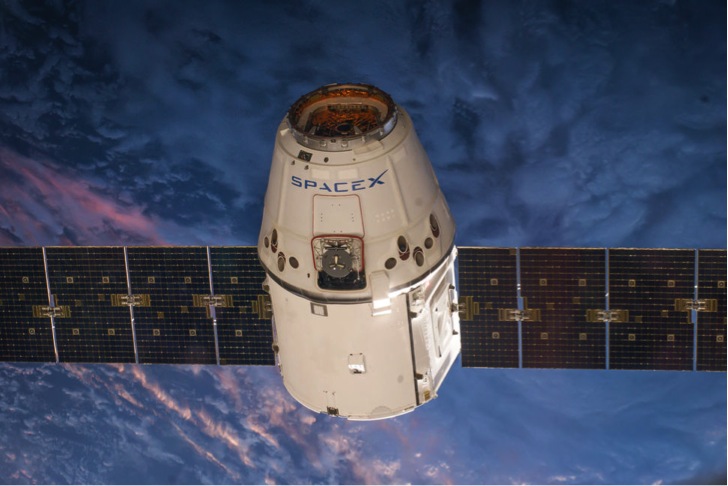
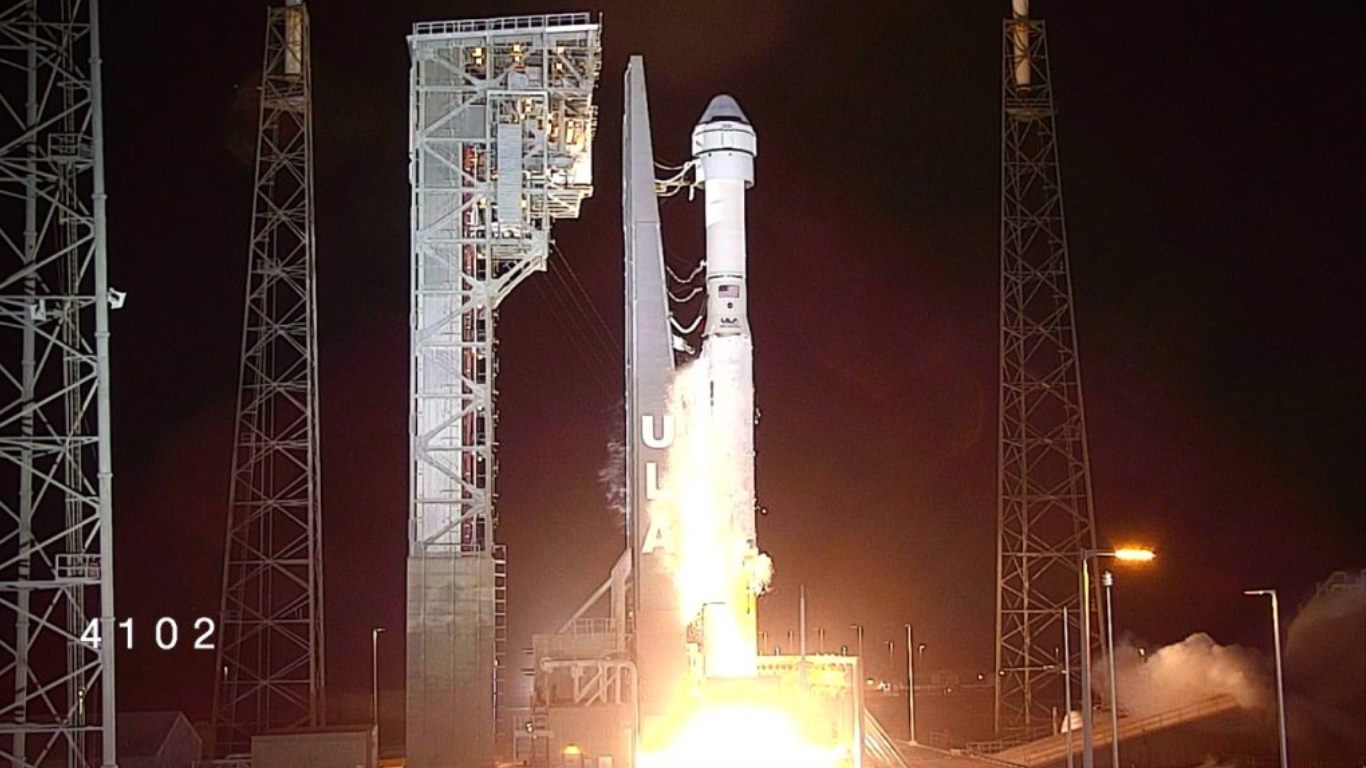
His plan even has a name: Dragon V2. Featuring three large windows for observations in space — and for looking where one’s going when returning from space — landing thrusters, and landing legs, the Dragon V2 is clearly designed not just to carry human beings back into space as the shuttle once did. (And it can hold seven astronauts). It’s designed to bring them back to Earth in one piece, as well (also as the shuttle once did).
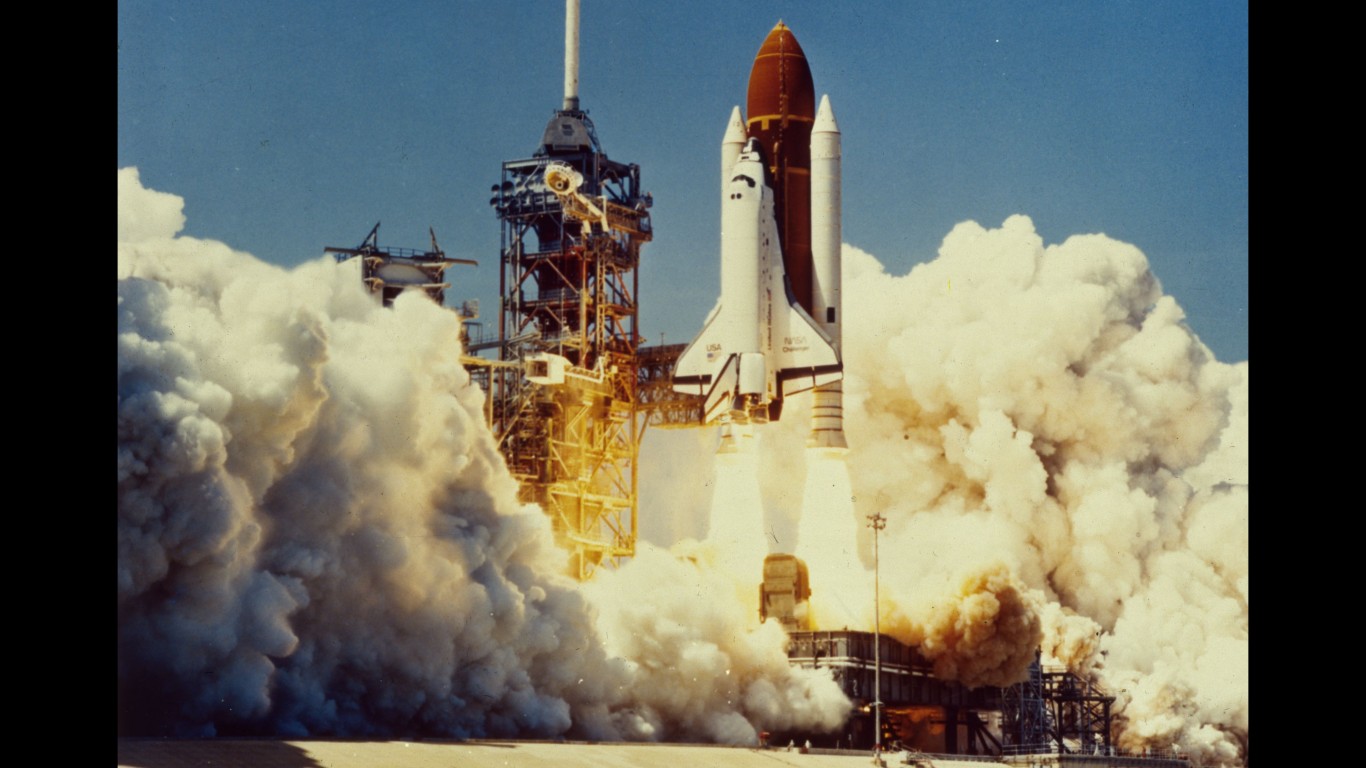
Indeed, in some ways you could say SpaceX’s Dragon V2 is better than the shuttle. (Whether it’s better than competing spacecraft offerings that Boeing (NYSE: BA) and Sierra Nevada will offer to NASA, remains to be seen). But between its research into controlled spaceship landings, conducted with the experimental “Grasshopper,” and the advanced landing thrusters it’s installed aboard the Dragon V2, SpaceX says its new spacecraft can land just about anywhere NASA wants to set it down “with the accuracy of a helicopter.” That’s a whole lot more flexible than the space shuttle, which needed a prepared runway to set down on.
Cheap, affordable space flight?
All of this adds up to the fact that, just like the space shuttle, SpaceX’s Dragon V2 will be a reusable spacecraft. After returning to Earth, “[You] can just reload, propel it and fly again,” says Musk.
The fact that the Dragon V2 is reusable will also help to control the cost of future space missions. No longer will America be forced to use disposable spacecraft, building a new one from scratch for each new mission. Instead, just as with the shuttle fleet, we’ll be able to use each individual spacecraft over and over again.
How much savings will this equal, in dollars and cents? It’s hard to say until we see the Dragon V2 fly. What we do know is that SpaceX has contracted to do 12 supply runs to the International Space Station for NASA, using unoccupied Dragon capsules to carry cargo for a total cost of $1.6 billion — about $133 million per milk run.
ALSO READ: Is SpaceX Preparing to Land on Mars?
We also know that the U.S. is currently paying Russia’s space program $71 million per seat to send U.S. astronauts up to the International Space Station — $497 million to send up as many astronauts as Dragon V2 can carry. This suggests that SpaceX has a lot of wiggle room to earn a profit.
But honestly, so long as Musk can send astronauts up for less than half a billion dollars a flight, U.S. taxpayers should be coming out ahead.






 Top Gaining Stocks
 Top Losing Stocks