


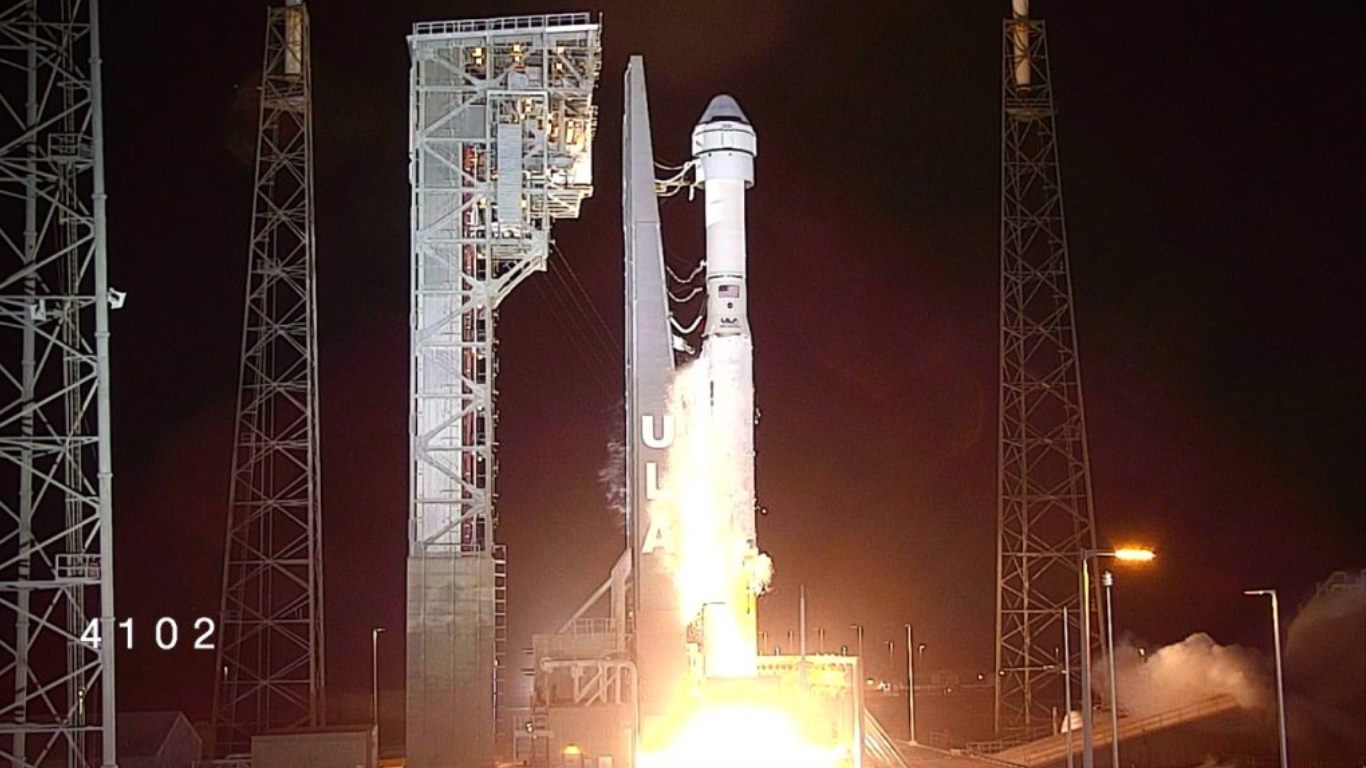
A Boeing Co. (NYSE: BA | BA Price Prediction) spacecraft launched Friday morning from Cape Canaveral, Florida, failed to make a course correction that would have put the craft on a path to rendezvous with the International Space Station (ISS) on Saturday morning. The CST-100 Starliner was making its first unmanned test flight to dock with the ISS and, according to NASA, the spacecraft remains in “a stable configuration while flight controllers are troubleshooting.”
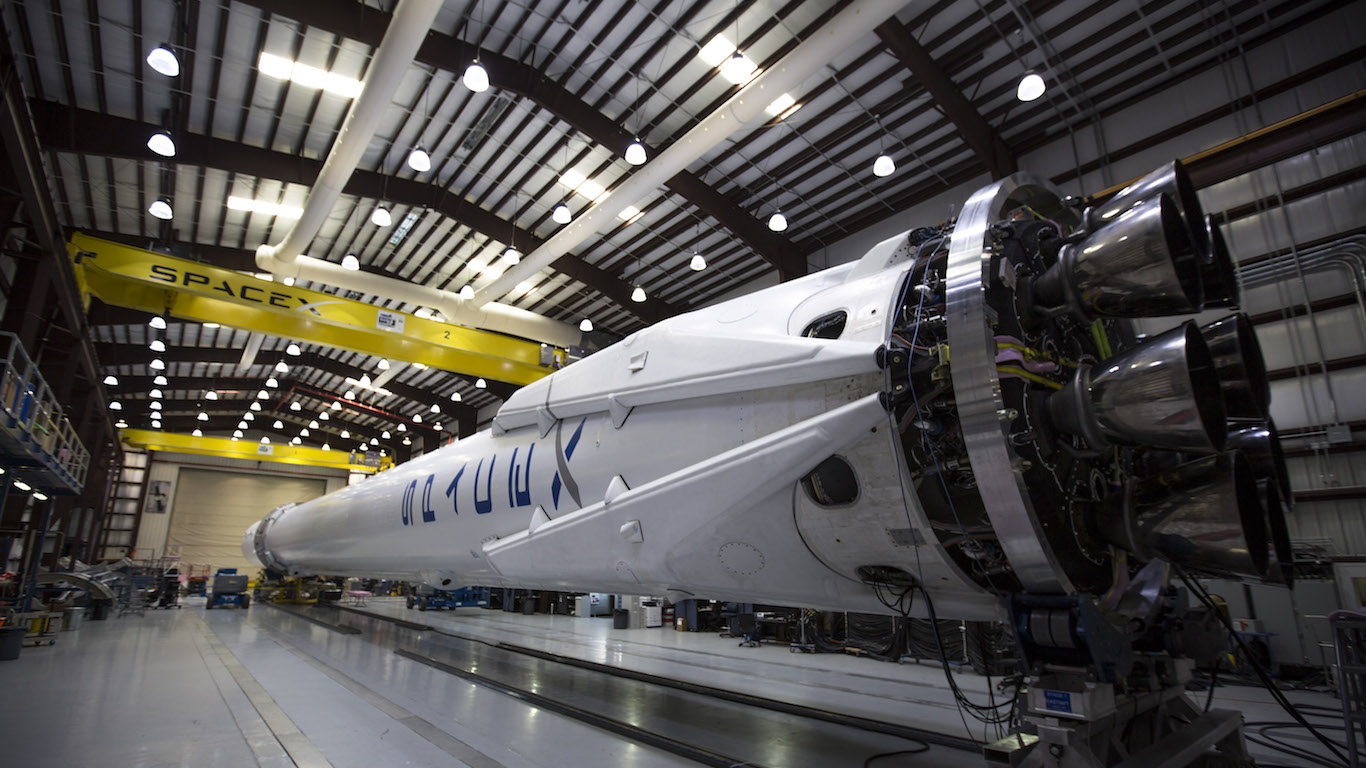
The Starliner is one of two spacecraft that are being tested to take over the job of shuttling crews and material to the ISS. The other craft, dubbed the Crew Dragon, completed its first test flight in August 2018. The Dragon is being built by SpaceX, a privately held company financed by Tesla founder and CEO Elon Musk.
[in-text-ad]
In 2014, NASA awarded a combined $6.8 billion to the two firms for what the agency calls the Commercial Crew program. Boeing’s share was $4.2 billion and SpaceX’s was $2.6 billion. Boeing received the larger award to adjust for billions that the agency had awarded to SpaceX for development of the cargo version of the Dragon spacecraft.
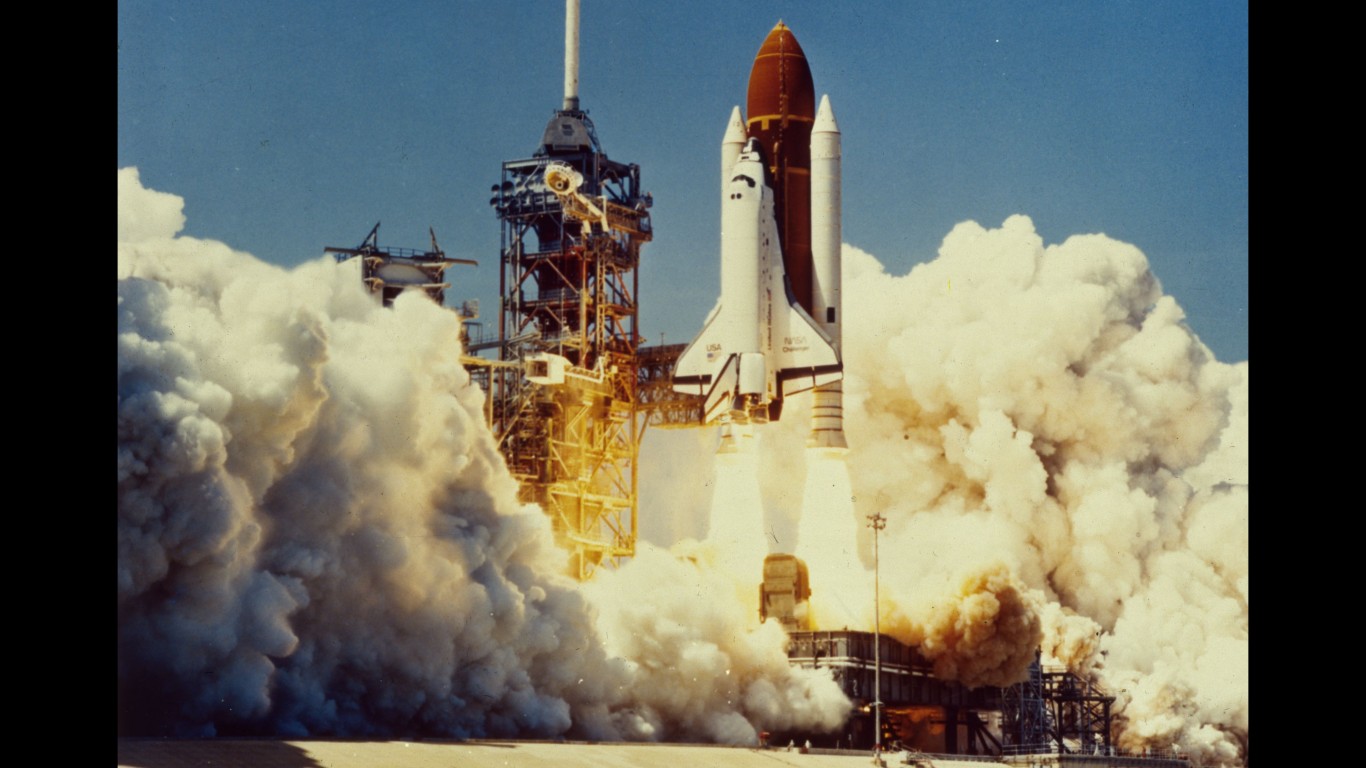
The last U.S. Space Shuttle flight to the ISS took place in 2011. Since then, U.S. astronauts have been booking seats on a Russian spacecraft at a cost of nearly $56 million per flight. The last flight aboard a Russian craft occurred last month and no more are scheduled, largely because the Starliner and the Crew Dragon were originally expected to be operational in 2017.
[nativounit]
According to a Government Accountability Office (GAO) report in April 2018, booking more seats with the Russians was not a reasonable option because bookings needed to be made three years in advance. The GAO warned:
[I]t is possible that neither contractor would be ready [to fly a U.S. crew to the ISS] until August 2020, leaving a potential gap in access [to the ISS] of at least 9 months. We calculated the potential gap based on the contractor certification milestone dates, but there could be some additional time required between that review and the first post-certification service mission to the ISS.
The SpaceX Crew Dragon completed a successful docking mission with the ISS in March of this year and a first crewed test flight appeared close at hand. Then, in April, a Crew Dragon exploded during a test of its launch-abort engines. A date for a crewed flight has not been set yet.
[recirclink id=599773]
[wallst_email_signup]







 Top Gaining Stocks
 Top Losing Stocks