


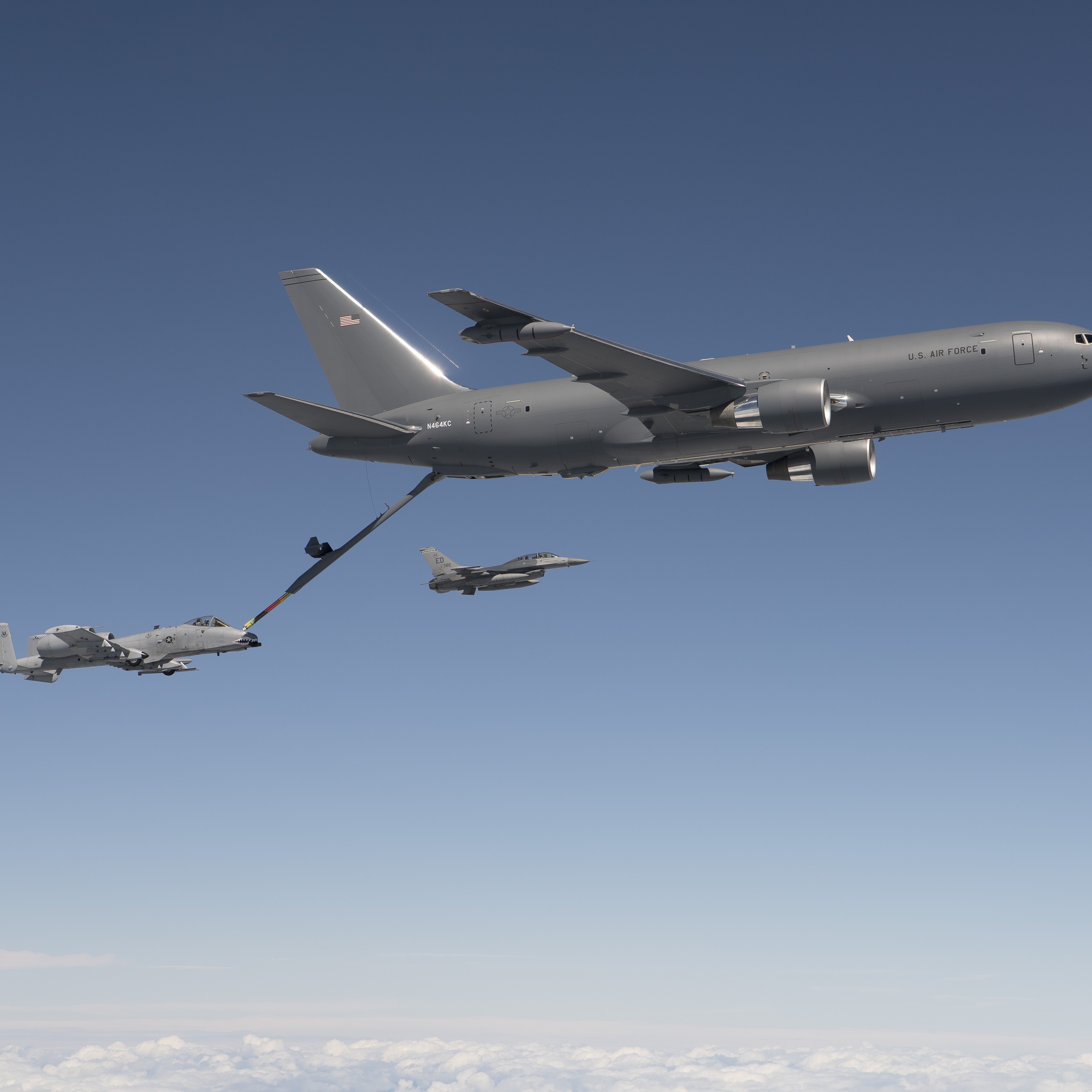
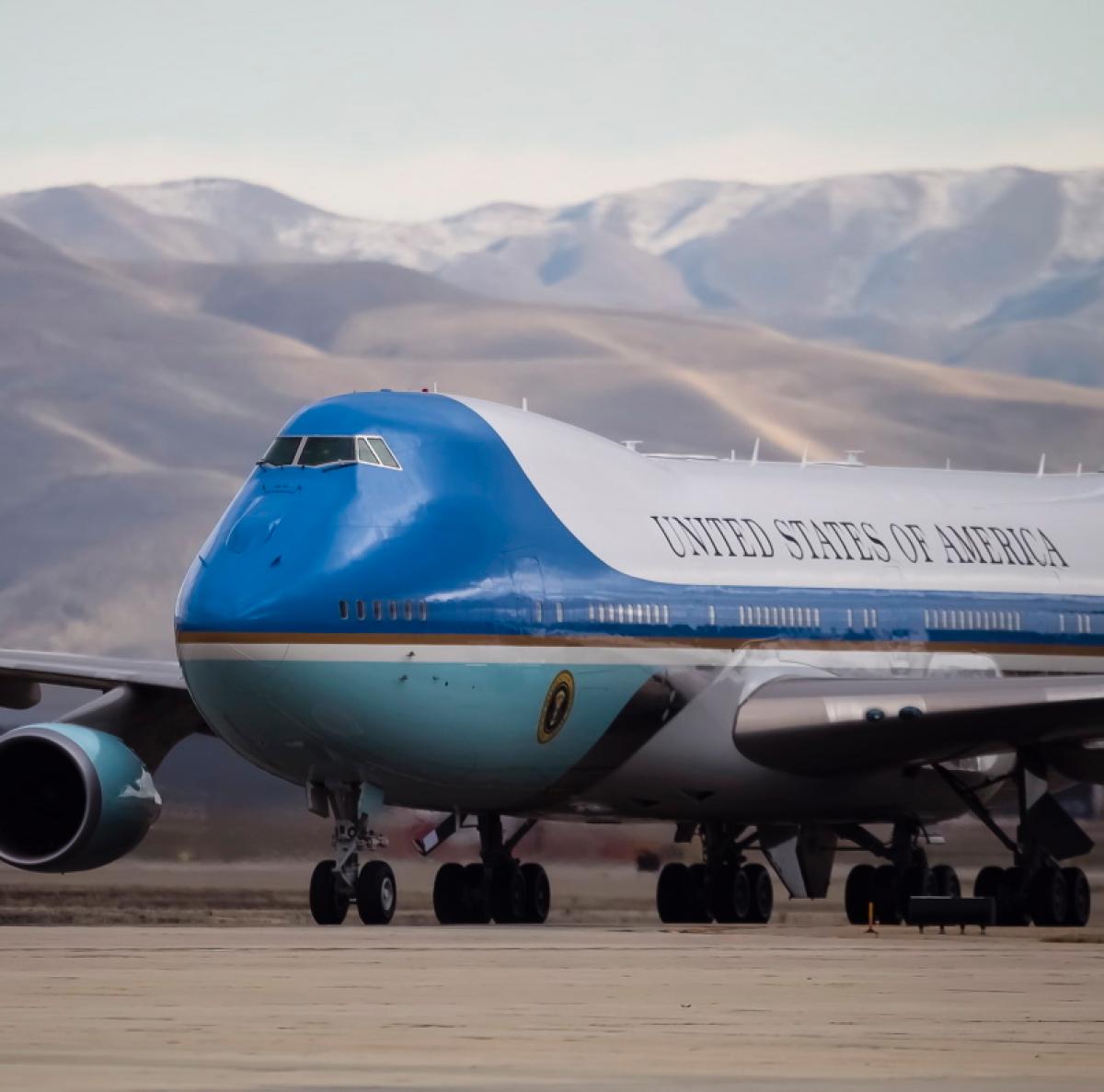
Boeing Co. (NYSE: BA) has taken substantial heat from President-Elect Donald Trump over what he claims is a $4 billion price tag for two new presidential jets. But under a continuing resolution due for a vote this week to keep the federal government running for another four months or so, the Department of Defense will receive enough funds to pay for full-rate production of the new Boeing-built Air Force KC-46A tanker.
Without the added spending for the new tanker, the Air Force may have been able to order only 12 planes in order to stay within the fiscal year 2017 budget instead of the 15 planes called for under the terms of the strict fixed-price contract with Boeing. That would have resulted in a penalty payment of $331 million to Boeing.
Boeing also benefits from another provision of the continuing resolution: the Pentagon will be allowed to purchase Boeing AH-64E Apache attack helicopters on multiyear procurement contracts. Lockheed Martin Corp.’s (NYSE: LMT) UH-60M Black Hawk helicopters are included in the provision, aimed at saving the Pentagon $880 million over five years.
[nativounit]
The addition of three KC-46As to the continuing resolution increases the procurement budget from $2.4 billion to around $2.9 billion. Boeing must deliver the first 18 new tankers by January 2019 in order to avoid late delivery penalties. The original contract had called for these deliveries by August 2017.
The president-elect has indicated that he wants to boost spending on defense to the tune of about $100 billion over his four-year term. Trump’s plans include a huge increase in the number of ships for the U.S. Navy. The goal is to boost the number from a current level of 272 to 350 over the next 30 years. The Congressional Research Service has estimated that would cost about $4 billion annually for the 30-year period.
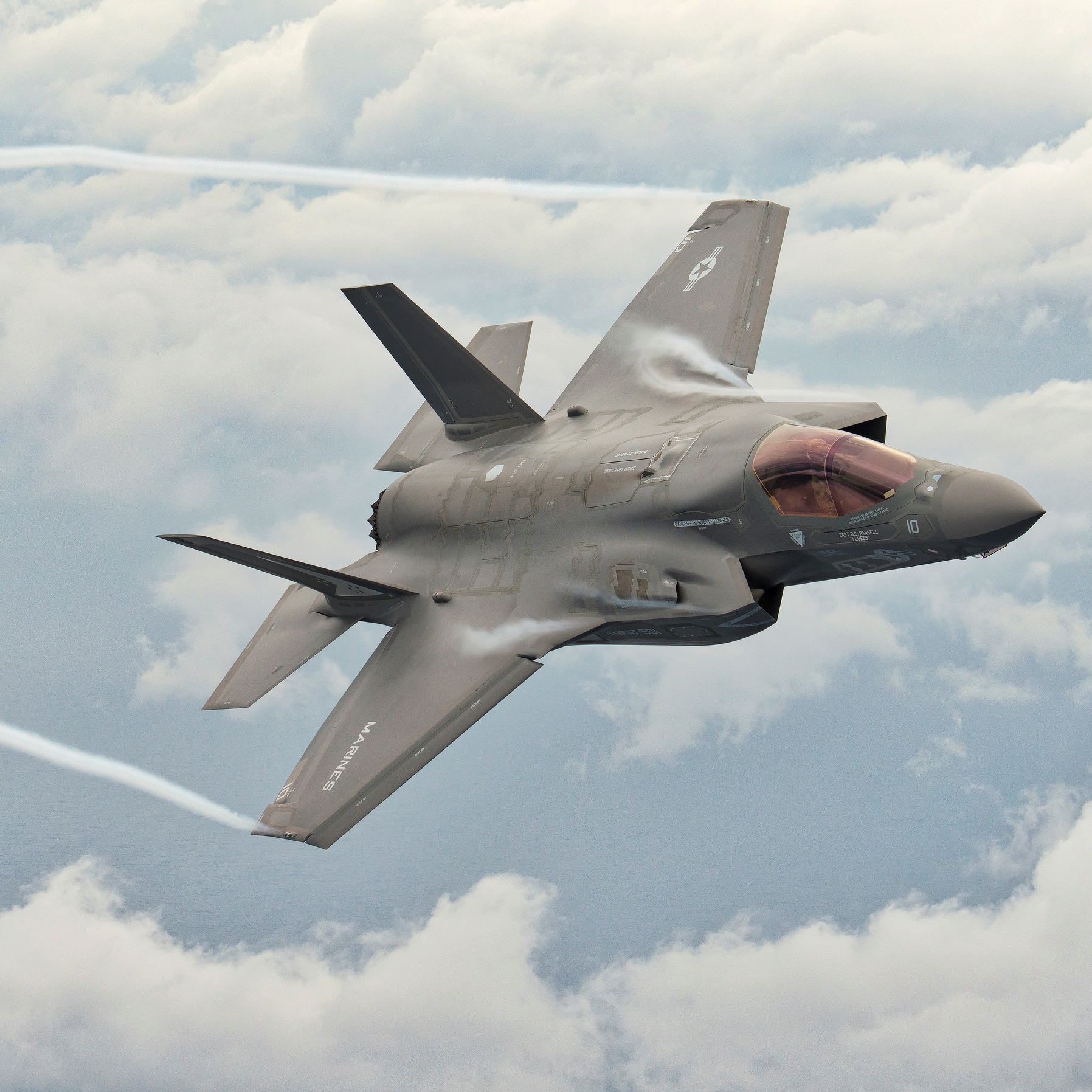
Under the Trump plan, the Air Force would increase its number of fighter jets from around 900 to 1,200 and a cost of about $30 billion over the next four years. The Army’s active-duty force would rise from 450,000 to 540,000 at an estimated four-year cost of $35 billion to $50 billion. An increase to the Marine Corps’ active-duty force from 182,000 to 200,000 would cost at least $12 billion over Trump’s term of office.
The continuing resolution needs to be passed by the House and the Senate and signed by President Obama by Friday, December 9, in order to avoid a government shutdown.
[wallst_email_signup]







 Top Gaining Stocks
 Top Losing Stocks