


In a statement released Thursday afternoon, Boeing Co. (NYSE: BA | BA Price Prediction) said it has completed development of updated software for the 737 MAX aircraft’s anti-stall systems. The company also said it had completed simulator testing and 360 hours of flight tests on 207 flights.
In early April, Boeing CEO Dennis Muilenburg acknowledged that the software update that Boeing was working on would “eliminate the possibility of unintended MCAS [Maneuvering Characteristics Augmentation System] activation and prevent an MCAS-related accident from ever happening again.” The 737 MAX MCAS system automatically forced the plane’s nose down if the aircraft’s angle of attack was too steep, threatening a stall.
Muilenburg admitted that the MCAS “activated in response to erroneous angle of attack information.” Then he said, “It’s [Boeing’s] responsibility to eliminate this risk. We own it and we know how to do it.”
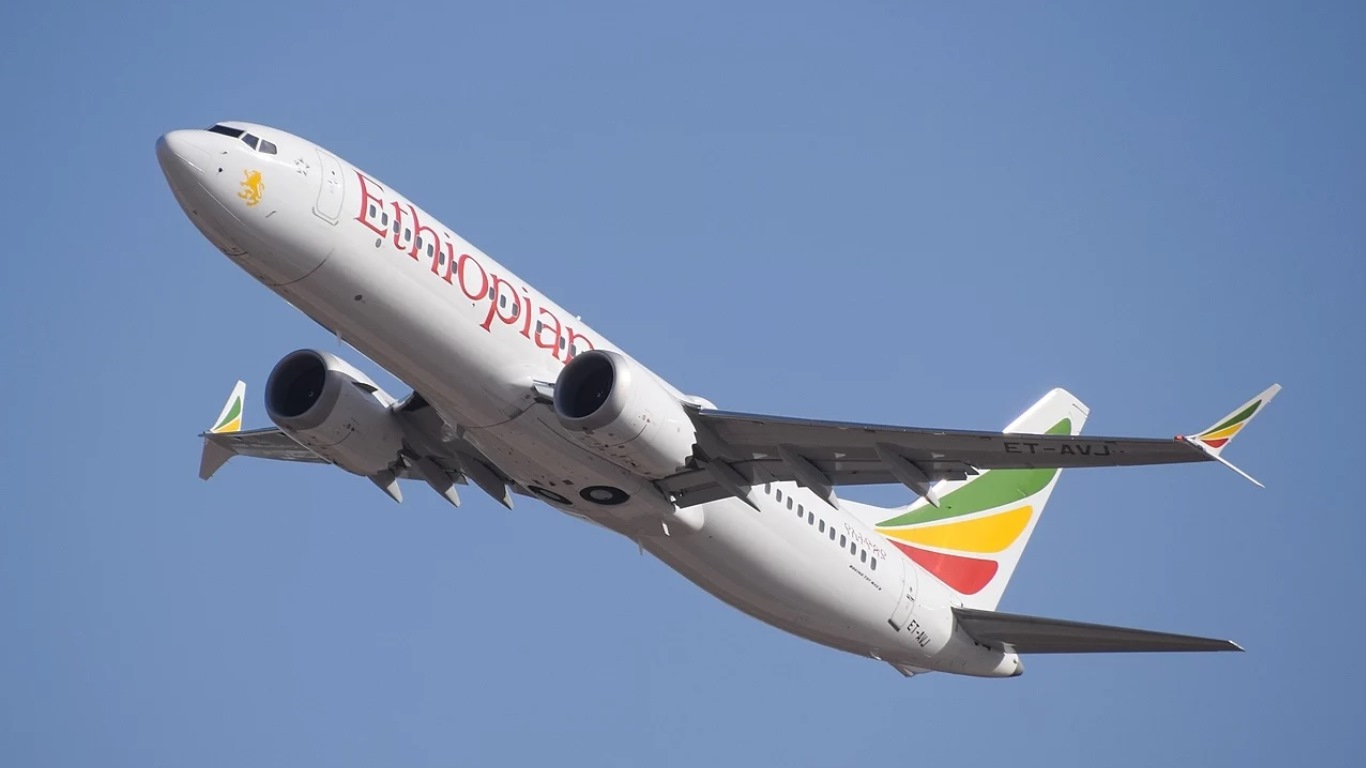
The flawed system is getting the blame for two fatal crashes that together claimed 346 lives. The first, in Indonesia last October, killed 189 people on a Lion Air 737 MAX 8 shortly after takeoff. A second crash in March killed 157 passengers and crew aboard an Ethiopian Airlines 737 MAX 8 shortly after taking off from Addis Ababa.
[nativounit]
In addition to the software update and testing program, Boeing has also developed new training and education materials. These materials are currently being reviewed by the U.S. Federal Aviation Administration (FAA), global regulators, and airline customers according to Boeing’s statement.
Still unknown is how willing passengers will be to fly the airplanes once the approvals are given. The FAA waited for three days after the Ethiopian Airlines crash to ground the 737 MAX fleet. That delay may have cost it the agency’s historic leadership role among the world’s regulators and raised doubts among U.S. consumers regarding lingering problems with the aircraft. At least Canadian, European, Indonesian, and Chinese regulators have said they plan to conduct their own testing of the aircraft and not rely on FAA approval as guidance.
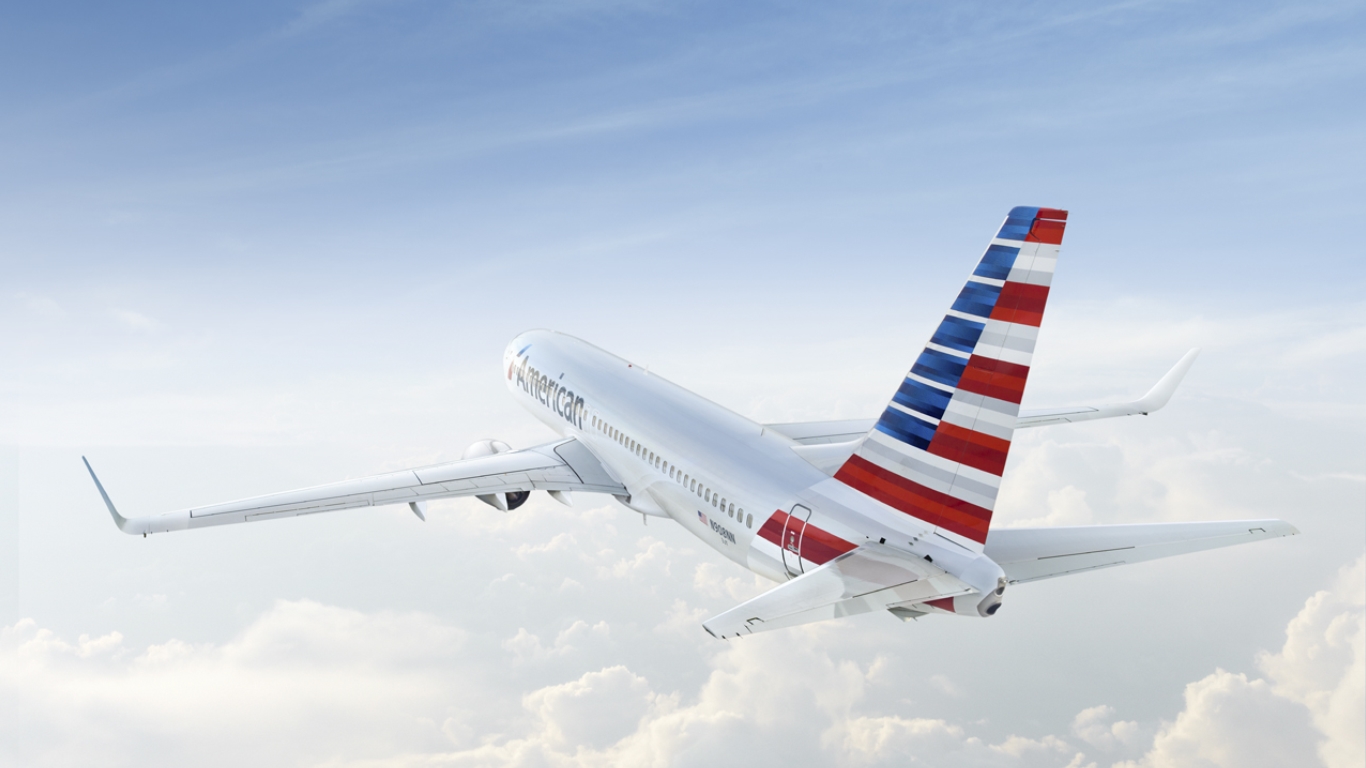
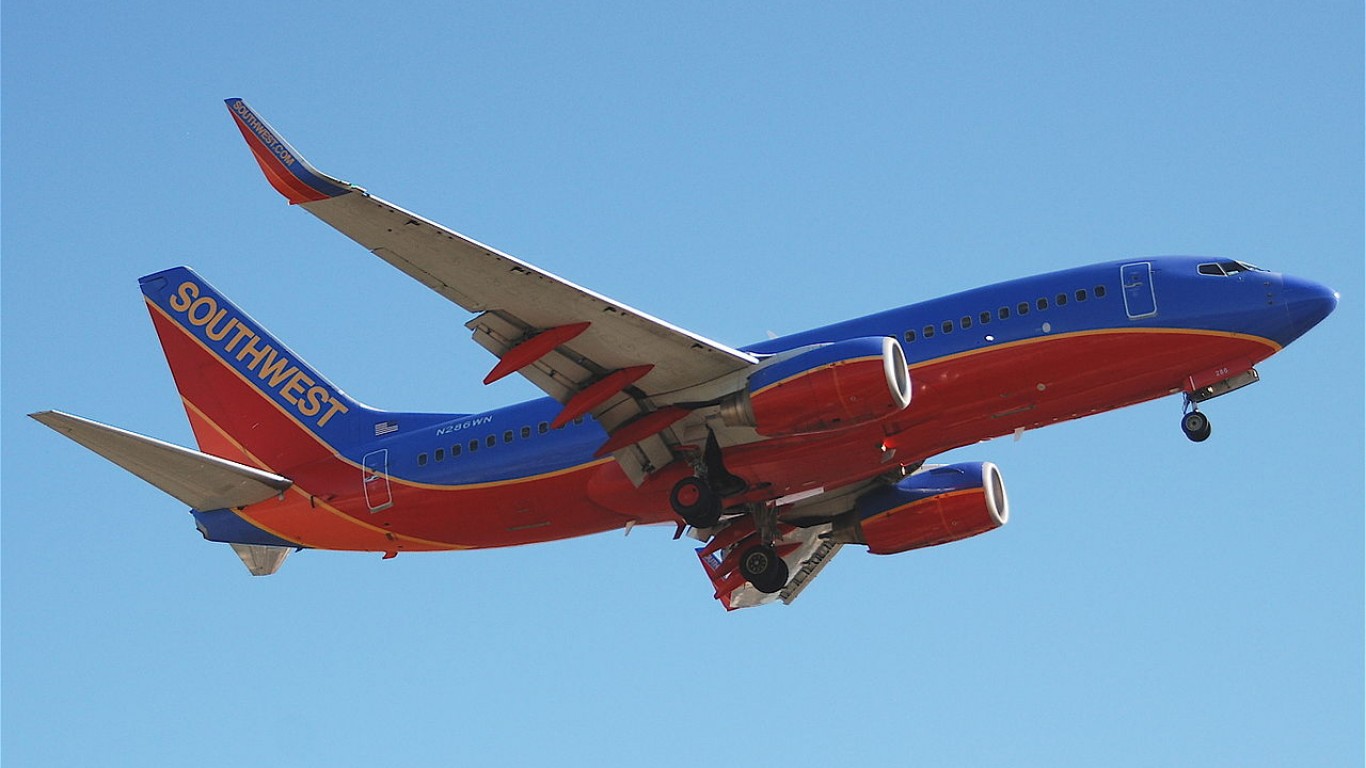
If the fix is approved and the 737 MAX could begin flying again by later this summer. Both American and Southwest Airlines have expressed hope for an August date. Southwest has grounded 34 of the planes, more than any other airline, and has another 246 on order, the most of any airline or leasing firm in the world.
The 737-8 is the most popular model of the MAX family and has a list price of $121.6 million with a maximum seating capacity of 210 (standard 2-class capacity of 162 to 178) and a flight range of 3,550 nautical miles.
The 737 MAX 9 (737-9) carries a list price of $128.9 million and has a maximum seating capacity of 220 (standard 2-class capacity of 178 to 193) and a range of 3,550 nm. United Airlines flew the first 737-9 commercial flight from Houston to Orlando last June.
Boeing has cut production of the planes from 52 per month to 42 and has begun storing undelivered planes in New Mexico after its facilities in Washington filled up.
The company’s stock closed up about 2.4% Thursday at $353.96 in a 52-week range of $292.47 to $446.01. The consensus 12-month price target is $ 421.05.
[recirclink id=547796]
[wallst_email_signup]






 Top Gaining Stocks
 Top Losing Stocks