


Key Points:
- 23 of 32 NATO members meet the 2% defense spending goal; Canada, Spain, and Italy lag behind.
- Italy struggles financially, while others are close or have plans to reach the target.
- Political shifts in the West may affect future NATO commitments.
- Also: The smart money is looking past this election and towards what may be the biggest investment opportunity of our lifetime. Learn about ‘The Next Nvidia’ today to see why.
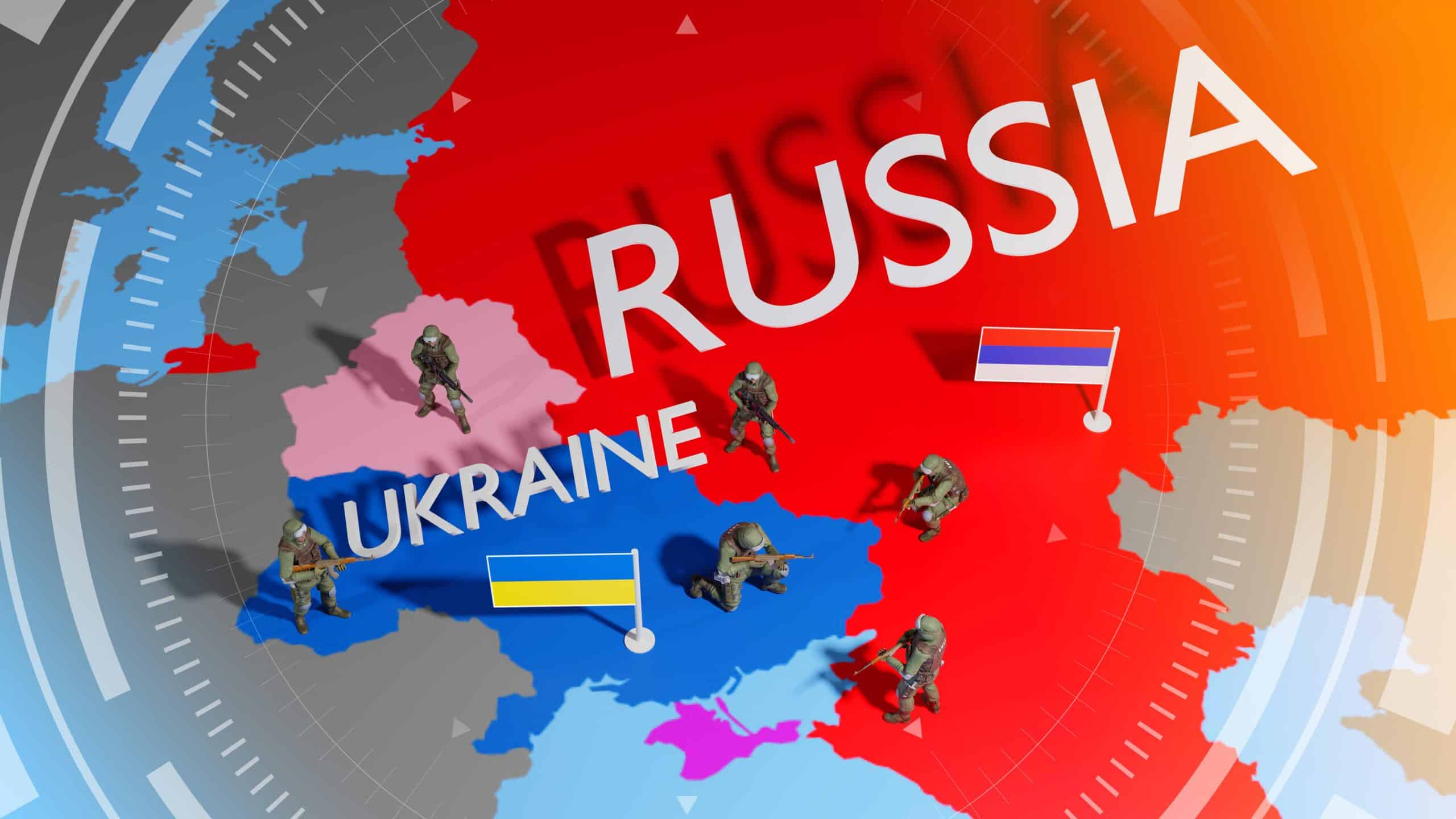
NATO members’ commitments to spending 2% of their GDP on defense, a goal set in 2014. Currently, 23 out of 32 members are meeting or will soon meet this target, driven in part by the Russian invasion of Ukraine. Countries like Canada, Spain, and Italy remain below this level due to financial and political challenges. The conversation also highlights the evolving political climate in some Western nations, where increased defense spending may face growing opposition. The future of these commitments remains uncertain, particularly given the ongoing conflict between Russia and Ukraine.
Overview of NATO’s 2% Defense Spending Goal

- In 2014, NATO members agreed to spend 2% of their GDP on defense by 2024.
- This commitment was made to strengthen collective defense, especially in light of global security challenges.
- Initially, only three countries met this target, but the number has increased significantly since Russia’s invasion of Ukraine in 2022.
Current Status of NATO Members’ Defense Spending
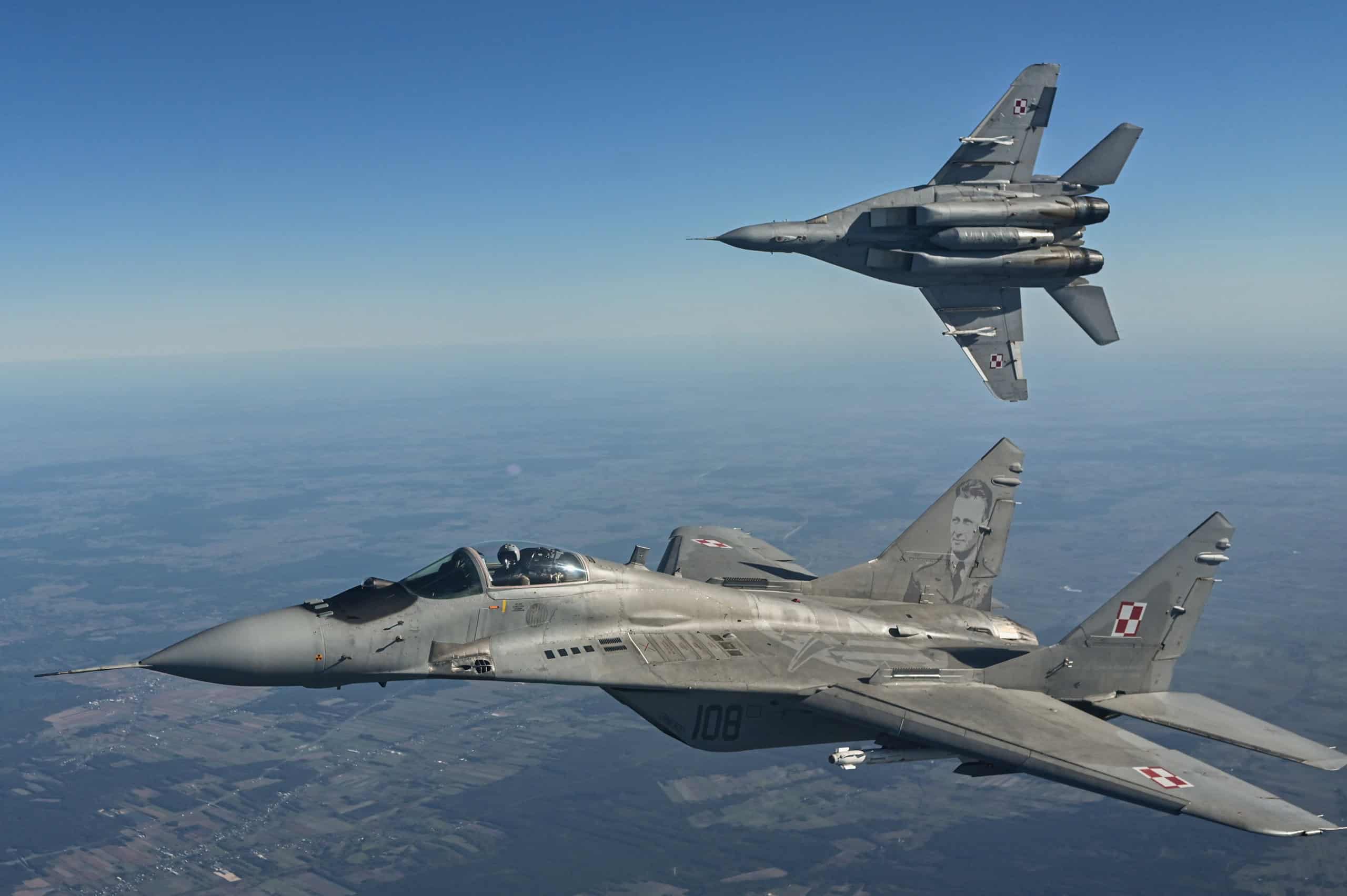
- Out of 32 NATO members, 23 have met or are expected to meet the 2% GDP defense spending target by the end of this year.
- Some countries have exceeded the 2% mark, while others are still striving to reach it within the next few years.
Key Outliers Falling Short of the 2% Goal
- Canada: Lacks urgency due to geographical distance from conflict zones and a lack of political will to increase spending.
- Spain: Faces challenges due to both financial constraints and political considerations.
- Italy: Unlikely to meet the 2% target in the next five to ten years due to financial issues and the potential political cost of reducing social spending.
- Belgium: Close to meeting the target and likely to reach it within three to five years.
The Changing Political Landscape and Its Impact on NATO Commitments
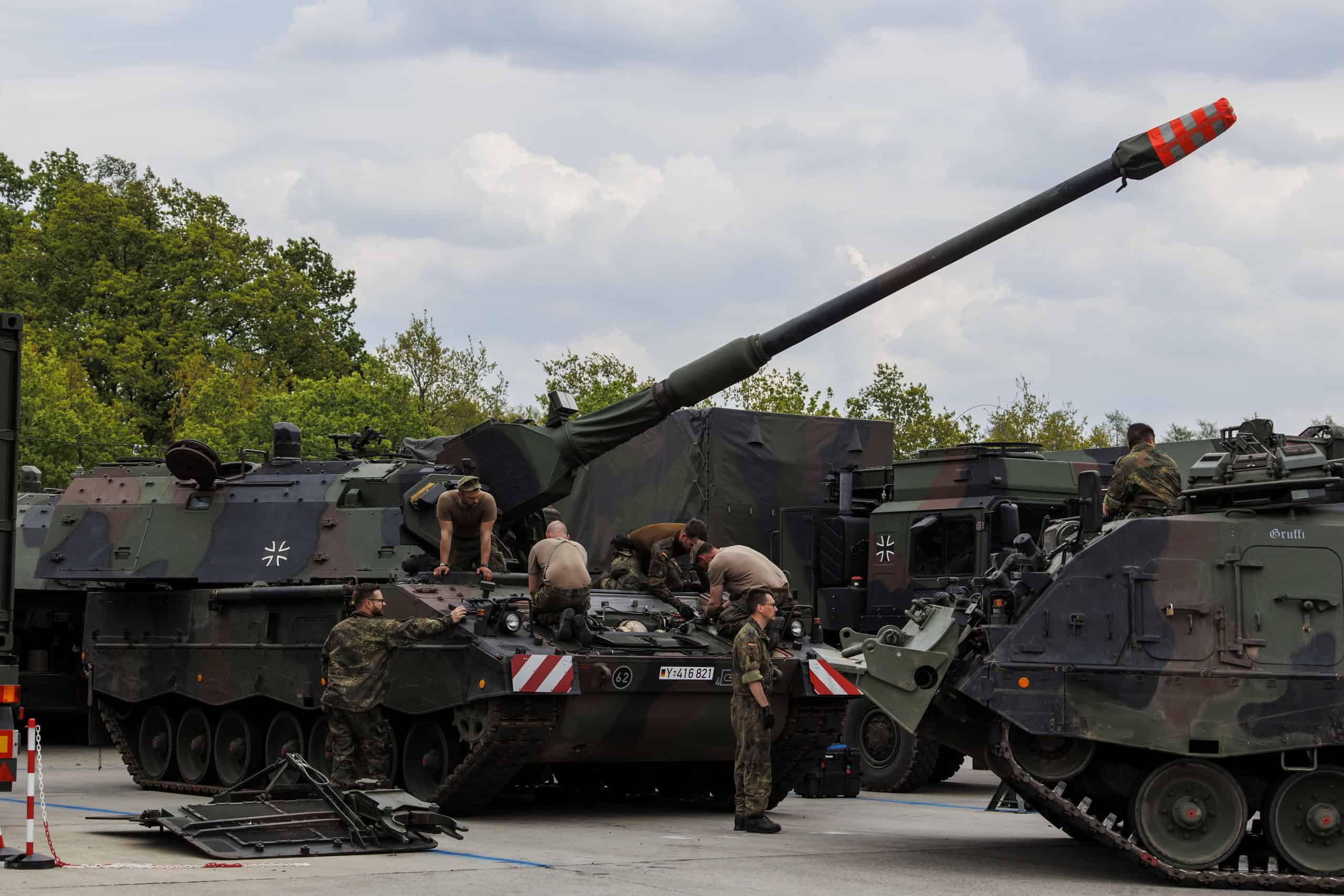
- NATO’s relevance has been reaffirmed by the conflict in Ukraine, prompting more countries to meet their defense spending commitments.
- However, a shift towards right-leaning populist politics in several Western countries, including the Netherlands, Italy, and potentially the United States, has made increased defense spending less popular.
- The tension between fulfilling NATO commitments and managing domestic political challenges creates uncertainty about future spending levels.
The Future of NATO and Defense Spending

- With more countries than ever meeting their NATO commitments, the alliance is re-emphasizing its core purpose of collective defense.
- The internal political climate in NATO countries will play a significant role in determining whether these commitments are sustained.
- The duration of the conflict between Russia and Ukraine will also influence NATO’s future direction and priorities.









 Top Gaining Stocks
 Top Losing Stocks