


Key Points:
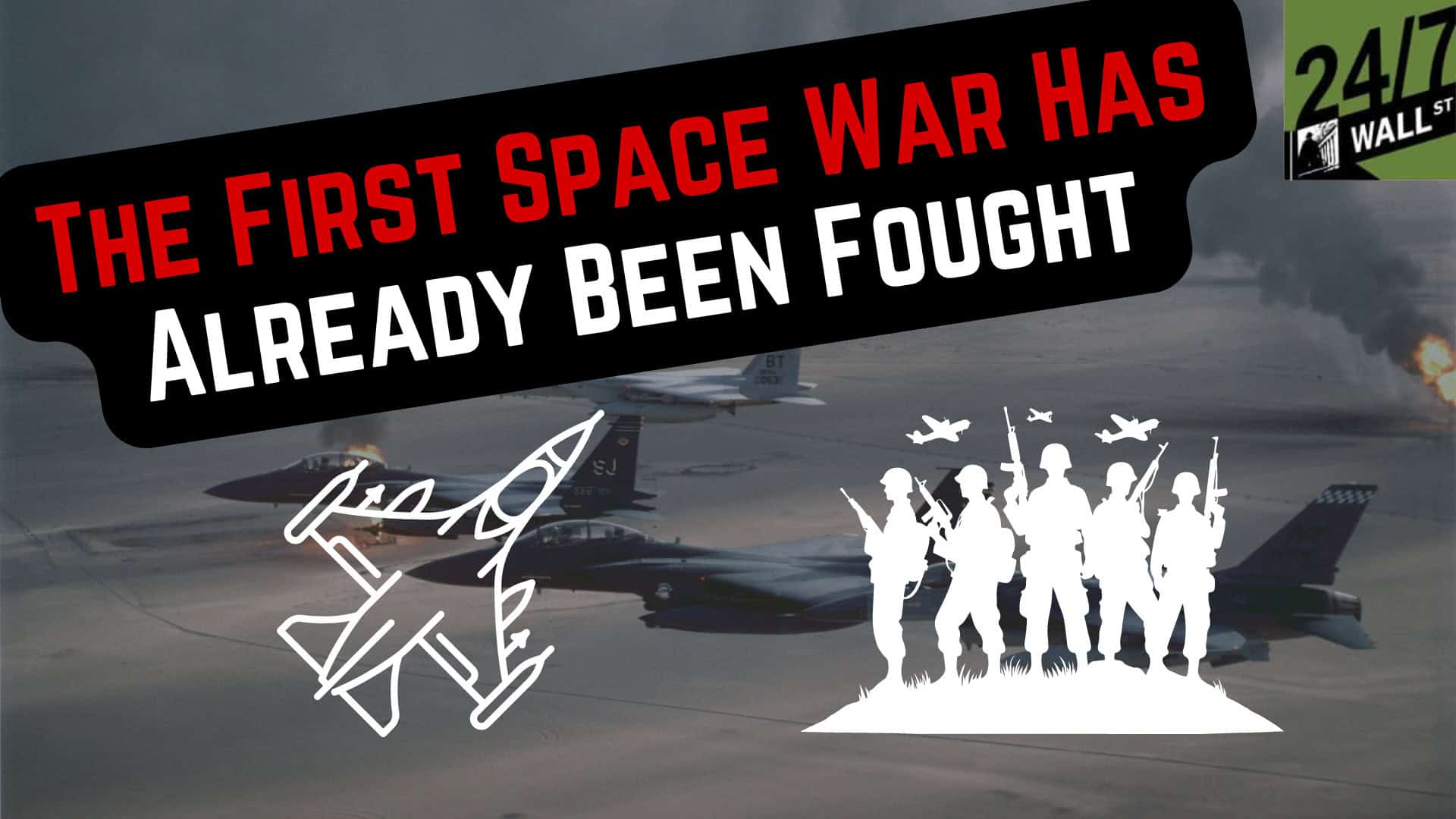
- The Gulf War, the first “Space War,” used satellites for targeting.
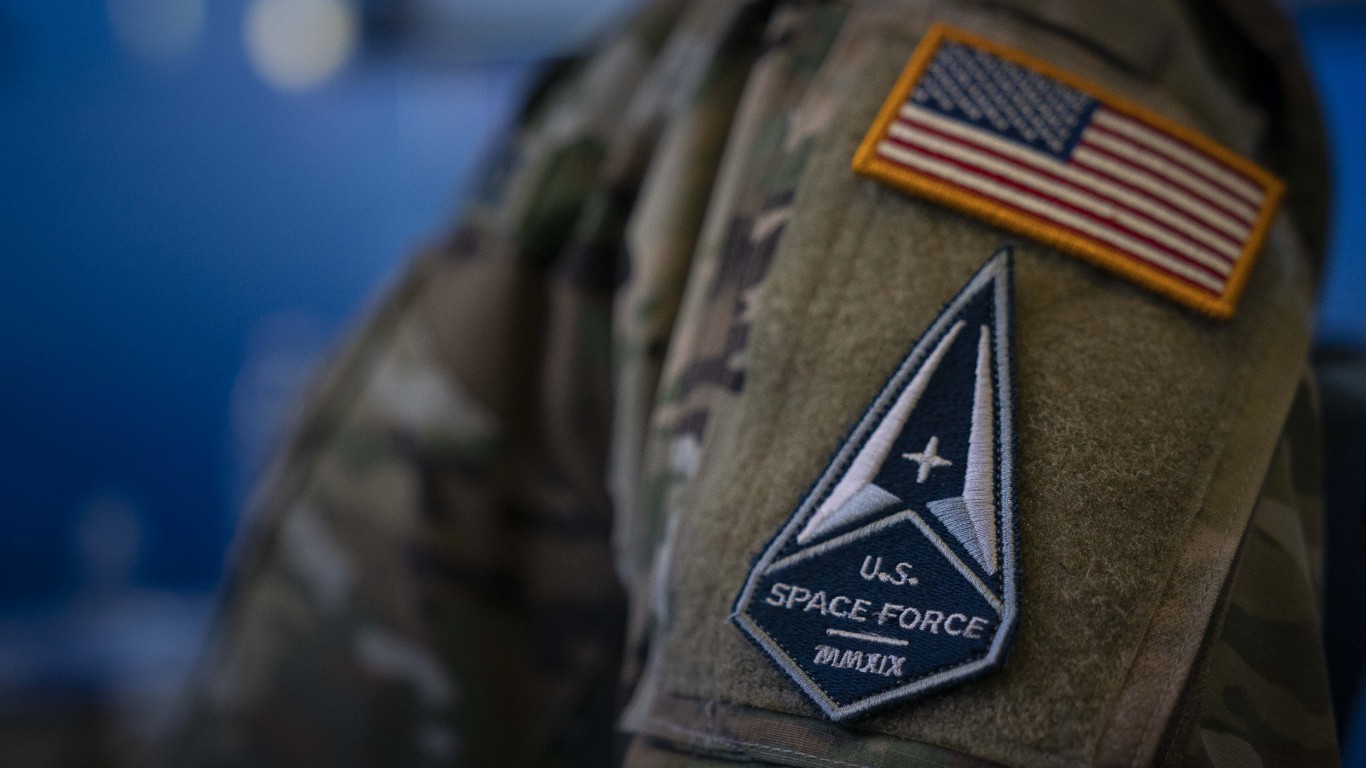
- Space Force ensures space dominance and secure communications.
- It manages growing satellite traffic for the U.S. and its allies.
- Answer your biggest retirement questions today!
Watch the Video
Edited Video Transcript:
this has a longer history and earlier sort of challengers than I was aware of.
You’ve referenced the Gulf War being the first space war.
What does that mean?
And then I’d love to hear about some rivals to the Space Force.
When the Space Force was launched, there were some questions around, why do we need this?
And it turns out there’s already challengers to it.
So let’s start with the Gulf War.
and then carry us through to today?
Yeah, so the Gulf War has the title of First Space War, and that just really simply means that orbital assets were used for navigation, for targeting, for early warnings of missiles, that sort of thing.
So it was fairly rudimentary at the start, but now it’s, you know, using satellites and warfare is extremely common.
And Excuse me, I lost my train of thought there.
Let me just get back to that.
Yeah, so the use of orbital assets for communications navigation, early missile warnings, that’s pretty standard now.
But, you know, it was probably worth just quickly going over what the Space Force’s mission is per se, because I think there’s still not a lot of great understanding of that, because this is a branch after all that is not even five years old, doesn’t have a really distinct identity.
And it’s quite small in terms of personnel.
It describes itself as lean and agile, which essentially means they don’t have a huge budget and they don’t have a lot of people.
But it has its main purposes are threefold space superiority, which we went over a little bit.
The second one is global missions operations, and the third one is a short space access.
So that’s directly quoting their literature there.
So we kind of went over space superiority already, protecting American satellites and allied orbital assets from cyber attacks, denying their use to an adversary.
For global missions operations, that’s just really just supporting missions for the United States and its allies, just making sure that communications remain open, navigation, targeting, all these things that we rely so heavily upon in modern military operations.
The Space Force essentially protects that.
And then for short space access, well, it’s just,
It’s getting very crowded up there.
The number of orbital asset satellites, that sort of thing, has increased dramatically in the last few years.
In fact, I think there’s over twenty five thousand at this point.
So part of the Space Force’s purview is to monitor what’s going on up there.








 Top Gaining Stocks
 Top Losing Stocks