


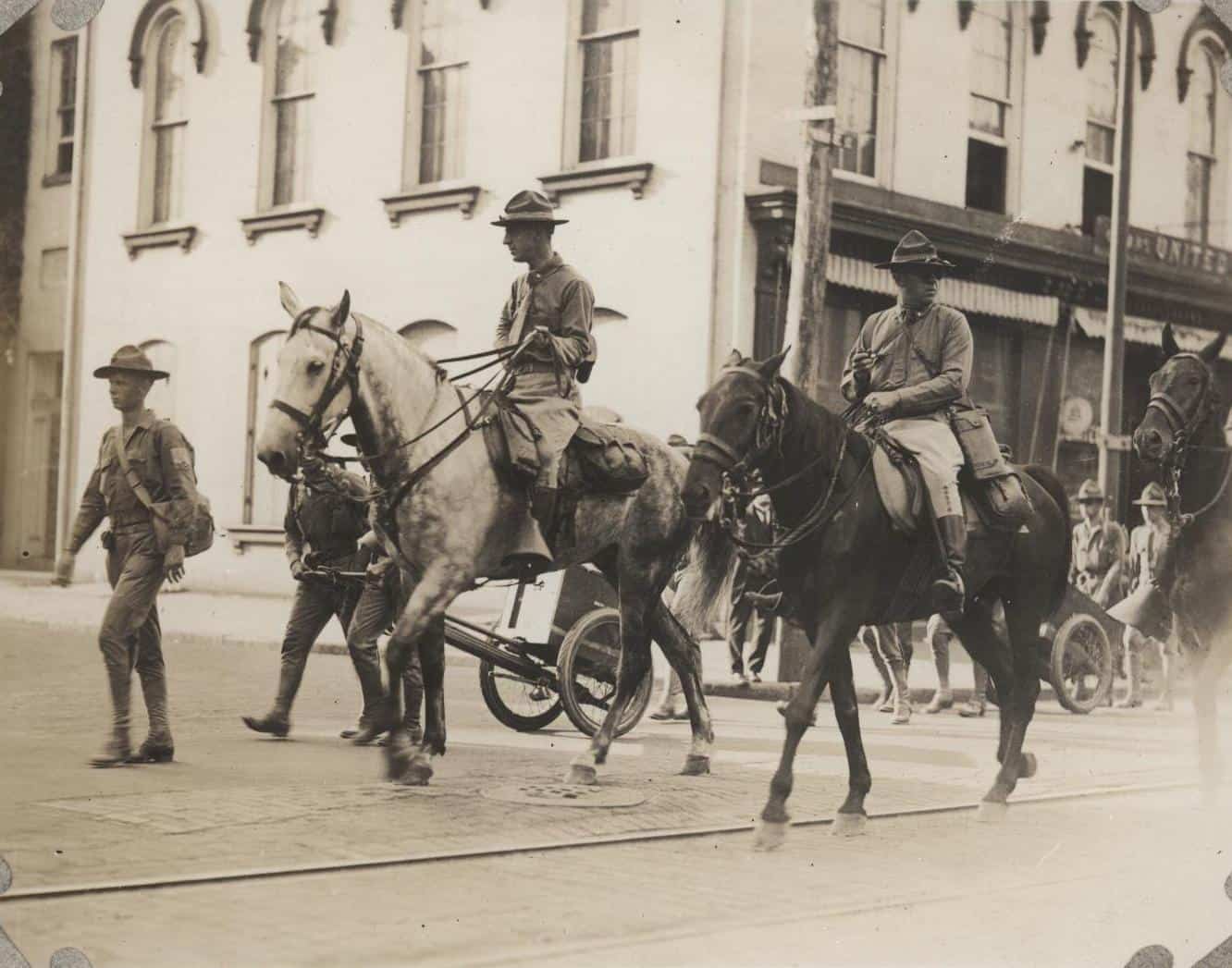
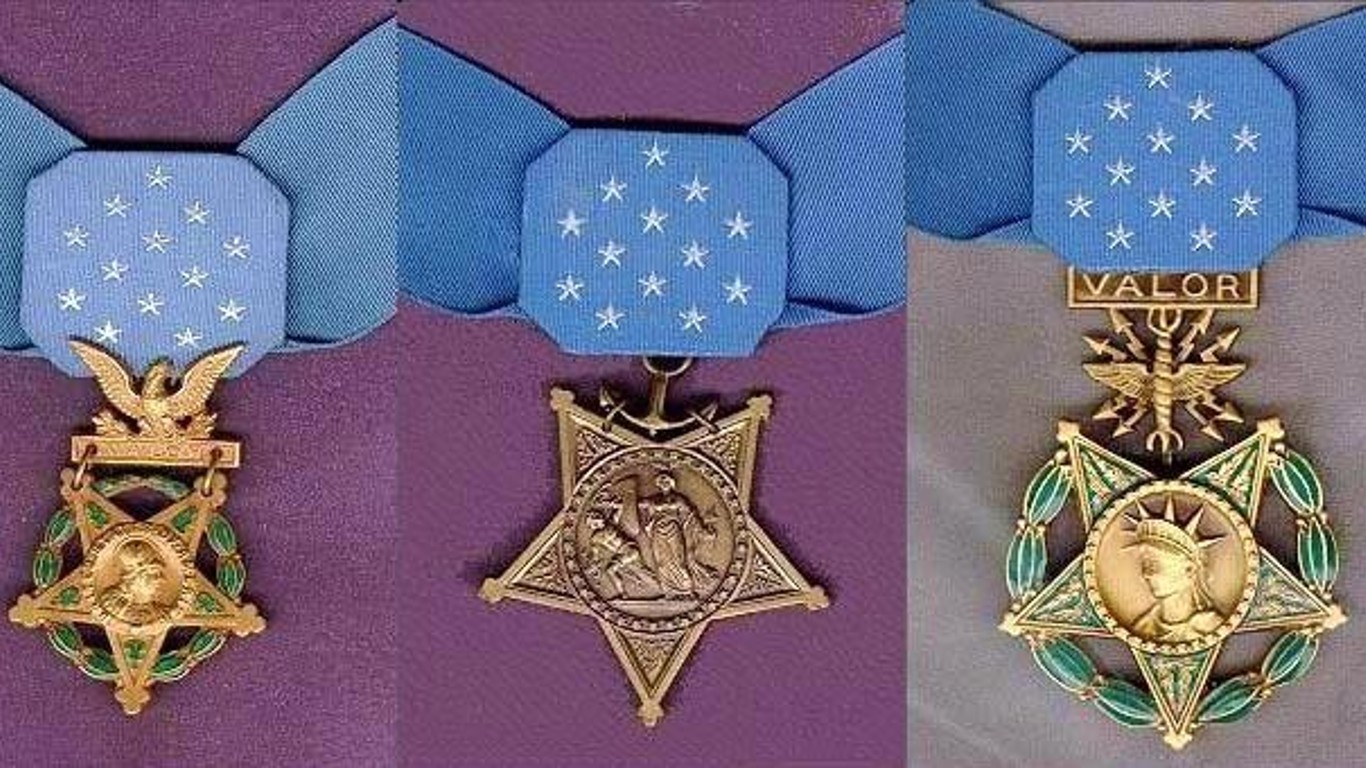
Known as “The Fighting Quaker” Major General Smedley Darlington Butler was the only person awarded a Medal of Honor and a Marine Corps Brevet Medal for separate events. This highly decorated and well-renowned war hero fought in multiple American wars, including World War I. But by the time of his retirement, he believed war was a profitable business for those in charge and at the cost of everyone else. Read on to learn more about his fascinating history. (Also see which countries are constantly at war today.)
#1 Spanish-American War
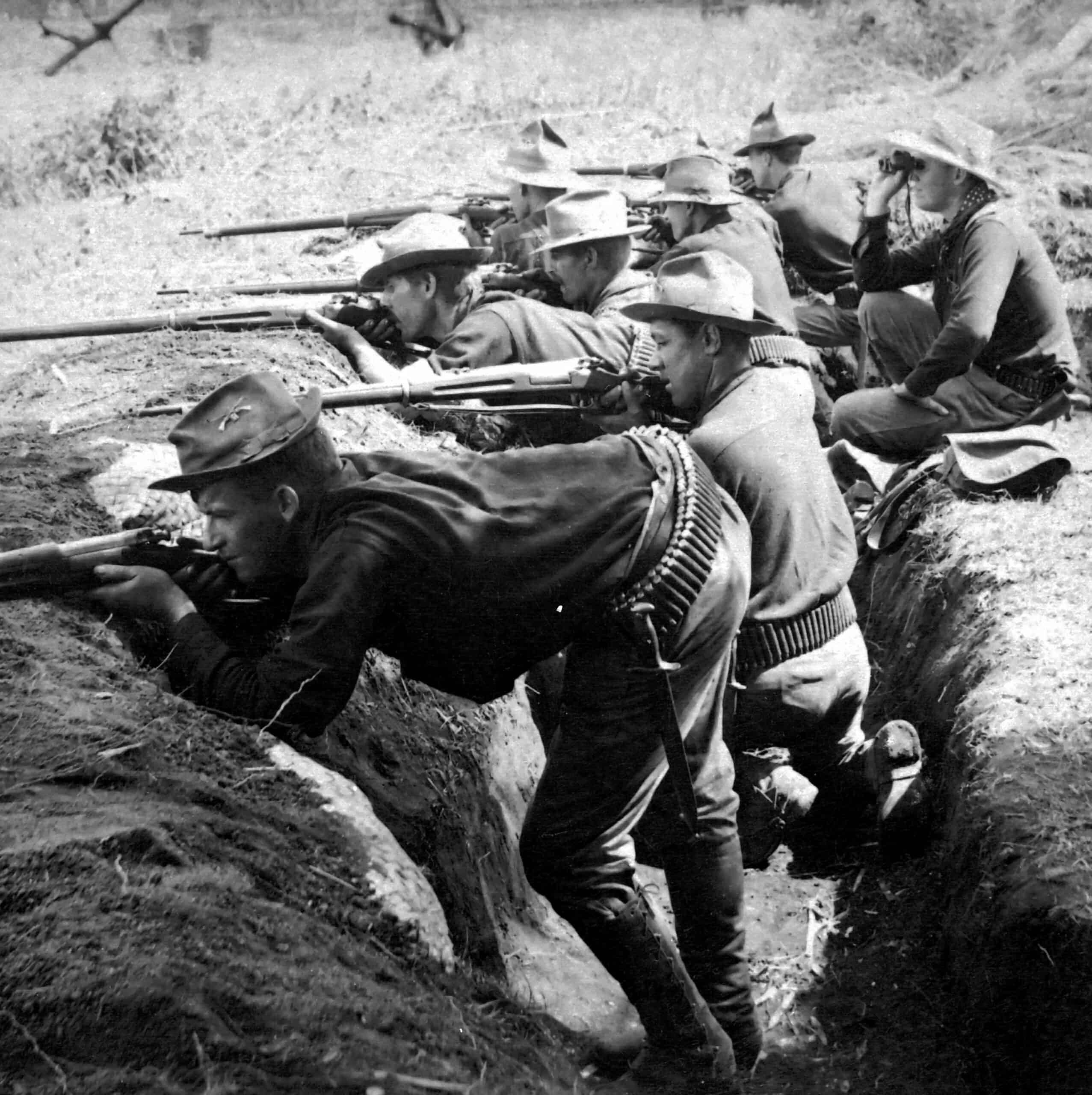
The Spanish-American War.
Lying about his age, Butler enlisted to fight in the Spanish-American War in 1898 when he was 16. He began as a Marine Second Lieutenant. He was sent immediately to Guantanamo Bay, and was then assigned to the USS New York, an armored cruiser, for four months.
#2 First Lieutenant
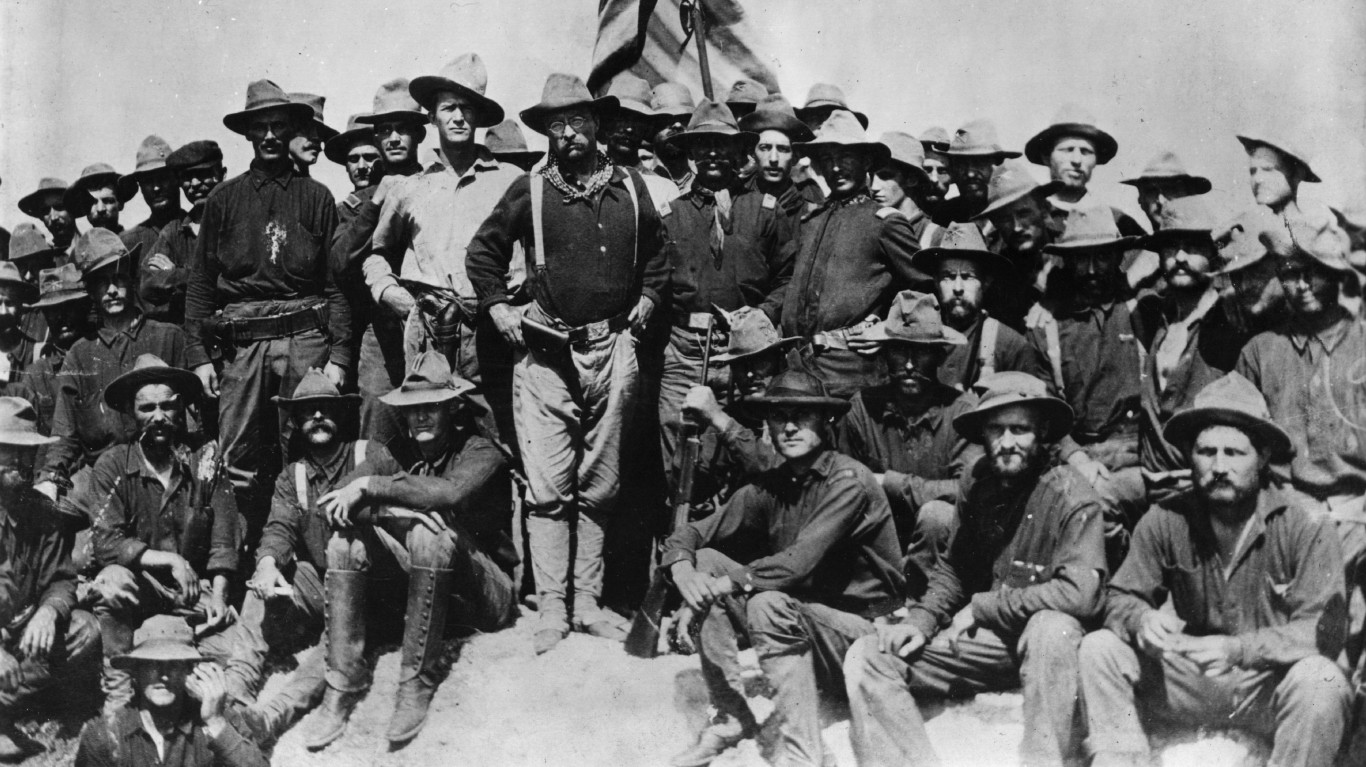
Spanish-American War.
On April 8, 1899, he accepted a commission as a First Lieutenant, instead of being mustered out of service. He was sent to Manila, Philippines on garrison duty. Because of a lack of action, he started drinking heavily and was temporarily relieved of command.
#3 Philippine Republic
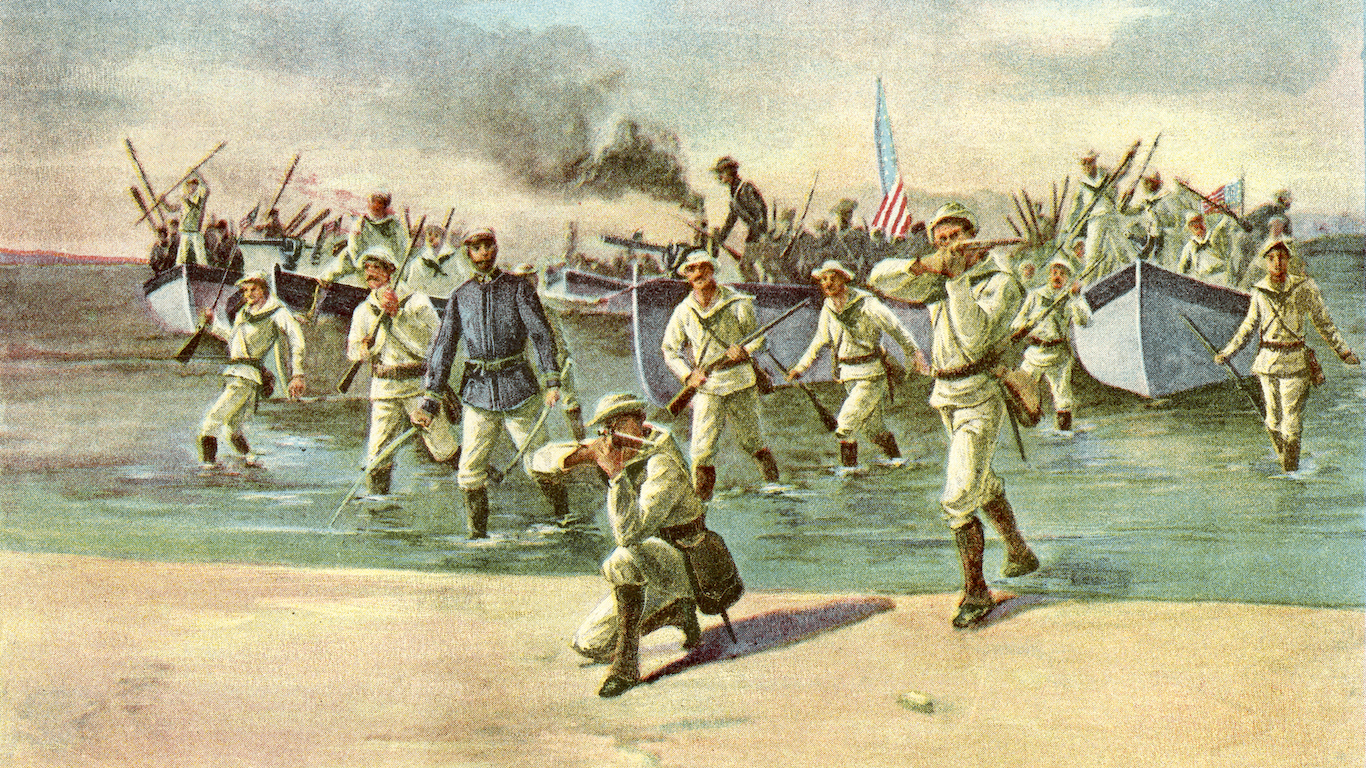
The Spanish-American War.
In October of that year, he led 300 Marines to take Novelata. By noon, Butler’s troop ran the native Filipino troops of the new Philippine Republic out of their town. There was only one casualty on the American side, 10 wounded, and 50 incapacitated from heat sickness.
#4 China Deployment

Tianjin, China.
By 1900, Butler was sent to Tainjin, China. He fought in the Battle of Tientsin and the Gaselee Expedition. He was severely affected by seeing mutilated human remains in that battle, and was shot in the thigh. Despite his wound, he helped other marines to safety.
#5 Banana Wars
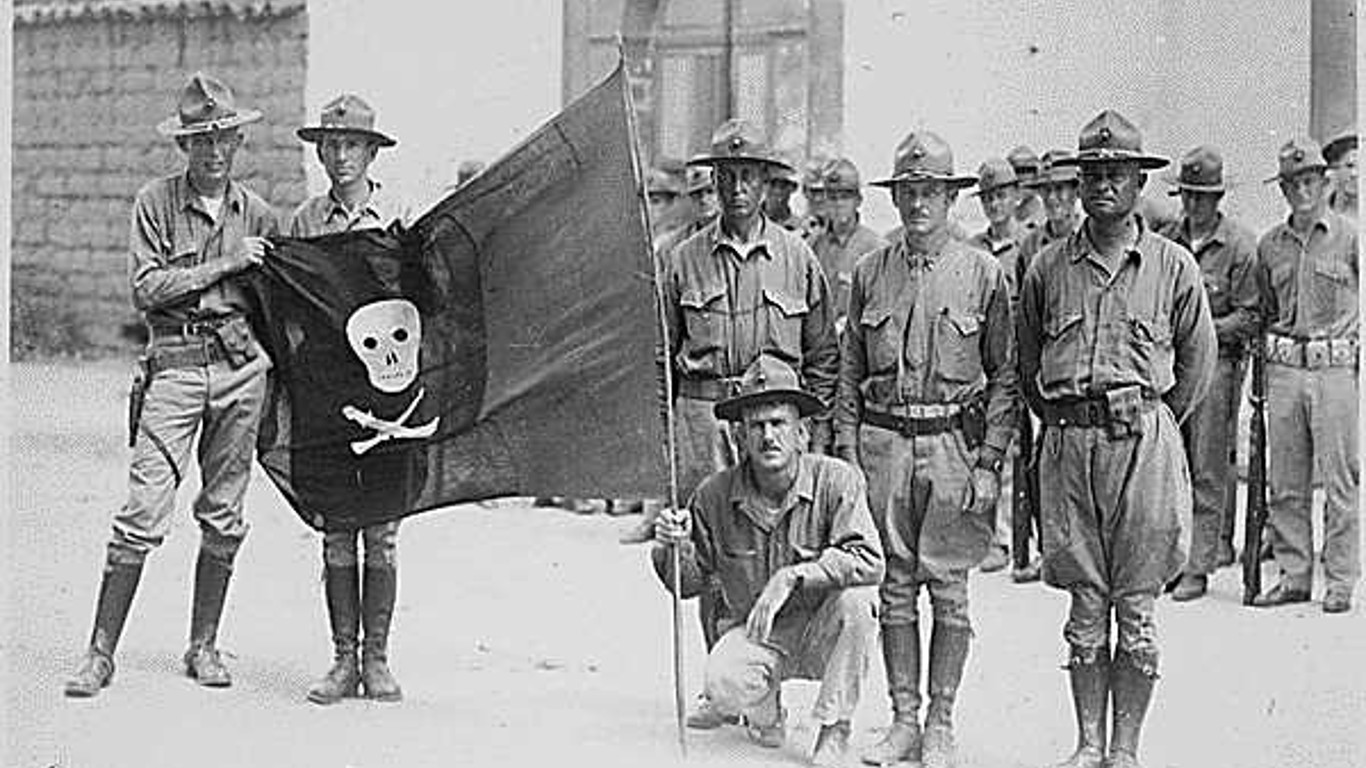
The Banana Wars.
Butler then participated in the corrupt and inhumane occupations known as the Banana Wars to protect the interests of the United Fruit Company. The Banana Wars started with the Mexican-American war and spread throughout the region.
#6 Nicaragua
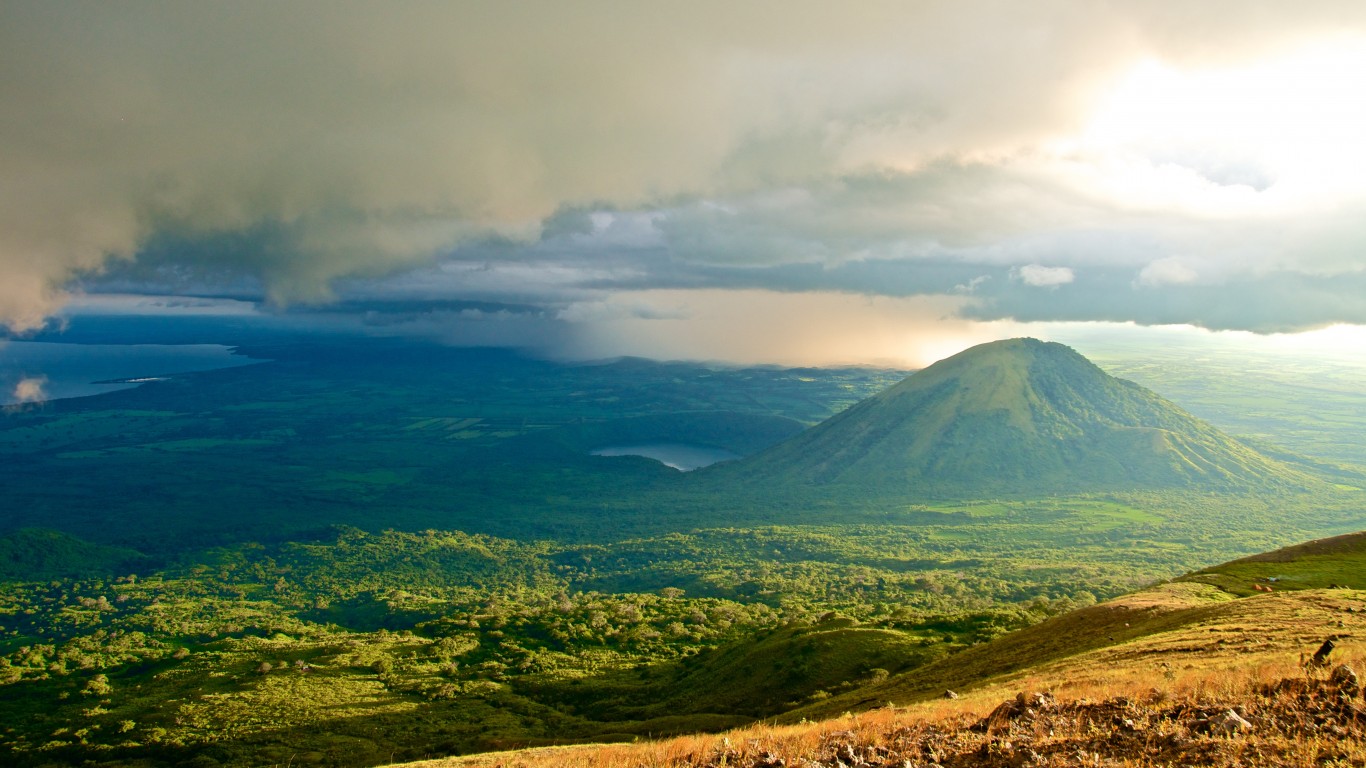
Nicaragua.
Between 1909 and 1912, he was stationed in Nicaragua. He retook the city of Granada, commanded the 3rd Battalion on the Isthmus of Panama, led a battalion in the Battle of Masaya, and captured Coyotepa Hill. He also overtook the Mexican city, Veracruz for six months. He seized all rebel strongholds in Haiti, the last one with hand-to-hand combat. He earned his two Medal of Honors during this period.
#7 Makes Me Mad
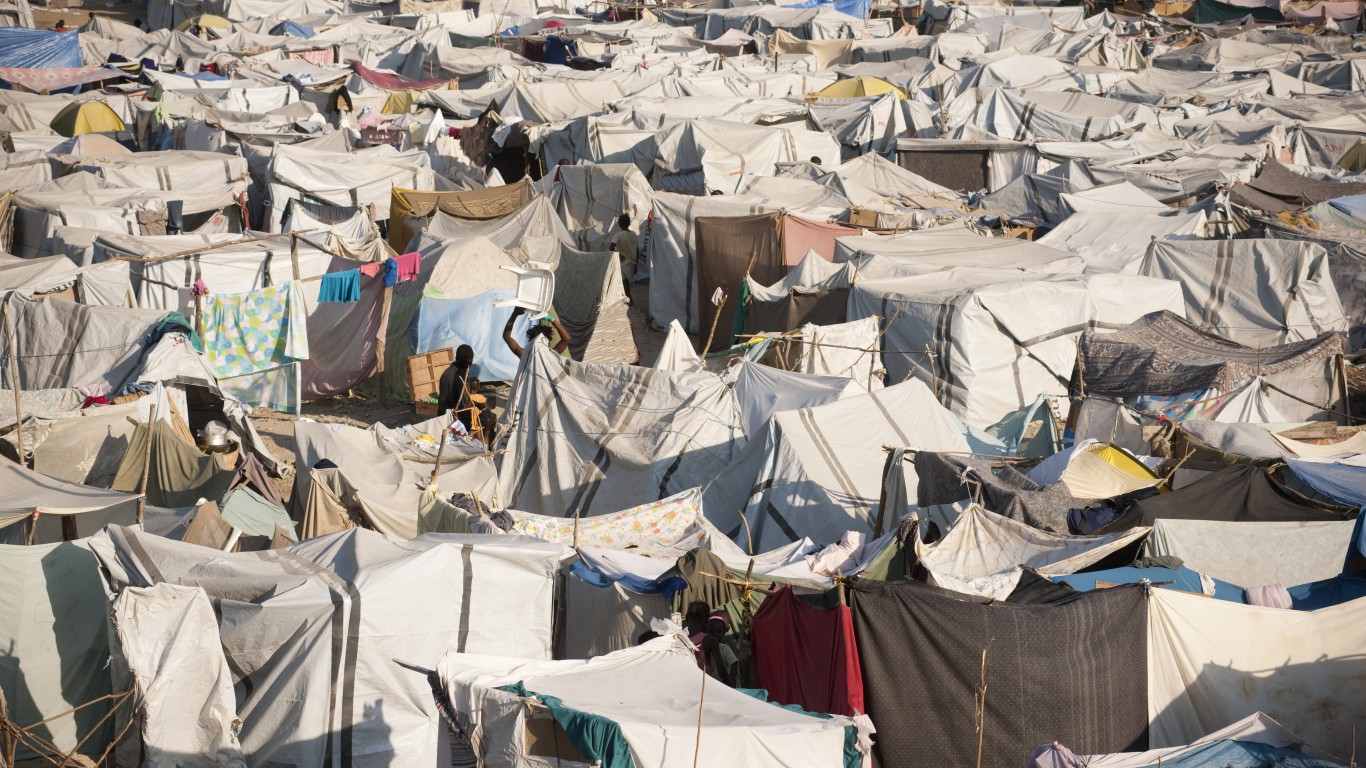
Haiti.
Although publicly a dedicated soldier, even leading his battalion with a 104-degree fever at one point, he privately criticized the United States. In a letter to his parents, he said, “What makes me mad is that the whole revolution is inspired and financed by Americans who have wild cat investments down here and want to make them good by putting in a Government which will declare a monopoly in their favor… The whole business is rotten to the core.”
#8 World War I
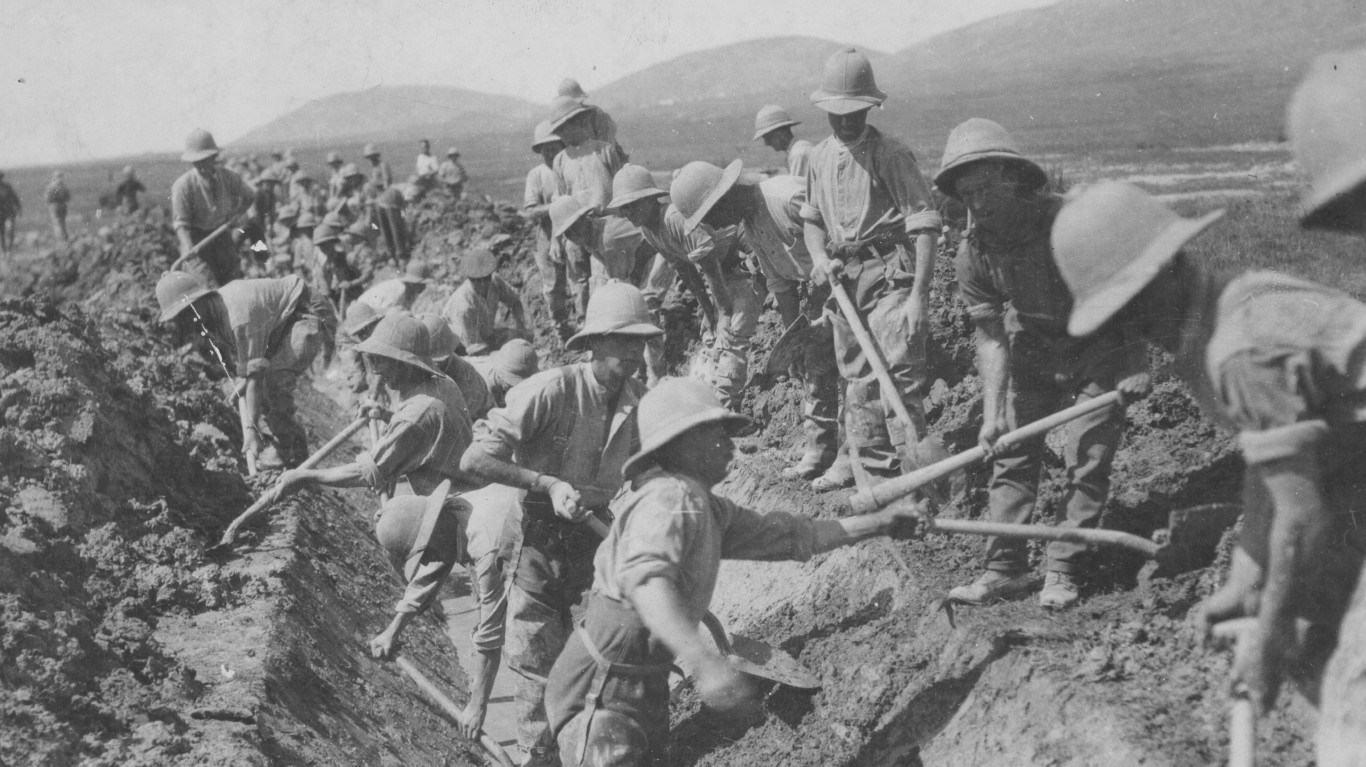
World War I.
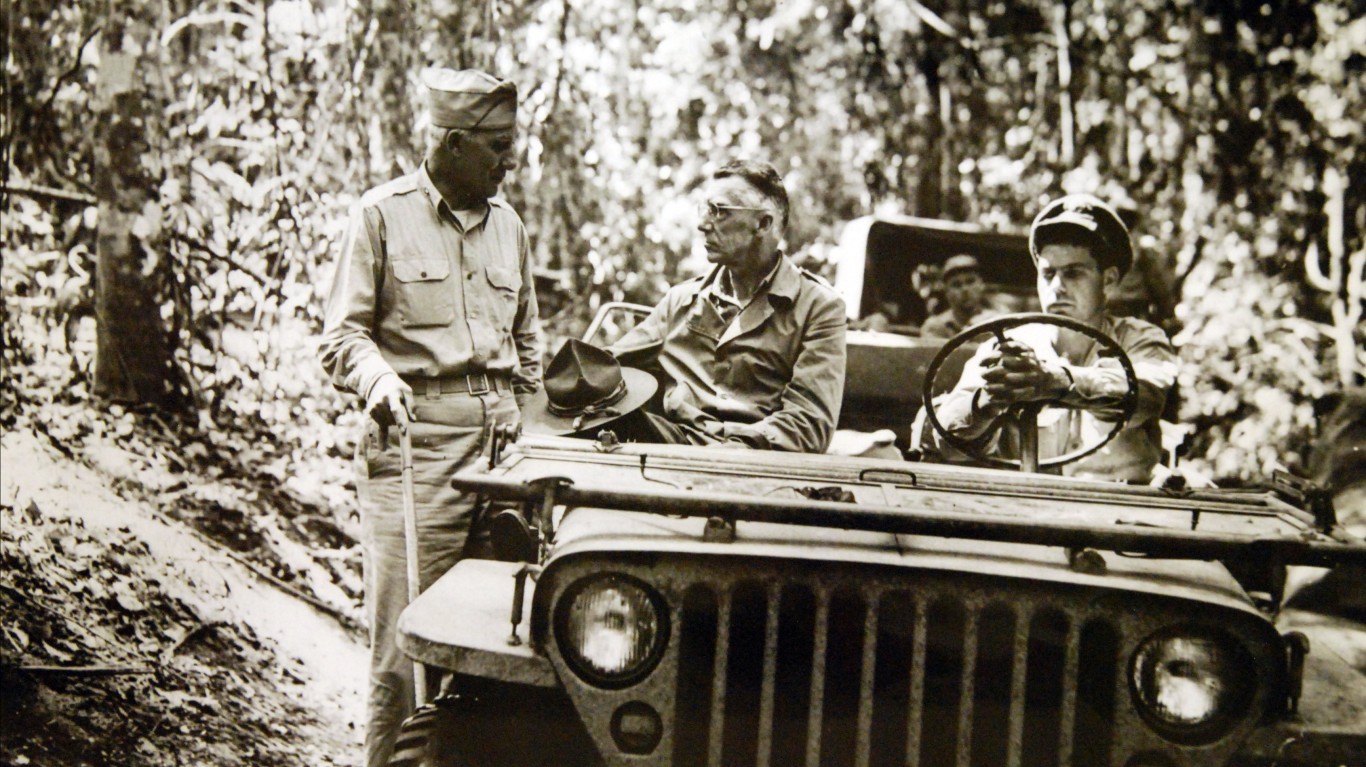
During World War I, he was promoted to brigadier general and was in command of Camp Pantanezen in Brest, France. It was a depot that funneled U.S. Expeditionary forces to the frontlines. He earned three medals during this time because he solved many sanitation problems at the depot.
#9 Public Safety
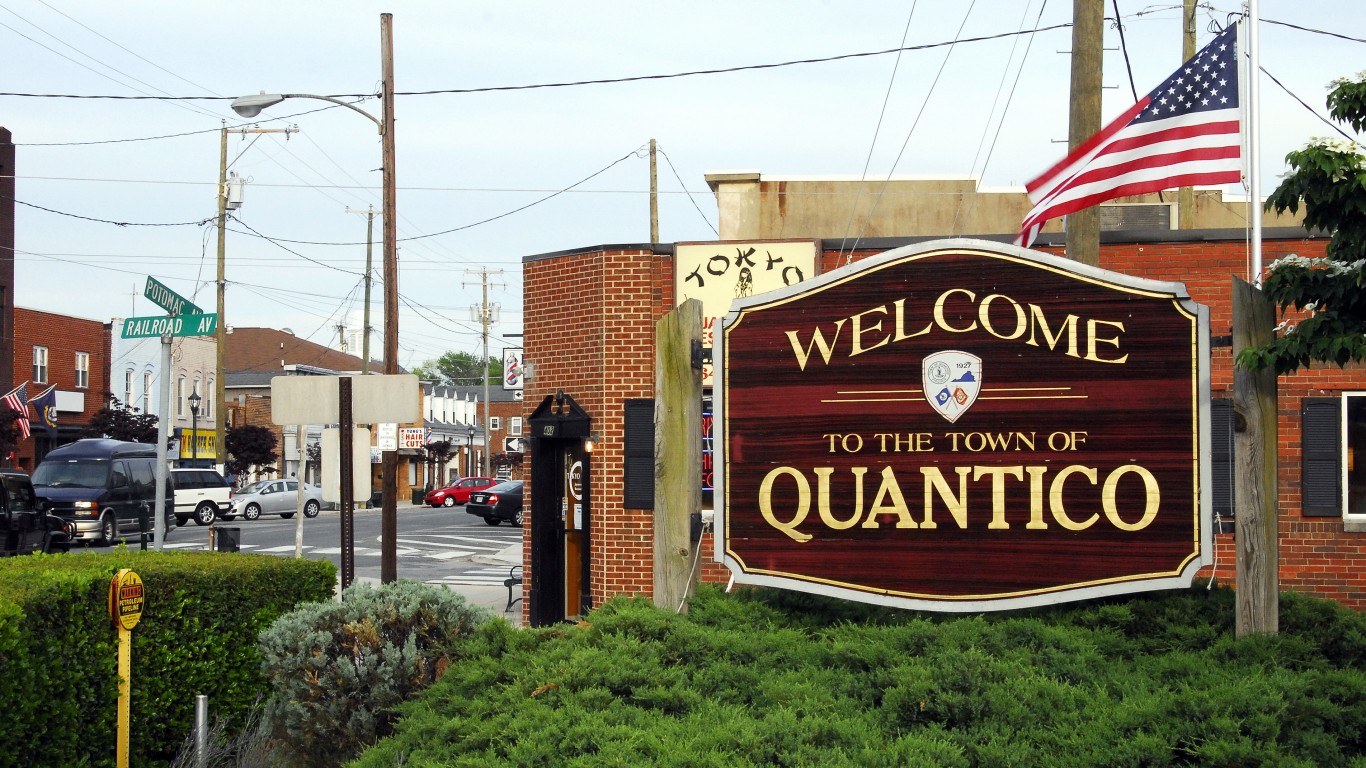
Quantico.
When the war ended, he became commanding general of the Marine Barracks in Quantico, Virginia. In 1924, he was assigned to Philadelphia’s Municipal Government of Crime and Corruption. He served as the Director of Public Safety, where he was in charge of running the police and fire departments.
He broke up protection rackets and profiteering, raided more than 900 speakeasies (within 48 hours), established bandit-chasing checkpoints, cracked down on crooked police, and enforced prohibition.
#10 China Again

Tianjin.
In 1926, he rejoined the Marines and commanded an expeditionary force in Tianjin, China in 1927. His success there earned him a promotion to major general, the youngest ever promoted in the Marine Corps at age 48. In 1931, he was passed up from another promotion and retired.
#11 Bonus Army
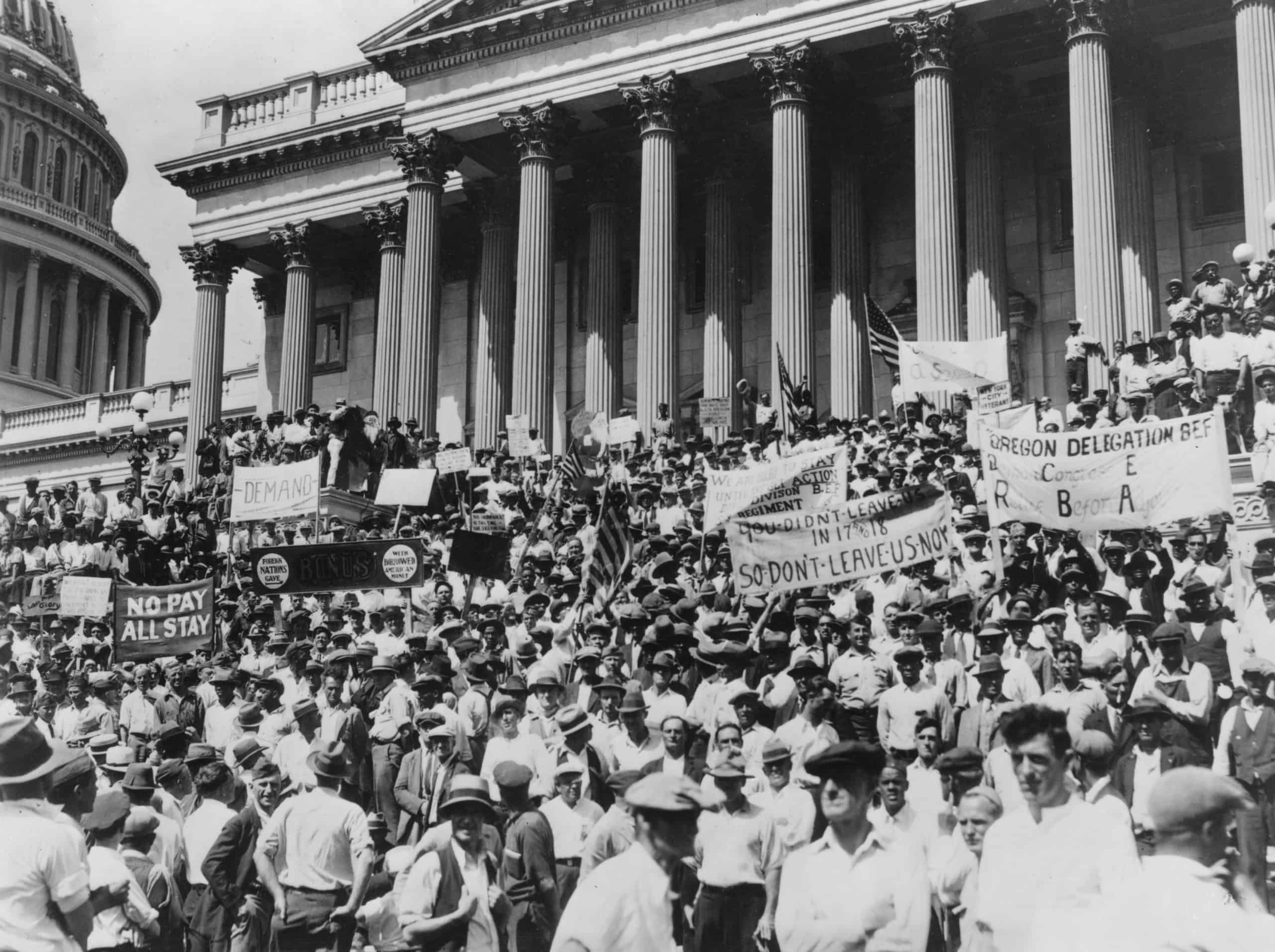
“Bonus Army” protests.
During his retirement, he led the “Bonus Army,” protests, in order to get Veterans the bonuses they were entitled to. He was an anti-war lecturer who likened his military service to being a “high-class muscle man for Big Business, for Wall Street and bankers. [I was a] racketeer and a gangster for capitalism…I might have given Al Capone a few hints. The best he could do was to operate his racket in three districts. I operated on three continents.






 Top Gaining Stocks
 Top Losing Stocks