


To understand more about U.S. military interventions, 24/7 Wall St. assembled a list from sources like the Global Policy Forum, the United States Senate, the World Population Review, and others.
This post was updated on January 14, 2026 to clarify specific dates and provide an overview of U.S. invasions throughout the decades.
Keeping It in Context
When considering U.S. military intervention, some people believe that the United States has overreached in world affairs by taking on the role of “world policemen.” Others feel that if the U.S. did not take that role, autocratic countries would fill the vacuum. Autocracy in charge could lead to larger and more violent roles, as well as the disruption of international trade. Regardless of your perspective, it is simplistic to paint all American interventions with the brush of “imperialism.” U.S. objectives have changed over time. Here’s how:
- Territorial expansion was a prime motive early in the country’s growth.
- Later, competition with European empires for access to foreign markets led to naval clashes. Troops were sent to various parts of the world to support U.S. business interests and defend American citizens.
- The U.S. was dragged unwillingly into World War I and II. These conflicts broke up the European empires and brought the U.S. to global leadership.
- In the postwar period, the United States intervened in countries to prevent or reverse the spread of communism, to preserve freedom of trade on the seas, to stop out-of-control civil wars, and to disrupt terrorist networks.
Countries the U.S. Invaded After Declaring War
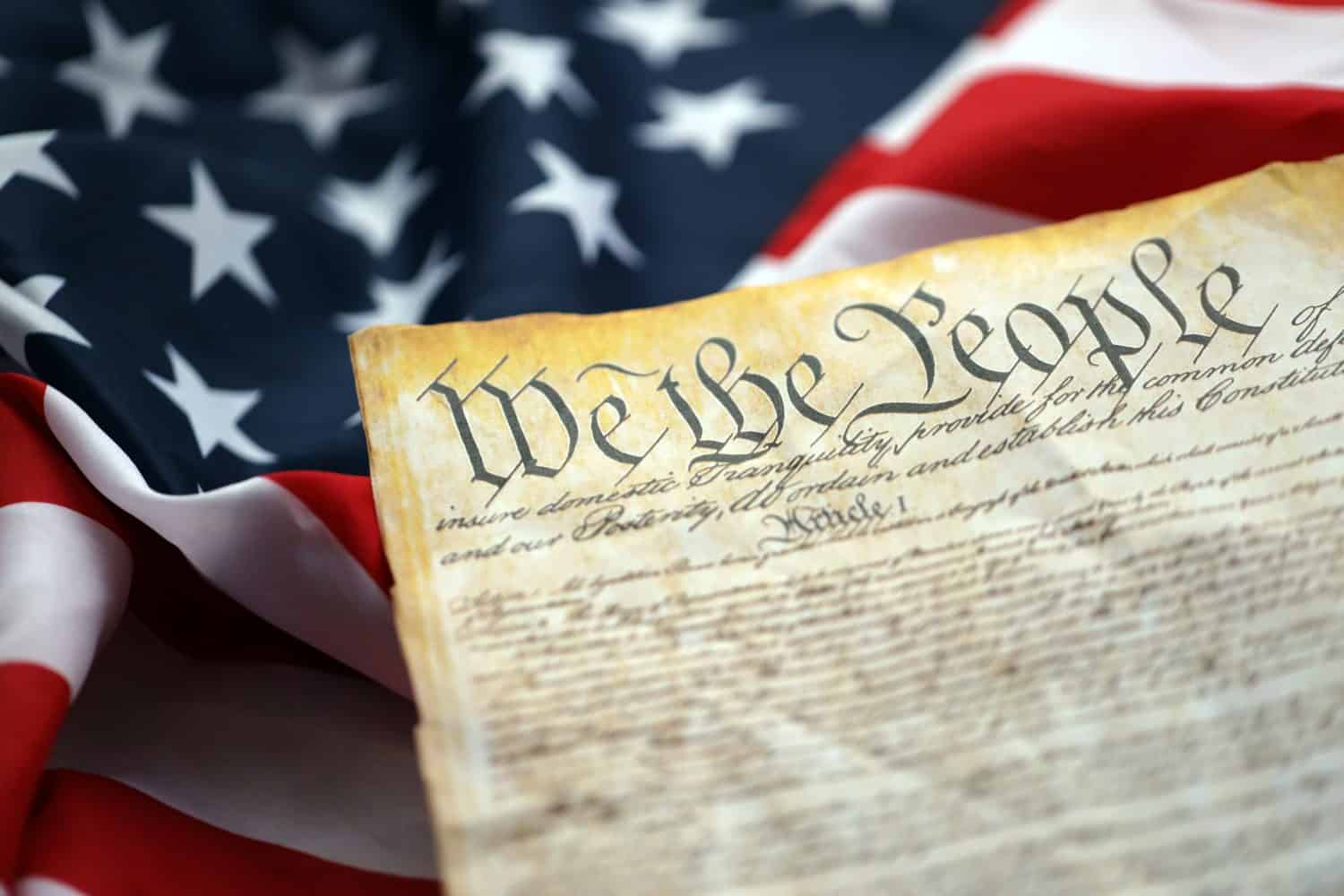
As outlined in Article I, Section 8, Clause 11 of the United States Constitution, the Congress is the only body in the United States that has the authority to declare war against other nations. Throughout our history, Congress has declared war eleven times through five different conflicts.
The War of 1812
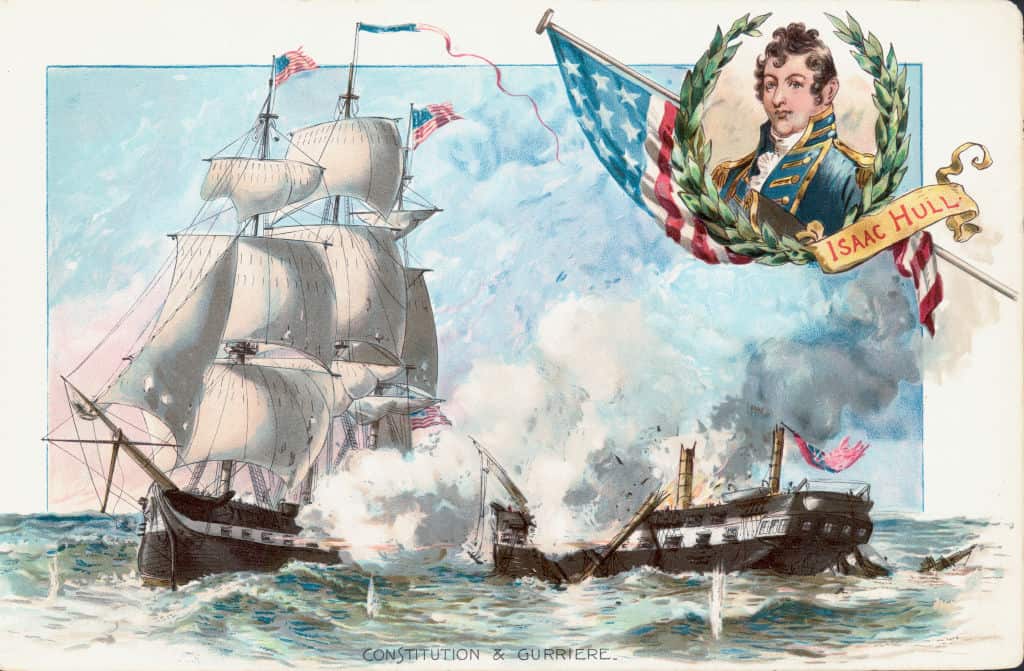
During the War of 1812, the U.S. declared war against Britain over maritime rights. During the War, American troops invaded Canada but were unable to retain control of any Canadian territory.
The Mexican War
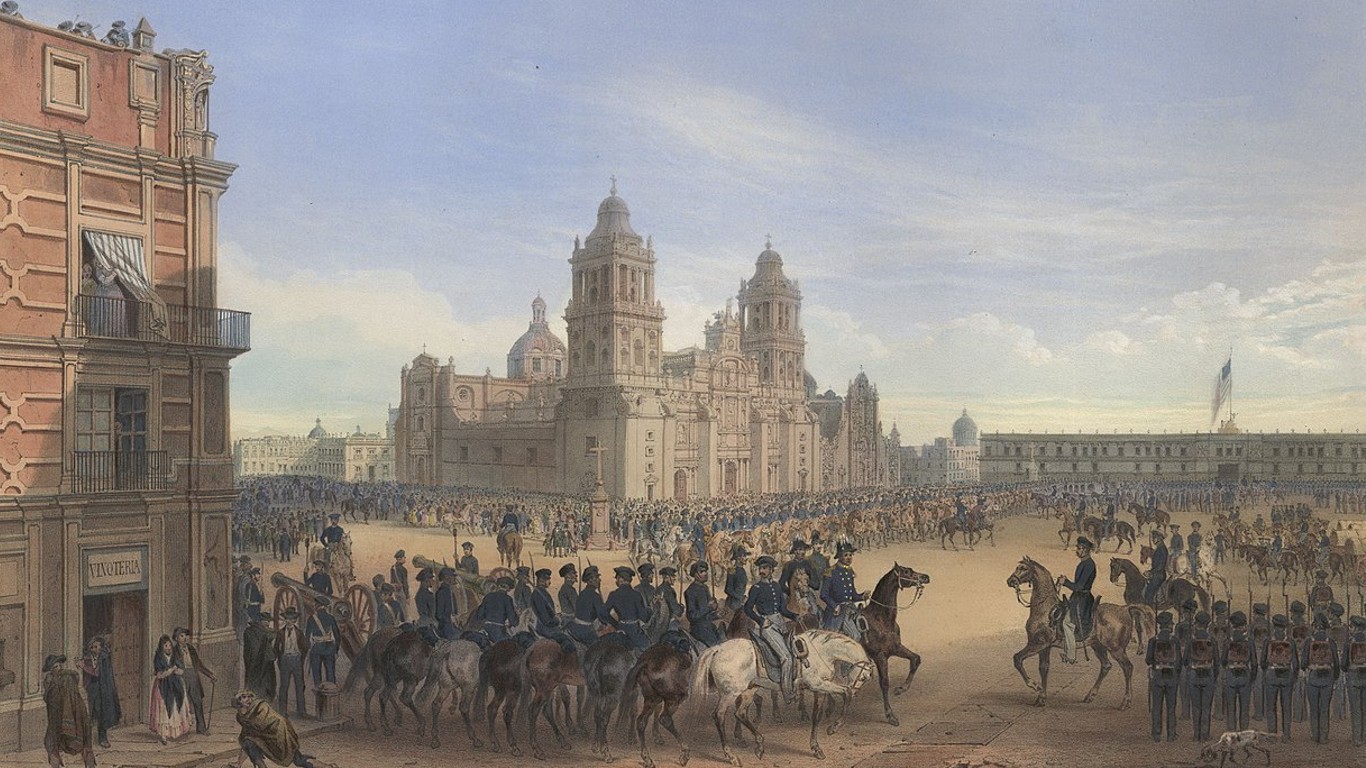
The United States formally declared war on Mexico from 1846-1848 to settle the Texas border and seize more territory for settlers. At the end of the war, the U.S. annexed nearly half of Mexico’s territory, including California and the other southwestern states.
The Spanish-American War
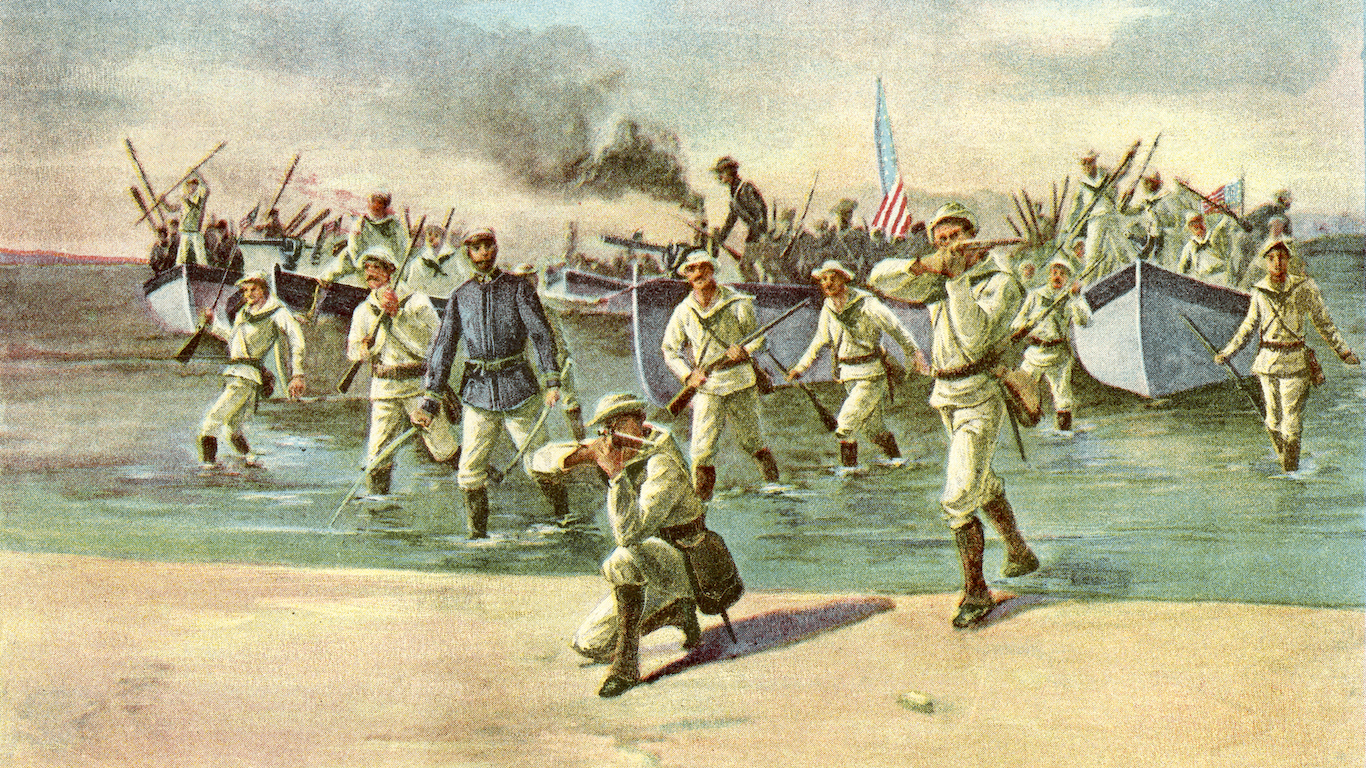
In 1898 the U.S. Congress declared war on Spain to support Cuba’s quest for independence. Afterward, the Americans kept the former Spanish colonies of Puerto Rico, Guam, and the Philippines as colonies. The Philippines gained independence in 1946.
World War I
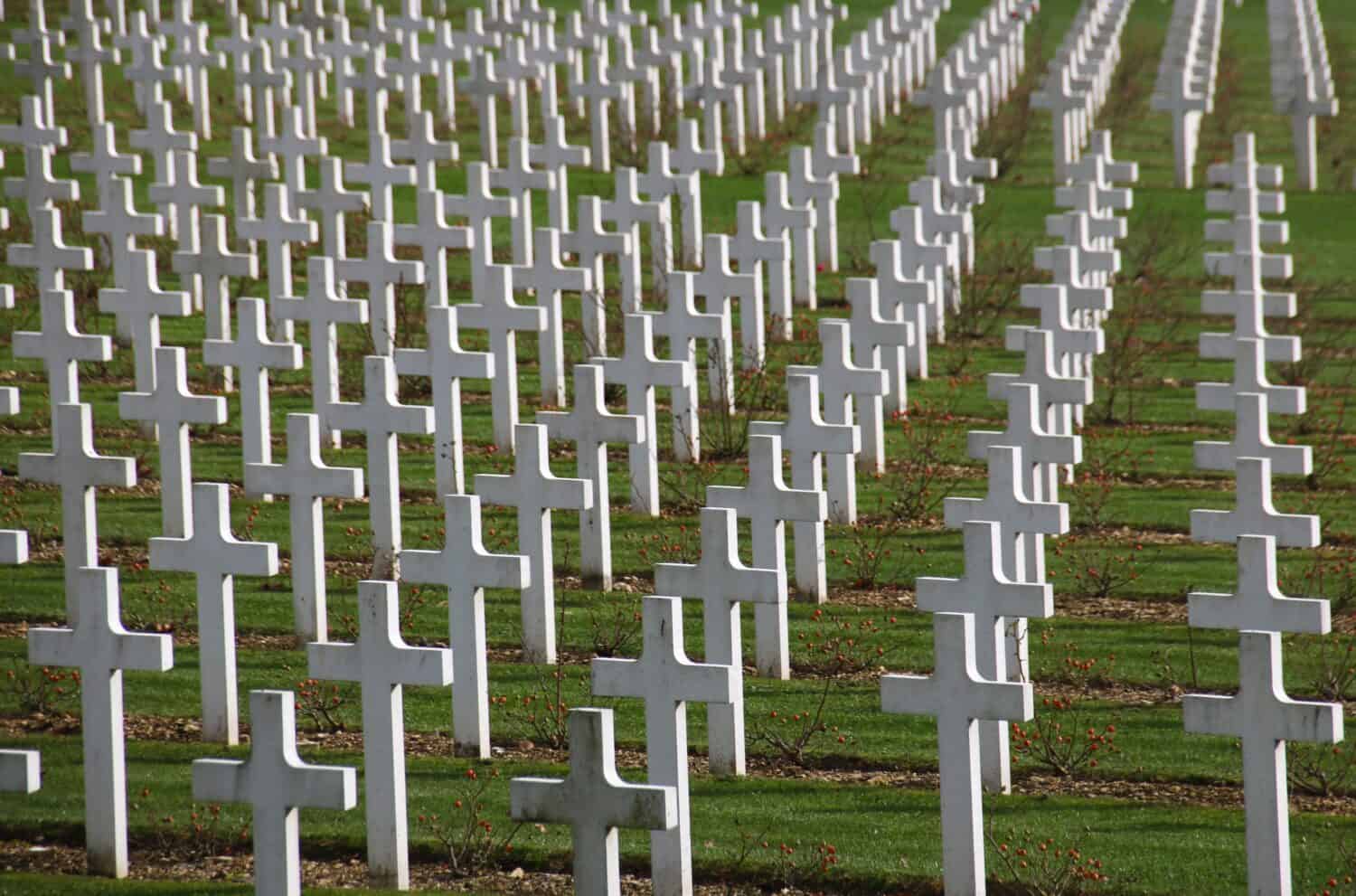
The United States declared war on Germany and Austria-Hungary in 1917 near the end of World War I. While Americans had tried to stay out of the war, German targeting of American shipping and efforts to instigate Mexico to attack the U.S. were two of the influential factors drawing the United States in. Fresh American troops helped bring the conflict to an end in about 18 months.
World War II
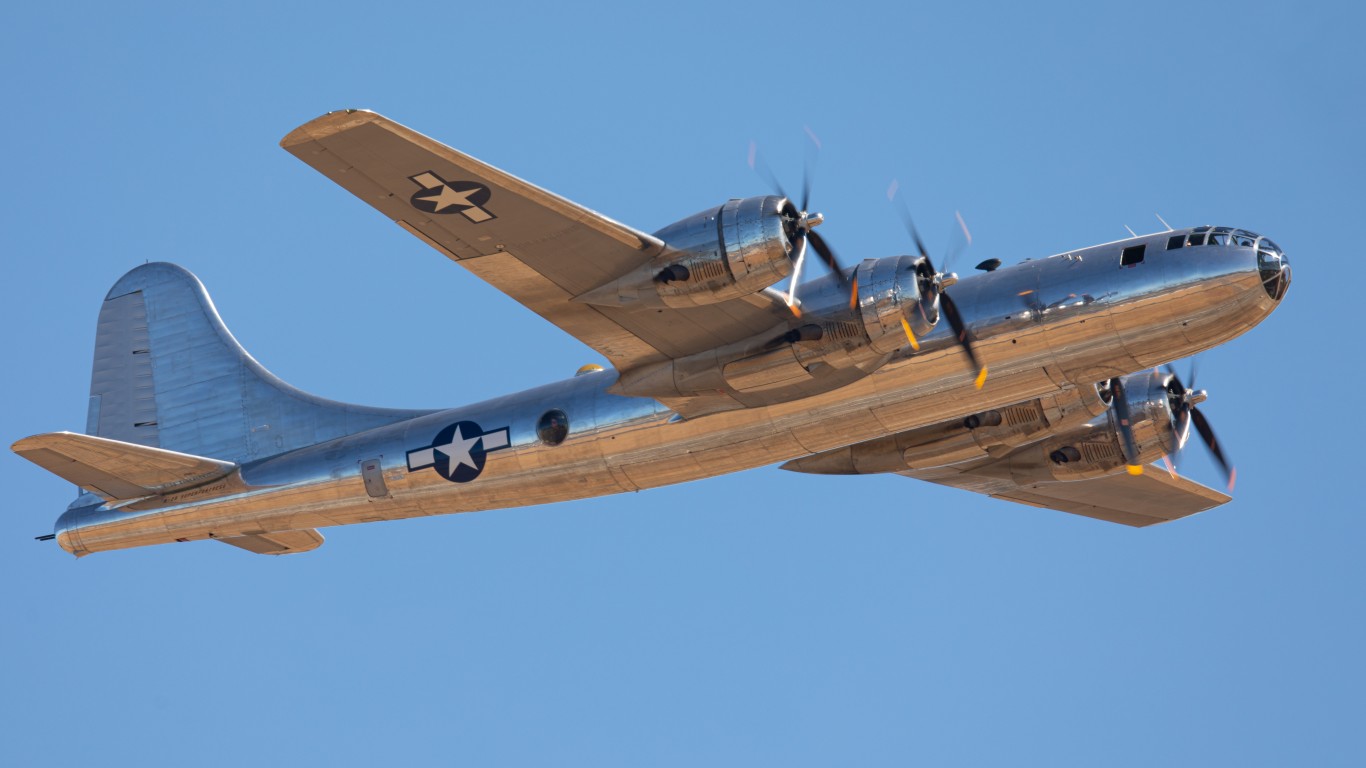
A surprise Japanese attack on Pearl Harbor, Hawaii in 1941 precipitated a U.S. declaration of war against the Empire of Japan and shortly later against Germany and Italy as well. The following year, Congress passed declarations of war against Bulgaria, Hungary, and Romania, which had allied with Germany for protection against the Soviet Union and for German support for their territorial ambitions. The war concluded in 1945 when the U.S. dropped two atomic bombs on Japan.
Major Undeclared Wars
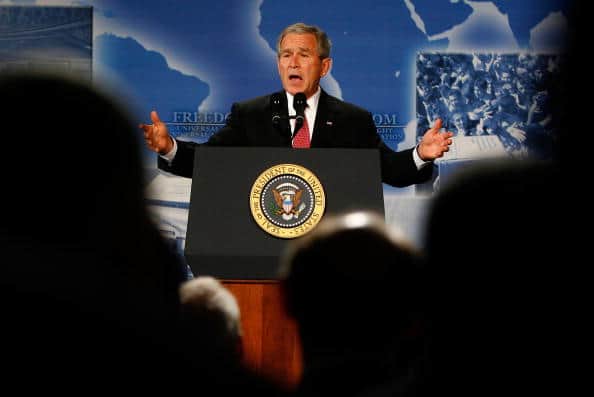
Although the U.S. has declared war on several occassions, our country has also engaged in undeclared military action throughout its history. One of the advantages of not declaring war is that the military can retain the element of surprise in its operations, rather than announcing the war through a Congressional debate and vote. It also permits rapid responses to fast-emerging threats. However, getting involved in conflicts without first getting a Congressional declaration of war gives Presidents a huge amount of power that may go beyond what the writers of the Constitution envisioned.
The Barbary Wars
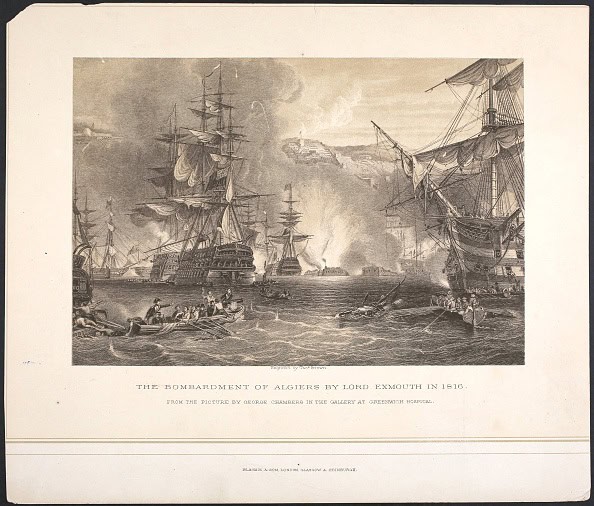
The country’s first major foreign military engagement was against the Barbary pirates on the Mediterranean coast of northwest Africa that had been harassing U.S. shipping. This included a war with Tripoli from 1801-1805 and Algiers from 1815-16. Today these cities are part of Libya and Algeria, respectively.
The Annexation of Hawaii
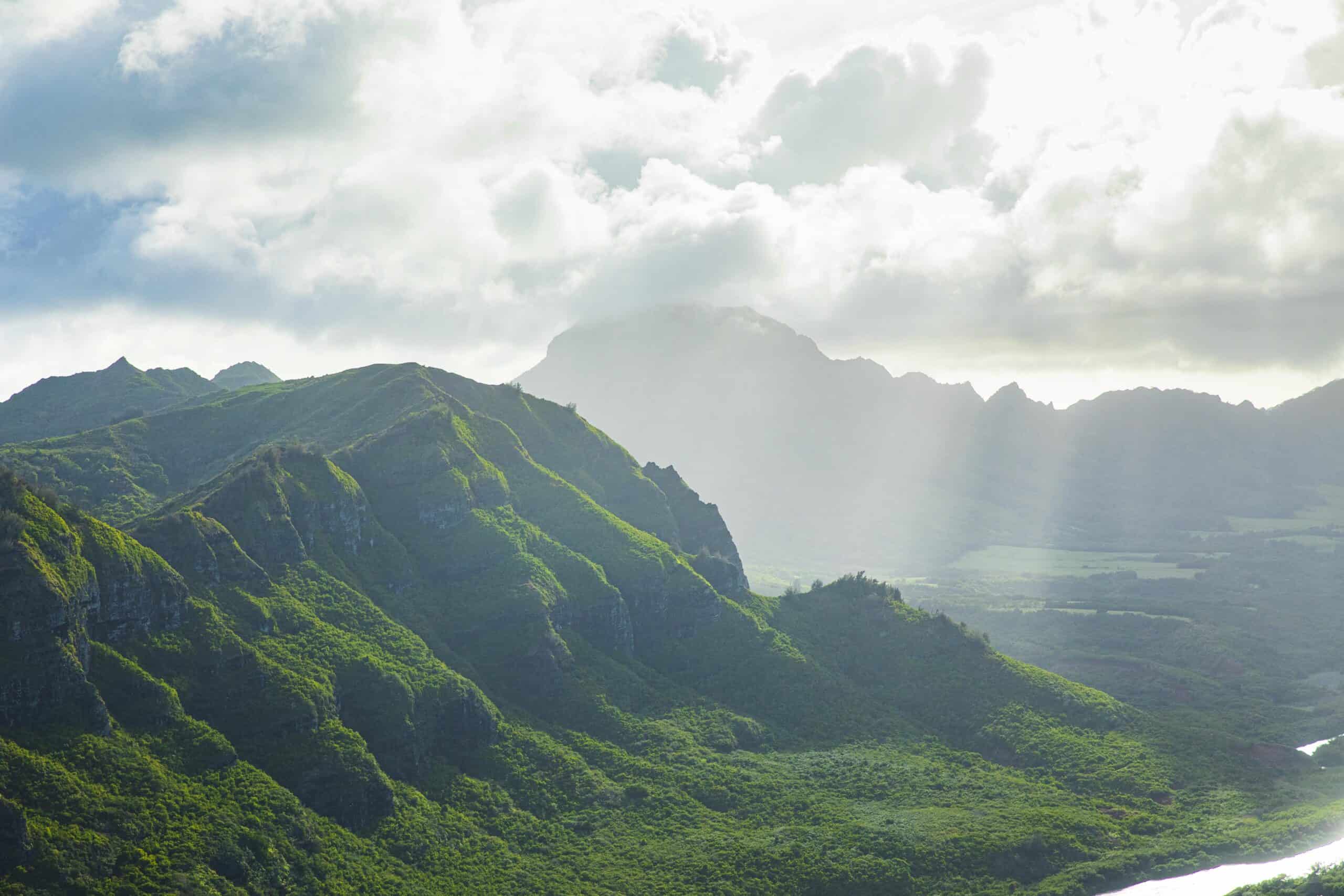
In 1893, American plantation owners instigated a rebellion to overthrow Queen Liliuokalani of Hawaii. American Marines backed up the coup and the new provisional government applied for annexation to the United States. This action was provoked in part because the U.S. Congress placed tariffs on imported sugar. By becoming part of the United States, Hawaiian planters would not be subject to the tax on foreign commodities.
The Russian Civil War
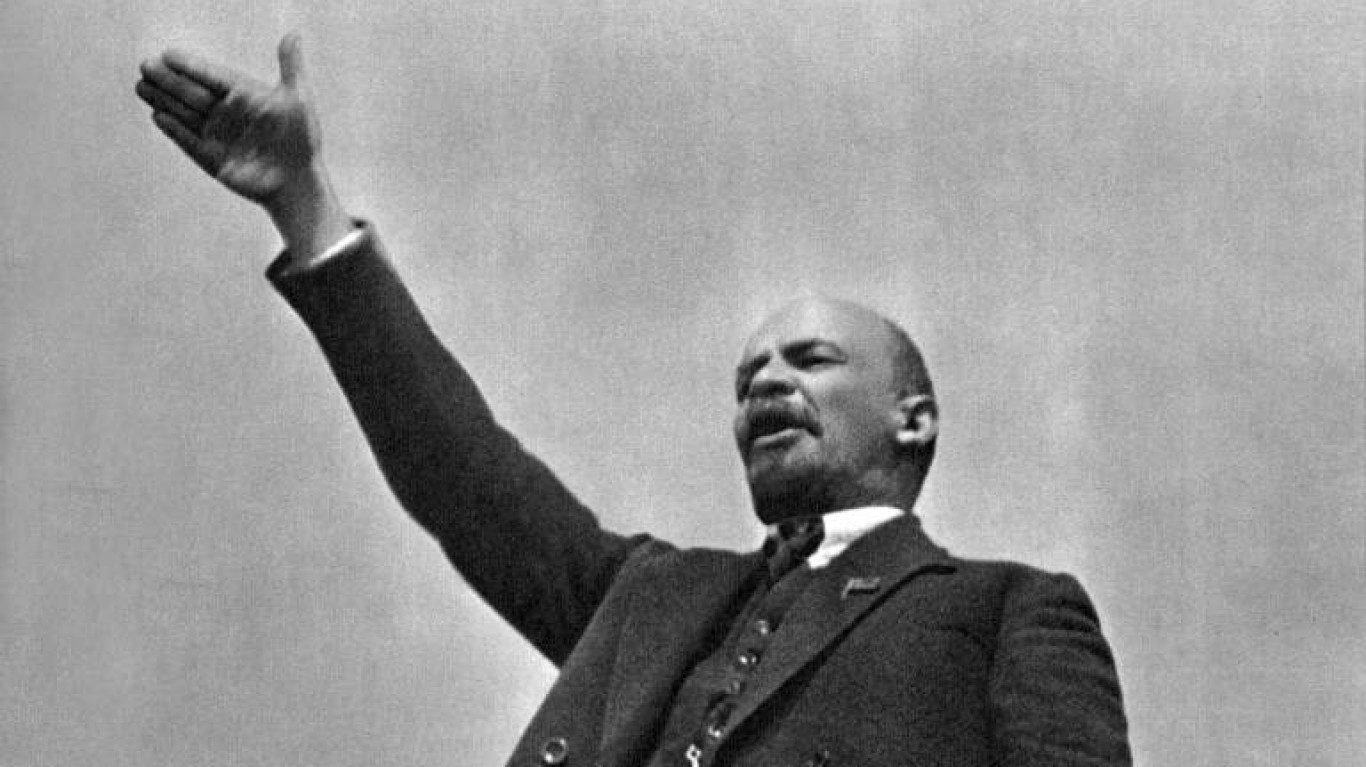
After communists took over Russia in 1917, a civil war broke out across the country. The United States, along with a dozen or so other countries, sent troops into Russia from 1918-22 to guard critical infrastructure and assist the counter-revolutionary forces. This effort was ultimately unsuccessful.
The Korean War
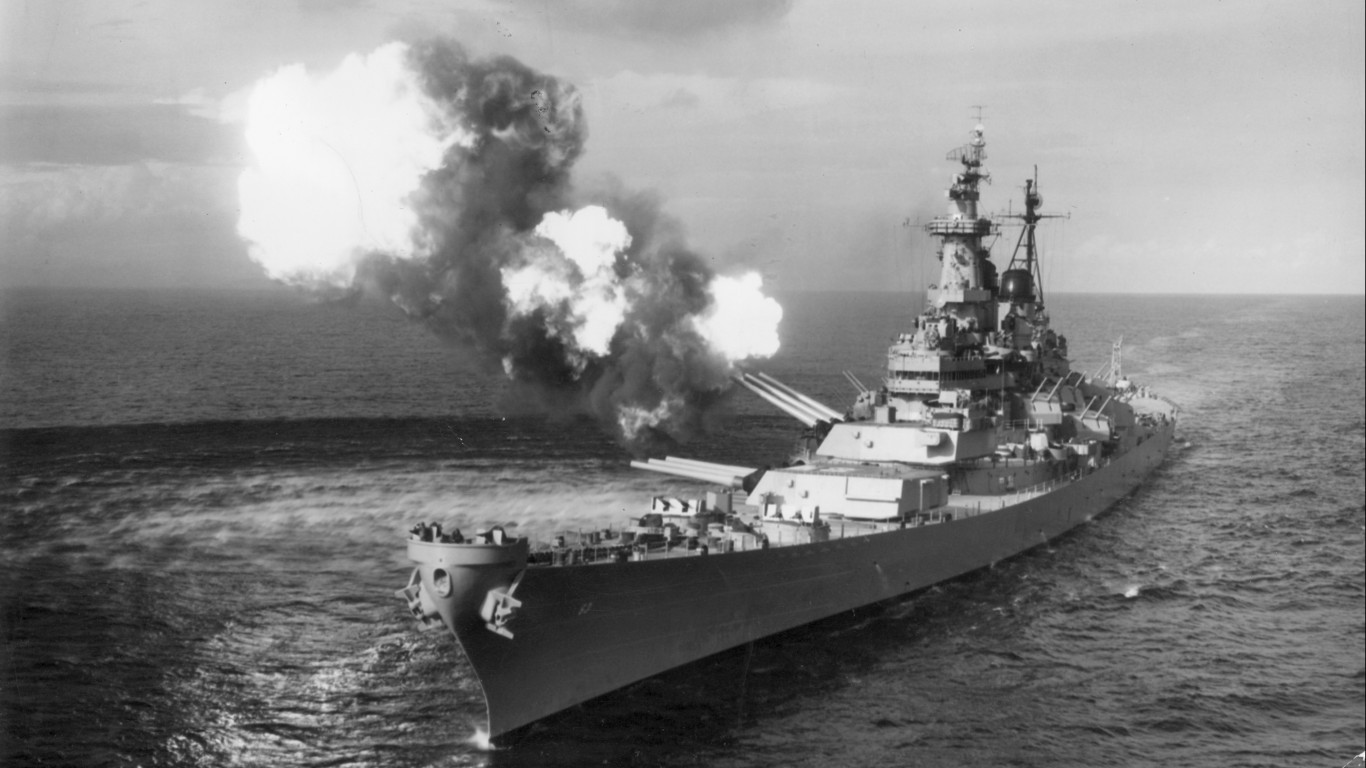
The battleship USS Missouri bombards Chongjin, North Korea.
At the end of World War II, Korea divided into two countries. Communist North Korea launched a surprise attack on the South in 1950. The United States and a multinational coalition fought an undeclared war from 1950-53 that drew in China and resulted in a return to the status quo. Though we call this violent and costly conflict a war, it doesn’t meet the legal definition of a U.S. war because Congress never passed a formal declaration.
The Vietnam War
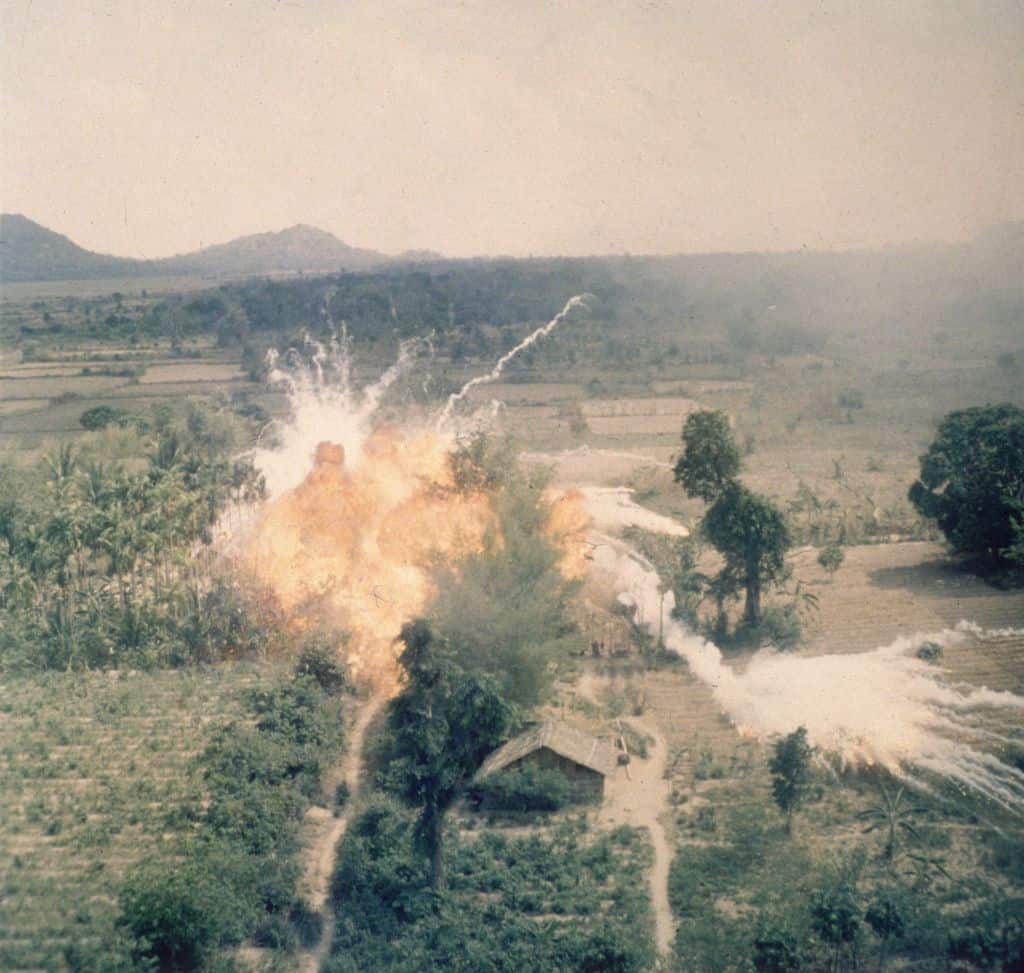
Napalm is an incendiary agent that was widely used to clear the jungle that guerrilla fighters were using for cover.
Much like the Korean War, the Vietnam War saw a U.S.-led multinational coalition trying to defeat the Communist North, which was invading the South. The Americans invested 20 years and nearly 60,000 lives but were ultimately defeated in 1975. Communists went on to take over the rest of Indochina as well: the countries of Cambodia and Laos.
The Invasion of Grenada
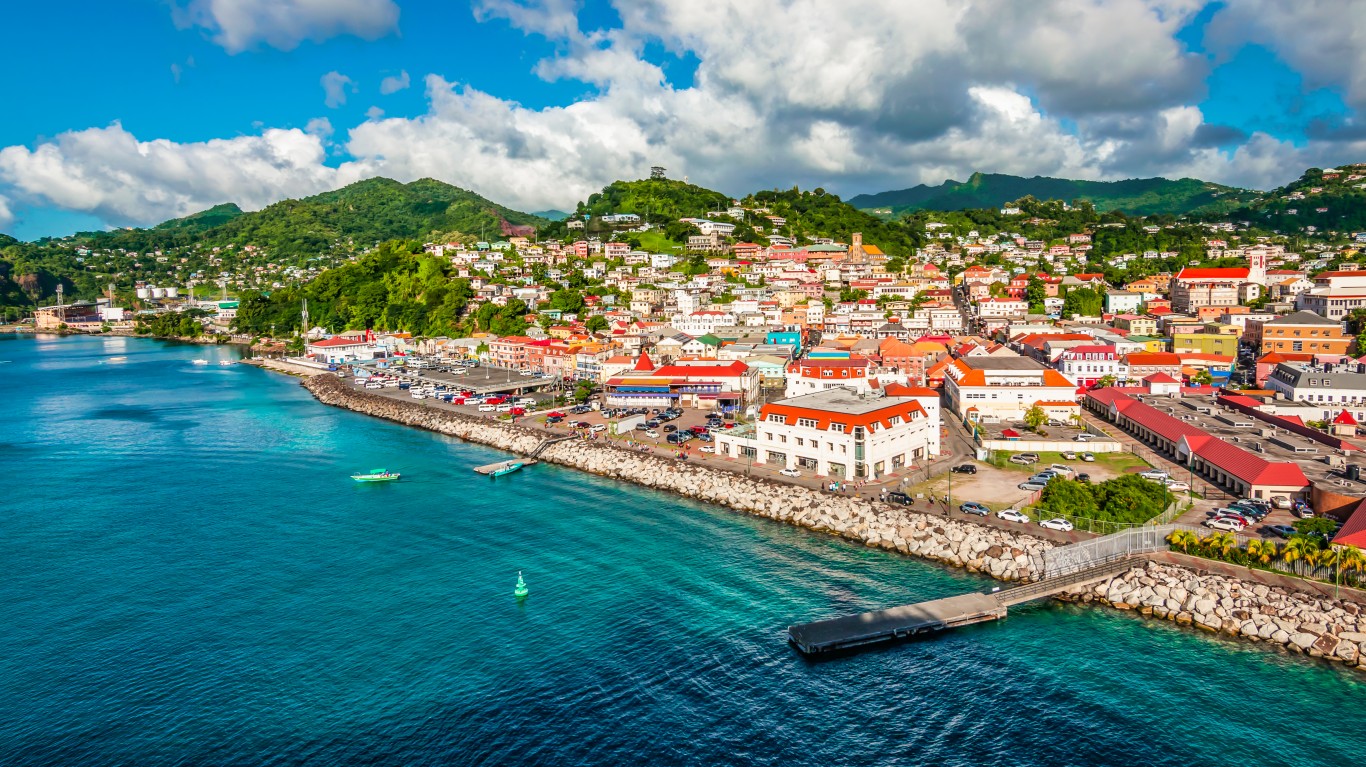
St. Georges, the capital of Grenada.
In 1983, President Reagan ordered the U.S. armed forces to invade Grenada to remove a Marxist government and halt Soviet and Cuban work on a military-grade airstrip. Grenada today has no military, only a local police force.
The Invasion of Panama
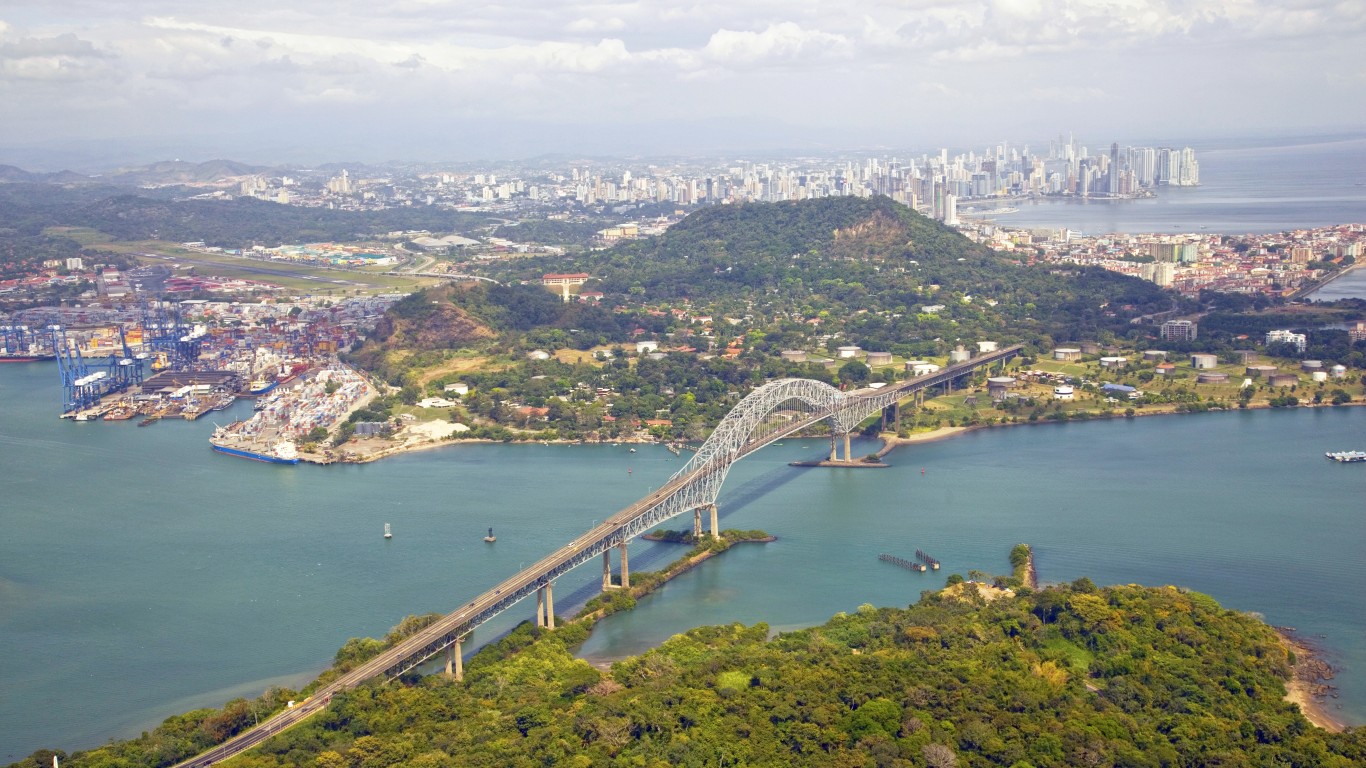
In 1989-1990, President George H.W. Bush deployed 27,000 troops backed up with naval and air power to take control of Panama and take its military leader, General Manuel Noriega, into custody. Noriega was convicted of drug trafficking and served 17 years in a Miami prison, then was extradited to France where he served seven years for money laundering, and finally returned to Panama and died in 2017 at age 83.
Intervention in Yugoslavia
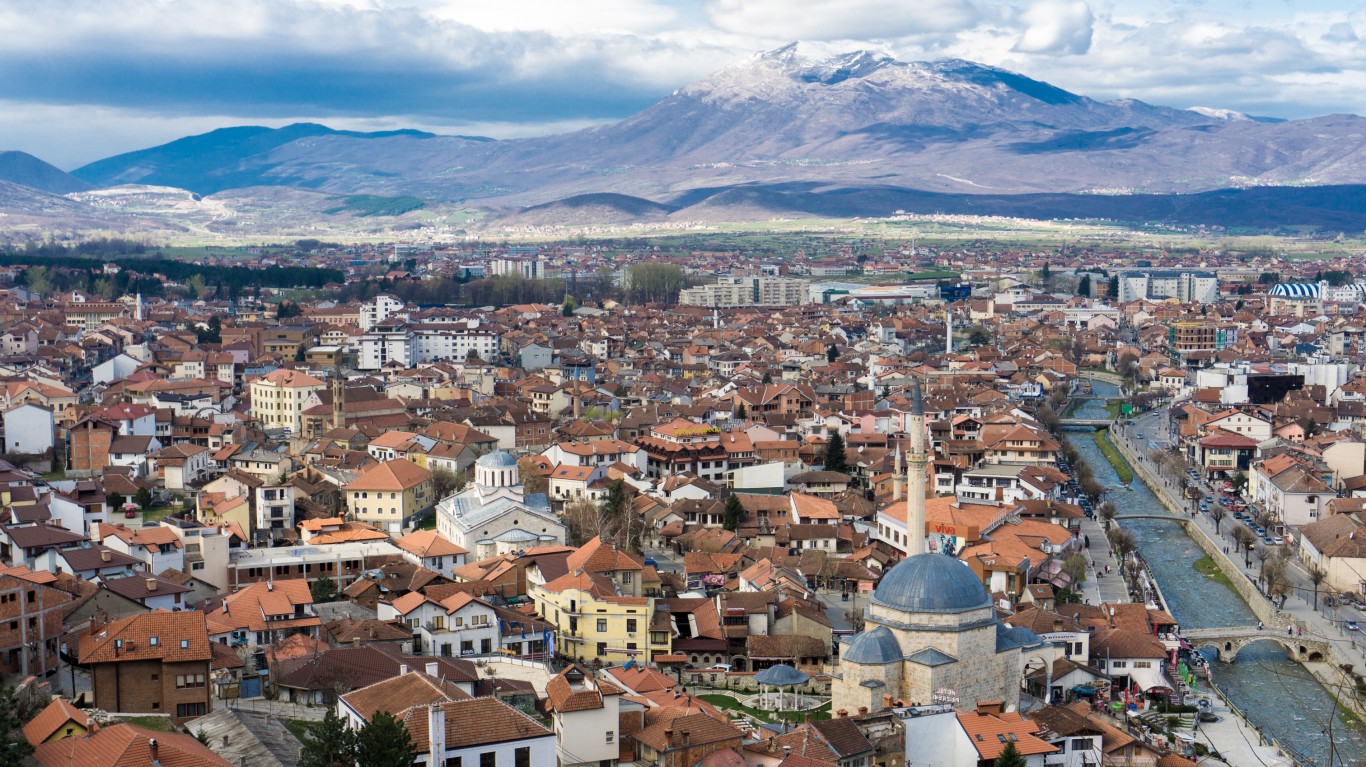
Pristina, the capital of Kosovo.
After the collapse of communism in Eastern Europe, Yugoslavia fell apart in a series of civil wars that created seven independent countries: Slovenia, Croatia, Bosnia and Herzegovina, Serbia, Montenegro, North Macedonia, and Kosovo. Two times during these wars, the United States engaged in combat together with its NATO allies.
In 1995, the Western Alliance conducted air strikes against the Serbian forces in the Bosnian civil war, forcing them to accept a peace agreement. In 1999, NATO repeated this action to force Serbia to withdraw from Kosovo, which was declared an independent state. In both cases, Western intervention came after Serbian atrocities and ethnic cleansing activities.
The Gulf Wars
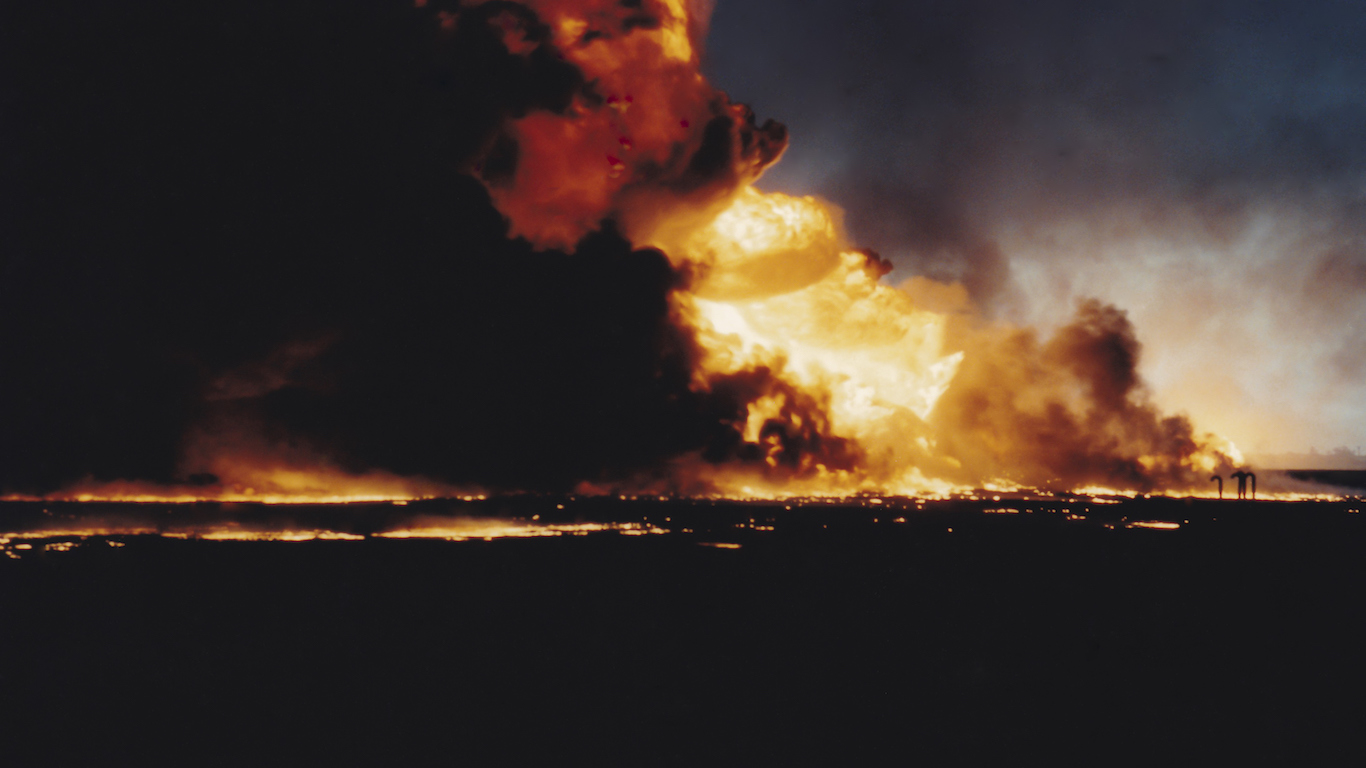
Burning oil fields in Kuwait.
The U.S. and its allies went to war twice against Iraq. The first Gulf War occurred in 1990-91 when Iraq invaded Kuwait and threatened the Saudi oilfields. A U.S.-led international coalition liberated Kuwait. A second coalition war against Iraq took place from 2003-2011 to remove dictator Saddam Hussein from power and search for alleged weapons of mass destruction programs. Large-scale U.S. combat forces withdrew in 2011. Troops returned in 2014 to fight ISIS. Some troops remain to this day in a training capacity for the Iraqi military and as an advisory presence.
The War in Afghanistan
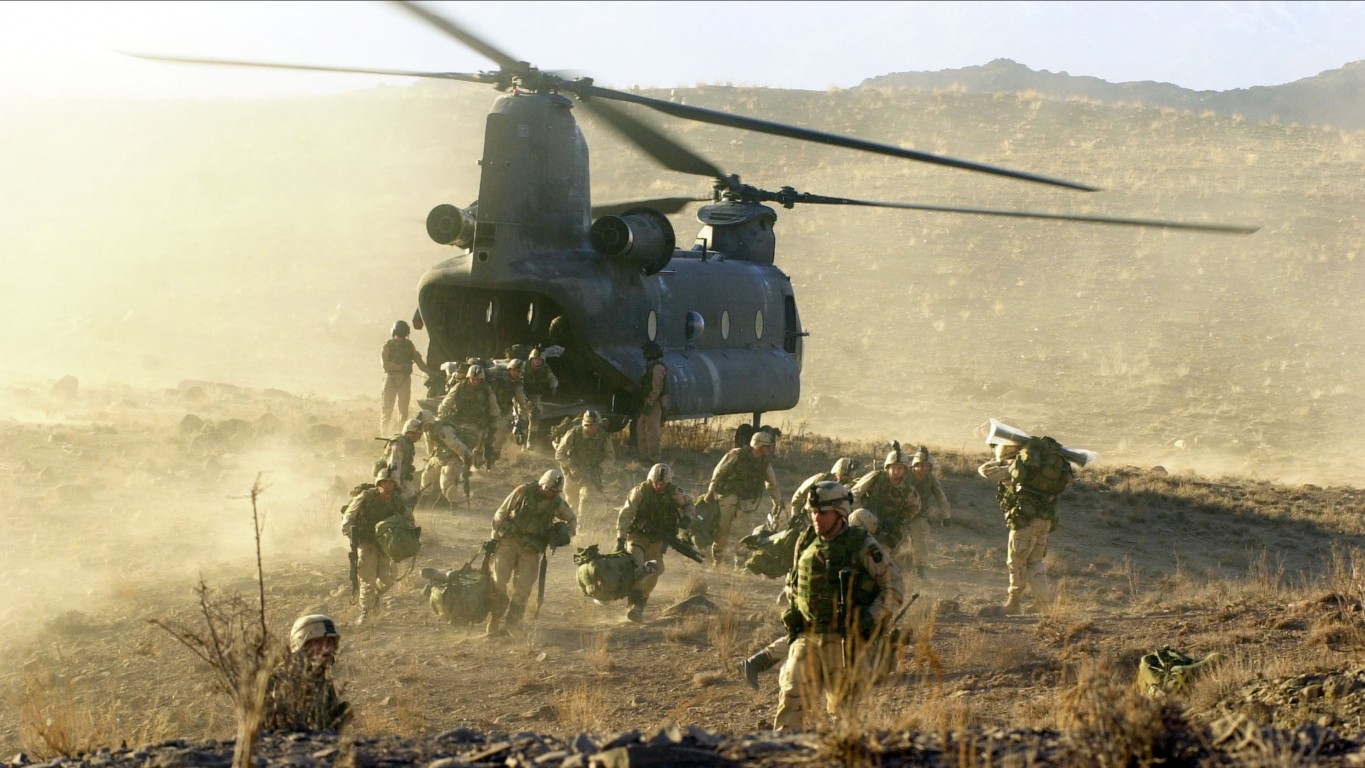
At 20 years, the War in Afghanistan was the longest war in U.S. history.
Americans and coalition partners invaded Afghanistan in 2001 to remove the Taliban from power and seek to capture Osama bin Laden, the terrorist mastermind of the 9-11 attacks. The war dragged on for 20 years until President Biden withdrew American forces in 2021. Shortly thereafter, the Taliban retook control of the country.
Smaller Engagements
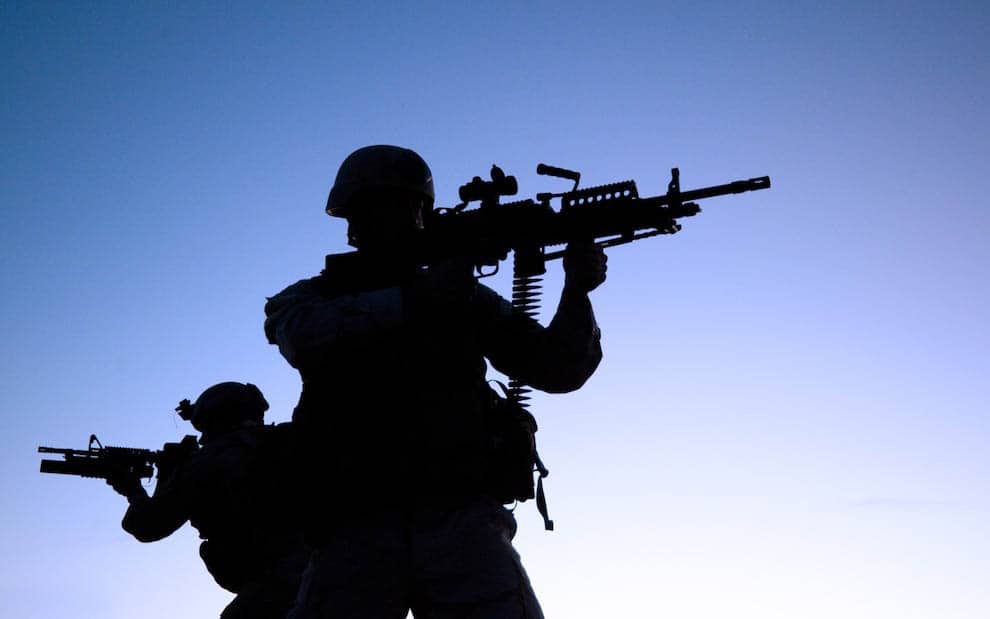
Throughout the country’s history, American armed forces have fought smaller and lesser-known engagements. Many took place during the age of imperialism when “gunboat diplomacy” was used to back up American business interests, quell uprisings, and establish spheres of influence to exclude European rivals. Space does not permit investigating them all here, but if this list sparks your curiosity, it can be a starting place for your own research. These are arranged by the first date of military conflict.
- France, Britain, and Spain (1798-1810, 1814-25) — Caribbean naval conflicts.
- Spain (1810-1819) — Conflicts in Florida leading to annexation.
- Greece (1827) — Marines invaded three islands.
- Dutch East Indies (1832, 1838) — Punitive naval operations.
- Ivory Coast (1843)
- Argentina (1833, 1852-53, 1890) — Troops intervened multiple times near Buenos Aires.
- Peru (1835-6) — Marines intervened with counter-insurgency operations.
- Mexico (1836, 1842, 1846-8, 1859, 1876, 1913-16) — Helping Texas achieve independence, pursuing criminals, pressuring the Mexican government.
- Fiji (1840-41, 1858)
- Samoa (1841, 1885, 1888, 1899)
- China (1843-1937)
- Nicaragua (1854-1933) — Multiple interventions in different cities starting in the mid-19th century. Full occupation of the country from 1912-33.
- Uruguay (1855, 1858, 1868)
- Colombia (1856-1895, 1901-03) — Multiple interventions for counter-insurgency campaigns and finally detaching Panama as a separate country to win favorable terms to build the Panama Canal.
- Portuguese West Africa (1860)
- Japan (1863-4, 1868)
- Korea (1871, 1894-96, 1904-5)
- Egypt (1882)
- Haiti (1888-1934, 1959, 1994-96, 2004) — Multiple interventions and occupations to change governments and stabilize the country.
- Chili (1891)
- Honduras (1903, 1907-12, 1919, 1924-25)
- Dominican Republic (1903, 1916-24, 1965)
- Cuba (1906-9, 1912, 1914, 1917-33)
- Panama (1908, 1912, 1918-20, 1925) — Navy, Marine, and Army interventions multiple times to stabilize the country and safeguard the Canal.
- Yugoslavia (1919)
- Guatemala (1920, 1966-67)
- Turkey (1922)
- El Salvador (1932)
- Iran (1946)
- Greece (1947-49) — U.S. forces engaged in counterinsurgency operations.
- Philippines (1948-54) — Undercover commando operations.
- Lebanon (1958) — 14,000 U.S. marines and army units were depl0yed.
- Laos (1965-73) — Bombing campaign and cross-border operations as part of the Vietnam War.
- Cambodia (1969-75) — Bombing campaign as part of the Vietnam War.
- Iran (1980, 1984, 1987-88
- Libya (1981, 1986, 1989) — retaliatory strikes for terrorism.
- Liberia (1990, 1997) — Intervention in civil war.
- Somalia (1992-94) — Peacekeeping forces
- Sudan (1998) — Airstrike
- War on Terror (2001-present) — Global counterterrorism strikes that began after the 9-11 attacks on New York and Washington, D.C.
- Yemen (2024) — Airstrikes on Houthi rebels in retaliation for missile and drone attacks on Red Sea shipping.








 Top Gaining Stocks
 Top Losing Stocks