


Over the past four decades, the United States has increasingly relied on small, elite units to handle missions that fall outside the reach of conventional warfare. Delta Force has been central to that shift, participating in operations that range from hostage rescues and regime-focused raids to modern counterterrorism and contingency response. Operation Absolute Resolve is the most recent example of this evolution. Here, 24/7 Wall St. is taking a closer look at Operation Absolute Resolve as well as some of Delta Forces other great exploits.
To identify Delta Force’s most infamous missions, 24/7 Wall St. reviewed various historical and military sources. We included supplemental information regarding when, where, and how each mission occurred as well as why it was so important.
Here is a look at Operation Absolute Resolve and some of Delta’s other most infamous missions:
Why Are We Covering This?
Operations like Absolute Resolve show how U.S. military power is actually applied in the most sensitive situations through elite Special Forces units. These missions sit at the intersection of intelligence, diplomacy, and force, where mistakes can carry consequences far beyond the battlefield. These operations demonstrate a consistent operational framework where it is really precision over scale and results measured by if the job gets done. Understanding this pattern helps explain how the United States manages high-risk crises, deters adversaries quietly, and adapts its special operations doctrine across decades without relying on overwhelming force.
The Missions You’re Not Supposed to Know About
Most U.S. military operations are designed to be visible, serving as signals of power, deterrence, or reassurance. A much smaller subset is built around the opposite principle: silence. These missions are structured to leave minimal public trace, not because they lack importance, but because discretion is central to their success. In these cases, secrecy is not a byproduct of classification—it is the mission itself.
Why Delta Force Exists at All

Some military objectives cannot be achieved by conventional forces without unacceptable political or strategic risk. Delta Force exists to operate in that narrow space, where speed, precision, and control outweigh scale. The unit is designed to handle missions with extreme consequences, often under tight intelligence and diplomatic constraints, and to do so with a level of flexibility unavailable to larger formations.
Operation Absolute Resolve as a Modern Example
This mission reflects how the job gets done. Limited publicity was deliberate, reinforcing the operation’s sensitivity and purpose. Rather than representing a departure from precedent, Absolute Resolve fits neatly into an established framework built around intelligence fusion, precision execution, and controlled escalation.
A Pattern Across Decades of Operations
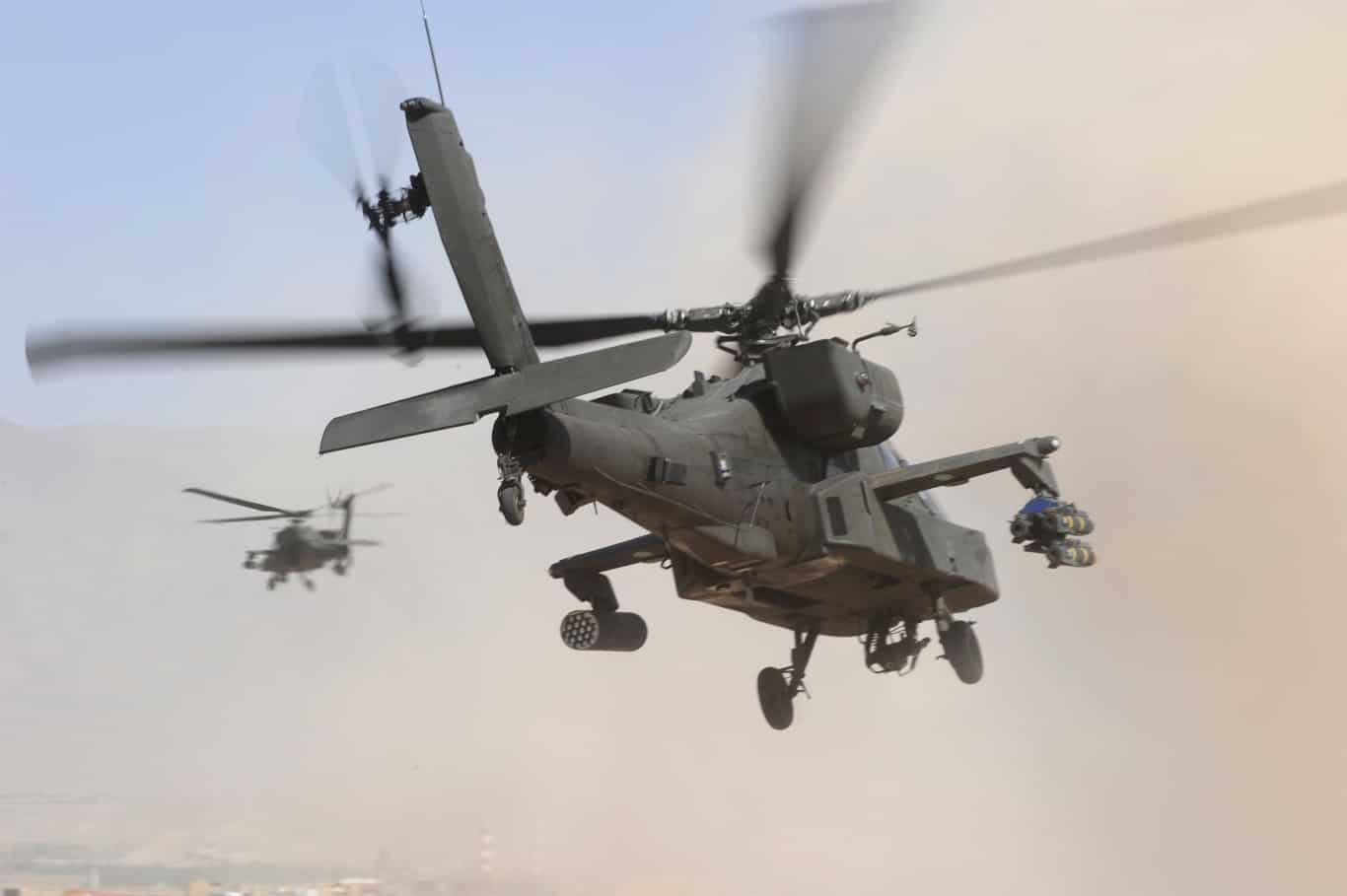
Across decades and theaters, a recognizable pattern emerges in special mission operations involving Delta Force. While objectives vary—from hostage rescue to high-value target capture—the underlying principles remain consistent. These missions prioritize speed, surprise, and coordination across intelligence and military domains, forming a continuous operational lineage rather than isolated events.
What This List Shows — and What It Doesn’t

This list focuses exclusively on officially named and acknowledged operations. It avoids speculation, rumor, and unnamed raids that cannot be responsibly verified. What is presented here offers context rather than tactical detail, illustrating how these missions fit into a broader strategic framework while acknowledging that much of their story remains intentionally unrevealed.
Operation Absolute Resolve

- Year: 2026
- Location: Venezuela
- Primary mission type: Contingency Response
- Delta Force role (High-Level): Not available
- Publicity level: Still Limited / Classified
Operation Absolute Resolve is the most recent exploit of Delta Force within a wider operation in Venezuela. Over 150 aircraft were involved in the operation, and there were no American casualties reported. According to Gen. “Raizin” Caine preparation took some time, “After months of work by our intelligence teammates to find Maduro and understand how he moved, where he lived, where he traveled, what he ate, what he wore…” Delta did their homework and came away with a prize.
Historically, the operation fits a pattern that has been refined over decades by units like Delta Force, where missions are planned to achieve decisive results with minimal fallout. Absolute Resolve relied on real-time intelligence, interagency coordination, and highly compartmentalized planning. These elements allowed operators to move quickly, exploit fleeting opportunities, and disengage before drawing broader attention.
While the geopolitical ramifications of this event are still up for debate at home and abroad, Delta Force proved once again why it is the most elite Special Forces unit in the world.
Operation Neptune Spear
- Year: 2011
- Location: Abbottabad, Pakistan
- Primary mission type: Capture / Kill
- Delta Force role (High-Level): Supporting Element
- Publicity level: Publicly Acknowledged
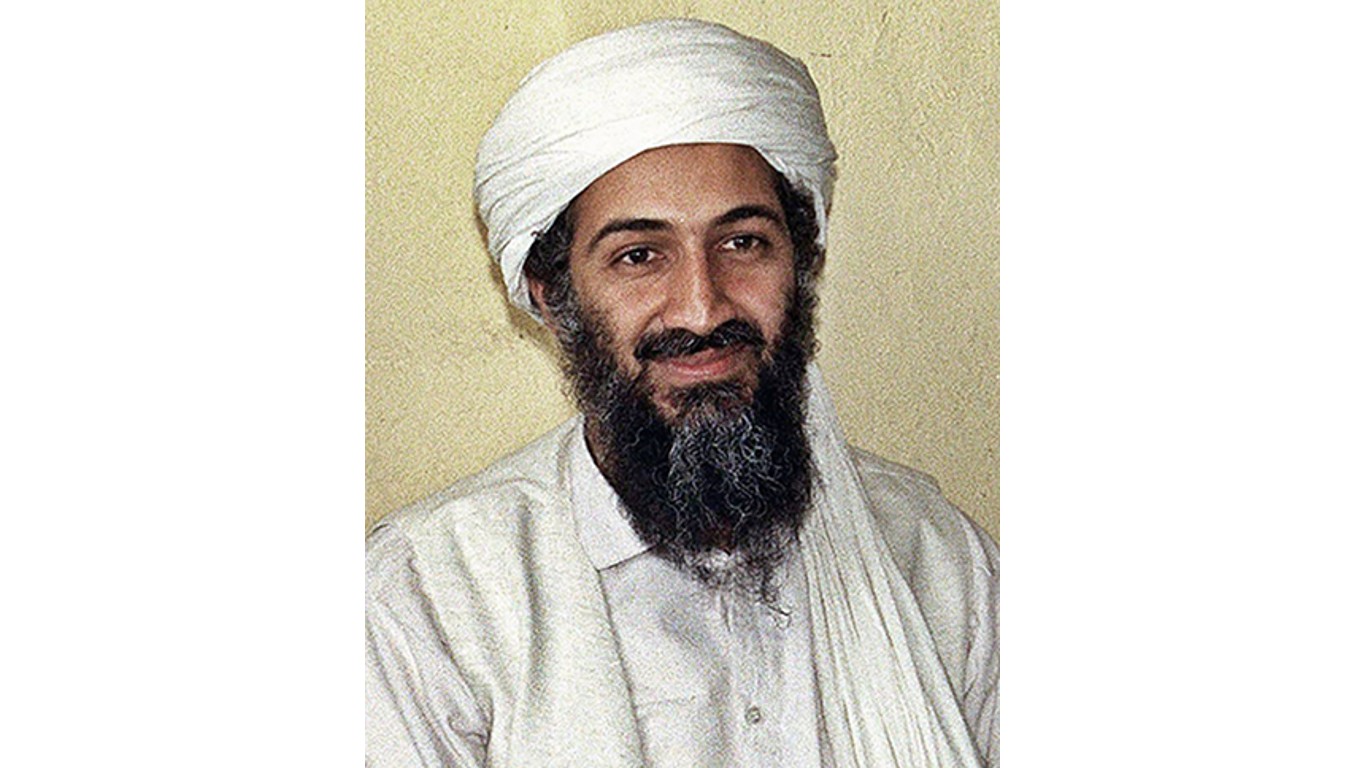
Operation Neptune Spear was the culmination of nearly a decade of intelligence work following the September 11, 2001 attacks and remains one of the most publicly documented U.S. special operations in modern history. Launched on May 2, 2011, the mission targeted Osama bin Laden, the founder of al-Qaeda, who had evaded capture while living in a fortified compound in Abbottabad, Pakistan. The operation represented a rare moment where years of fragmented intelligence were fused into a single, executable target.
Publicly known details show that Neptune Spear was carried out by U.S. Navy SEALs from SEAL Team Six, supported by a broader special operations and intelligence framework that included Delta Force in planning, intelligence validation, and contingency roles. The raid relied on stealth-modified helicopters, extensive rehearsals, and strict compartmentalization to reduce the risk of leaks or diplomatic fallout. When one helicopter experienced a hard landing, operators adapted immediately, secured the compound, and completed the mission within roughly 40 minutes.
Neptune Spear demonstrated how modern U.S. special operations combine precision, redundancy, and adaptability. Its success reshaped counterterrorism doctrine and underscored the effectiveness of tightly coordinated, intelligence-driven missions executed with minimal margin for error.
Operation Acid Gambit
- Year: 1989
- Location: Panama City, Panama
- Primary mission type: Hostage Rescue
- Delta Force role (High-Level): Lead Assault
- Publicity level: Publicly Acknowledged
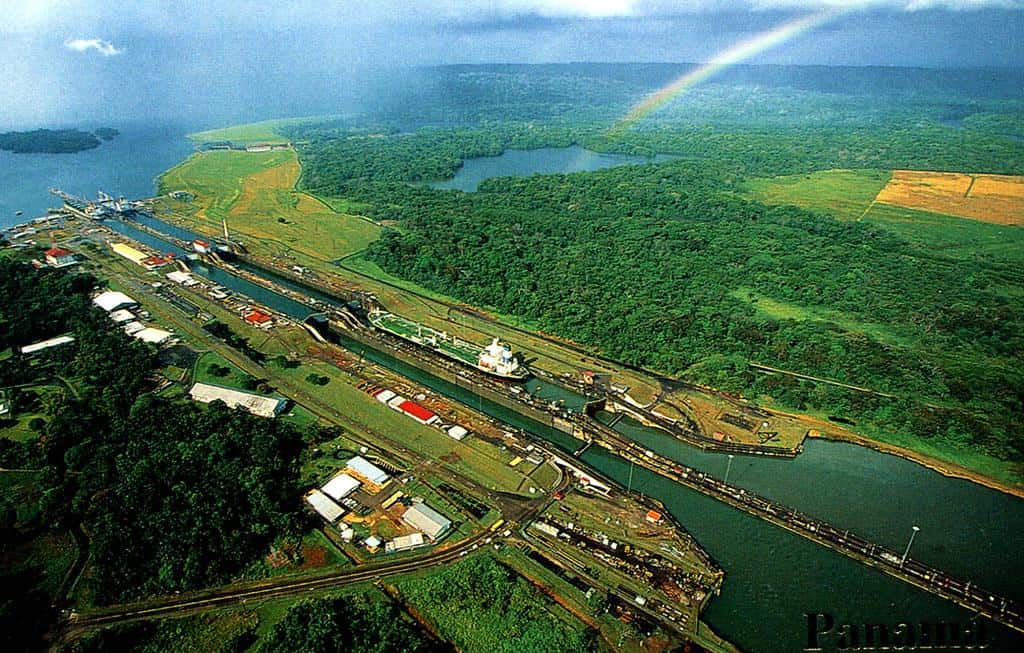
Operation Acid Gambit was a high-risk hostage rescue mission conducted during the 1989 U.S. invasion of Panama, known as Operation Just Cause. Its objective was the rescue of Kurt Muse, an American citizen imprisoned by the regime of Manuel Noriega for operating an underground radio station critical of the Panamanian government. By the time U.S. forces moved against Noriega, Muse had been transferred to Carandiru Prison in Panama City, a heavily guarded facility surrounded by urban terrain and hostile forces.
Publicly available accounts confirm that the rescue was carried out by Delta Force, reflecting the operation’s political sensitivity and narrow margin for error. Acid Gambit was executed in daylight, an unusual choice that increased risk but allowed precise coordination with the broader invasion timeline. Delta Force operators assaulted the prison, neutralized guards, and extracted Muse under fire, immediately moving him to a waiting helicopter.
The operation did not go perfectly. The extraction helicopter was damaged by enemy fire and crash-landed after takeoff, forcing operators to secure the crash site until U.S. Army Rangers arrived to provide relief. Despite these complications, the mission succeeded. Acid Gambit demonstrated both the risks inherent in urban hostage rescue and the adaptability of special mission forces operating under extreme pressure, reinforcing Delta Force’s role in politically sensitive contingency operations.
Operation Eagle Claw

- Year: 1980
- Location: Iran
- Primary mission type: Hostage Rescue
- Delta Force role (High-Level): Lead Assault
- Publicity level: Publicly Acknowledged
Operation Eagle Claw was the United States’ first attempt to rescue 52 American hostages held at the U.S. Embassy in Tehran following the 1979 Iranian Revolution. Launched in April 1980, the mission came at a time when U.S. special operations capabilities were still fragmented across services, with no unified command structure for complex joint missions. Eagle Claw was designed as a multi-phase operation involving long-range infiltration, clandestine refueling in the Iranian desert, and a final assault in Tehran led by Delta Force.
Publicly known details show that the operation unraveled during its early stages. Mechanical failures reduced the number of operational helicopters below the minimum required to proceed. While repositioning at a remote desert staging area known as Desert One, a helicopter collided with a C-130 transport aircraft, killing eight U.S. servicemembers and forcing the mission’s immediate abort. The hostages were left behind, and the failed rescue became a national trauma.
Despite its failure, Eagle Claw had lasting consequences. The operation exposed deep coordination, command, and logistical weaknesses across U.S. forces. In response, the Department of Defense undertook sweeping reforms that led to the creation of U.S. Special Operations Command and the modernization of joint special mission planning. In that sense, Eagle Claw reshaped American special operations doctrine, ensuring future missions were better integrated, resourced, and prepared for extreme complexity.
Operation Gothic Serpent
- Year: 1993
- Location: Mogadishu, Somalia
- Primary mission type: Counterterrorism
- Delta Force role (High-Level): Lead Assault
- Publicity level: Publicly Acknowledged
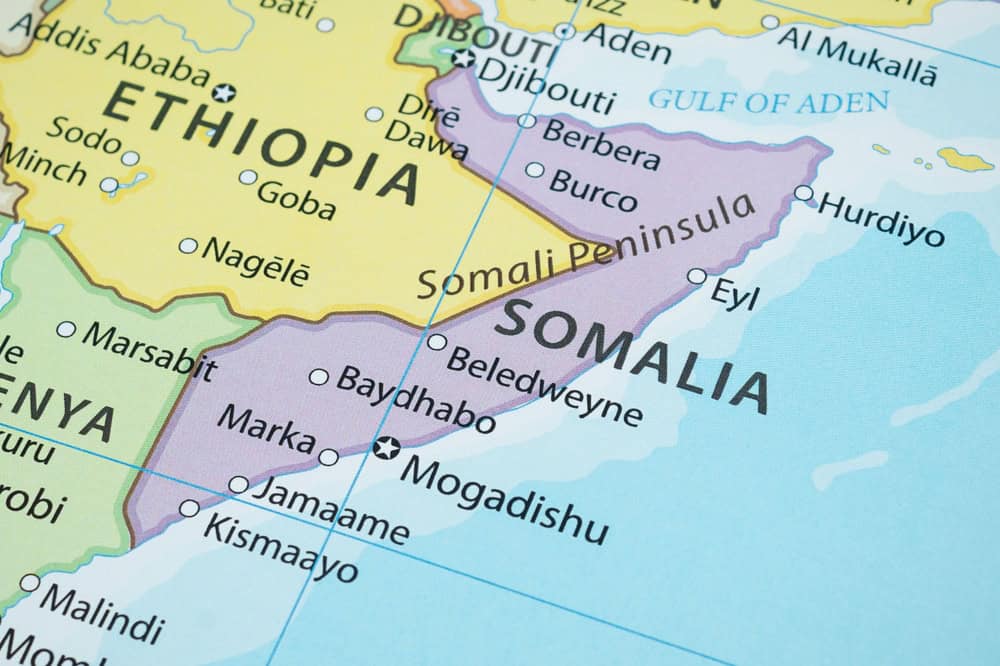
Operation Gothic Serpent was a U.S.-led special operations campaign conducted in Somalia in 1993, aimed at capturing key lieutenants of warlord Mohamed Farrah Aidid during the country’s descent into factional violence. The operation took place under the broader UN-sanctioned intervention but reflected a shift toward targeted raids rather than large-scale peacekeeping. U.S. planners believed that removing Aidid’s inner circle would weaken his control and stabilize the situation in Mogadishu.
Publicly available information confirms that the task force combined U.S. Army Rangers with Delta Force, forming a highly mobile force designed for rapid daylight assaults. On October 3–4, 1993, a raid intended to capture several Aidid associates escalated after Somali militia forces shot down two U.S. Black Hawk helicopters. What followed became the Battle of Mogadishu, a prolonged urban fight in hostile territory.
Although the immediate mission objectives were partially achieved, the operation exposed the risks of operating with limited armored support and constrained rules of engagement in dense urban environments. The political fallout was significant, leading to a reassessment of U.S. involvement in Somalia. Operation Gothic Serpent remains a defining case study in modern urban warfare, highlighting both the capabilities and limitations of elite special operations forces when tactical success collides with strategic and political realities.
Operation Urgent Fury

- Year: 1983
- Location: Grenada
- Primary mission type: Contingency Response
- Delta Force role (High-Level): Supporting Element
- Publicity level: Publicly Acknowledged
Operation Urgent Fury was the 1983 U.S. invasion of Grenada, launched amid concerns over the safety of American citizens, regional instability, and the island’s growing ties to Cuba and the Soviet bloc. The operation marked one of the first major U.S. military actions of the post-Vietnam era and was executed under intense political pressure, with limited intelligence and little time for detailed joint planning.
Publicly known accounts indicate that Delta Force was deployed as part of the operation to conduct contingency missions, including potential hostage rescue and securing key sites. While much of Urgent Fury was carried out by conventional forces such as U.S. Army Rangers and Marine units, the presence of Delta Force reflected concerns that sensitive or rapidly evolving threats could require immediate special mission intervention.
The operation itself exposed significant coordination and communication problems among U.S. services, including incompatible radios, fragmented command structures, and intelligence gaps. Despite these shortcomings, U.S. forces achieved their primary objectives within days, evacuating American nationals and overthrowing the Grenadian military government.
Operation Urgent Fury is remembered less for tactical innovation than for its institutional impact. The lessons learned directly influenced subsequent reforms in joint command and control, helping shape the modern structure of U.S. special operations and paving the way for more integrated, precision-focused missions in later decades.
Operation Just Cause
- Year: 1989
- Location: Panama
- Primary mission type: Direct Action
- Delta Force role (High-Level): Multiple Taskings
- Publicity level: Publicly Acknowledged
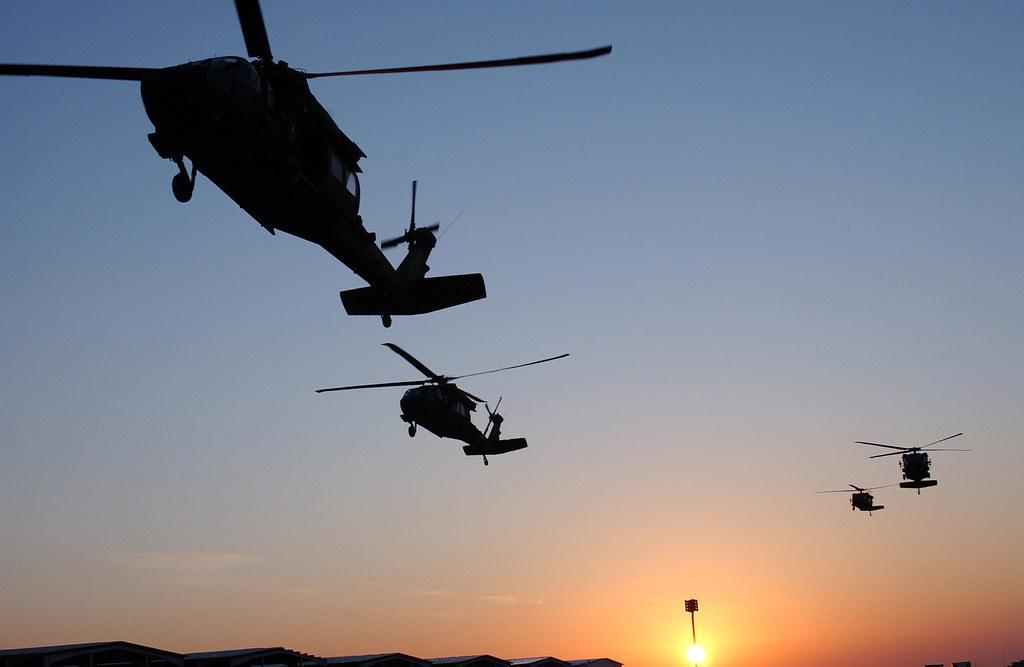
Operation Just Cause was the U.S. invasion of Panama in December 1989, launched to remove General Manuel Noriega from power, safeguard American citizens, and secure control of the Panama Canal. The operation marked a decisive shift toward rapid, precision-focused intervention, combining overwhelming conventional force with tightly scoped special operations aimed at collapsing the regime’s leadership and command structure.
Publicly available accounts confirm that Delta Force played a central role in the most sensitive aspects of the campaign. While large formations of U.S. Army, Marine Corps, and Air Force units conducted airfield seizures and urban assaults, Delta Force was tasked with high-risk missions targeting key regime assets and individuals. These included direct action raids, time-sensitive targeting, and the execution of Operation Acid Gambit, the daylight prison rescue of American hostage Kurt Muse.
Just Cause was notable for its speed and coordination. Noriega’s forces were rapidly overwhelmed, key infrastructure was secured, and psychological pressure was applied to isolate the regime’s leadership. Noriega ultimately surrendered days later after seeking refuge in the Vatican diplomatic mission.
Strategically, Operation Just Cause validated the integration of special mission units into large-scale joint operations. It demonstrated how elite forces could operate alongside conventional troops to achieve political objectives quickly, shaping how the United States would approach regime-focused interventions in the post–Cold War era.
Operation Restore Hope
- Year: 1992
- Location: Somalia
- Primary mission type: Security / Stabilization
- Delta Force role (High-Level): Supporting Element
- Publicity level: Publicly Acknowledged
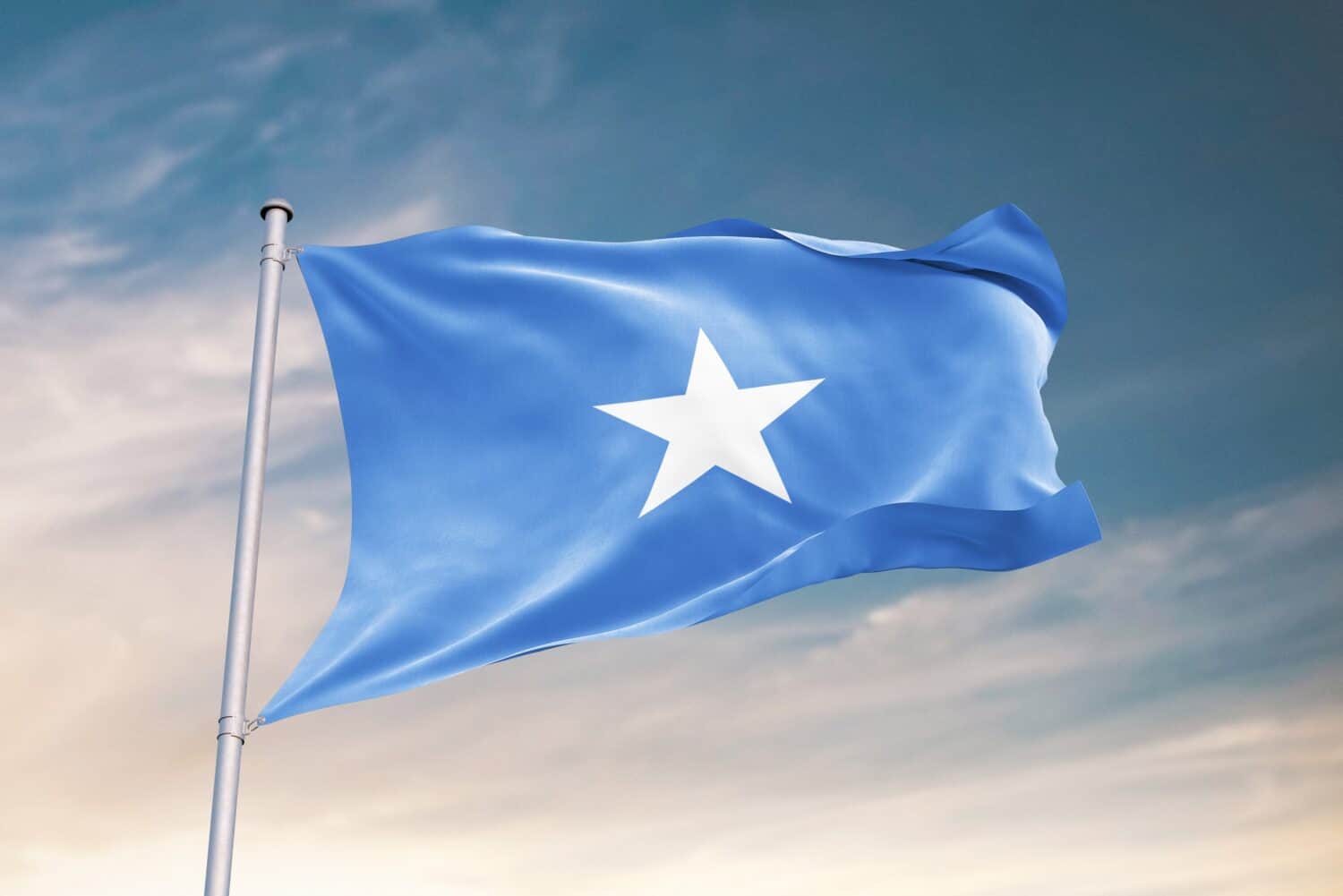
Operation Restore Hope was a U.S.-led humanitarian intervention launched in late 1992 to address widespread famine and civil collapse in Somalia. Authorized under a United Nations mandate, the mission aimed to secure key supply routes and enable the delivery of humanitarian aid in a country fractured by warlord violence and the absence of a central government. While publicly framed as a relief effort, the operation quickly required a military component capable of operating in an unpredictable and hostile environment.
Publicly available information indicates that Delta Force deployed alongside other U.S. forces to support security, intelligence gathering, and contingency planning. Their role was not front-facing combat, but rather focused on reconnaissance, threat assessment, and preparing for potential hostage rescue or high-risk capture missions should the situation deteriorate. This reflected a growing recognition that even humanitarian operations could escalate rapidly without elite capabilities on standby.
Operation Restore Hope initially succeeded in stabilizing major population centers and improving aid delivery. However, the mission evolved as U.S. forces became increasingly drawn into confrontations with Somali militias, setting the conditions for later operations such as Gothic Serpent. Historically, Restore Hope illustrates how Delta Force and other special mission units are often embedded quietly within larger campaigns, providing flexibility and crisis-response capability even when the primary mission is not overtly combat-oriented.
Operation Red Dawn
- Year: 2003
- Location: Ad-Dawr, Iraq
- Primary mission type: HVT Capture
- Delta Force role (High-Level): Lead Assault
- Publicity level: Publicly Acknowledged
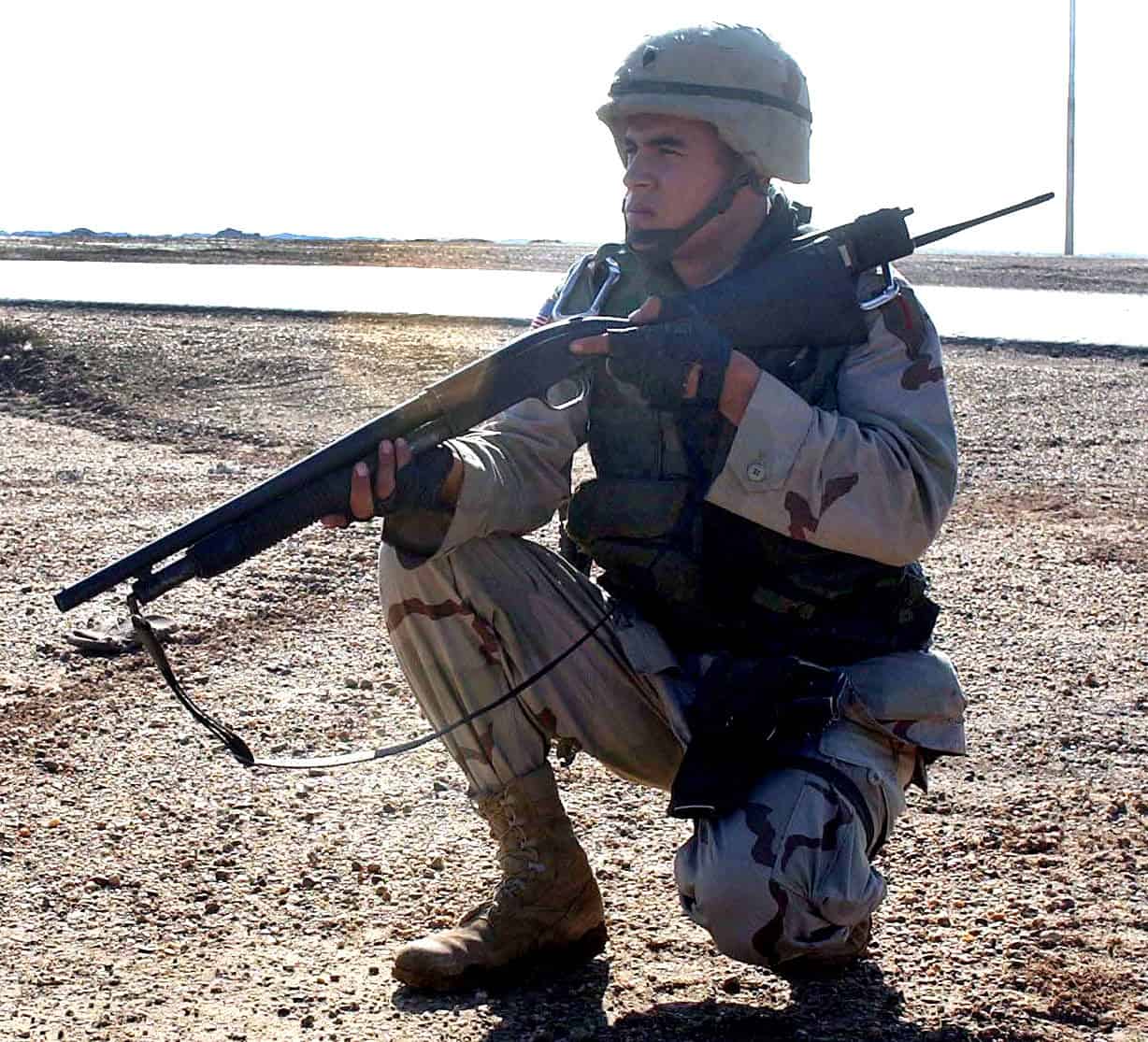
Operation Red Dawn was the culmination of an intensive manhunt for Saddam Hussein following the 2003 U.S. invasion of Iraq. After the rapid collapse of the Iraqi government, Hussein remained at large, serving as a potential rallying symbol for insurgent forces. Capturing him became a strategic priority, not only to dismantle remaining regime influence but also to demonstrate the permanence of the new post-invasion reality.
Publicly known details show that Red Dawn was executed in December 2003 near the town of Ad-Dawr, close to Hussein’s hometown of Tikrit. The operation involved U.S. special operations forces working closely with conventional Army units, with Delta Force playing a key role in intelligence-driven targeting and capture planning. Years of intelligence collection, including detainee interrogations, human intelligence networks, and signals analysis, narrowed Hussein’s movements to a small rural area.
The operation itself was swift and controlled. U.S. forces searched two suspected locations, codenamed “Wolverine 1” and “Wolverine 2,” ultimately discovering Hussein hiding in an underground concealment known as a “spider hole.” He was captured without resistance.
Operation Red Dawn demonstrated the effectiveness of sustained intelligence fusion and patience. Rather than relying on large-scale combat, the mission showed how elite forces could dismantle a regime’s symbolic center of gravity through precision, persistence, and restraint.
Operation Anaconda
- Year: 2002
- Location: Shah-i-Kot Valley, Afghanistan
- Primary mission type: Direct Action
- Delta Force role (High-Level): Supporting Element
- Publicity level: Publicly Acknowledged
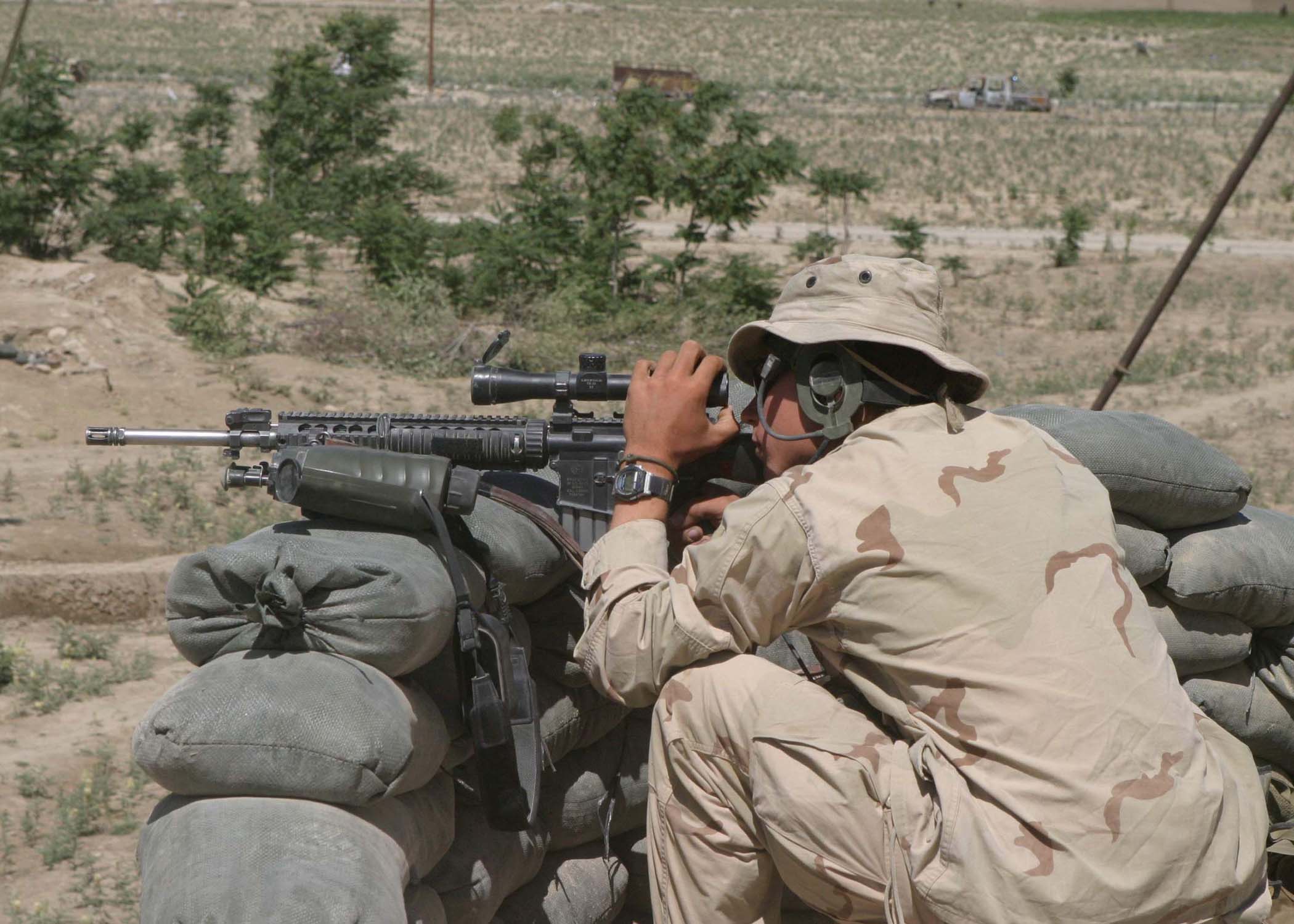
Operation Anaconda was a major U.S.-led combat operation conducted in March 2002 during the early phase of the war in Afghanistan. The mission targeted al-Qaeda and Taliban fighters entrenched in the Shah-i-Kot Valley, a rugged, high-altitude region believed to house a significant concentration of enemy forces. U.S. planners initially assessed that resistance would be limited, but those assumptions quickly proved overly optimistic once the operation began.
Publicly available accounts show that Anaconda involved a complex mix of conventional Army units, allied Afghan forces, and U.S. special operations elements, including Delta Force. Delta Force operators were involved in advance reconnaissance, intelligence confirmation, and targeting high-value enemy positions. Their role helped shape strike planning and provided real-time situational awareness as conditions on the ground deteriorated.
Once combat was joined, U.S. and allied forces encountered intense, well-prepared resistance, forcing rapid adjustments to the plan. Airpower became critical, with close air support and precision strikes compensating for difficult terrain and exposed ground forces. Despite early coordination challenges, U.S. forces ultimately inflicted heavy losses on al-Qaeda fighters.
Operation Anaconda highlighted both the risks of underestimating entrenched adversaries and the value of integrating special mission units into large-scale joint combat operations under extreme conditions.






 Top Gaining Stocks
 Top Losing Stocks