


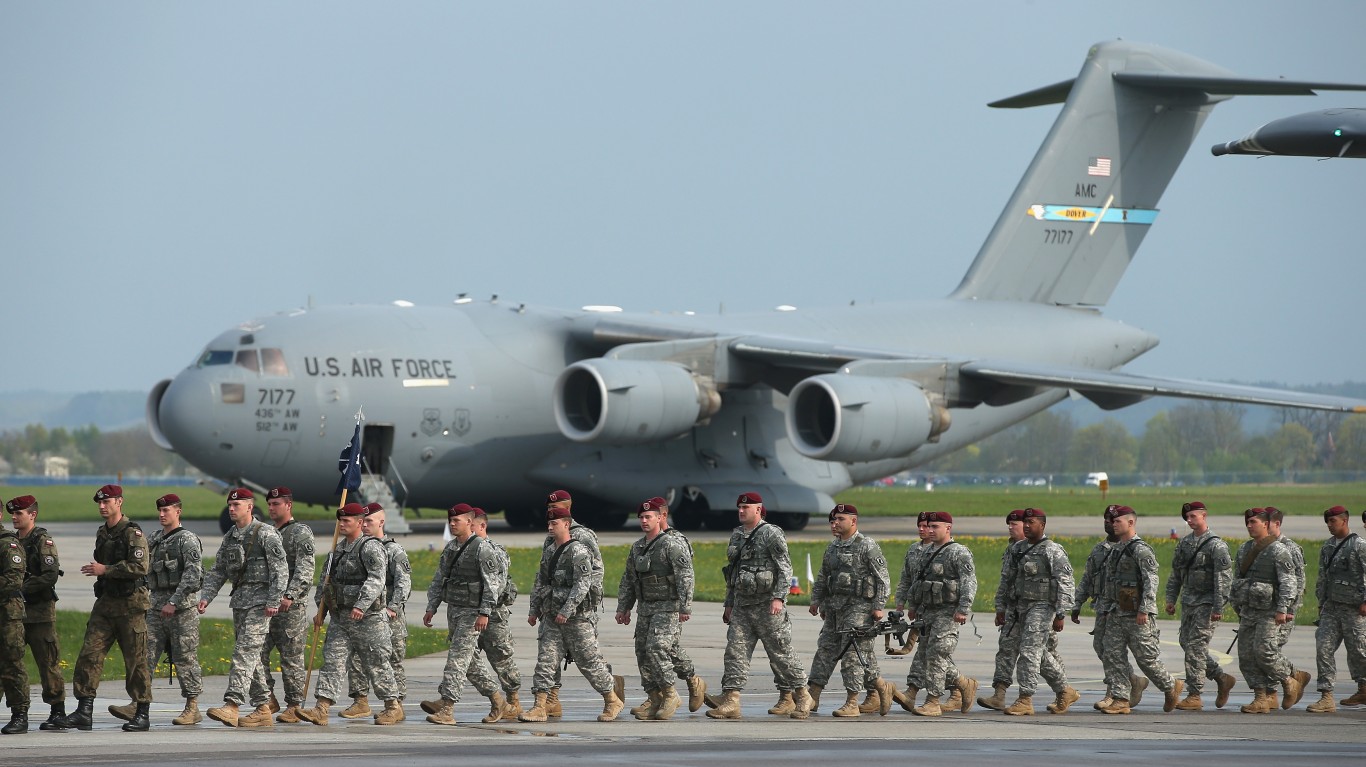
In the wake of the Second World War, the balance of power dramatically shifted and new lines were drawn, not just across Europe but the world at large. The Cold War came into clear view for the decades that followed, bringing with it instability in Europe’s Eastern Bloc among other global locales. Apart from this, the roots of global terrorist activity were firmly set by the 1990s in the Middle East, which would precipitate decades of conflict. Although the Allies triumphed in World War 2, the world was still a dangerous place in need of security. Accordingly, the United States took up this mantle to provide security and stability, deploying troops around the world at great cost for decades to come.
The United States has deployed millions of troops across dozens of conflicts, interventions, and peacekeeping missions. Each operation, from Korea and Vietnam to Iraq and Afghanistan, required its own level of manpower and national commitment. Here, 24/7 Wall St. is taking a closer look at a number of the major conflicts that the United States has been involved in as well as the total troop commitment to these operations.
To determine the largest U.S. military operations since World War 2, 24/7 Wall St. reviewed various historical and military sources. We ranked these operations by the total U.S. troop deployment for each (note that these numbers are approximate). We included supplemental information regarding the location, dates, and US President that oversaw each operation.
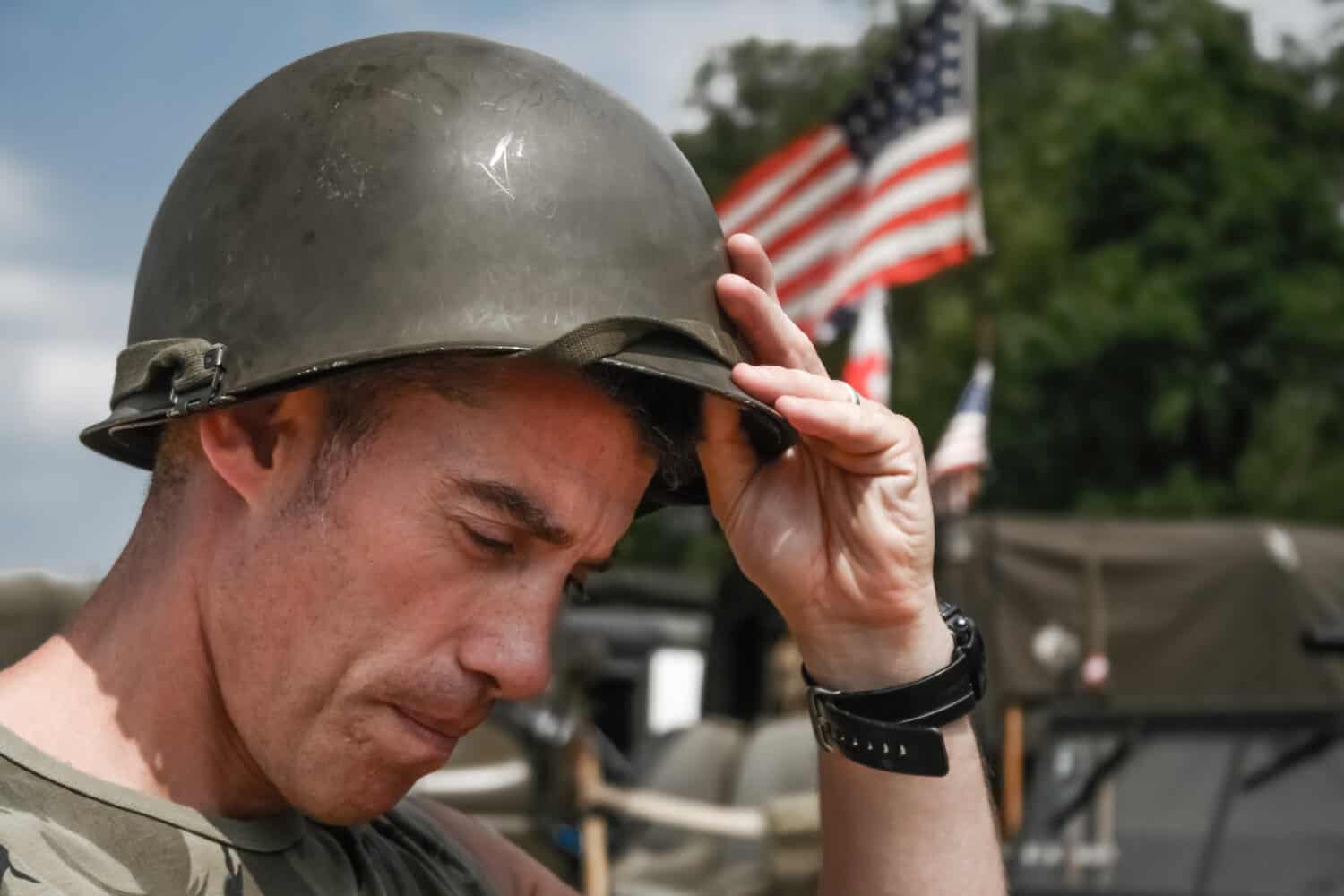
The Vietnam War stands out as one of the most significant conflicts in modern U.S. history, not just because it required the largest troop commitment of the post-1945 era, but because it reshaped America’s understanding of military power, foreign policy, and especially public trust.
With more than half a million U.S. service members deployed at its peak and well over 2 million rotating through the theater, Vietnam became the defining test of large-scale, sustained military involvement far from home. Its scale revealed the limits of conventional force against an unconventional enemy and showed how troop numbers alone could not guarantee strategic success. This war also sparked historic social and political trust issues with the U.S. government, many of which have still not been resolved. In many ways, every major U.S. operation that followed this war was influenced by the lessons of Vietnam.
Here is a look at the major U.S. military operations since 1945 with the most troops deployed:
Why Are We Covering This?
Understanding America’s major military operations since 1945 give important context for how U.S. strategy, troop commitments, and global priorities have evolved since World War 2. These conflicts shaped the foreign policy, defense spending, and modern military structure we know today. By examining troop levels, casualties, objectives, and outcomes, we gain a clearer view of the decisions that defined entire eras of U.S. engagement abroad.
15. Eagle Claw
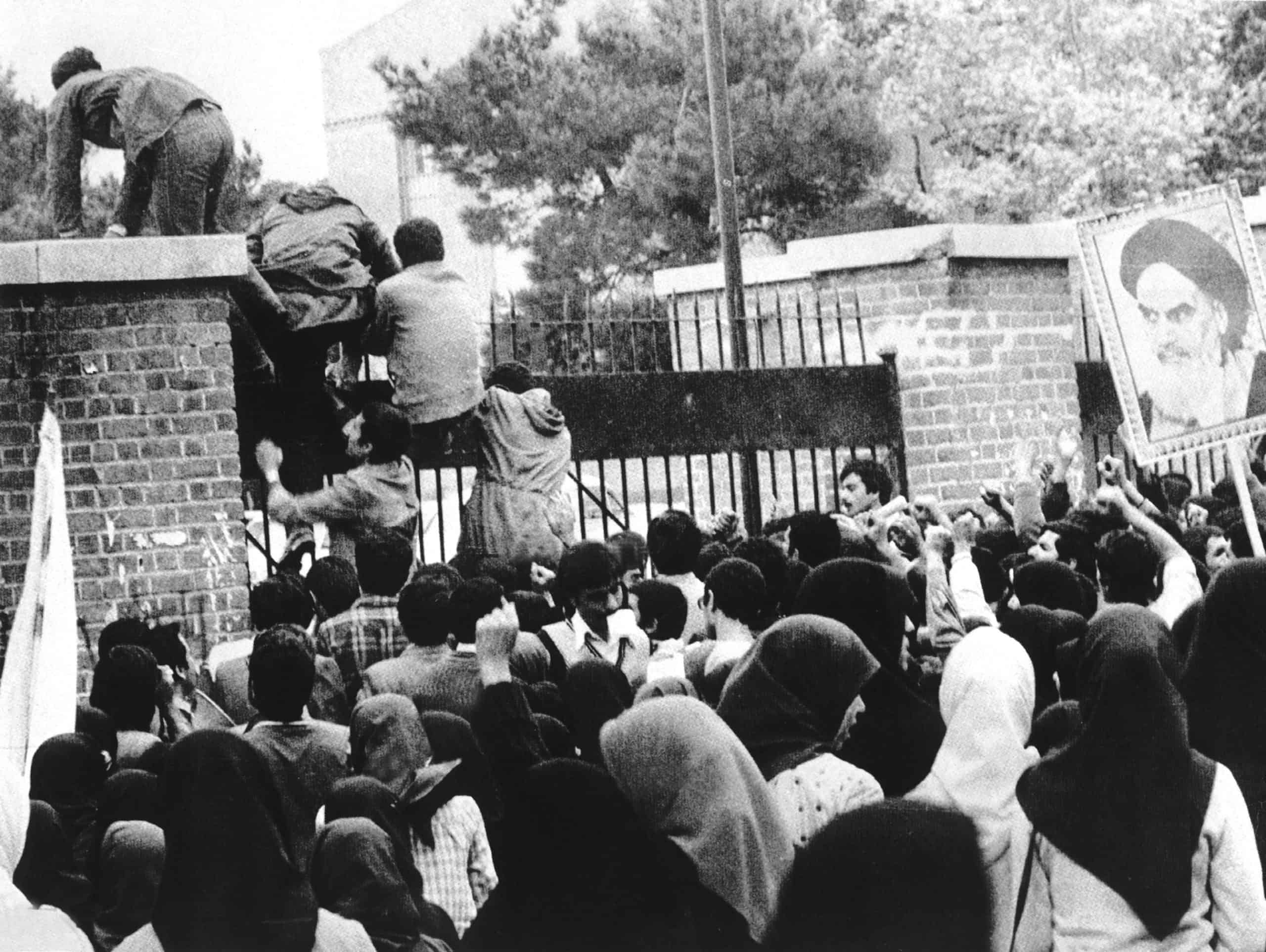
- Date: 1980
- Location: Iran
- Total U.S. troop deployment: ~100
- Total U.S. casualties: 8 killed
- Objective: Rescue U.S. hostages in Tehran
- Outcome: Operation failed due to helicopter crash; hostages remained captive
Operation Eagle Claw was a failed attempt to rescue American hostages held in Iran in 1980. The mission’s collapse due to mechanical failures and poor coordination exposed major weaknesses in U.S. special operations. Its lessons led to significant reforms, including the creation of U.S. Special Operations Command.
14. Bosnia (Deliberate Force)
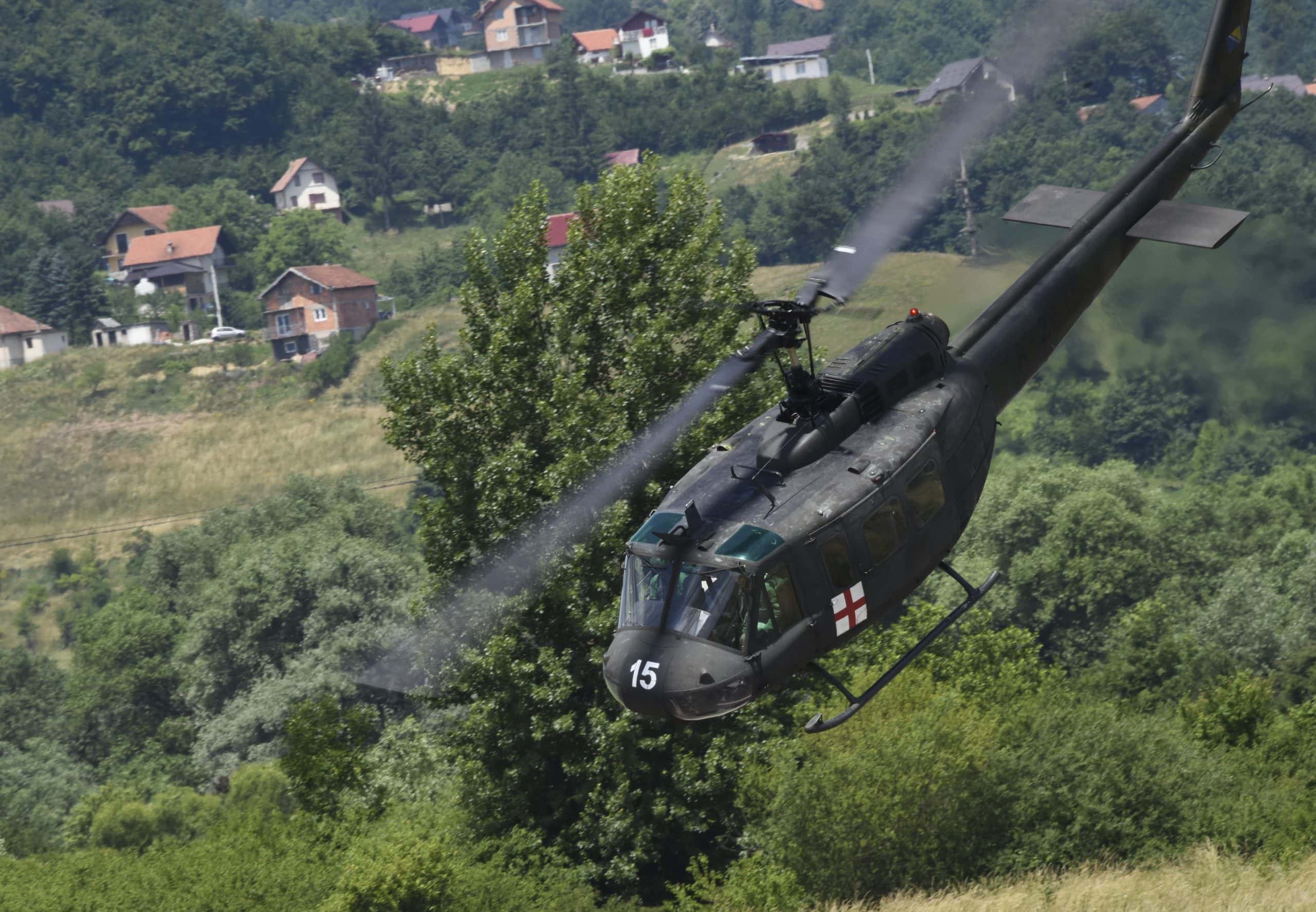
- Date: 1995
- Location: Bosnia and Herzegovina
- Total U.S. troop deployment: ~1,500
- Total U.S. casualties: No U.S. combat fatalities
- Objective: Stop Bosnian Serb attacks; enforce UN/NATO mandates
- Outcome: Airstrikes led to Dayton Accords and end of war
Operation Deliberate Force was a NATO air campaign aimed at stopping attacks on civilians during the Bosnian War. The operation demonstrated the effectiveness of coordinated international action and modern precision airstrikes. Its success helped bring all sides to the negotiating table and led to the Dayton Peace Accords.
13. Lebanon Peacekeeping

- Date: 1982–1984
- Location: Beirut, Lebanon
- Total U.S. troop deployment: ~1,800
- Total U.S. casualties: ~265 killed (including Beirut barracks bombing)
- Objective: Stabilize Beirut; support fragile Lebanese government
- Outcome: U.S. withdrawal after rising violence; mission ended
The Lebanon Peacekeeping mission placed U.S. Marines in Beirut during a period of intense civil conflict. It showed the dangers of peacekeeping in unstable environments and underscored the limits of military presence without a clear political plan. The deadly 1983 barracks bombing reshaped U.S. views on overseas deployments.
12. Kurdistan (Provide Comfort)
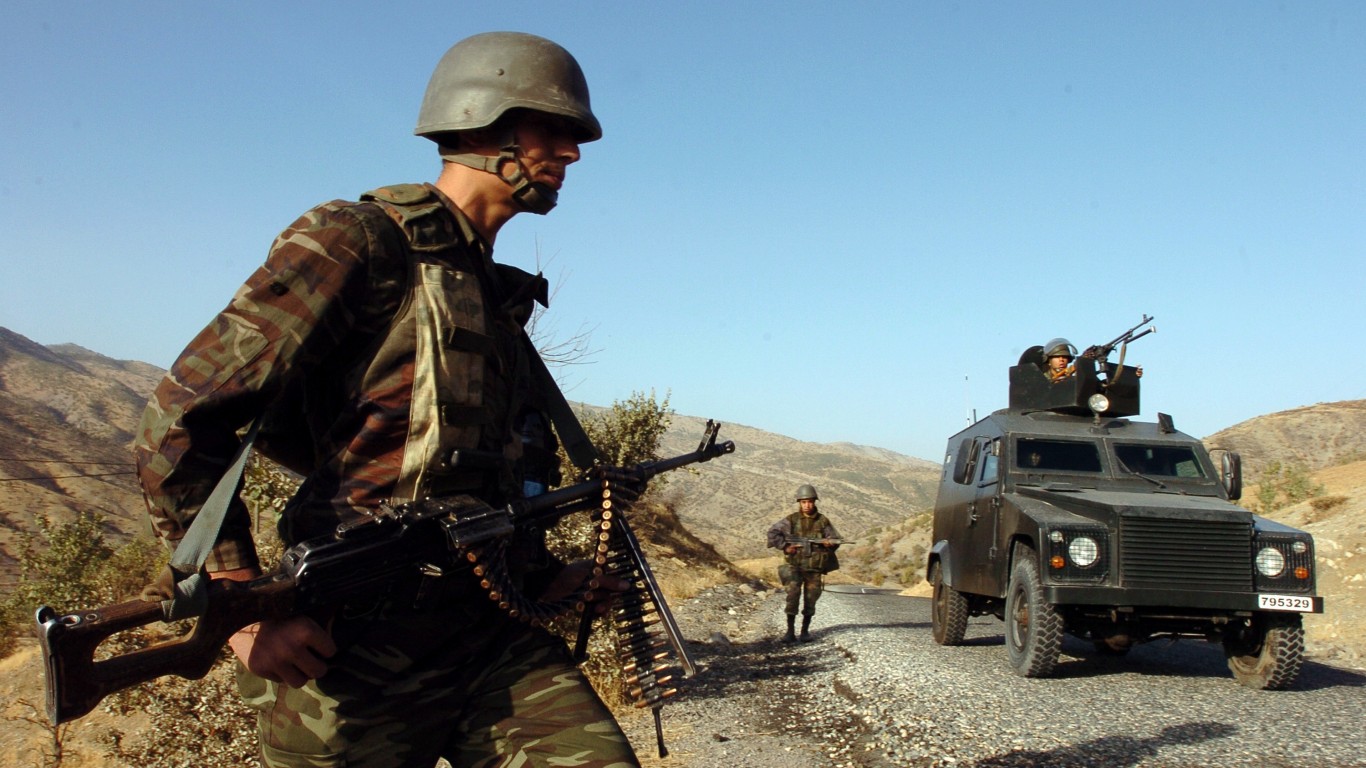
- Date: 1991–1996
- Location: Northern Iraq / Kurdish regions
- Total U.S. troop deployment: ~5,000–7,000
- Total U.S. casualties: ~1 killed (various accidents)
- Objective: Protect Kurdish civilians; provide humanitarian relief
- Outcome: Safe haven established; humanitarian crisis stabilized
Operation Provide Comfort was launched to protect Kurdish civilians fleeing violence after the Gulf War. It combined military protection with large-scale humanitarian assistance. The operation highlighted the growing role of the U.S. in safeguarding vulnerable populations and influenced how future humanitarian and no-fly zone missions were carried out.
11. Grenada (Urgent Fury)
- Date: 1983
- Location: Grenada
- Total U.S. troop deployment: ~7,300
- Total U.S. casualties: ~19 killed, ~116 wounded
- Objective: Protect U.S. citizens; remove Marxist government
- Outcome: Operation successful; new government installed
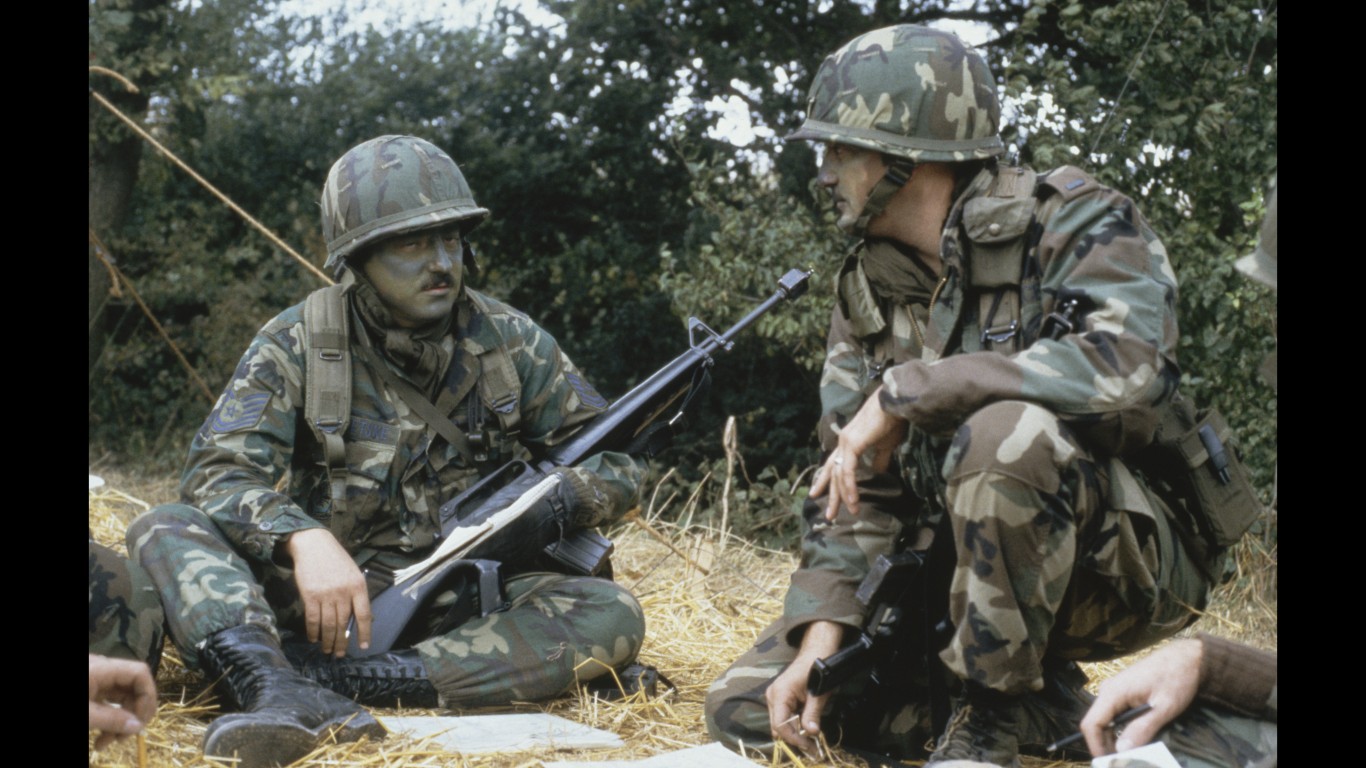
Operation Urgent Fury was a rapid U.S. intervention in Grenada to protect American citizens and restore political stability after a violent coup. The mission demonstrated the ability of U.S. forces to respond quickly to regional crises. It also led to reforms in military coordination and joint operations across service branches.
10. Operation Inherent Resolve
- Date: 2014–present
- Location: Iraq, Syria
- Total U.S. troop deployment: ~20,000+ cumulative
- Total U.S. casualties: ~104 killed
- Objective: Destroy ISIS; support Iraqi and Kurdish forces
- Outcome: ISIS territorial caliphate defeated; ongoing counterterror operations
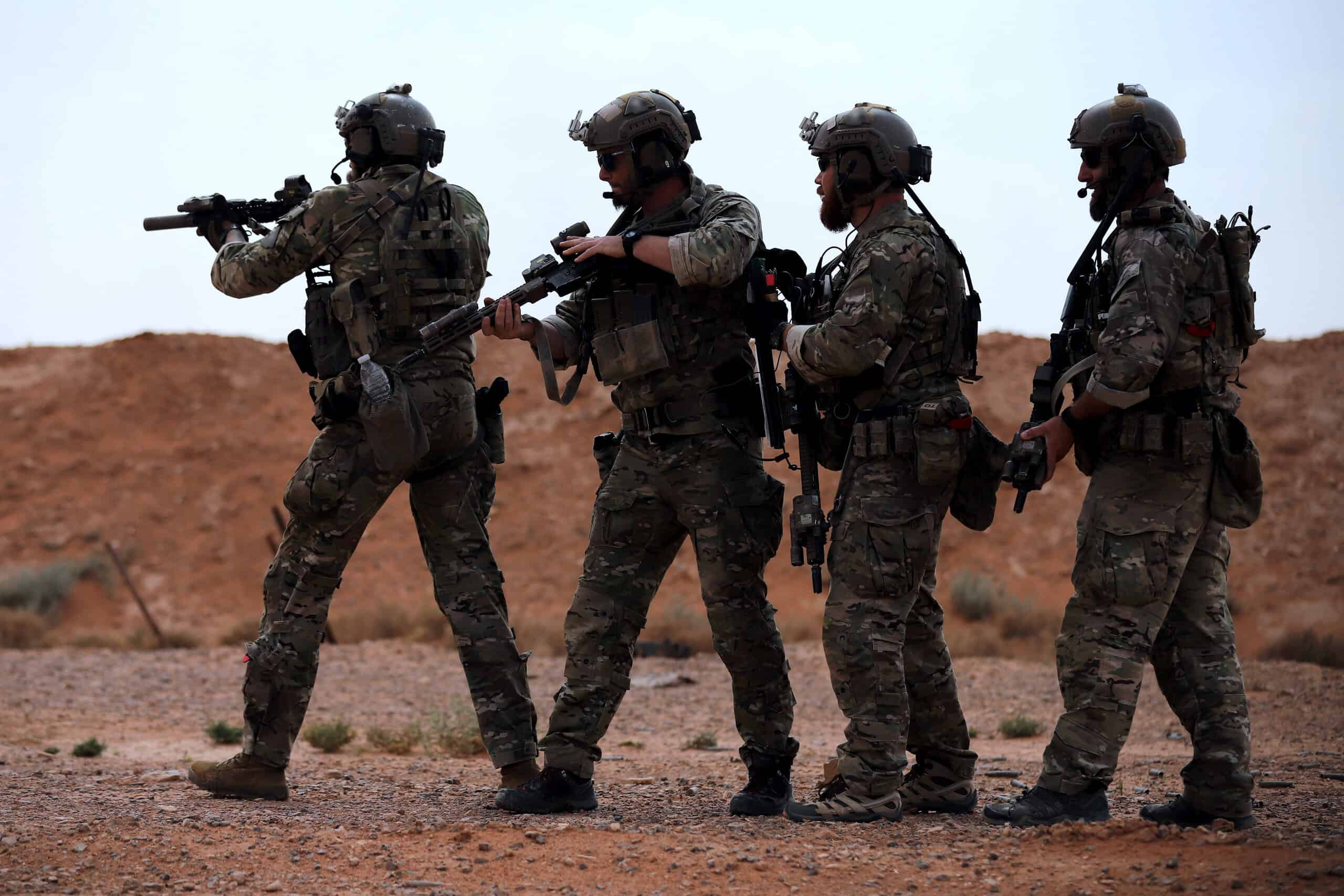
Operation Inherent Resolve targeted the rise of ISIS in Iraq and Syria, focusing on supporting local forces with U.S. airpower, intelligence, and special operations. It highlighted the complexity of fighting extremist groups while avoiding large-scale ground wars. The campaign weakened ISIS’s territorial control and reshaped regional security dynamics.
9. Kosovo (Allied Force)
- Date: 1999
- Location: Kosovo, Serbia
- Total U.S. troop deployment: ~18,000–20,000
- Total U.S. casualties: No direct U.S. combat deaths
- Objective: Stop ethnic cleansing by Yugoslav/Serb forces
- Outcome: Serbian withdrawal; NATO peacekeeping established
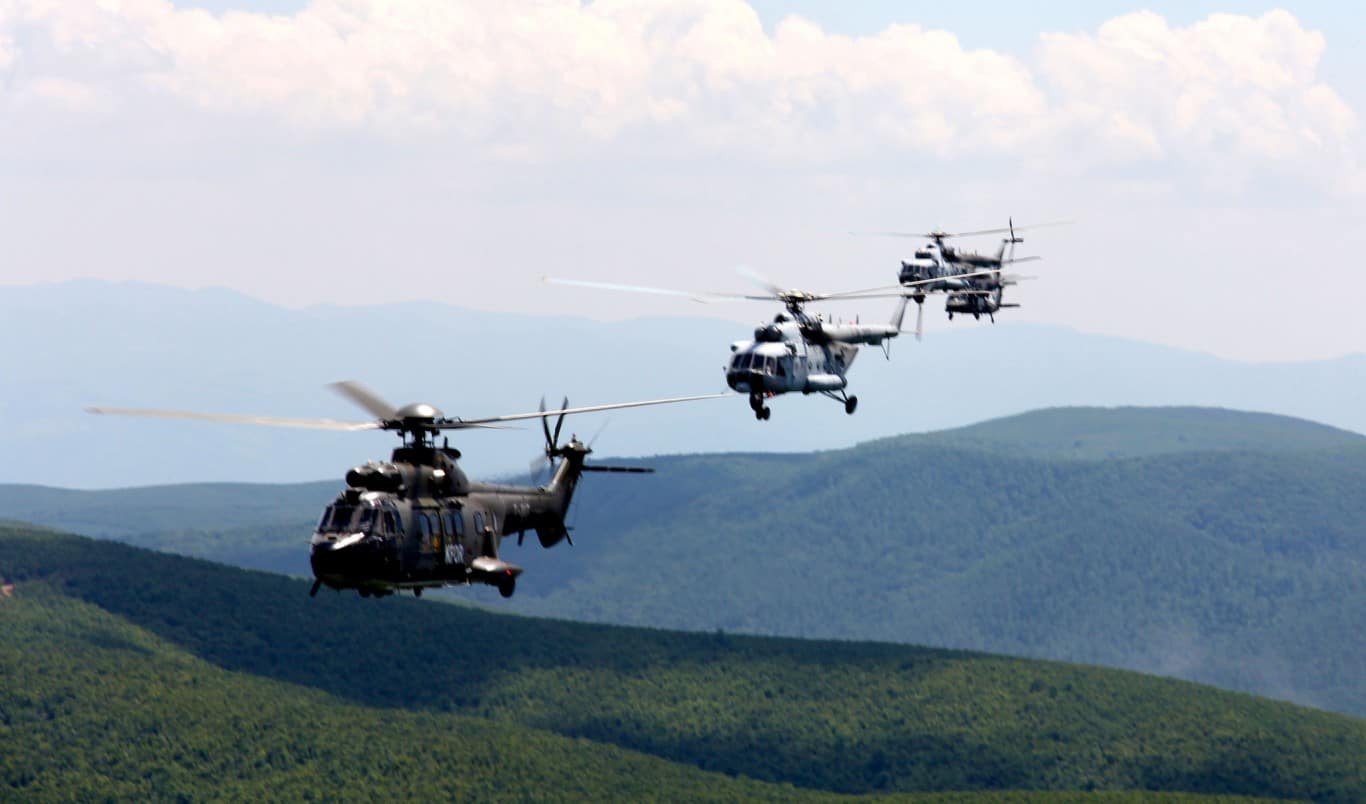
Operation Allied Force was a NATO-led air campaign aimed at stopping ethnic cleansing in Kosovo. It showed how airpower could be used to pressure a government without a large ground invasion. The operation helped end the conflict and shaped future debates about humanitarian intervention and international responsibility.
8. Somalia (Restore Hope)
- Date: 1992–1993
- Location: Somalia
- Total U.S. troop deployment: ~25,000
- Total U.S. casualties: ~43 killed, ~153 wounded
- Objective: Humanitarian relief; stabilize famine-struck regions
- Outcome: Aid delivered; mission transitioned to UN; rising conflict led to withdrawal
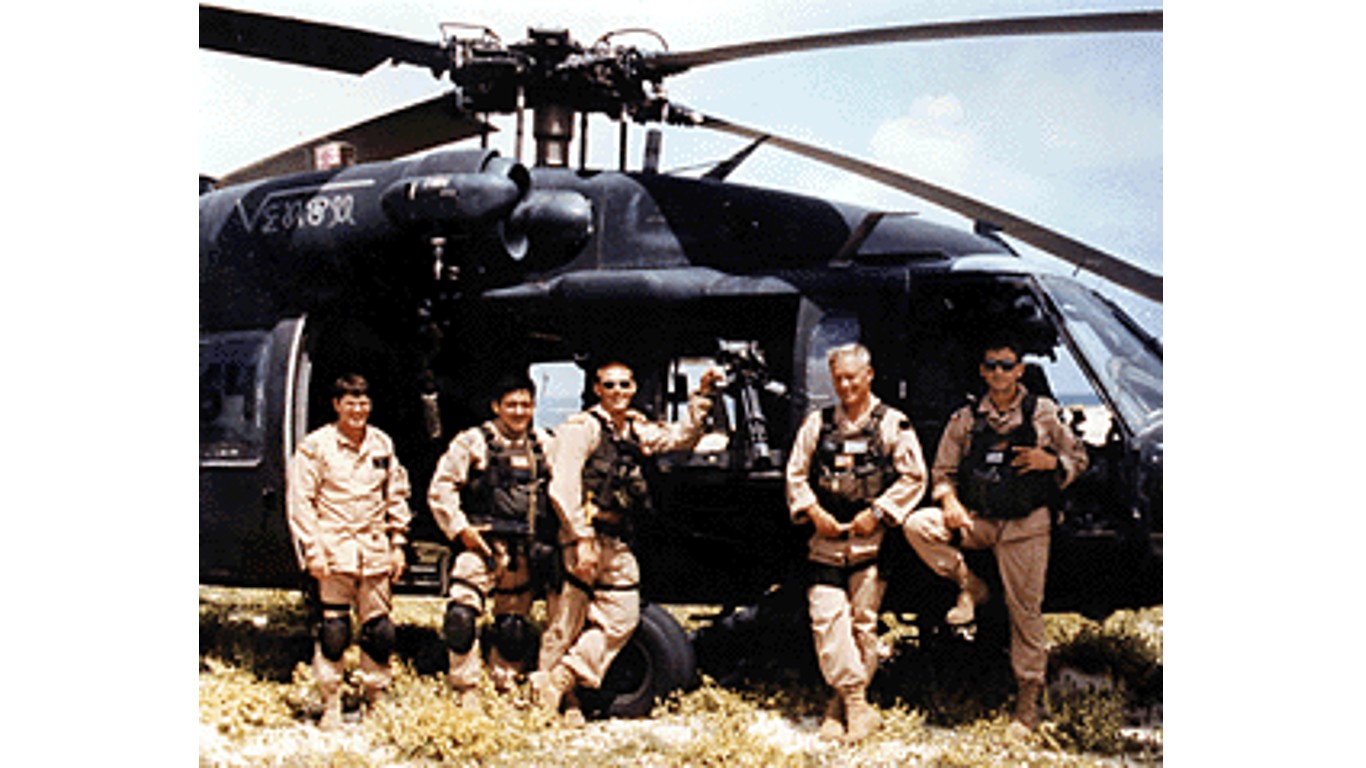
Operation Restore Hope was a humanitarian mission aimed at delivering food and aid during a severe famine. It showed how difficult it is to operate in countries with no functioning government. The challenges the U.S. faced there influenced future decisions about when and how America intervenes in global crises.
7. Panama (Just Cause)
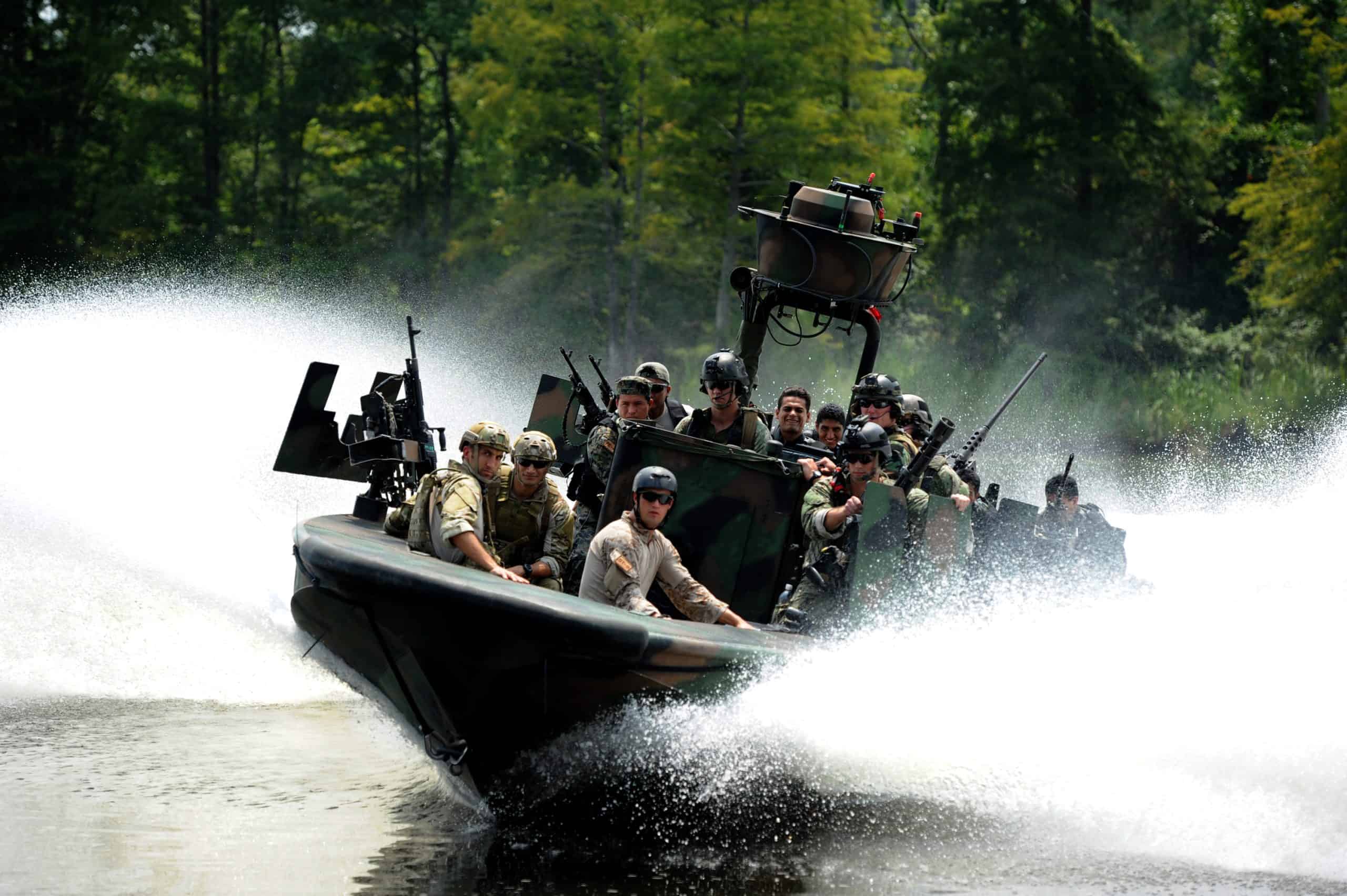
- Date: 1989–1990
- Location: Panama
- Total U.S. troop deployment: ~27,000
- Total U.S. casualties: ~23 killed, ~325 wounded
- Objective: Remove Manuel Noriega; protect U.S. citizens; restore democracy
- Outcome: Noriega captured; new Panamanian government installed
Operation Just Cause removed Manuel Noriega from power and demonstrated the speed and strength of U.S. military intervention. It raised debates about American involvement in Latin America and set an early example of modern urban combat. The mission also influenced later U.S. strategies for rapid, targeted operations.
6. Operation New Dawn
![Iraq+military | A new generation of tanker for a new generation of Iraqi military [Image 6 of 9]](https://a673b.bigscoots-temp.com/wp-content/uploads/2025/09/imageForEntry9-GAs.jpg)
- Date: 2010–2011
- Location: Iraq
- Total U.S. troop deployment: ~50,000
- Total U.S. casualties: ~66 killed
- Objective: Transition to Iraqi-led security; advisory mission
- Outcome: Full U.S. withdrawal by end of 2011
Operation New Dawn marked the shift from full U.S. combat operations in Iraq to Iraqi-led security. It represented an effort to stabilize the country while reducing America’s military presence. The operation highlighted the challenges of nation-building and the difficulty of maintaining stability after major conflict.
5. Gulf War (Desert Shield & Desert Storm)
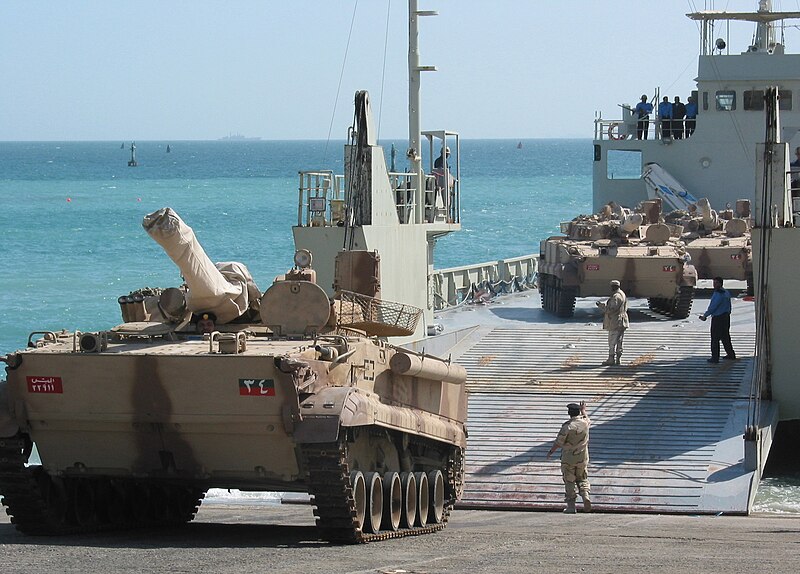
- Date: 1990–1991
- Location: Iraq, Kuwait, Persian Gulf
- Total U.S. troop deployment: ~700,000
- Total U.S. casualties: ~294 killed, ~467 wounded
- Objective: Expel Iraqi forces from Kuwait; defend Saudi Arabia
- Outcome: Coalition victory; Iraq expelled from Kuwait
The Gulf War showcased advanced U.S. military technology and the effectiveness of large international coalitions. The rapid victory restored Kuwait’s independence and reinforced America’s role as a global military leader. It also set new standards for precision strikes, logistics, and modern warfare at the end of the Cold War.
4. Afghanistan War (Operation Enduring Freedom)
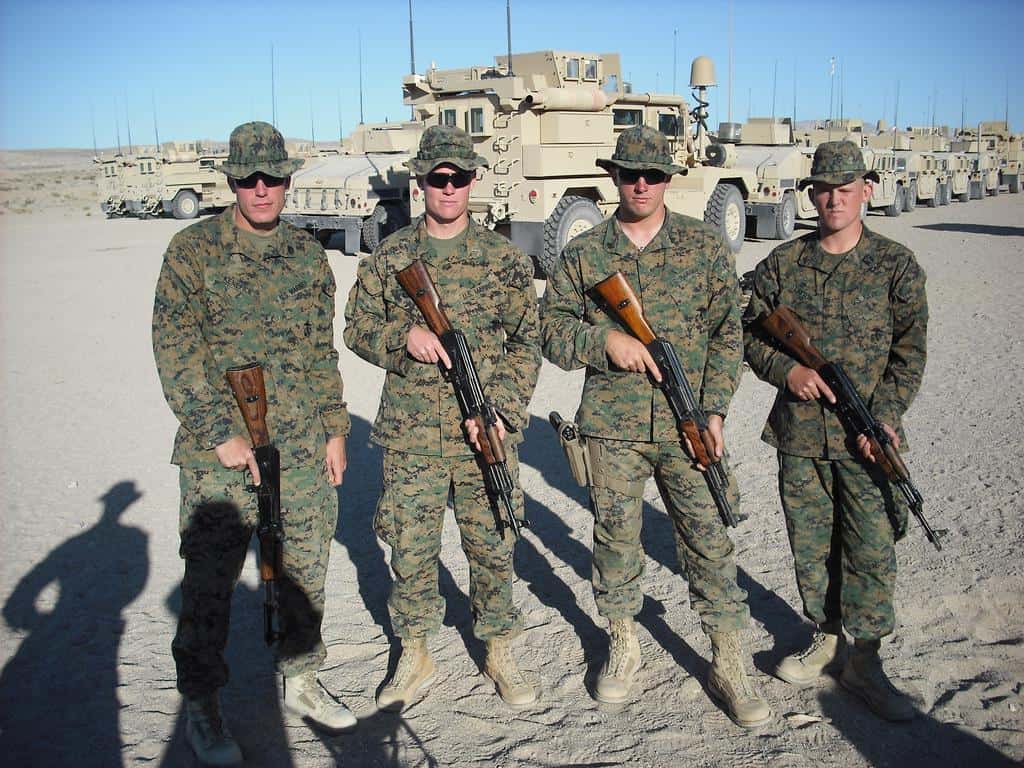
- Date: 2001–2014
- Location: Afghanistan
- Total U.S. troop deployment: ~800,000
- Total U.S. casualties: ~2,354 killed, ~20,149 wounded
- Objective: Destroy al‑Qaeda; remove Taliban government; counterterrorism
- Outcome: Taliban removed initially; long insurgency; U.S. withdrawal in 2021
The Afghanistan War was America’s longest conflict, beginning in response to the 9/11 attacks. It evolved from targeting al-Qaeda to trying to stabilize an entire nation. The war exposed the challenges of fighting insurgencies and building governments, and its ending raised major questions about the effectiveness of long-term interventions.
3. Iraq War (Operation Iraqi Freedom)
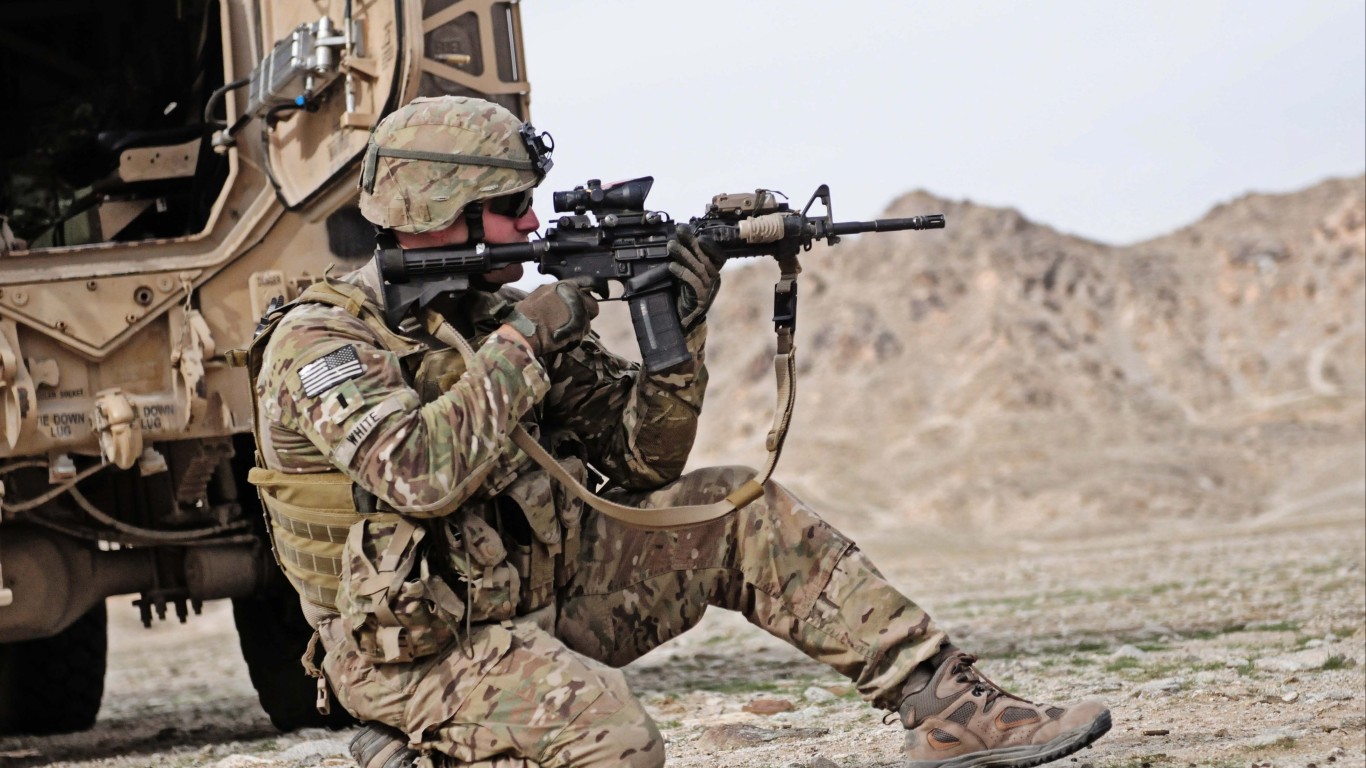
- Date: 2003–2011
- Location: Iraq
- Total U.S. troop deployment: ~1,500,000
- Total U.S. casualties: ~4,431 killed, ~31,994 wounded
- Objective: Remove Saddam Hussein; eliminate WMD threat; stabilize Iraq
- Outcome: Saddam removed; prolonged insurgency; transition to Iraqi control
Operation Iraqi Freedom reshaped the Middle East by ending Saddam Hussein’s regime but also creating years of instability and insurgency. It raised worldwide questions about preemptive war, intelligence reliability, and America’s role in rebuilding nations. Its consequences continue to influence U.S. military strategy and regional politics.
2. Korean War
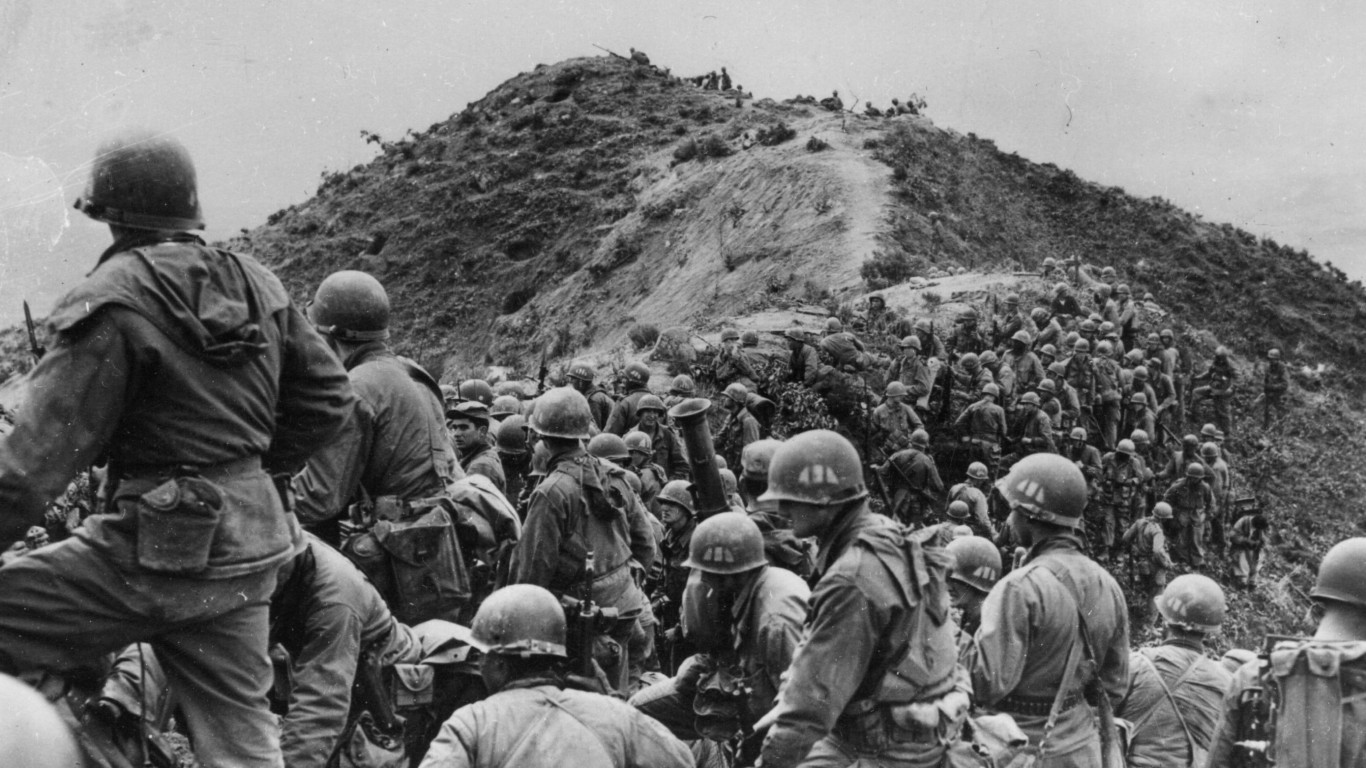
- Date: 1950–1953
- Location: Korean Peninsula
- Total U.S. troop deployment: ~1,800,000
- Total U.S. casualties: ~36,574 killed, ~103,000 wounded
- Objective: Defend South Korea from North Korean invasion; contain communism
- Outcome: Armistice signed; Korean Peninsula remains divided
The Korean War was the first major conflict of the Cold War and seemingly set the doctrine for the U.S. would approach containing communism. It established lasting alliances in Asia and left the Korean Peninsula divided, creating one of the world’s most heavily militarized borders, an issue that still affects global security today.
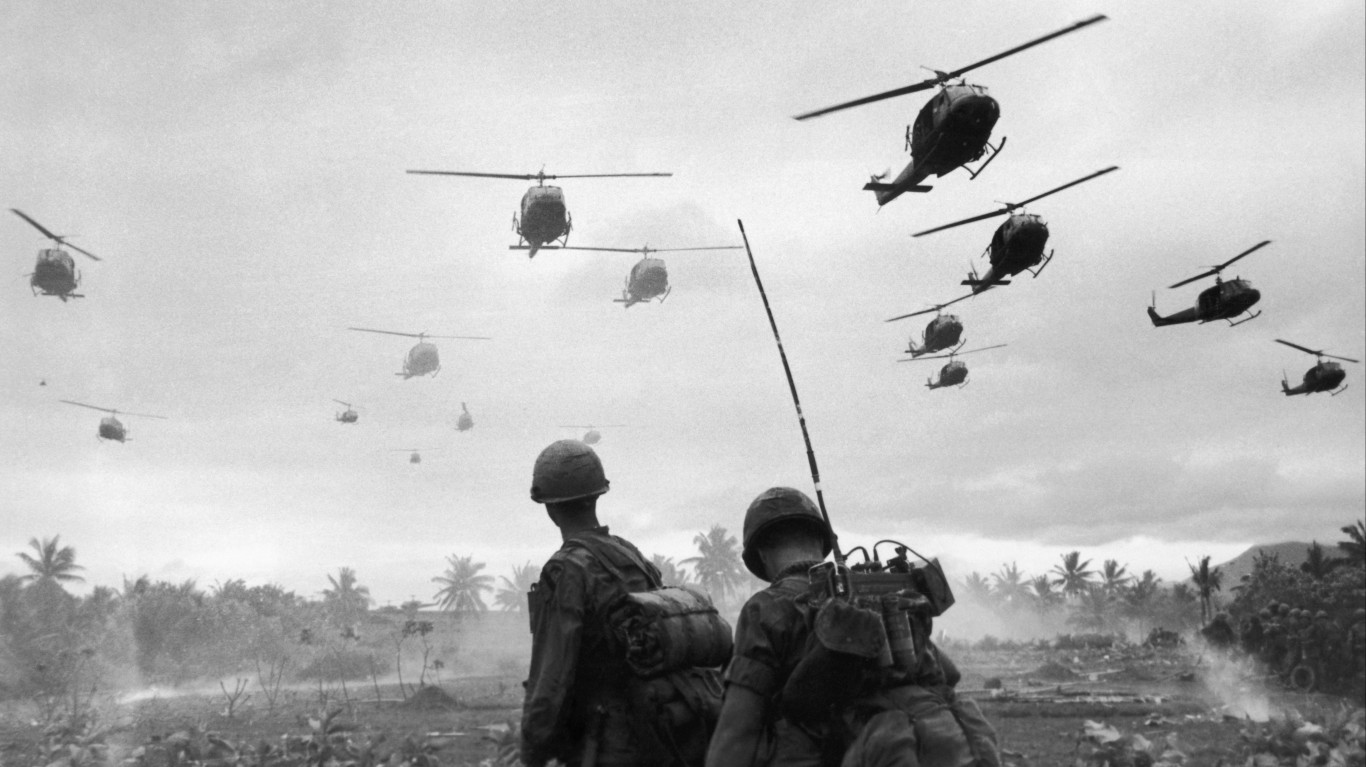
1. Vietnam War
- Date: 1965–1973
- Location: Vietnam, Laos, Cambodia
- Total U.S. troop deployment: ~2,700,000
- Total U.S. casualties: ~58,220 killed, ~153,000 wounded
- Objective: Prevent spread of communism in Southeast Asia; support South Vietnam
- Outcome: U.S. withdrawal in 1973; South Vietnam fell in 1975
The Vietnam War dramatically changed America’s approach to foreign policy and military intervention. It revealed the limitations of fighting long, irregular conflicts far from home and sparked intense debate across the country. Its outcome influenced how future U.S. leaders evaluated intelligence, public support, and long-term commitments in overseas wars.








 Top Gaining Stocks
 Top Losing Stocks