


For over a century, sharpshooters have shaped the evolution of special operations warfare. From the minimalist precision of Simo Häyhä to the extreme-range shots of modern SOF snipers, these marksmen forced militaries to rethink how small teams could dominate the battlefield. Advances in optics, ballistics, and training didn’t just make rifles better, they transformed snipers into high-value assets for reconnaissance, target interdiction, and mission security. Here, 24/7 Wall St. is taking a closer look at how sharpshooters shaped modern SOF tactics and the legends behind this evolution.
To determine the sharpshooters that redefined Special Operations warfare, 24/7 Wall St. reviewed various historic and military sources. We ordered these shooters alphabetically. We included supplementary information regarding their country of origin, military branch, preferred rifle or rifles, and more. Note that this is not an all-inclusive list, and there are a number of other highly skilled operators out there that have heavily influenced Special Operations warfare.
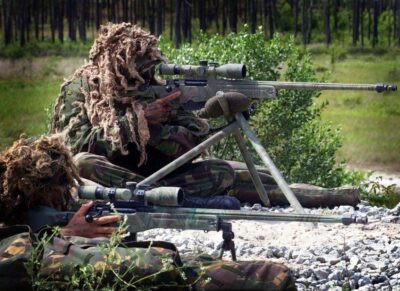
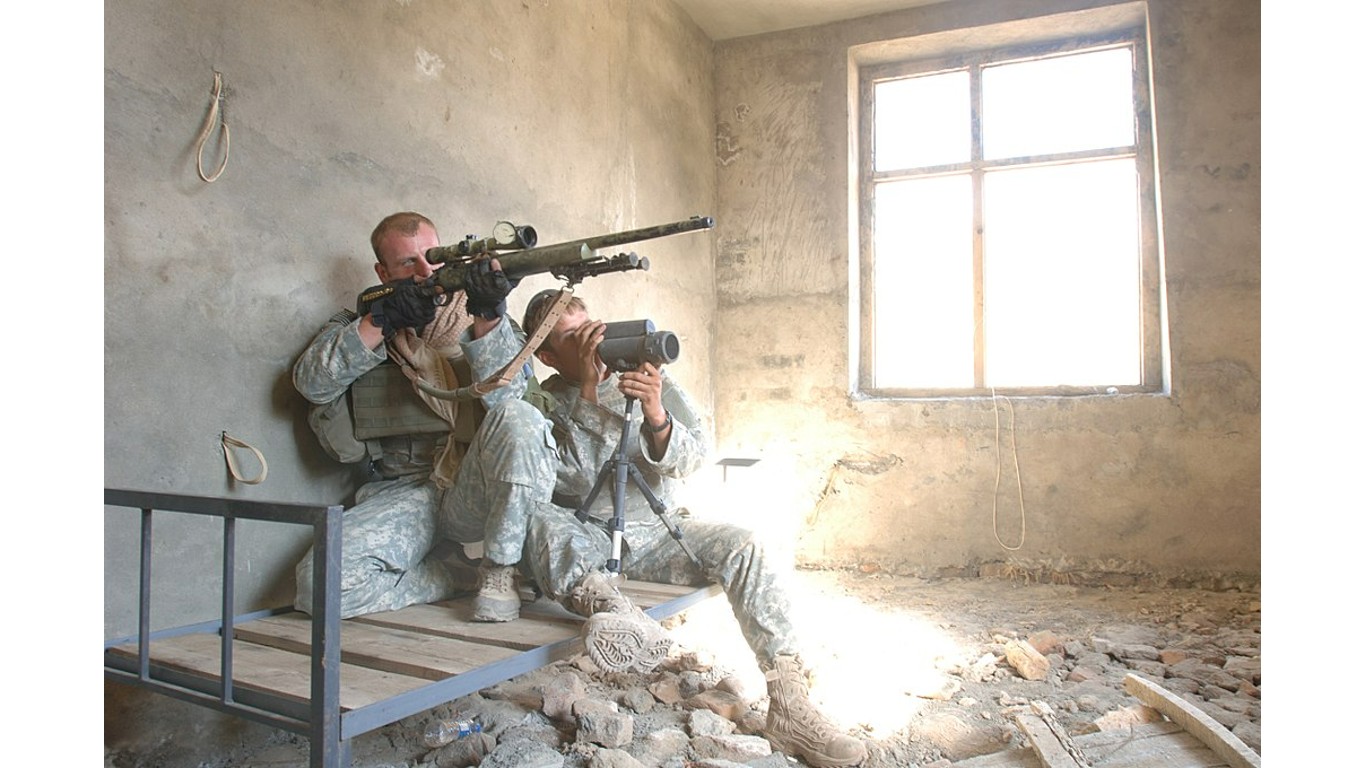
Snipers play a vital role in modern military operations by providing precision fire, long-range overwatch, and real-time intelligence. Their ability to neutralize key threats, guide unit movement, and secure urban or open terrain makes them force multipliers. In today’s high-risk environments, sniper teams shape missions through accuracy, stealth, and battlefield awareness.
These 20 figures highlight the skills, innovations, and courage that redefined what small teams could accomplish and why sharpshooters remain indispensable to today’s most elite military forces.
Here is a look at the sharpshooters that redefined Special Operations warfare:
Why Are We Covering This?

Sharpshooters have shaped modern special operations far more than most people realize. From the frozen forests of Finland to the streets of Fallujah, elite marksmen have influenced tactics, battlefield psychology, and the very structure of special mission units. Their precision changed how raids are planned, how teams maneuver, and how high-value targets are eliminated. By examining the individuals who mastered long-range engagement, camouflage, overwatch, and surgical lethality, we can see how sniper warfare evolved into one of the most critical components of modern special operations.
The Birth of Modern Sniping (WWI-WW2)
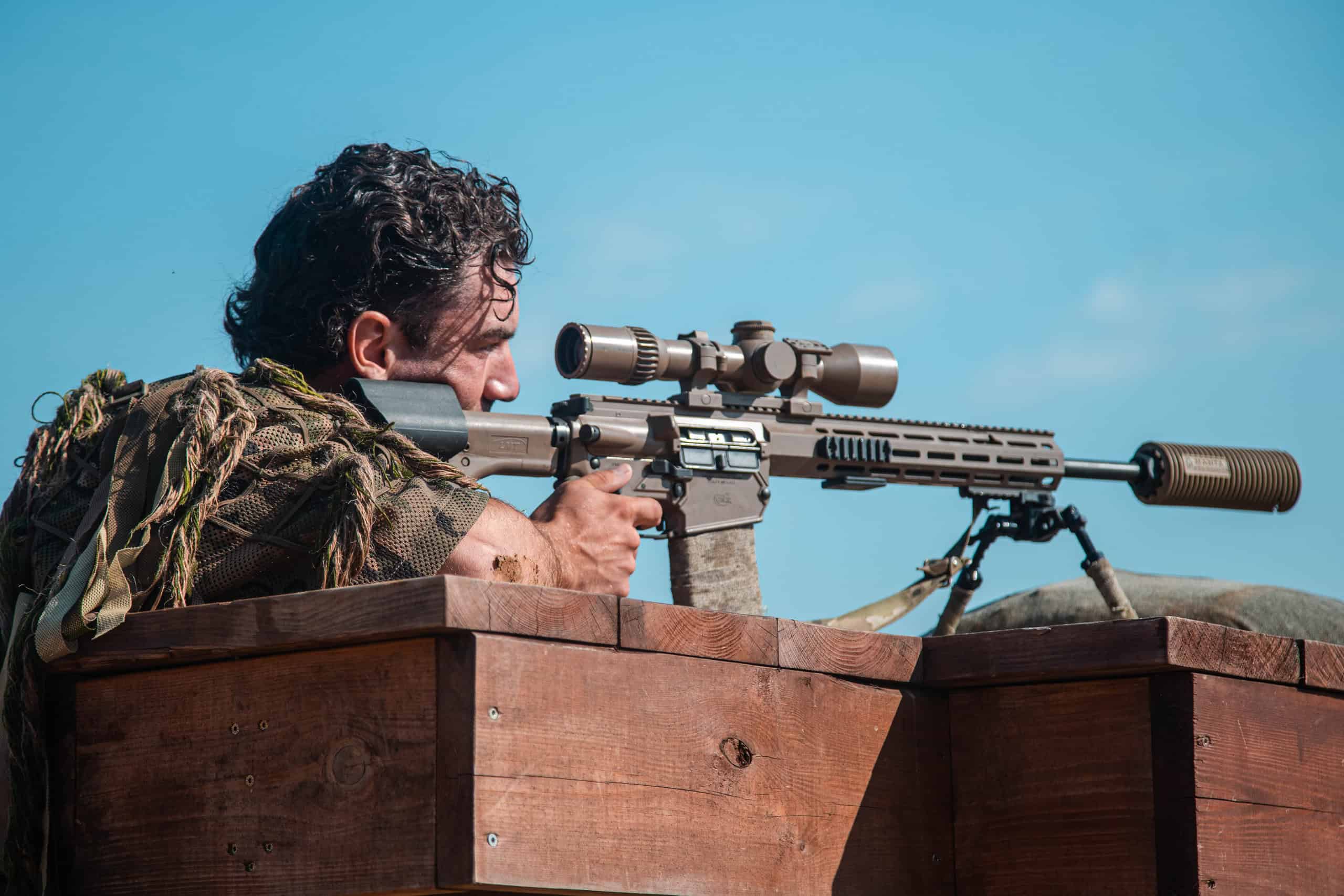
The foundation of special operations marksmanship began in the world wars, when militaries first recognized that a single skilled rifleman could influence entire battles. Improvements in optics, barrel manufacturing, and ammunition standardization created the first true “precision shooters,” laying the groundwork for the sniper–commando relationship that later special operations units would rely on.
The Telescopic Sight Revolution
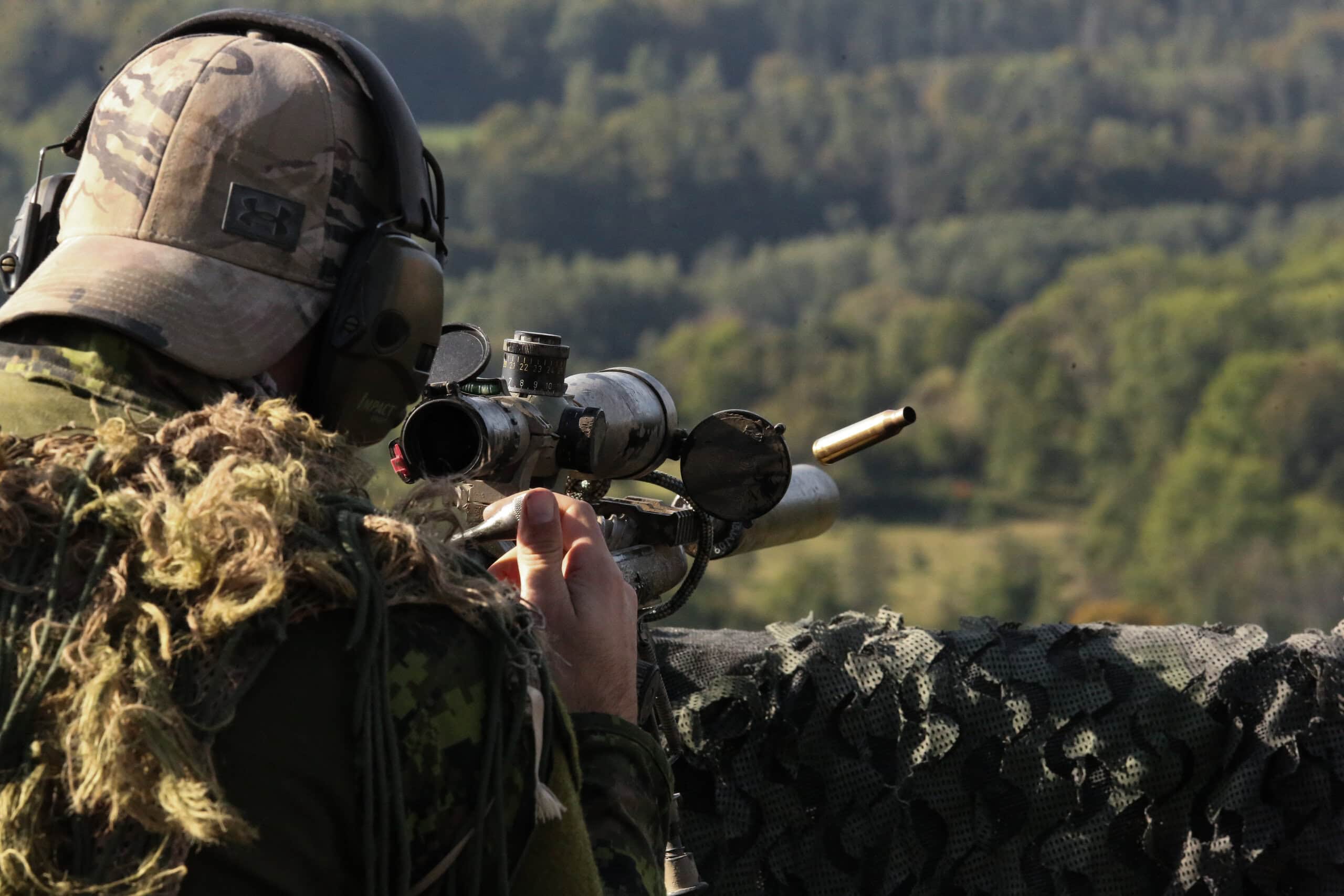
World War 2 introduced rugged, shock-resistant scopes that stayed zeroed under recoil and harsh field conditions. This transformed sniping from improvised sharpshooting into a repeatable, scientific discipline. Standardized scopes, better glass clarity, and reliable mounting systems finally made long-range precision practical for modern special operations forces.
Fieldcraft: The Skillset That Became a Doctrine

Snipers like Simo Häyhä and Vasily Zaytsev proved that stealth, camouflage, and patient stalking were as important as marksmanship. Their lessons shaped the fieldcraft training modern special operations teams rely on today—concealed movement, target selection, and small-team reconnaissance all originate from these early masters.
The Rise of the Sniper–SOF Integration (Vietnam–1990s)
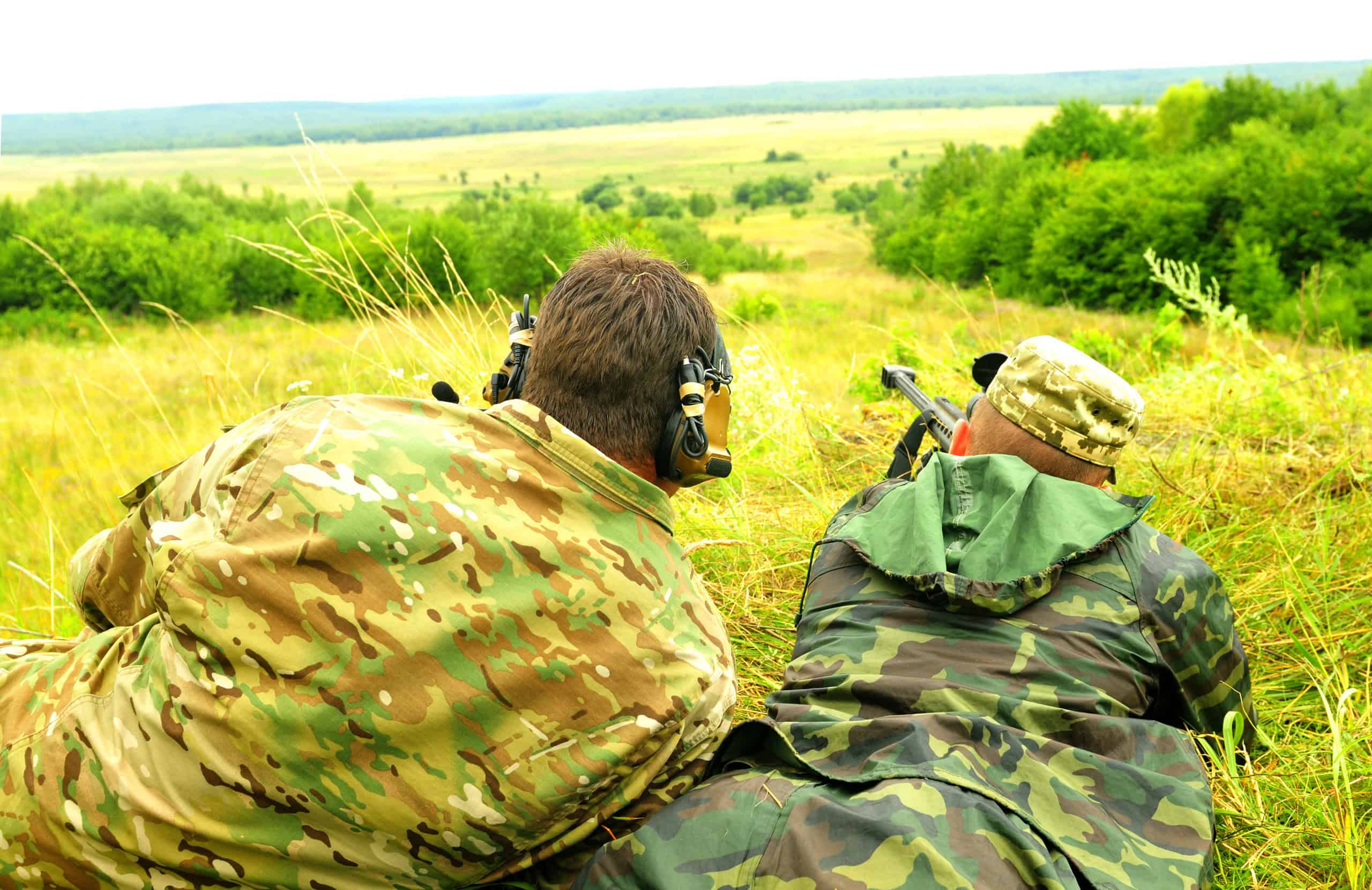
Vietnam marked a turning point as snipers became embedded in recon units, Marine scout sniper platoons, and eventually elite groups like SEALs and Delta Force. Sharpshooters supported raids, ambushes, and deep reconnaissance, showing how precision fire could drive mission success. This era formalized sniper schools and long-range doctrine.
The Modern Precision Warfare Era (2000s–Today)
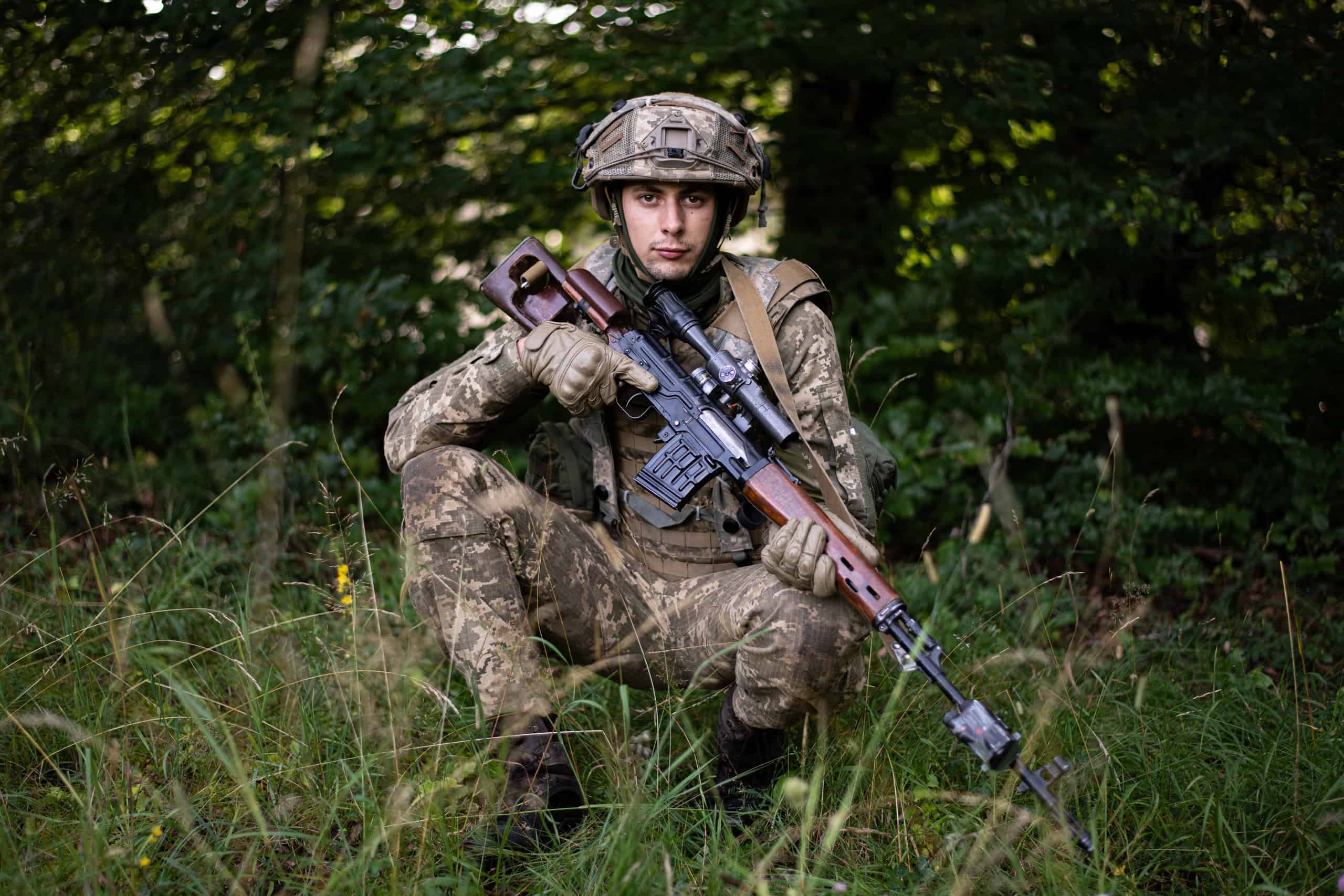
Urban combat in Iraq and Afghanistan elevated snipers to indispensable SOF assets. Advances in optics, night vision, ballistics software, and suppressed semi-automatic rifles allowed sharpshooters to dominate cityscapes, protect assault teams, and neutralize high-value targets. Today, precision shooters are integral to almost every special operations mission set.
Adelbert Waldron
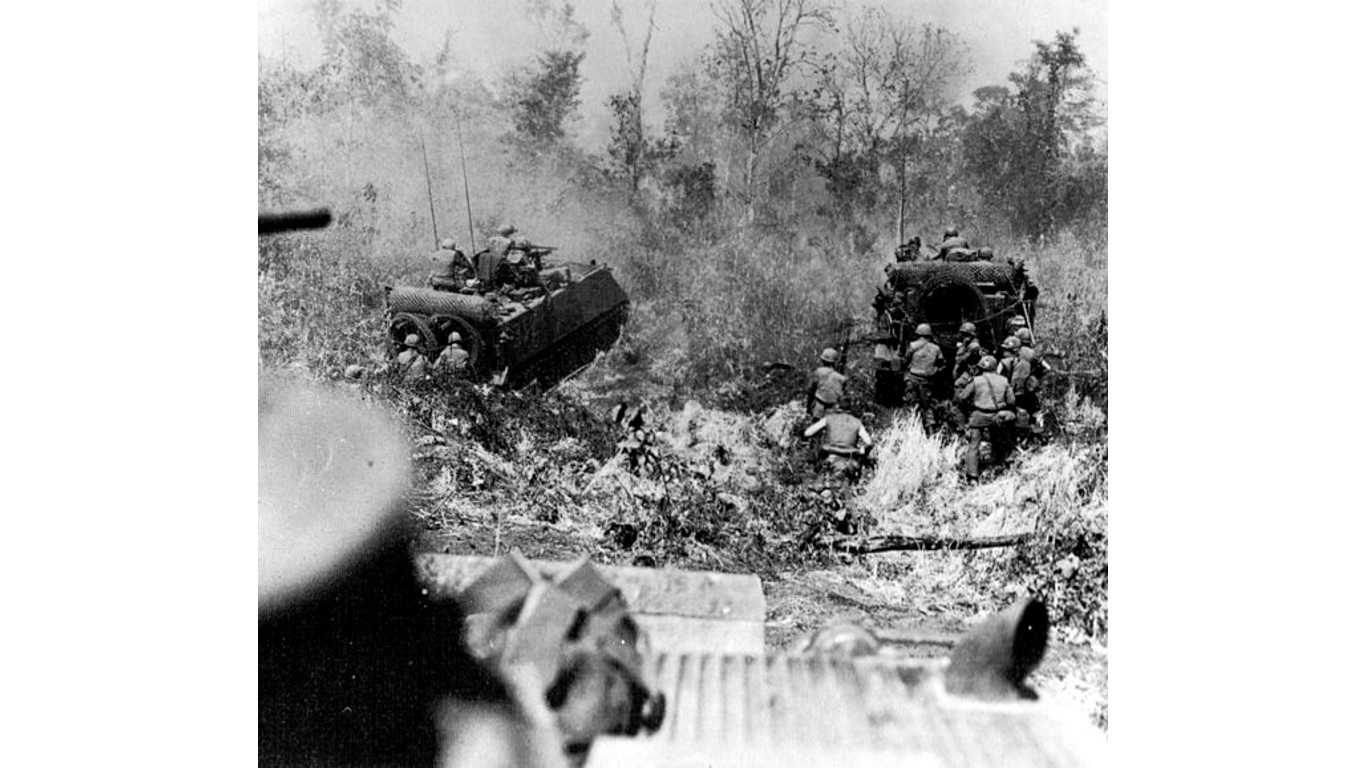
- Country of origin: United States
- Military branch: U.S. Army
- Rank: Staff Sergeant
- Preferred rifle(s): M21 Sniper Weapon System
Adelbert Waldron set early sniper records in Vietnam, proving how a single marksman could dominate terrain from concealed positions. His success pushed the Army to formalize sniper schools, highlighting the strategic value of sharpshooters in small-unit special operations missions.
Bruce “Doc” Norton
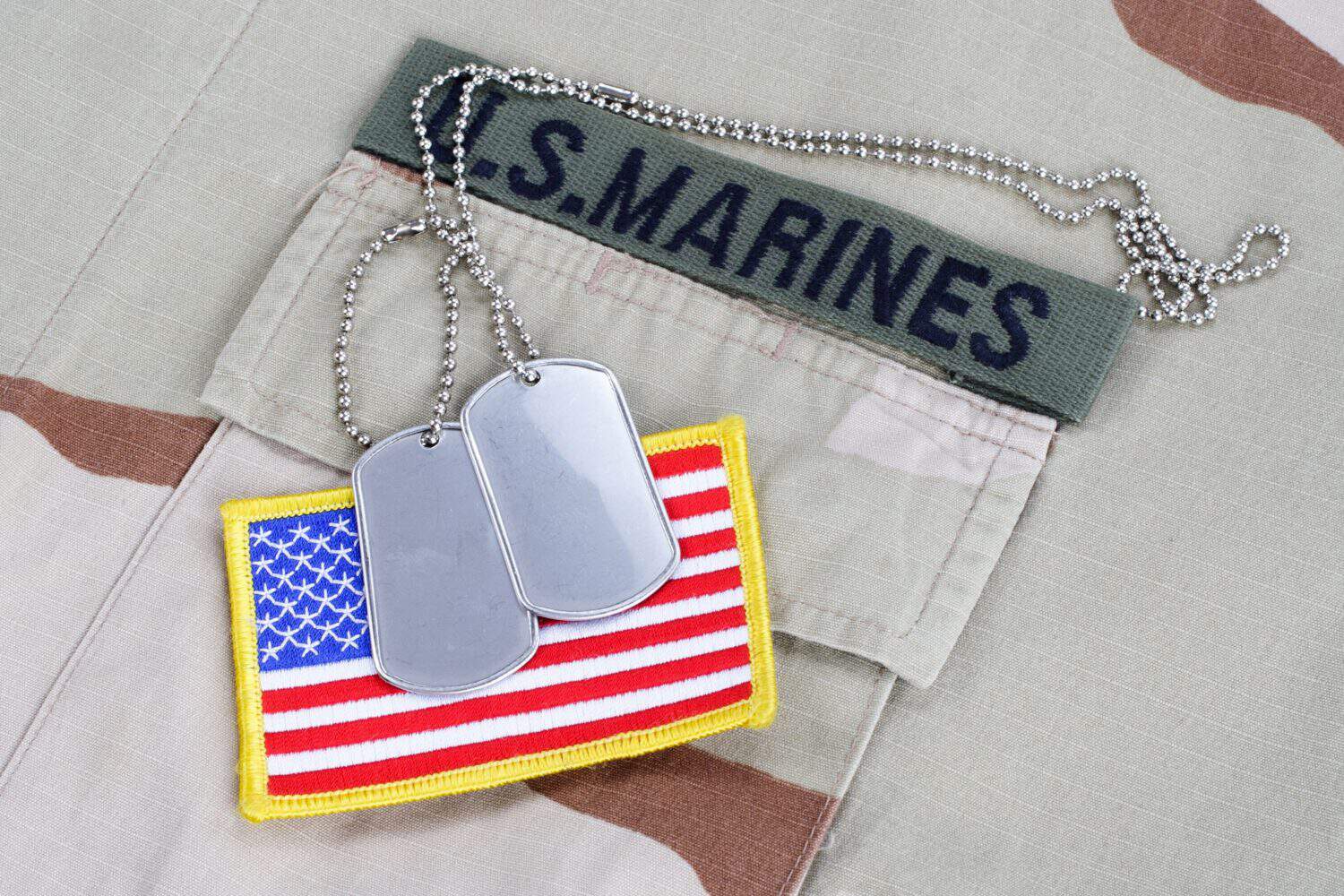
- Country of origin: United States
- Military branch: USMC Force Recon
- Rank: Corporal
- Preferred rifle(s): M40 Sniper Rifle; various reconnaissance rifles
Bruce “Doc” Norton combined sniper precision with deep reconnaissance skills. His ability to gather intelligence, coordinate strikes, and support special operations teams helped shape the integration of recon and sniper roles.
Carlos Hathcock
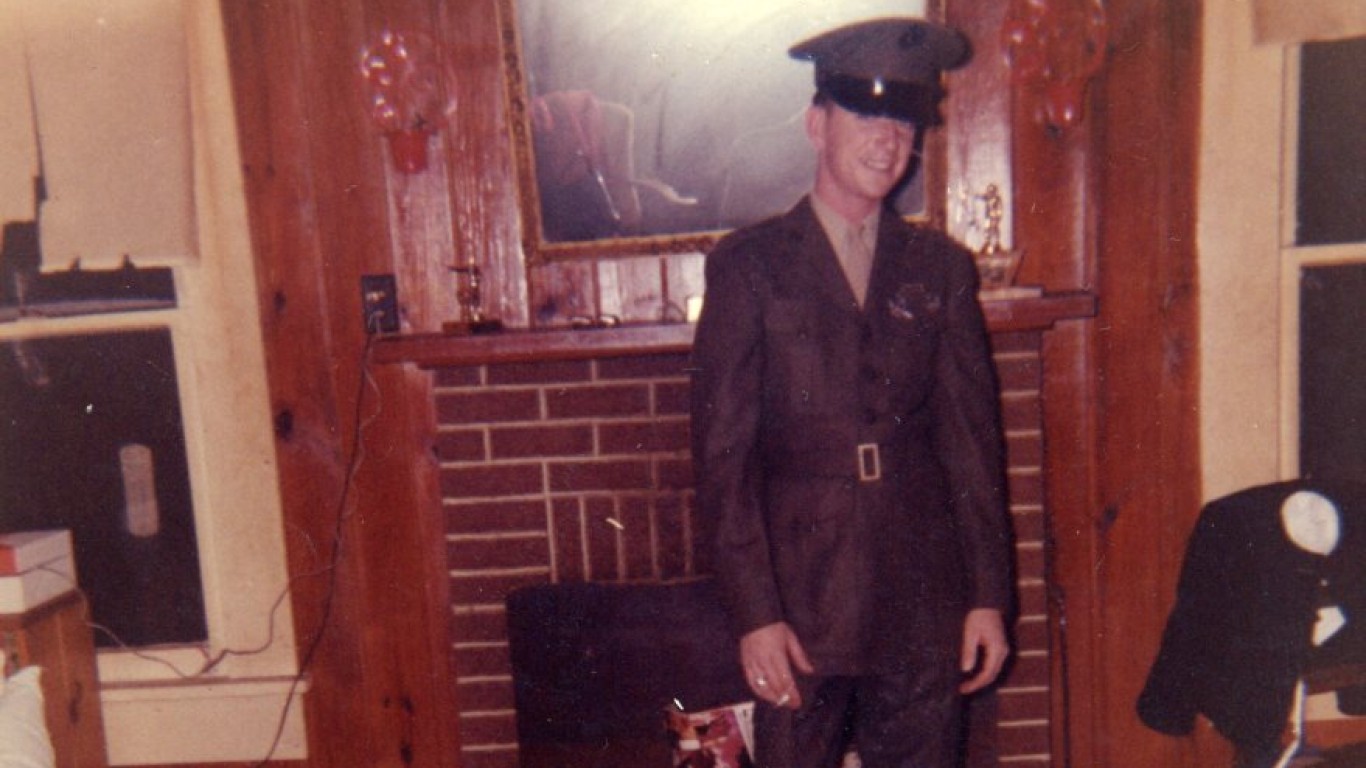
- Country of origin: United States
- Military branch: U.S. Marine Corps
- Rank: Gunnery Sergeant
- Preferred rifle(s): Winchester Model 70, M40 Sniper Rifle
Carlos Hathcock transformed Marine sniper doctrine in Vietnam. His long‑range precision, stalking skills, and innovative fieldcraft reshaped how special operations units viewed the role of sharpshooters. Modern teams still study his missions for lessons in stealth, discipline, and psychological impact on the battlefield.
Chris Kyle
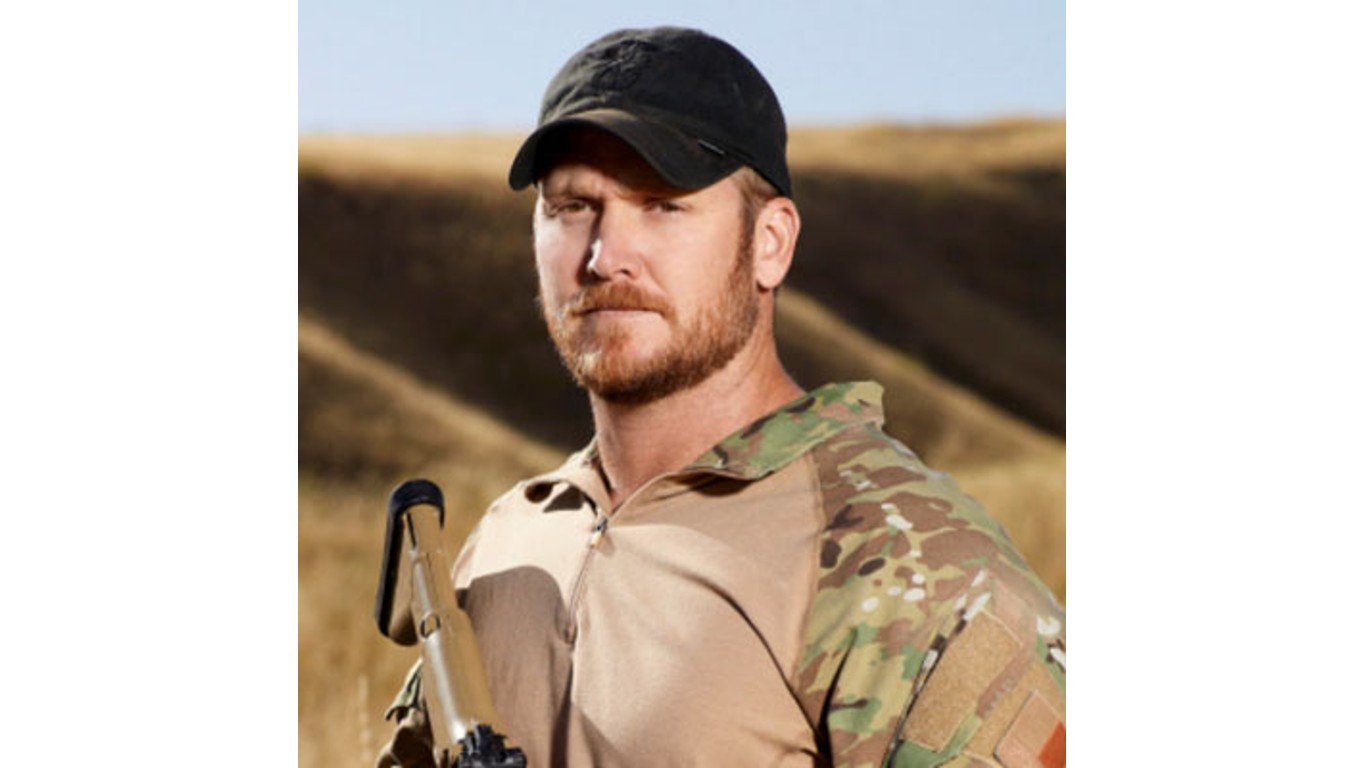
- Country of origin: United States
- Military branch: U.S. Navy SEALs
- Rank: Chief Petty Officer
- Preferred rifle(s): Mk 12 SPR, Mk 11 Mod 0, McMillan TAC-338
Chris Kyle became one of the most recognized modern American snipers during the Iraq War. Working with SEAL teams, he used precision fire to protect units and influence urban battles. His missions demonstrated the importance of snipers as decisive assets in special operations warfare.
Craig Harrison
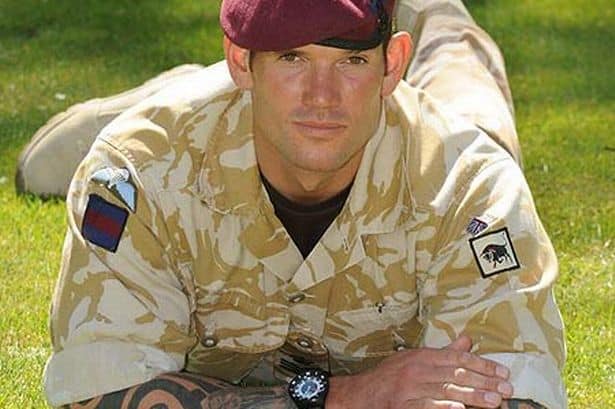
- Country of origin: United Kingdom
- Military branch: British Army
- Rank: Corporal of Horse
- Preferred rifle(s): Accuracy International L115A3
Craig Harrison achieved record‑setting long‑range kills in Afghanistan. Operating alongside British special operations units, he demonstrated how snipers could neutralize threats from over a mile away, reshaping the tactical expectations for long‑distance engagements.
Dean Stott
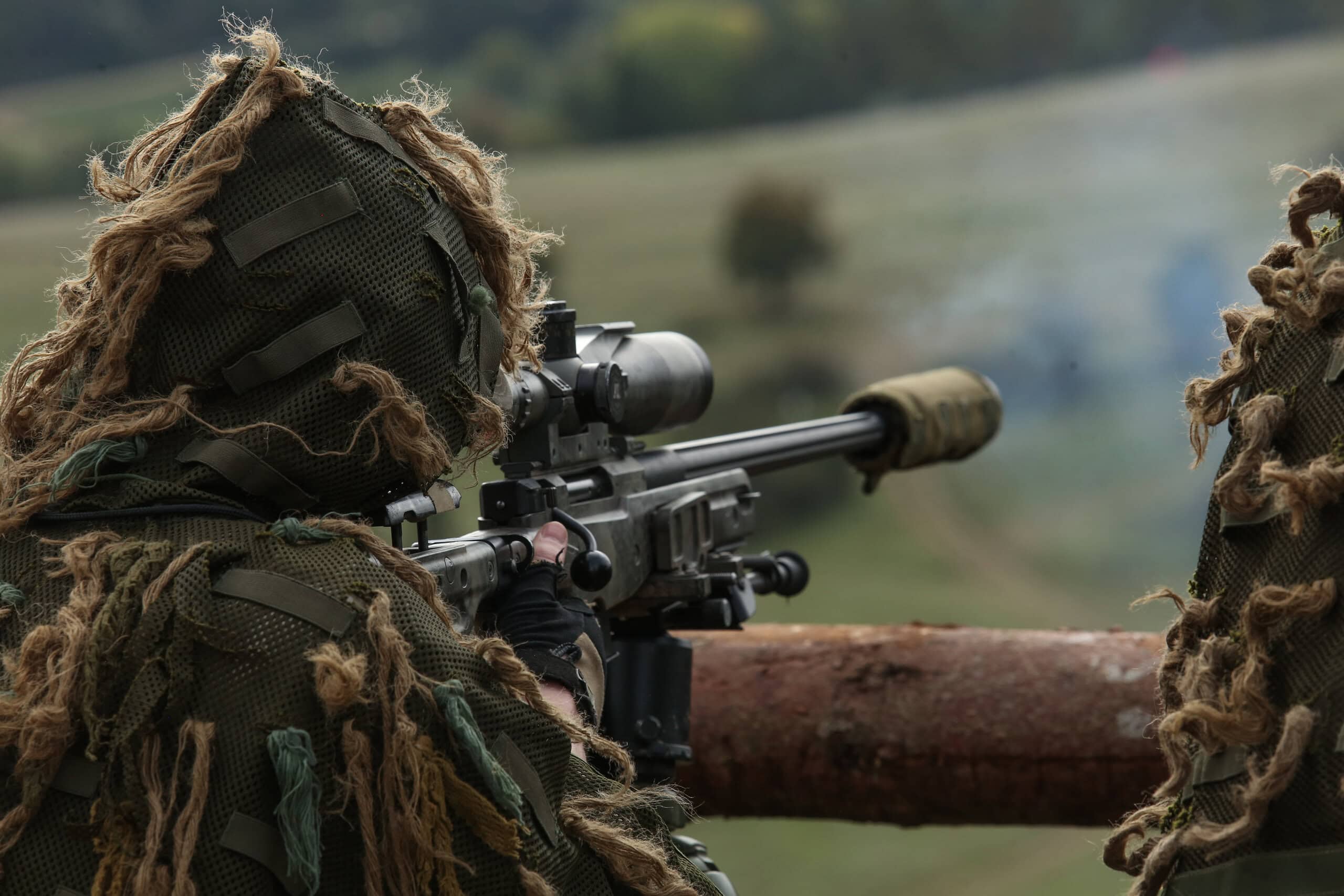
- Country of origin: United Kingdom
- Military branch: UK Special Boat Service
- Rank: Corporal
- Preferred rifle(s): Accuracy International rifles; AR‑platform rifles
Dean Stott used precision marksmanship during elite SBS missions that required stealth, tight coordination, and rapid decision‑making. His work reflected how modern special operations forces rely on sharpshooters for surveillance, surgical engagements, and mission security.
Delta Force Urban Sniper (Representative)
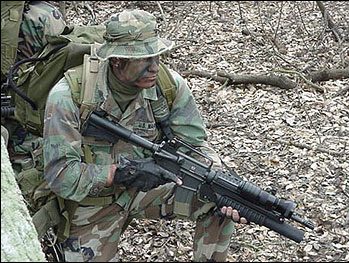
- Country of origin: United States
- Military branch: U.S. Army Delta Force
- Rank: Sergeant First Class
- Preferred rifle(s): SR‑25, Mk 12 SPR, AR‑10 variants
Delta Force urban snipers developed overwatch tactics that became standard in Iraq and Afghanistan. Their integration of suppressed semi‑automatic rifles, fast communication, and rooftop dominance reshaped how special operations assault teams fight in dense urban terrain. Note that this entry exists because some of the most influential special operations sniper tactics were developed by Delta operators whose identities are classified, accordingly it’s representative of the unit.
Eric England
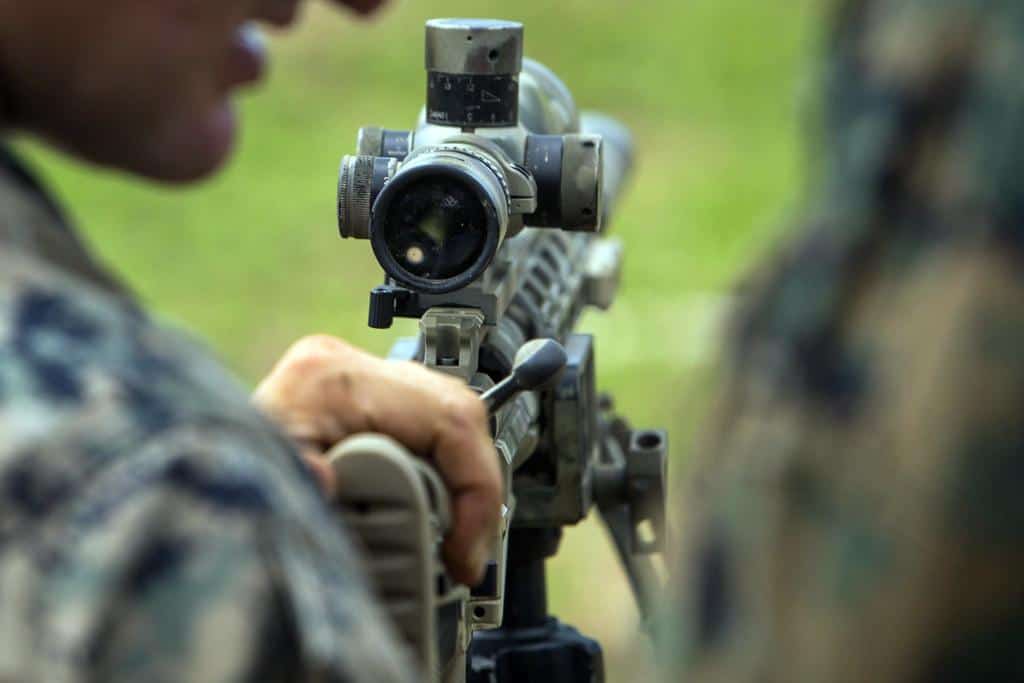
- Country of origin: United States
- Military branch: U.S. Marine Corps
- Rank: Gunnery Sergeant
- Preferred rifle(s): Winchester Model 70, M40 Sniper Rifle
Eric England earned a reputation as one of the Marine Corps’ most precise snipers in Vietnam. His patience and ability to blend into terrain emphasized the importance of concealment, reconnaissance, and controlled fire—core skills that define modern special operations sniper training.
Gary Gordon

- Country of origin: United States
- Military branch: U.S. Army Delta Force
- Rank: Master Sergeant
- Preferred rifle(s): M14 variants, SR-25
Gary Gordon earned the Medal of Honor for defending a downed helicopter during the Battle of Mogadishu. His sniper precision and willingness to fight at close range demonstrated the dual role of special operations marksmen: long‑range guardians and last‑stand fighters when missions collapse.
Howard Wasdin
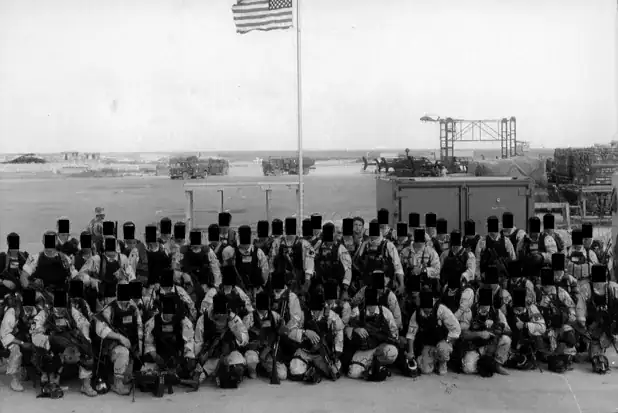
- Country of origin: United States
- Military branch: SEAL Team Six (DEVGRU)
- Rank: Petty Officer First Class
- Preferred rifle(s): SR‑25; custom SEAL sniper rifles
Howard Wasdin brought advanced sniper capability into SEAL Team Six, blending precision fire with hostage‑rescue and counterterror operations. His work helped refine close‑quarters sniping and tactical overwatch techniques.
Juba
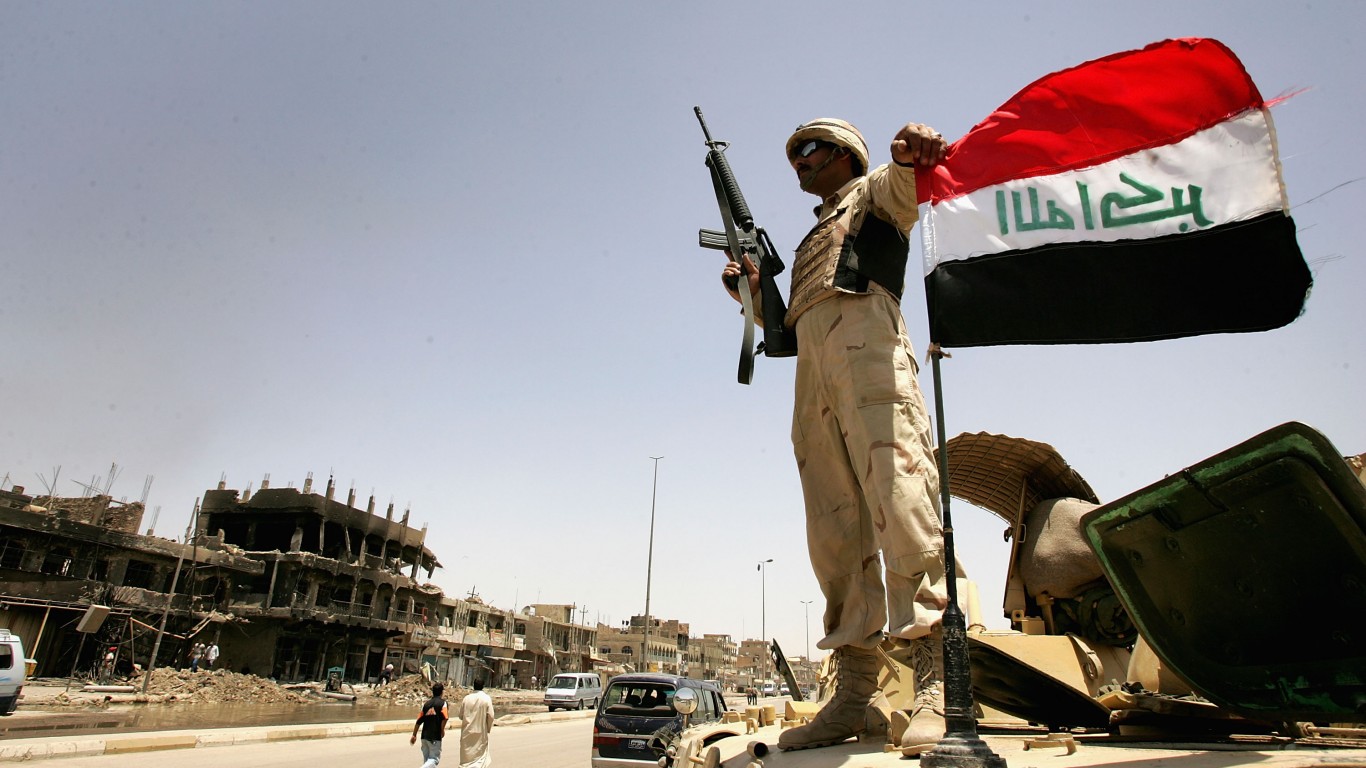
- Country of origin: Iraq
- Military branch: Insurgent Sniper
- Rank: Unknown
- Preferred rifle(s): SVD Dragunov; Tabuk Sniper Rifle
The insurgent known as Juba used urban sniping to disrupt U.S. and coalition operations in Iraq. His tactics forced Western special operations units to adapt counter‑sniper strategies and rethink city‑based overwatch.
Lyudmila Pavlichenko
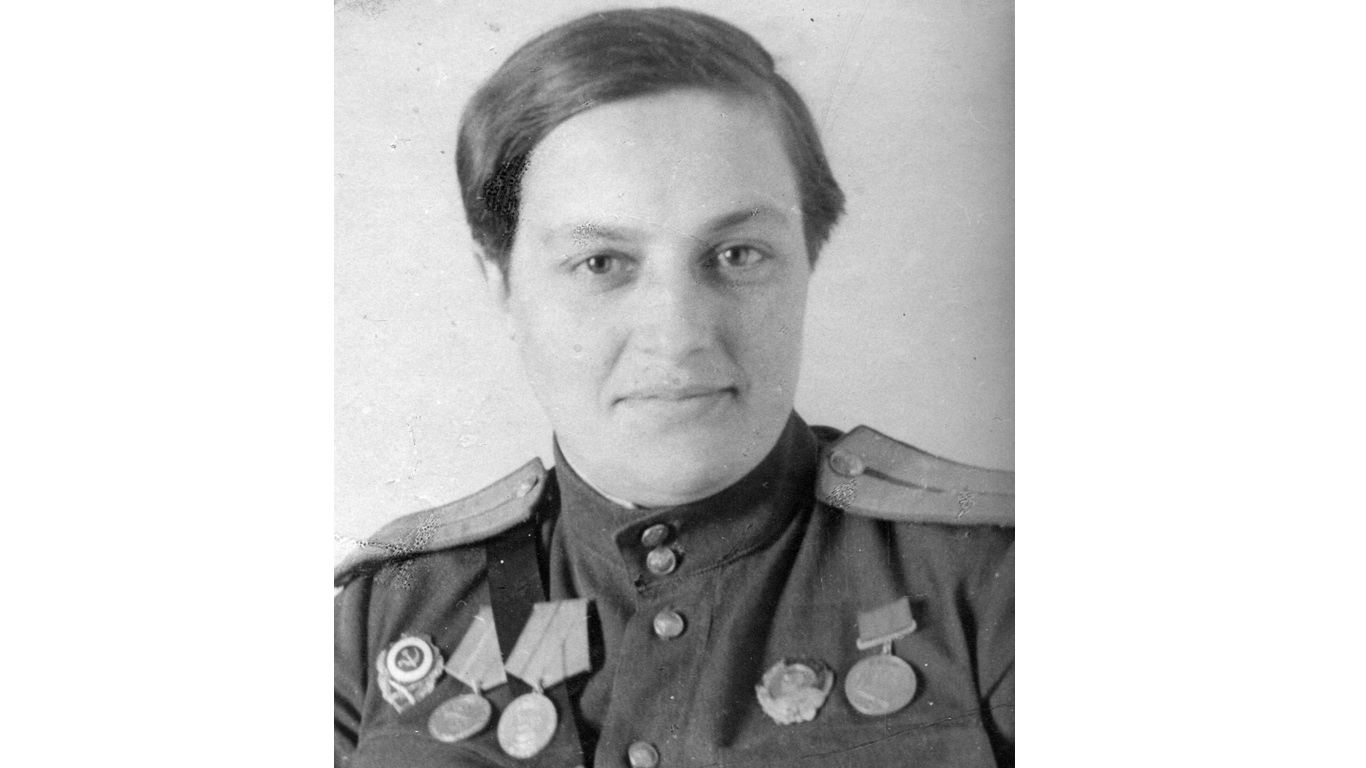
- Country of origin: Soviet Union
- Military branch: Red Army
- Rank: Senior Sergeant
- Preferred rifle(s): Mosin‑Nagant M91/30 PU
Lyudmila Pavlichenko was one of the most effective snipers in history. Her focus on eliminating officers and key personnel demonstrated how targeted precision fire could shift battles—a core concept in today’s high‑value‑target special operations missions.
Nick Irving
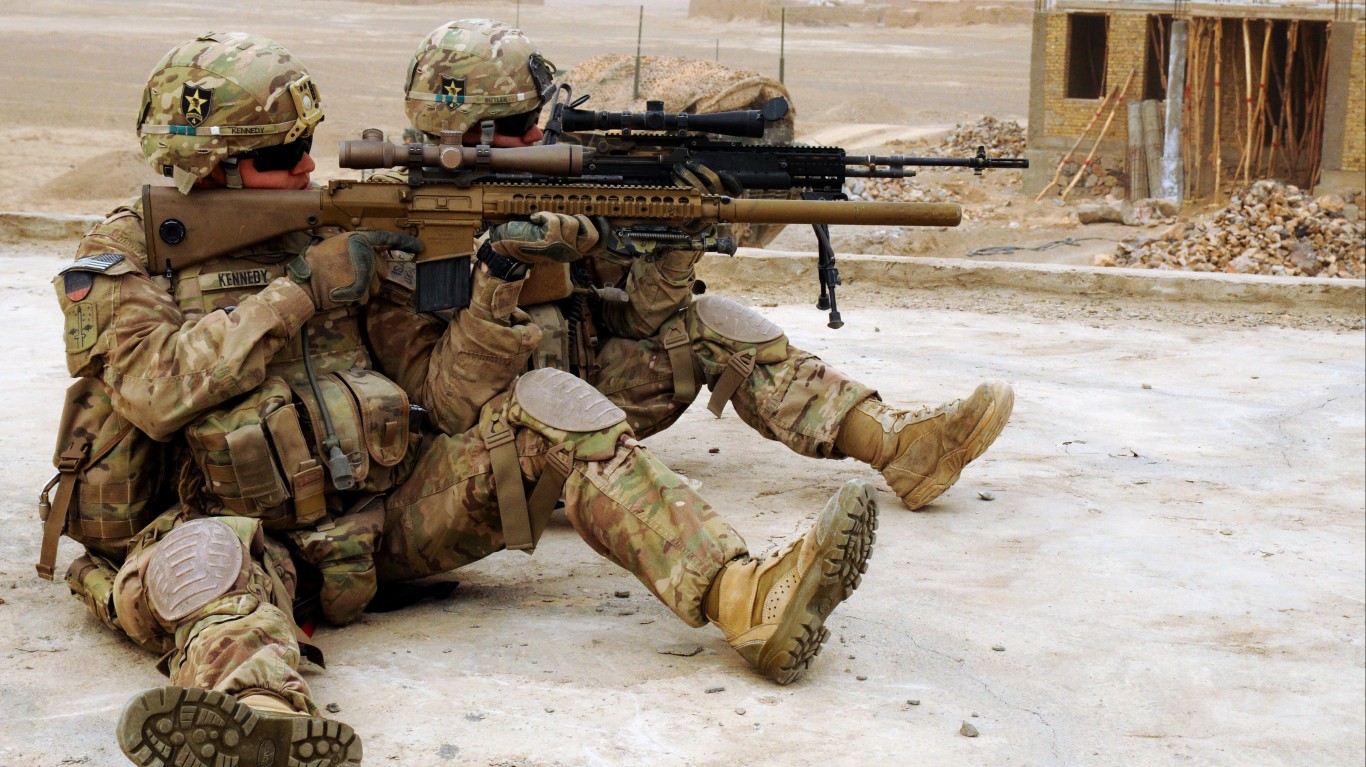
- Country of origin: United States
- Military branch: 75th Ranger Regiment – SOF Support
- Rank: Sergeant
- Preferred rifle(s): SR‑25; Mk 11; custom AR‑platform rifles
Nick Irving became known for his effectiveness supporting Ranger operations in Afghanistan. His role showed the importance of integrating snipers directly into special operations assault teams for overwatch and target interdiction.
Randy Shughart
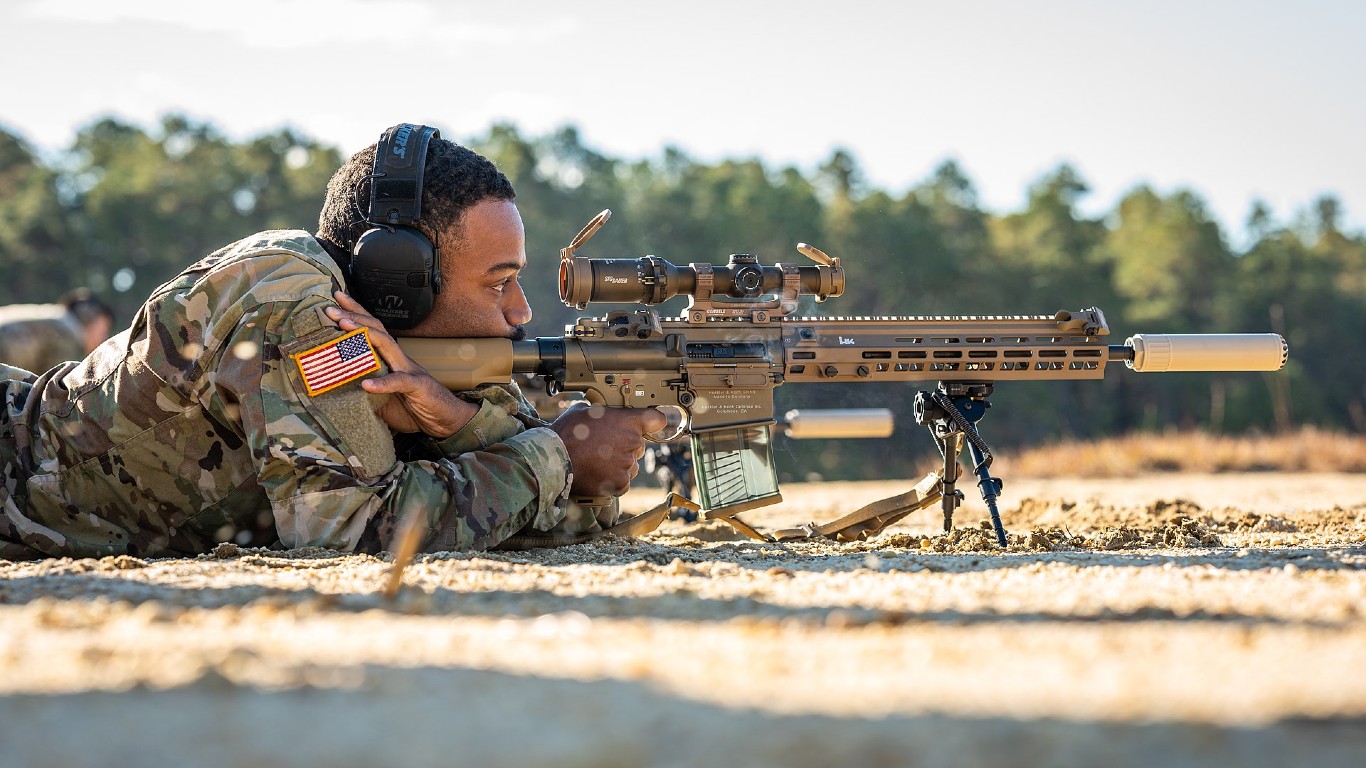
- Country of origin: United States
- Military branch: U.S. Army Delta Force
- Rank: Sergeant First Class
- Preferred rifle(s): M14 variants, SR-25
Randy Shughart fought alongside Gary Gordon in Mogadishu, also receiving the Medal of Honor. Their decision to insert at the crash site showed how sniper teams could shift the outcome of special operations by applying precision fire under overwhelming conditions.
Rob Furlong
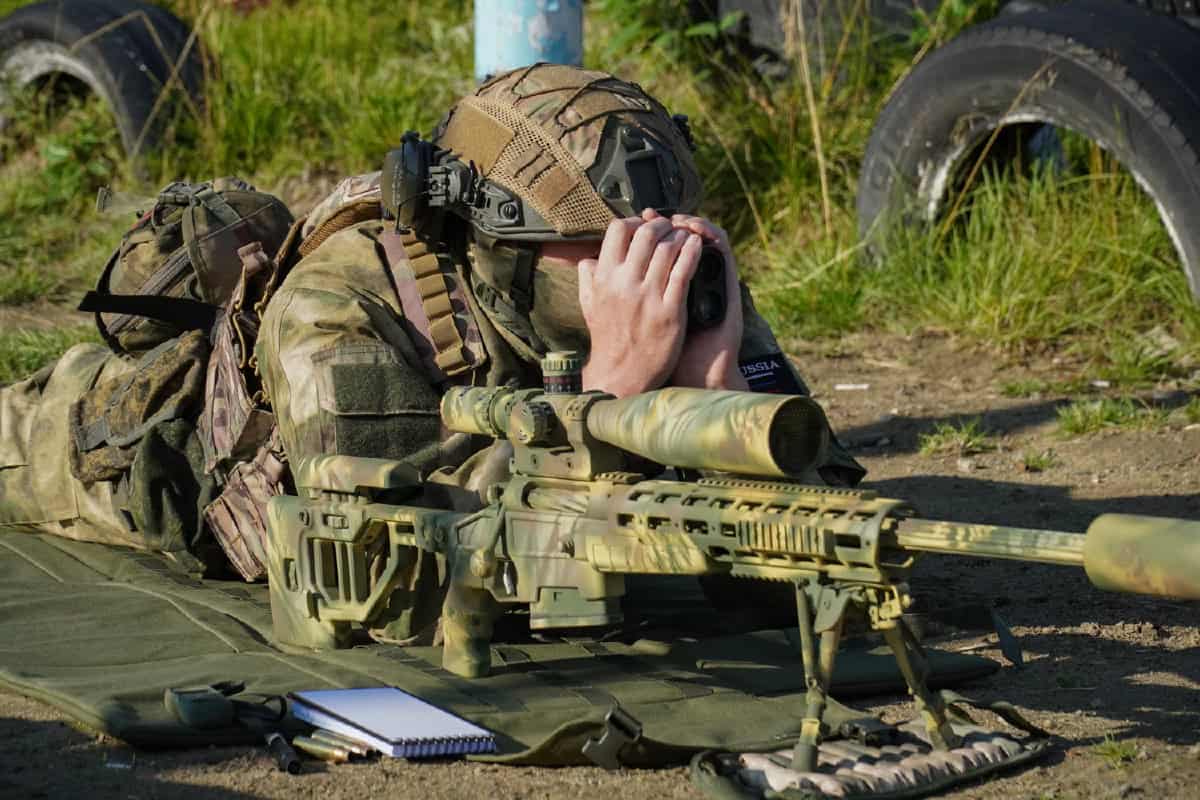
- Country of origin: Canada
- Military branch: Canadian Army
- Rank: Corporal
- Preferred rifle(s): McMillan TAC‑50
Rob Furlong set a then‑world‑record sniper kill in Afghanistan, proving the extreme‑range capabilities of modern rifles. His shot showcased how precision shooters could support coalition special operations forces from distances previously thought unreachable.
Shayetet 13 IDF Sniper (Representative)
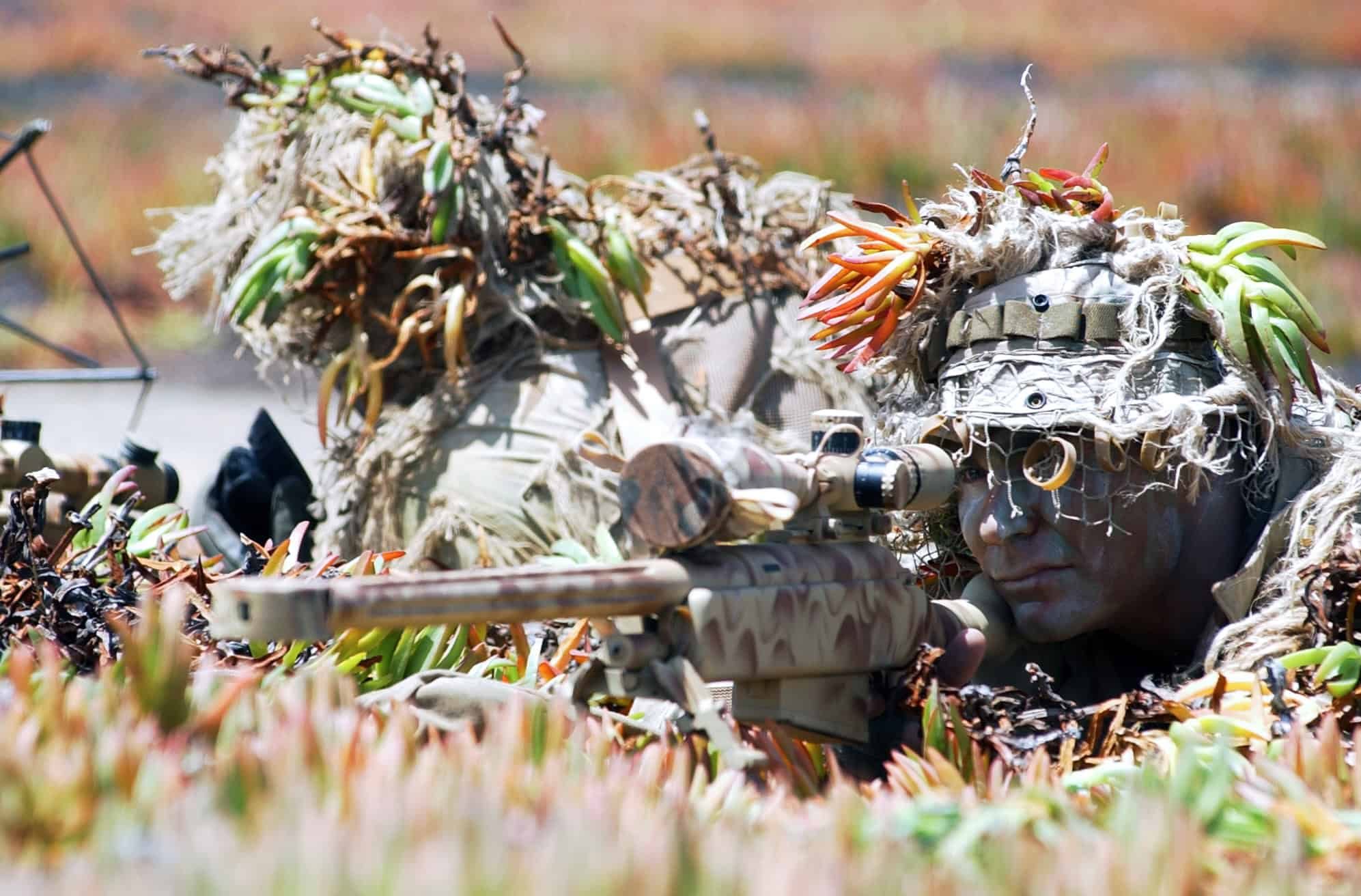
- Country of origin: Israel
- Military branch: Shayetet 13 Naval Commandos
- Rank: Sergeant
- Preferred rifle(s): SR‑25 variants, Tavor sniper configurations
Shayetet 13 snipers pioneered urban and counterterror sniping techniques using suppressed rifles and night optics. Their precision engagement methods influenced hostage‑rescue, counterterror, and direct‑action operations used by elite units worldwide. Note that this entry exists because some influential special operations sniper tactics were developed by Shayetet operators whose identities are classified, accordingly this entry is representative of the unit.
Simo Häyhä
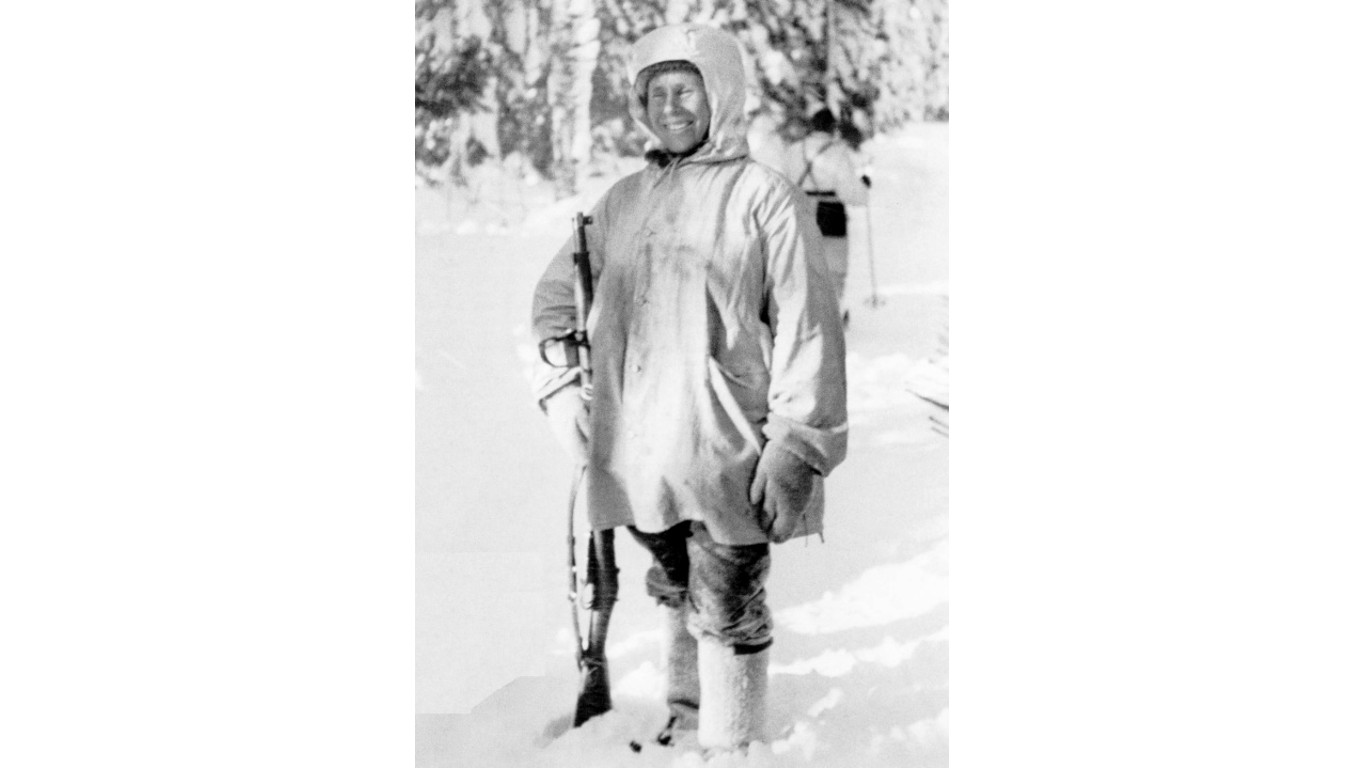
- Country of origin: Finland
- Military branch: Finnish Army
- Rank: Corporal
- Preferred rifle(s): M/28‑30 Mosin‑Nagant
Simo Häyhä became legendary during the Winter War, using iron sights and unmatched camouflage skills. His minimalist approach—relying on stealth, patience, and perfect marksmanship—established principles still used today in reconnaissance‑driven special operations sniping.
Tim Kellner
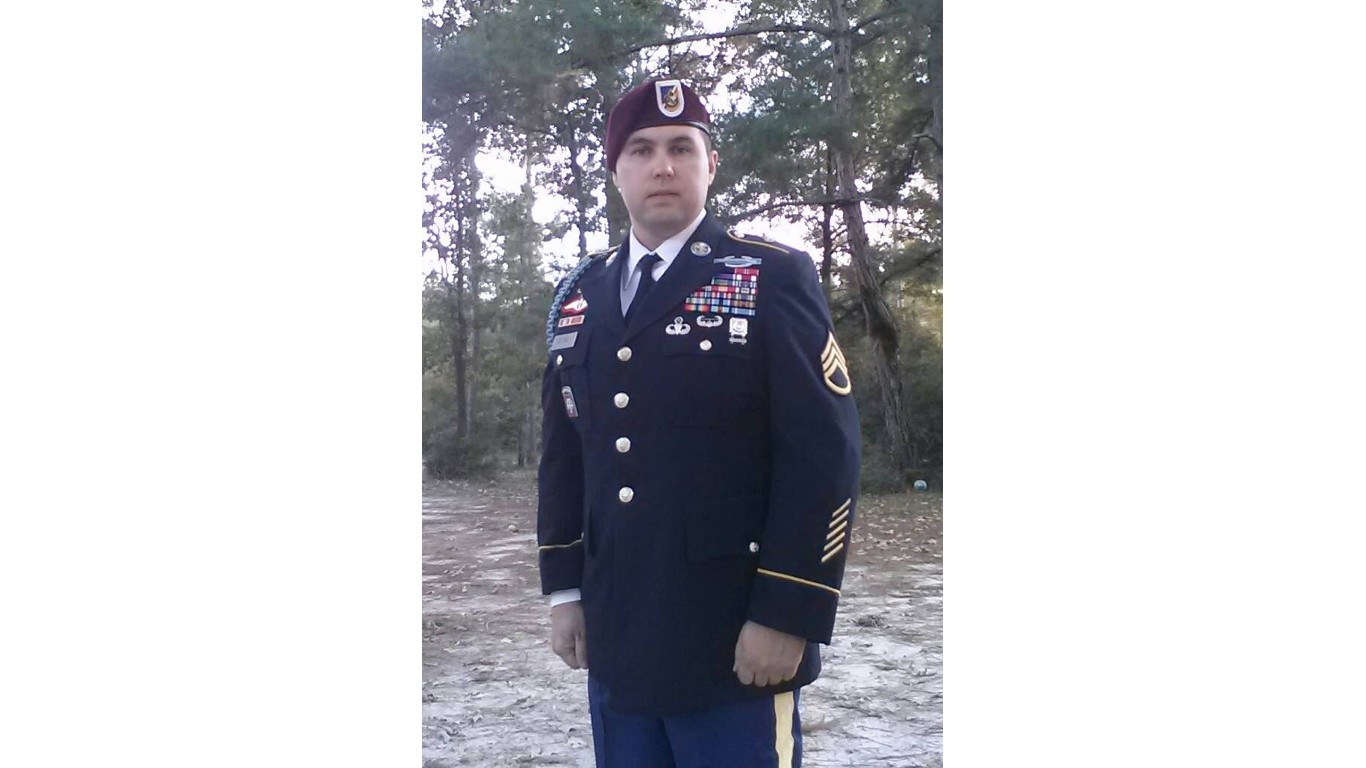
- Country of origin: United States
- Military branch: U.S. Army Special Operations
- Rank: Sergeant First Class
- Preferred rifle(s): M24 SWS, M110 SASS
Tim Kellner contributed to modern long‑range doctrine, combining ballistic data, wind reading, and disciplined teamwork. His work helped refine sniper training pipelines used across U.S. special operations units, shaping how today’s shooters plan and execute missions.
Vasily Zaytsev
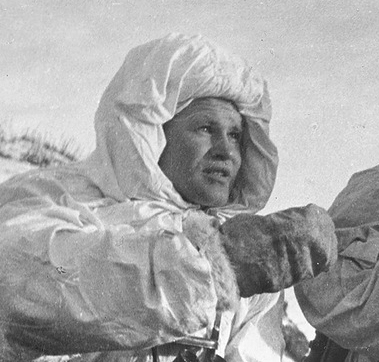
- Country of origin: Soviet Union
- Military branch: Red Army
- Rank: Senior Sergeant
- Preferred rifle(s): Mosin‑Nagant M91/30 PU
Vasily Zaytsev became a symbol of urban sniping during the Battle of Stalingrad. His counter‑sniper duels and use of hidden firing positions influenced modern close‑quarters overwatch tactics seen in special operations units worldwide.








 Top Gaining Stocks
 Top Losing Stocks