


No two special operations missions unfold the same way, and the difference between success and failure often hinges on how quickly a team can adapt. For U.S. Navy SEALs flexibility is built directly into the weapons they carry, the armor they wear, and the systems that connect them. Every piece of gear must support multiple operational paths, ensuring teams remain effective whether a mission expands or changes direction entirely. Here, 24/7 Wall St. is taking a closer look at Navy SEAL loadouts and what makes them so flexible.
To identify the loadouts used by Navy SEALs, 24/7 Wall St. reviewed various historical and military sources. We included supplemental information for each regarding the category, primary flexibility advantage, typical mission roles supported, modular adaptive features, and ultimately how each plays into the overall mission flexibility.
Here is a look at how Navy SEAL loadouts are built around mission flexibility:
Why Are We Covering This?
Understanding how SEAL loadouts are built around mission flexibility offers a clearer window into how modern special operations forces maintain their operational edge. Elite performance is rarely the product of skill alone; it is the result of deliberate preparation that anticipates uncertainty before a mission ever begins. By prioritizing adaptable weapons, scalable protection, and interoperable communications, Naval Special Warfare ensures its teams can respond to shifting intelligence, evolving threats, and compressed timelines without losing momentum. Examining this philosophy reveals a broader truth about contemporary warfare: success increasingly belongs to the force that can adjust fastest, think widest, and operate effectively even when the battlefield refuses to follow the plan.
Flexibility Is the Foundation of Elite Operations
Naval Special Warfare operates in environments where certainty is rare and conditions can shift without warning. Missions may begin as reconnaissance efforts and rapidly evolve into direct action, maritime interdiction, or hostage rescue. Because of this volatility, SEAL teams do not build their loadouts around a single combat scenario. Instead, every piece of equipment is selected with adaptability in mind, ensuring operators can respond to changing threats without sacrificing tempo or effectiveness.
The Mission Comes First — Always

Unlike conventional forces that often tailor equipment to defined battlefield roles, SEAL teams reverse the equation. The mission dictates the loadout, but the loadout must also anticipate the unknown. Weapons, armor, optics, and communications systems are chosen not just for performance, but for their ability to support multiple operational paths. This philosophy reduces friction during execution and allows teams to pivot quickly when intelligence shifts or plans unravel.
Modularity Creates Decision Superiority
Modern special operations gear is engineered as part of an interconnected ecosystem rather than a collection of standalone tools. Modular rifles accept mission-specific attachments, scalable armor balances protection with speed, and advanced optics allow operators to engage across widening distances. Each adaptable component expands the number of tactical choices available in real time. In high-risk environments, that expanded decision space can mean the difference between controlling the fight and reacting to it.
Speed Without Adaptability Is a Liability

Elite units are often defined by how quickly they move, but speed alone does not guarantee success. Without adaptable equipment, rapid movement can lock a team into a course of action it cannot sustain. Flexible loadouts prevent this constraint by allowing operators to adjust posture, firepower, and protection as conditions evolve. The result is operational momentum that can be maintained even when the battlefield refuses to cooperate.
Engineering Preparedness for the Unpredictable
The most effective SEAL loadouts are designed around a simple but powerful premise: the next phase of a mission is rarely the one anticipated during planning. By prioritizing equipment that supports multiple roles, Naval Special Warfare ensures its teams remain prepared for complexity rather than optimized for a single outcome. This deliberate approach transforms flexibility from a desirable trait into a strategic advantage — one that allows operators to stay ahead of uncertainty instead of being overtaken by it.
M4A1 SOPMOD Block II
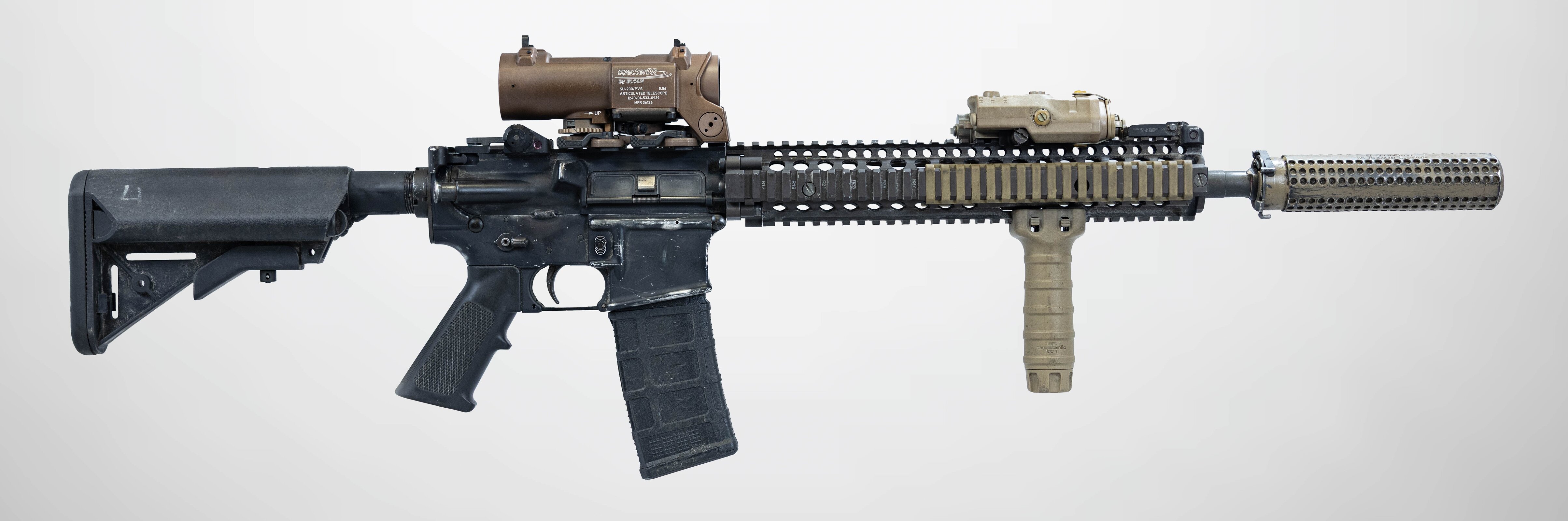
- Manufacturer: Colt / FN
- Category: Modular Rifle
- Primary flexibility advantage: Rapid accessory configuration
- Typical mission roles supported: Direct action / Urban warfare
- Modular or adaptive features: Rail interface system
- Operational benefit: Reduces need for mission-specific rifles
- Special Operations association: Naval Special Warfare
- Flexibility tier: Foundational System
The M4A1 SOPMOD Block II serves as the backbone of SEAL adaptability. Its rail ecosystem allows rapid attachment changes—optics, lasers, foregrips, suppressors—so the same rifle can shift from maritime boarding to urban direct action without platform replacement. That modularity reduces logistical friction and ensures operators tailor capability to the mission instead of rebuilding their loadout from scratch.
HK416
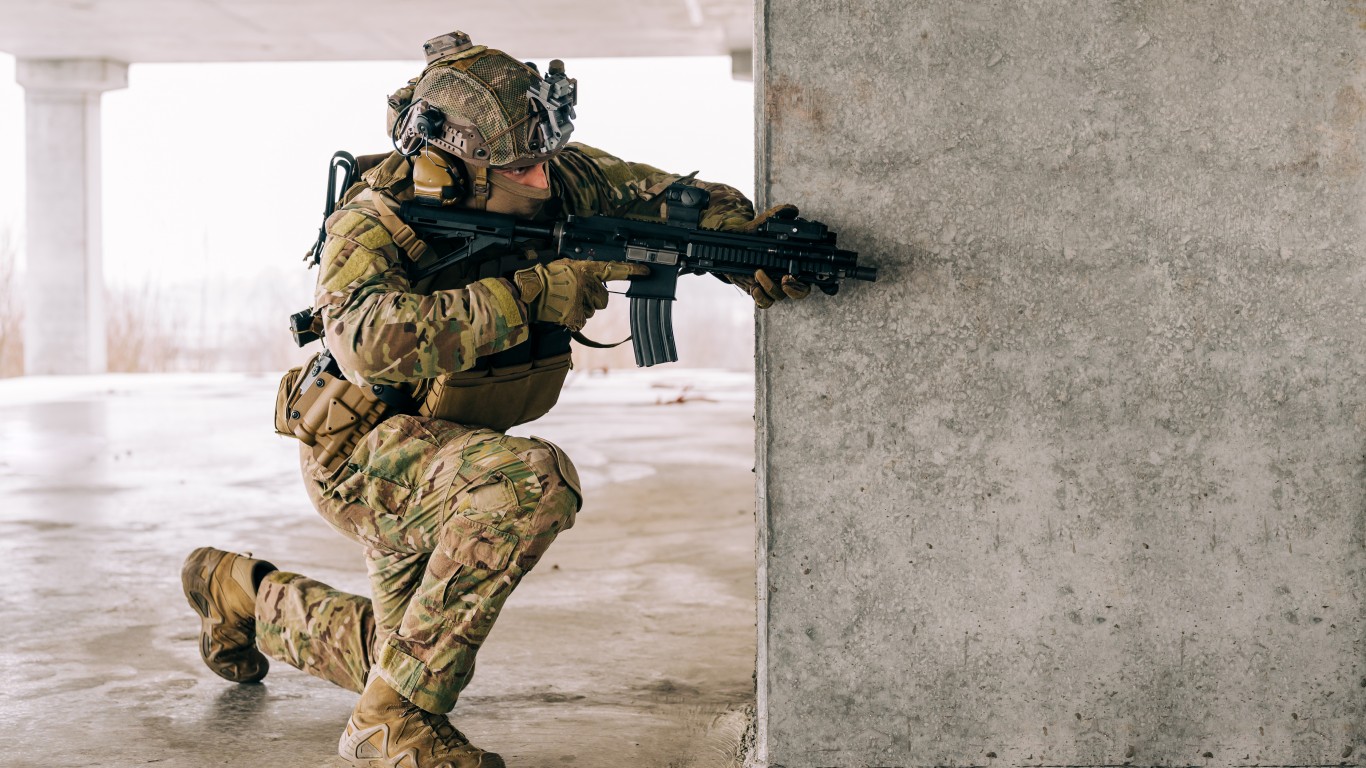
- Manufacturer: Heckler & Koch
- Category: Modular Rifle
- Primary flexibility advantage: Multi-environment reliability
- Typical mission roles supported: Direct action / Maritime
- Modular or adaptive features: Swappable upper configurations
- Operational benefit: Maintains performance across harsh conditions
- Special Operations association: Navy SEALs
- Flexibility tier: Foundational System
The HK416 strengthens mission flexibility by delivering consistent reliability across sand, saltwater, and extreme climates. With configurable barrel lengths and accessory compatibility, teams can adjust the rifle for close quarters or extended engagements. Its dependable operating system ensures that adaptability does not compromise performance when operational tempo is high.
SIG Sauer MCX
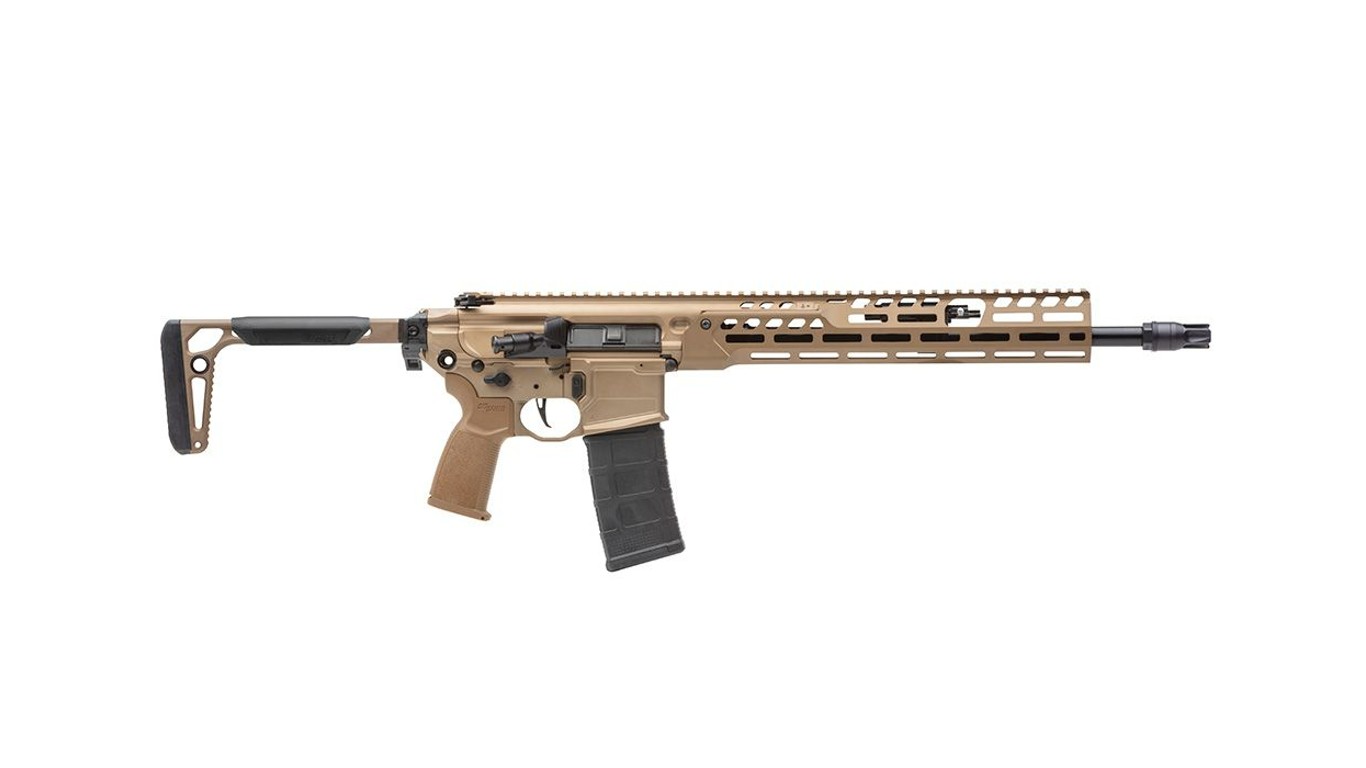
- Manufacturer: SIG Sauer
- Category: Modular Rifle
- Primary flexibility advantage: Caliber and barrel adaptability
- Typical mission roles supported: CQB / Covert ops
- Modular or adaptive features: Quick-change barrel system
- Operational benefit: Allows role shift without platform change
- Special Operations association: USSOCOM
- Flexibility tier: High-Impact Adapter
The SIG MCX platform enhances flexibility through quick-change barrels and caliber options, enabling operators to configure the weapon for suppressed urban missions or compact confined-space work. This adaptability minimizes the need for separate weapon systems and supports seamless transition between mission profiles without retraining or re-equipping.
FN SCAR Mk17
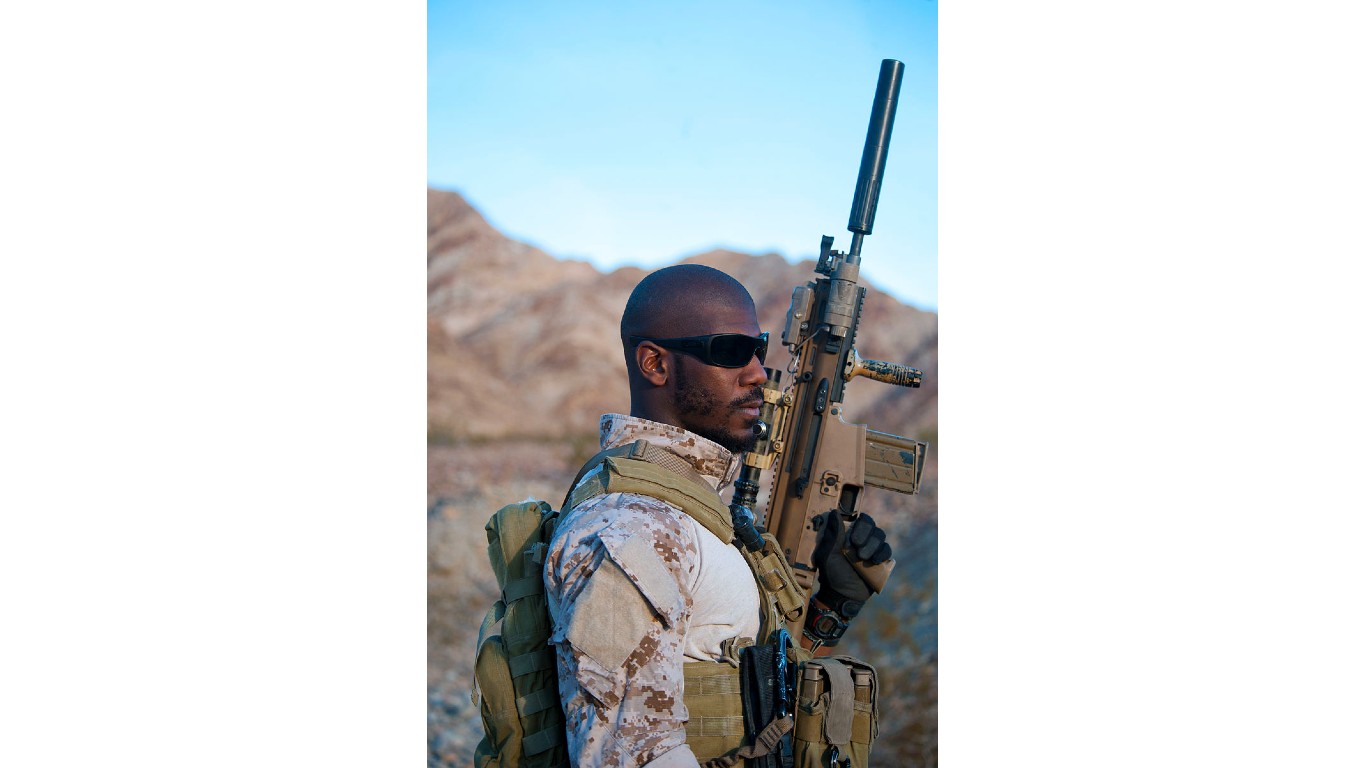
- Manufacturer: FN Herstal
- Category: Battle Rifle
- Primary flexibility advantage: Configurable for threat scaling
- Typical mission roles supported: Overwatch / Assault
- Modular or adaptive features: Adjustable stock and rails
- Operational benefit: Bridges carbine and battle rifle roles
- Special Operations association: Special Operations
- Flexibility tier: Mission-Enabling
The SCAR Mk17 allows teams to scale firepower based on anticipated threats. Its adjustable configuration bridges the gap between standard carbines and heavier battle rifles, giving operators precision and penetration when required. That scalability ensures a single platform can support both assault and overwatch roles.
Mk12 SPR
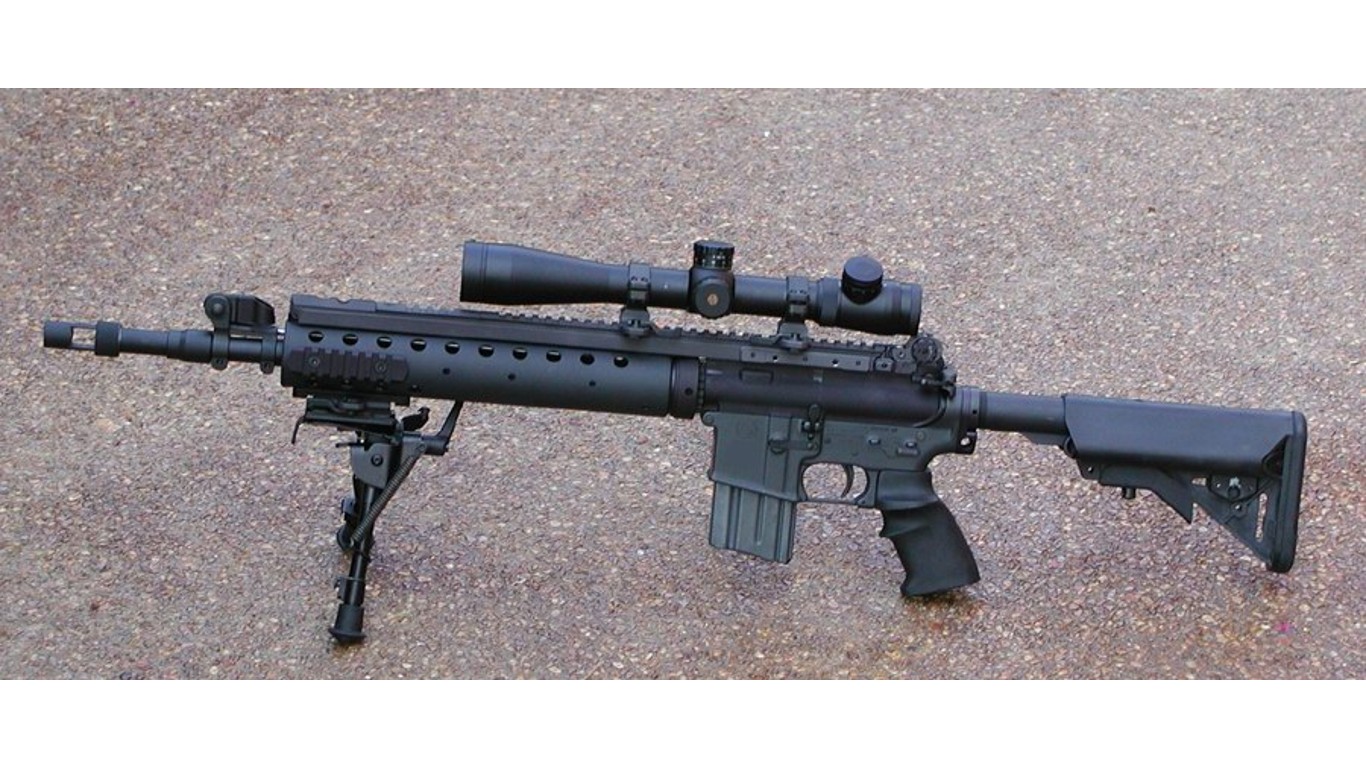
- Manufacturer: Various / Crane
- Category: Precision Platform
- Primary flexibility advantage: Hybrid rifle capability
- Typical mission roles supported: Recon / Designated marksman
- Modular or adaptive features: Optic-ready free-float rail
- Operational benefit: Extends team engagement range
- Special Operations association: Naval Special Warfare
- Flexibility tier: Mission-Enabling
The Mk12 SPR was developed to provide precision capability within small teams without sacrificing mobility. By bridging carbine handling with extended-range accuracy, it expands engagement options when terrain or intelligence shifts unexpectedly. Its role highlights how flexibility often means blending capabilities rather than specializing narrowly.
SR-25 / Mk11

- Manufacturer: Knight’s Armament
- Category: Precision Platform
- Primary flexibility advantage: Semi-auto precision mobility
- Typical mission roles supported: Overwatch
- Modular or adaptive features: Accessory mounting platform
- Operational benefit: Provides sniper-level accuracy with speed
- Special Operations association: USSOCOM
- Flexibility tier: Force Multiplier
The SR-25 and Mk11 offer semi-automatic precision that keeps pace with maneuver elements. Rather than relying solely on bolt-action systems, teams maintain rapid follow-up capability while preserving mobility. This balance enhances flexibility by allowing overwatch support without isolating a dedicated sniper element.
SIG P226 Mk25
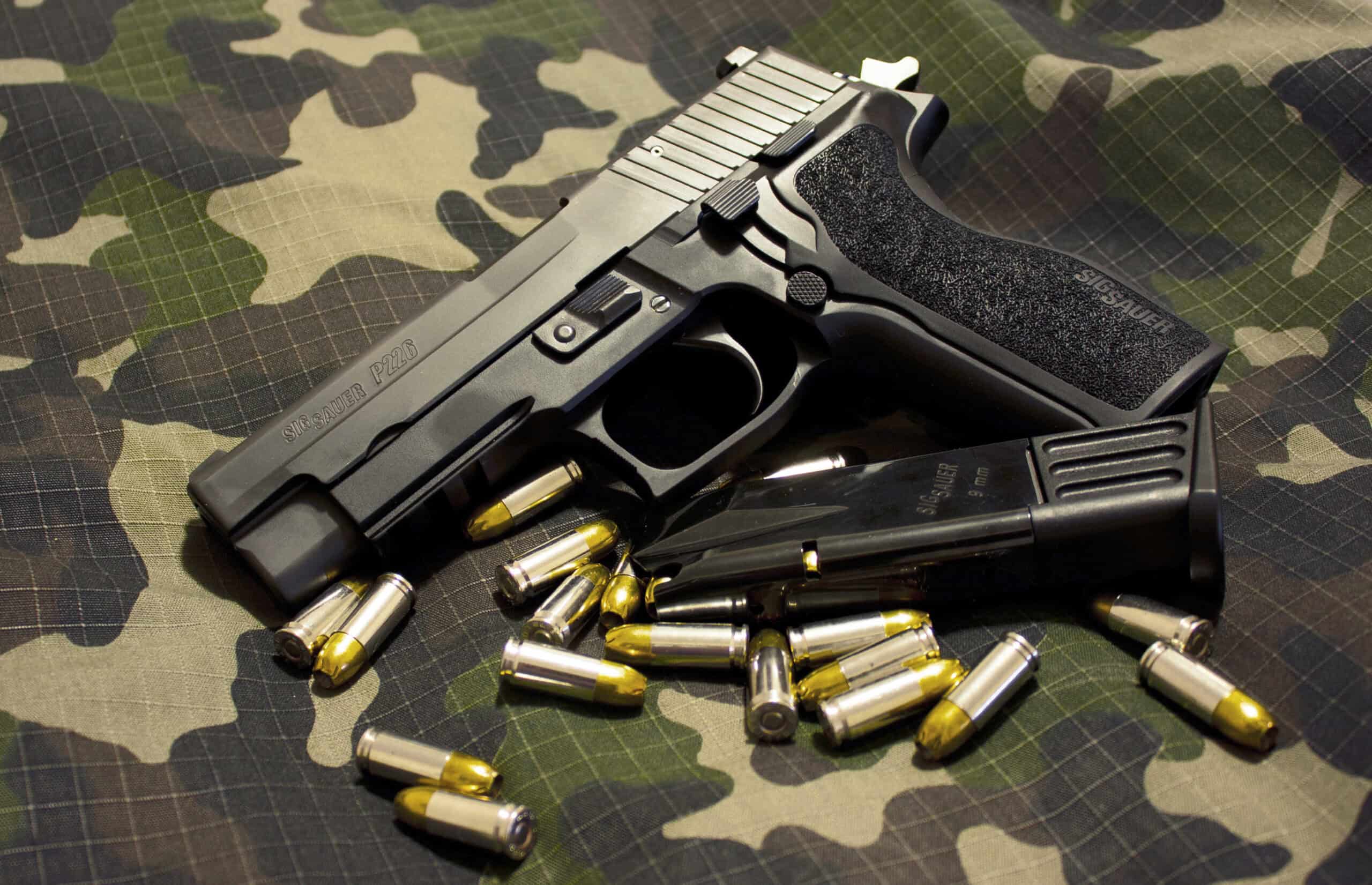
- Manufacturer: SIG Sauer
- Category: Sidearm
- Primary flexibility advantage: All-mission dependability
- Typical mission roles supported: Secondary weapon
- Modular or adaptive features: Accessory rail
- Operational benefit: Reliable fallback across mission types
- Special Operations association: Navy SEALs
- Flexibility tier: Foundational System
The SIG P226 Mk25 is valued for durability and corrosion resistance in maritime environments. As a dependable secondary weapon, it ensures continuity of capability when primary platforms fail or are impractical. Its consistent performance across mission types reinforces operator confidence.
Glock 19
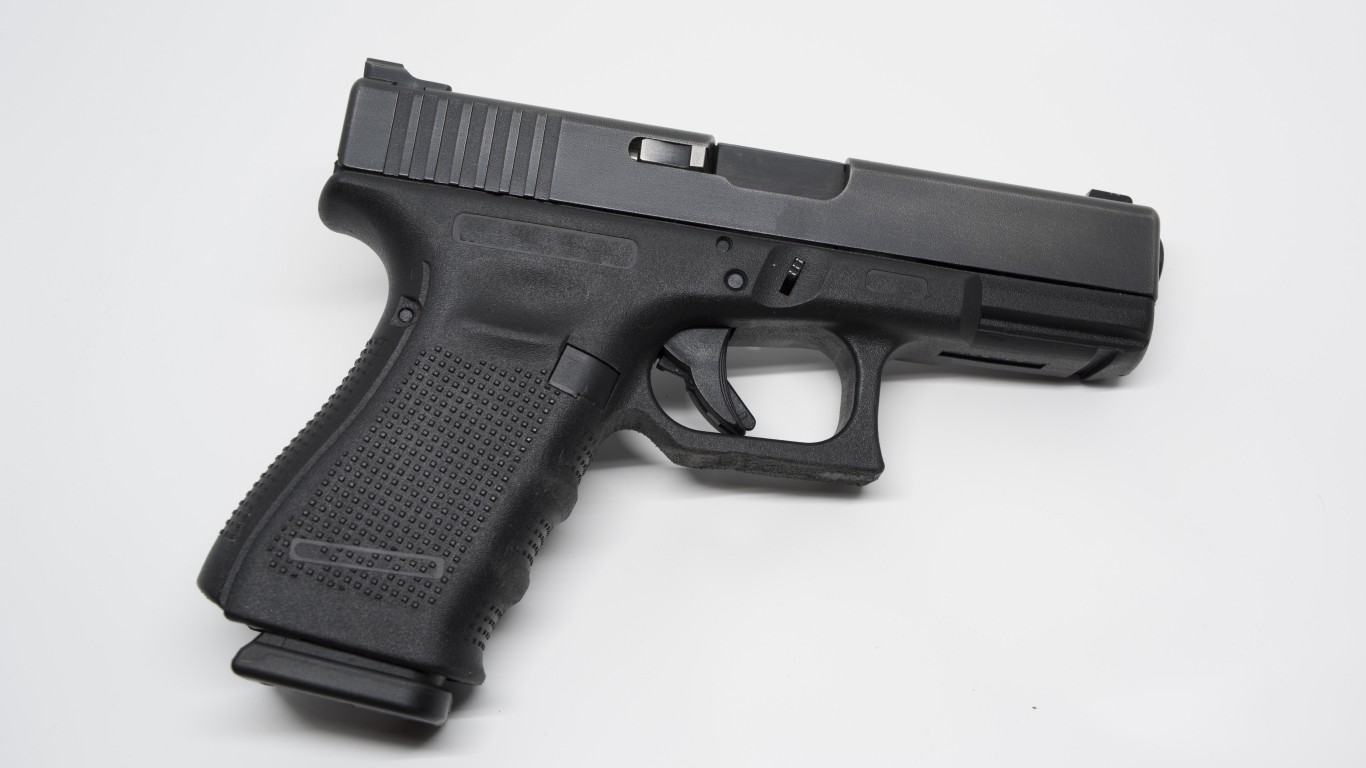
- Manufacturer: Glock
- Category: Sidearm
- Primary flexibility advantage: Compact combat balance
- Typical mission roles supported: Protective detail / CQB
- Modular or adaptive features: Aftermarket adaptability
- Operational benefit: Enhances carry flexibility
- Special Operations association: Special Operations
- Flexibility tier: High-Impact Adapter
The Glock 19’s compact profile supports discreet carry while retaining combat effectiveness. Its simple design and broad accessory compatibility make it easy to integrate into varied mission sets. That balance between concealment and capability enhances flexibility in protective or low-visibility operations.
EOTech EXPS3

- Manufacturer: EOTech
- Category: Optic
- Primary flexibility advantage: Instant target transition
- Typical mission roles supported: CQB / Dynamic entries
- Modular or adaptive features: Magnifier compatibility
- Operational benefit: Supports rapid engagement shifts
- Special Operations association: Naval Special Warfare
- Flexibility tier: Mission-Enabling
The EOTech EXPS3 allows rapid target acquisition in close quarters while remaining compatible with magnifiers for extended range. This seamless transition between engagement distances prevents operators from being locked into a single engagement envelope.
Aimpoint Micro T-2
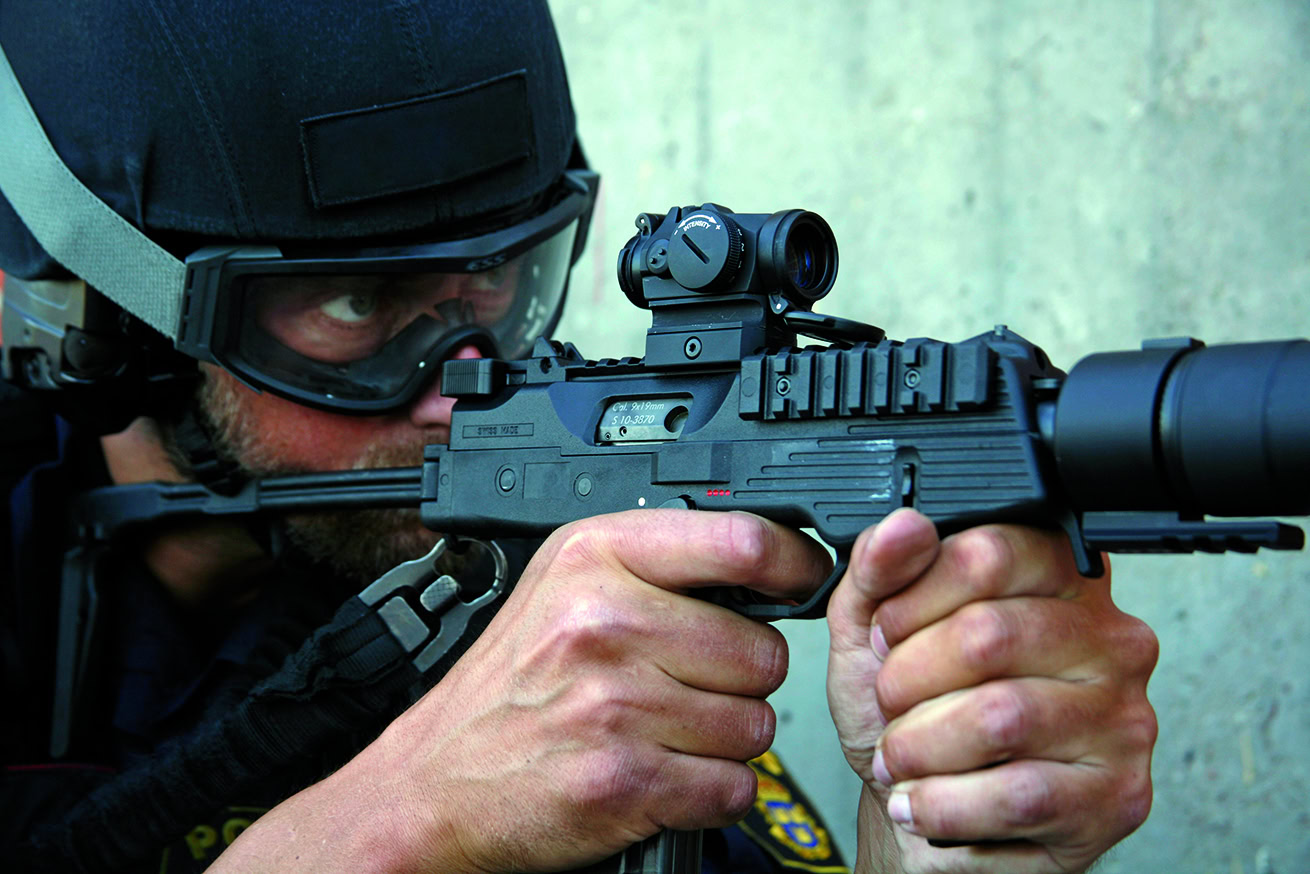
- Manufacturer: Aimpoint
- Category: Optic
- Primary flexibility advantage: Extreme durability
- Typical mission roles supported: Extended patrols
- Modular or adaptive features: Micro footprint mounting
- Operational benefit: Minimizes logistical burden
- Special Operations association: USSOCOM
- Flexibility tier: Foundational System
The Aimpoint Micro T-2 provides durable performance with extended battery life, reducing sustainment concerns during long missions. Its compact footprint preserves weapon handling while maintaining constant readiness.
Nightforce ATACR

- Manufacturer: Nightforce
- Category: Optic
- Primary flexibility advantage: CQB-to-distance capability
- Typical mission roles supported: Overwatch / Precision
- Modular or adaptive features: Variable magnification
- Operational benefit: Expands engagement envelope
- Special Operations association: Special Operations
- Flexibility tier: Force Multiplier
The Nightforce ATACR enables operators to scale magnification based on mission demands, bridging close engagements and long-distance precision. This optical flexibility extends a team’s effective range without swapping rifles.
AN/PVS-31
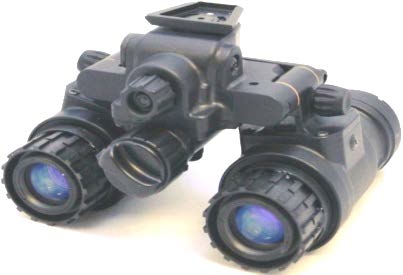
- Manufacturer: L3Harris
- Category: Night Vision
- Primary flexibility advantage: Enhanced depth perception
- Typical mission roles supported: Night raids
- Modular or adaptive features: Helmet-mounted modularity
- Operational benefit: Improves movement in darkness
- Special Operations association: Naval Special Warfare
- Flexibility tier: Foundational System
The AN/PVS-31 enhances nighttime mobility with lightweight dual-tube depth perception. By improving situational awareness in darkness, it allows missions to proceed regardless of light conditions.
GPNVG-18

- Manufacturer: L3Harris
- Category: Night Vision
- Primary flexibility advantage: Panoramic awareness
- Typical mission roles supported: High-risk entry
- Modular or adaptive features: Quad-tube design
- Operational benefit: Boosts situational awareness
- Special Operations association: Special Operations
- Flexibility tier: Force Multiplier
The GPNVG-18 expands field of view dramatically, improving peripheral awareness during high-risk entries. Enhanced visual coverage reduces surprise factors in confined spaces.
PEQ-15 ATPIAL
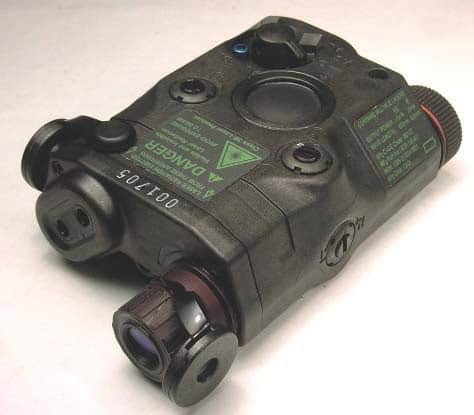
- Manufacturer: L3Harris
- Category: Laser Aiming Module
- Primary flexibility advantage: Day-to-night transition
- Typical mission roles supported: Night combat
- Modular or adaptive features: Rail-mounted system
- Operational benefit: Eliminates need to reconfigure weapons
- Special Operations association: USSOCOM
- Flexibility tier: Mission-Enabling
The PEQ-15 allows rapid transition from visible-light optics to infrared aiming in low-light conditions. Its integration ensures operators do not need separate weapon setups for night operations.
SureFire SOCOM Suppressor

- Manufacturer: SureFire
- Category: Suppressor
- Primary flexibility advantage: Signature reduction
- Typical mission roles supported: Stealth operations
- Modular or adaptive features: Quick-attach system
- Operational benefit: Supports low-visibility engagements
- Special Operations association: Naval Special Warfare
- Flexibility tier: High-Impact Adapter
The SureFire SOCOM suppressor reduces flash and sound without sacrificing reliability. Quick-attach mounting enables teams to scale stealth capability based on mission profile.
Crye JPC
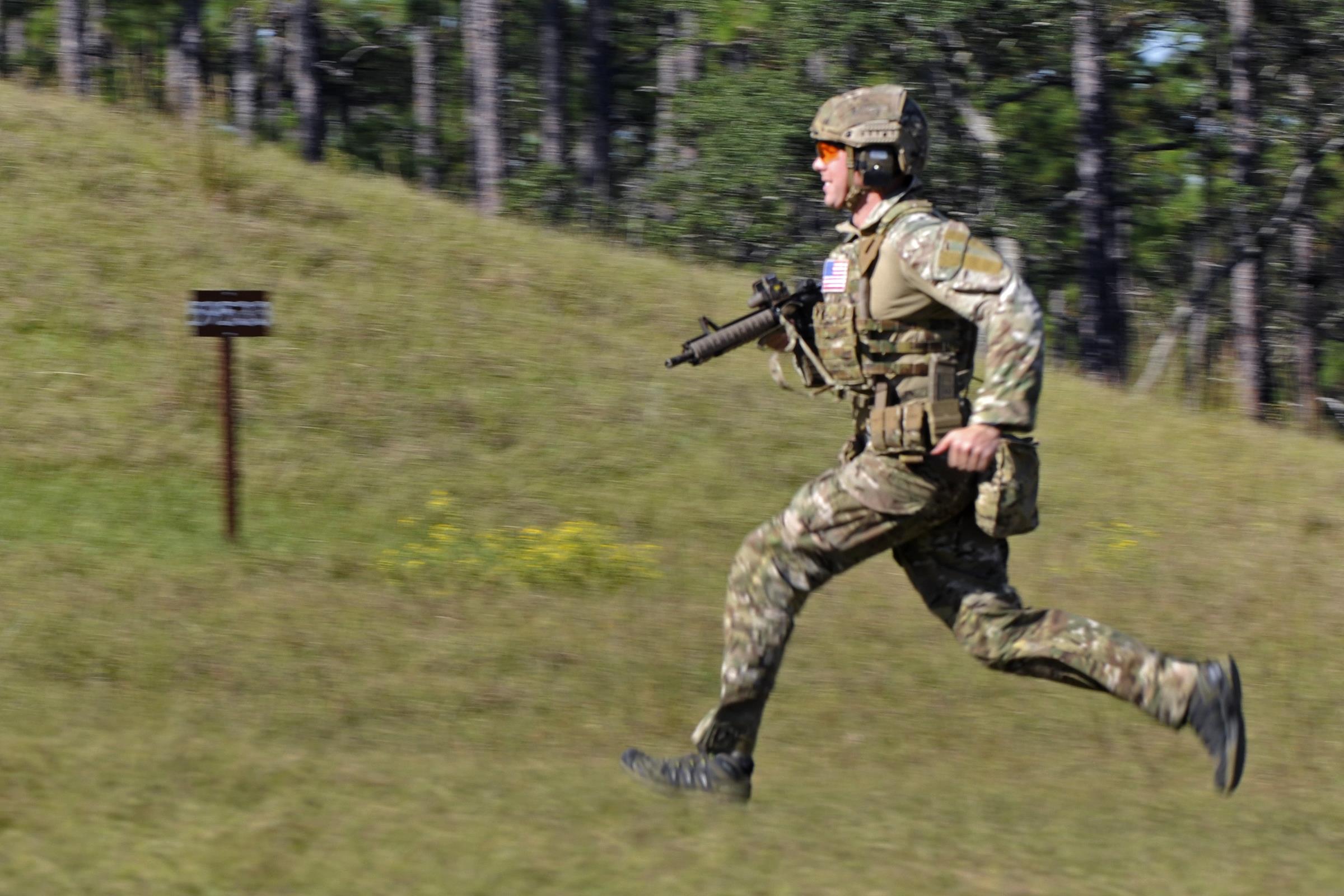
- Manufacturer: Crye Precision
- Category: Plate Carrier
- Primary flexibility advantage: Scalable armor load
- Typical mission roles supported: Assault / Recon
- Modular or adaptive features: Modular attachment points
- Operational benefit: Balances protection and speed
- Special Operations association: Special Operations
- Flexibility tier: Foundational System
The Crye JPC supports rapid scaling of armor and equipment. Operators can prioritize speed or protection depending on threat level, ensuring mobility is never sacrificed unnecessarily.
Crye AVS
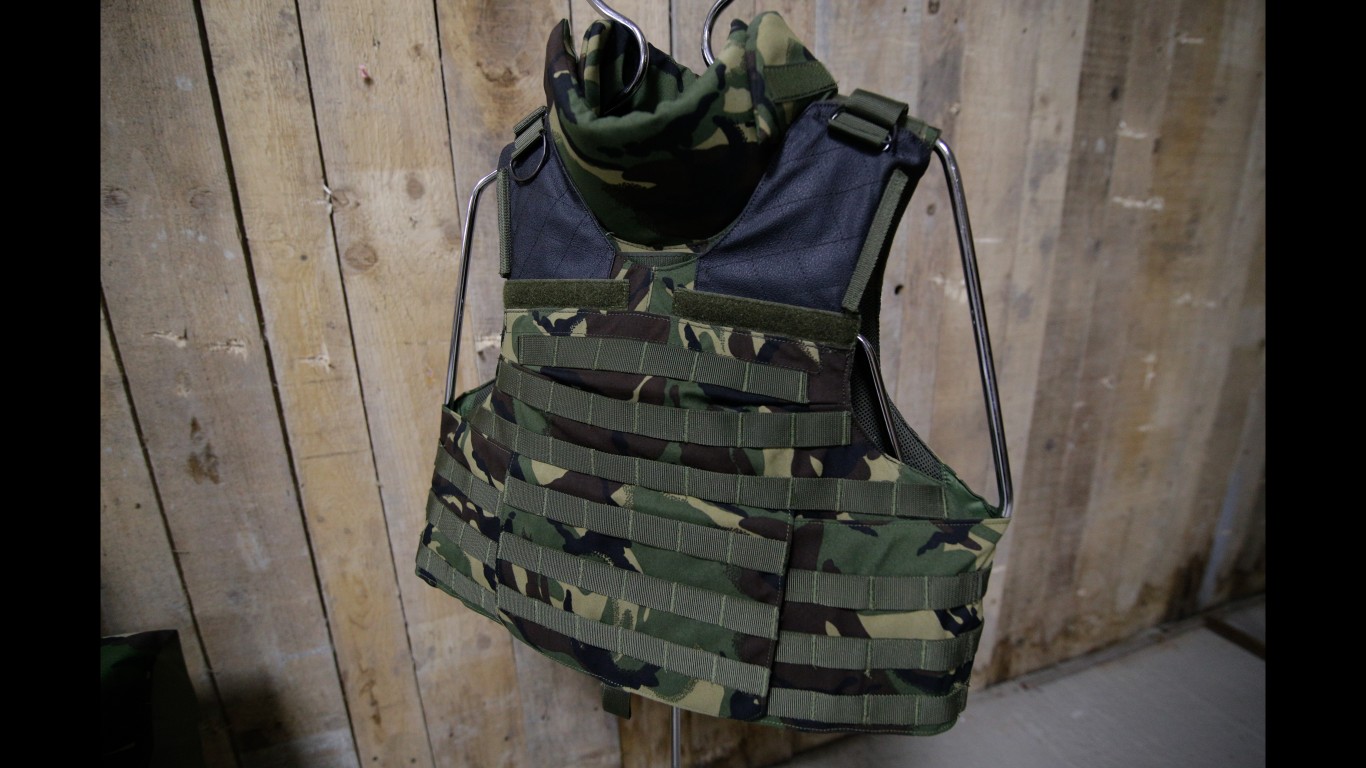
- Manufacturer: Crye Precision
- Category: Plate Carrier
- Primary flexibility advantage: Weight redistribution
- Typical mission roles supported: Heavy load missions
- Modular or adaptive features: Configurable harness
- Operational benefit: Reduces operator fatigue
- Special Operations association: USSOCOM
- Flexibility tier: Force Multiplier
The Crye AVS redistributes weight efficiently for heavy mission loads. Its adaptive structure allows operators to carry extended sustainment gear without compromising endurance.
Ops-Core FAST Helmet
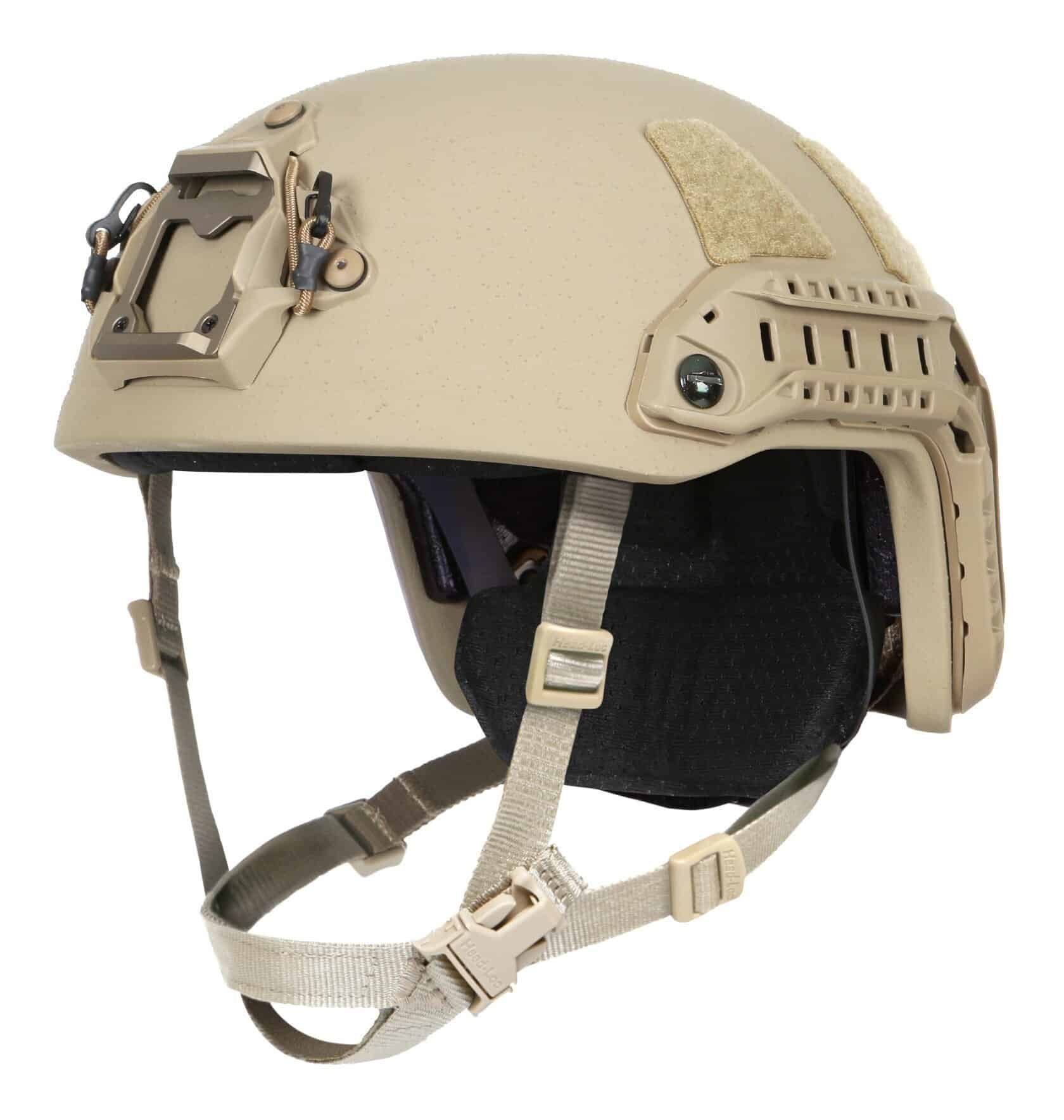
- Manufacturer: Ops-Core
- Category: Helmet System
- Primary flexibility advantage: Integrated mounting ecosystem
- Typical mission roles supported: Night ops / DA
- Modular or adaptive features: Accessory rails
- Operational benefit: Centralizes critical systems
- Special Operations association: Naval Special Warfare
- Flexibility tier: Foundational System
The Ops-Core FAST helmet functions as a mounting hub for night vision, lights, and communications. This integration consolidates mission-critical systems in a streamlined platform.
AN/PRC-148 MBITR
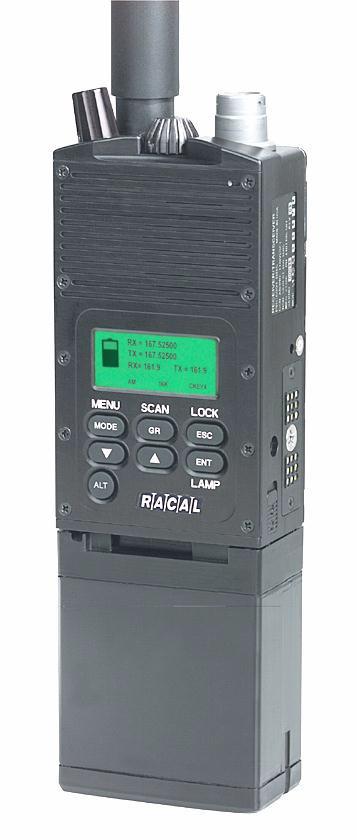
- Manufacturer: L3Harris
- Category: Communications
- Primary flexibility advantage: Interoperable comms
- Typical mission roles supported: Joint operations
- Modular or adaptive features: Multi-channel capability
- Operational benefit: Enables rapid coordination
- Special Operations association: USSOCOM
- Flexibility tier: Mission-Enabling
The AN/PRC-148 MBITR provides secure, multi-channel communications that allow teams to adjust tactics in real time. Interoperability ensures adaptability within joint environments.
AN/PRC-152
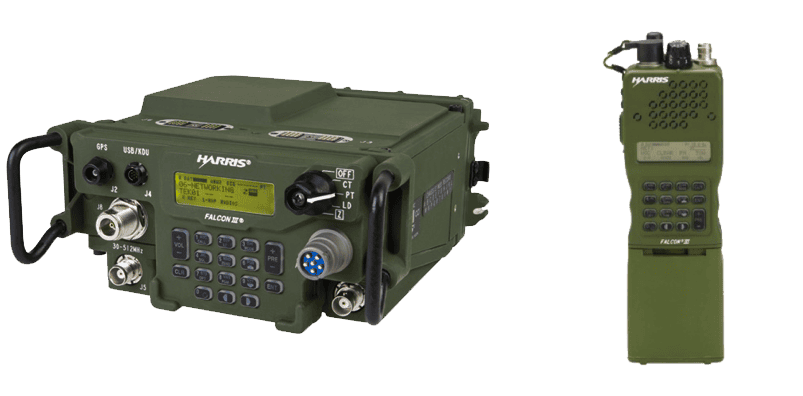
- Manufacturer: L3Harris
- Category: Communications
- Primary flexibility advantage: Multi-band flexibility
- Typical mission roles supported: Coalition warfare
- Modular or adaptive features: Programmable architecture
- Operational benefit: Maintains connectivity across forces
- Special Operations association: Special Operations
- Flexibility tier: Mission-Enabling
The AN/PRC-152 enhances cross-force connectivity with programmable multi-band capability. Reliable communication expands decision space and enables mission pivots.
Draeger LAR V
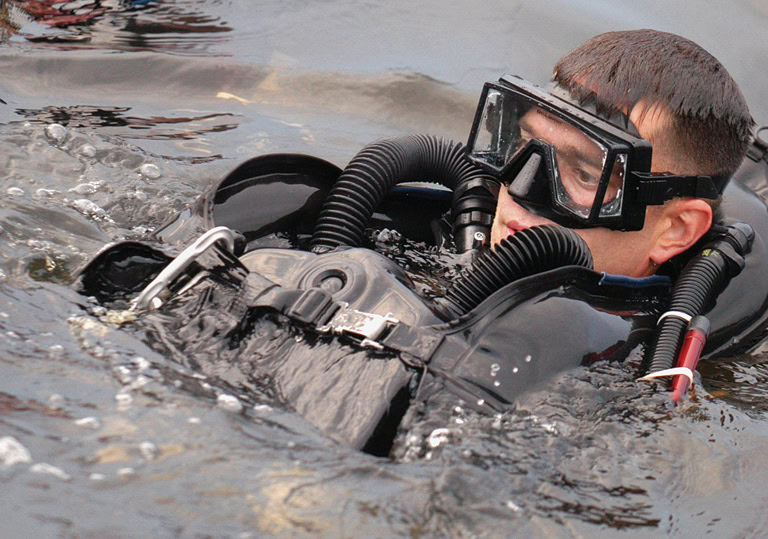
- Manufacturer: Dräger
- Category: Maritime Rebreather
- Primary flexibility advantage: Clandestine underwater insertion
- Typical mission roles supported: Maritime interdiction
- Modular or adaptive features: Closed-circuit design
- Operational benefit: Preserves stealth during approach
- Special Operations association: Naval Special Warfare
- Flexibility tier: Specialized Flex Tool
The Draeger LAR V enables covert underwater insertion without visible bubbles. This stealth capability expands mission options for maritime operations.
M320 Grenade Launcher
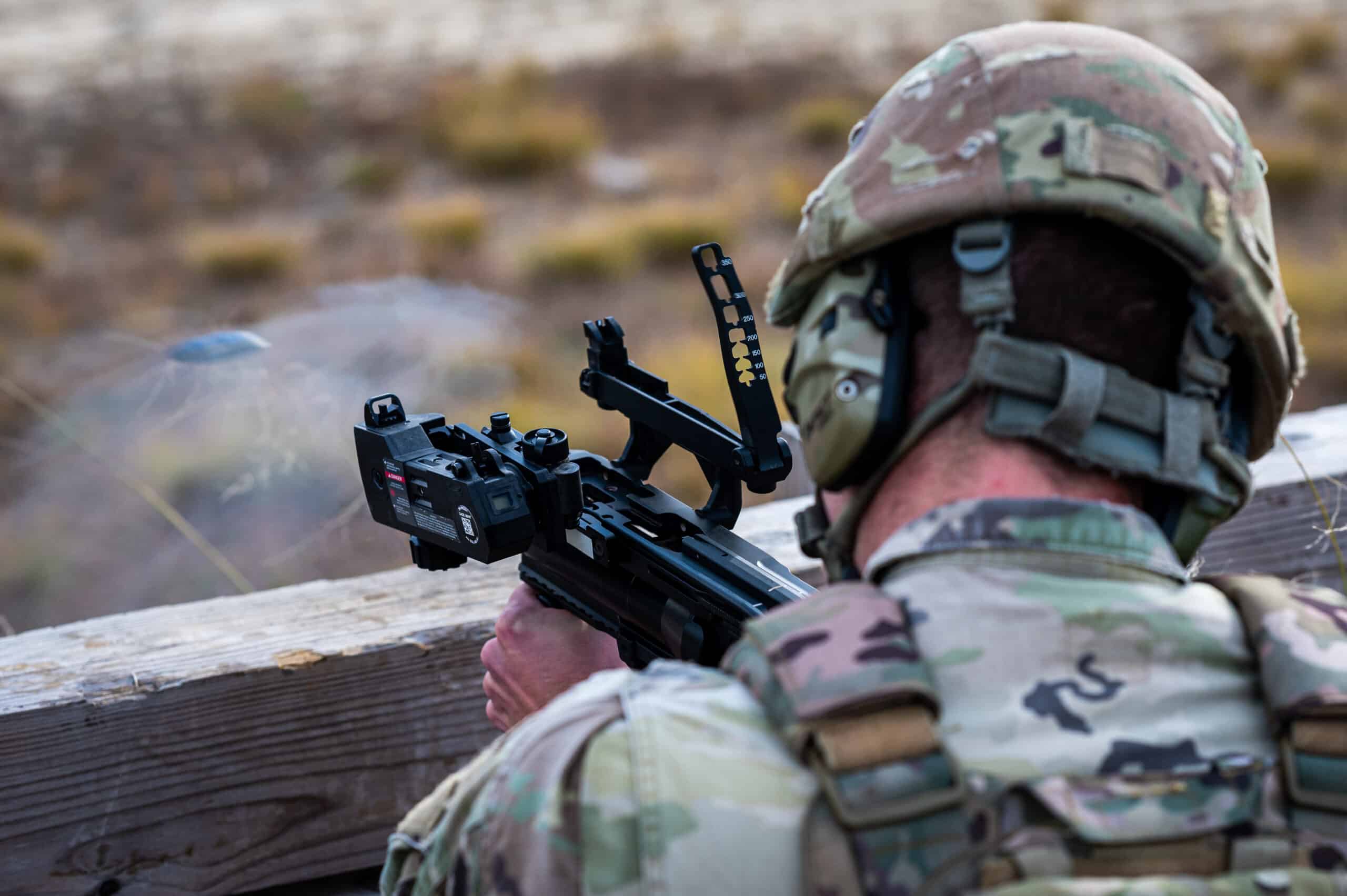
- Manufacturer: Heckler & Koch
- Category: Support Weapon
- Primary flexibility advantage: Scalable force response
- Typical mission roles supported: Assault / Support
- Modular or adaptive features: Standalone or rifle-mounted
- Operational benefit: Expands tactical options
- Special Operations association: USSOCOM
- Flexibility tier: Force Multiplier
The M320 allows operators to scale response from signaling to explosive force. Its modular configuration enhances adaptability during evolving engagements.
Modular Breaching Kit
- Manufacturer: Various
- Category: Breaching Tool
- Primary flexibility advantage: Tailored entry methods
- Typical mission roles supported: Hostage rescue / DA
- Modular or adaptive features: Configurable tools
- Operational benefit: Reduces delay at entry points
- Special Operations association: Special Operations
- Flexibility tier: Mission-Enabling
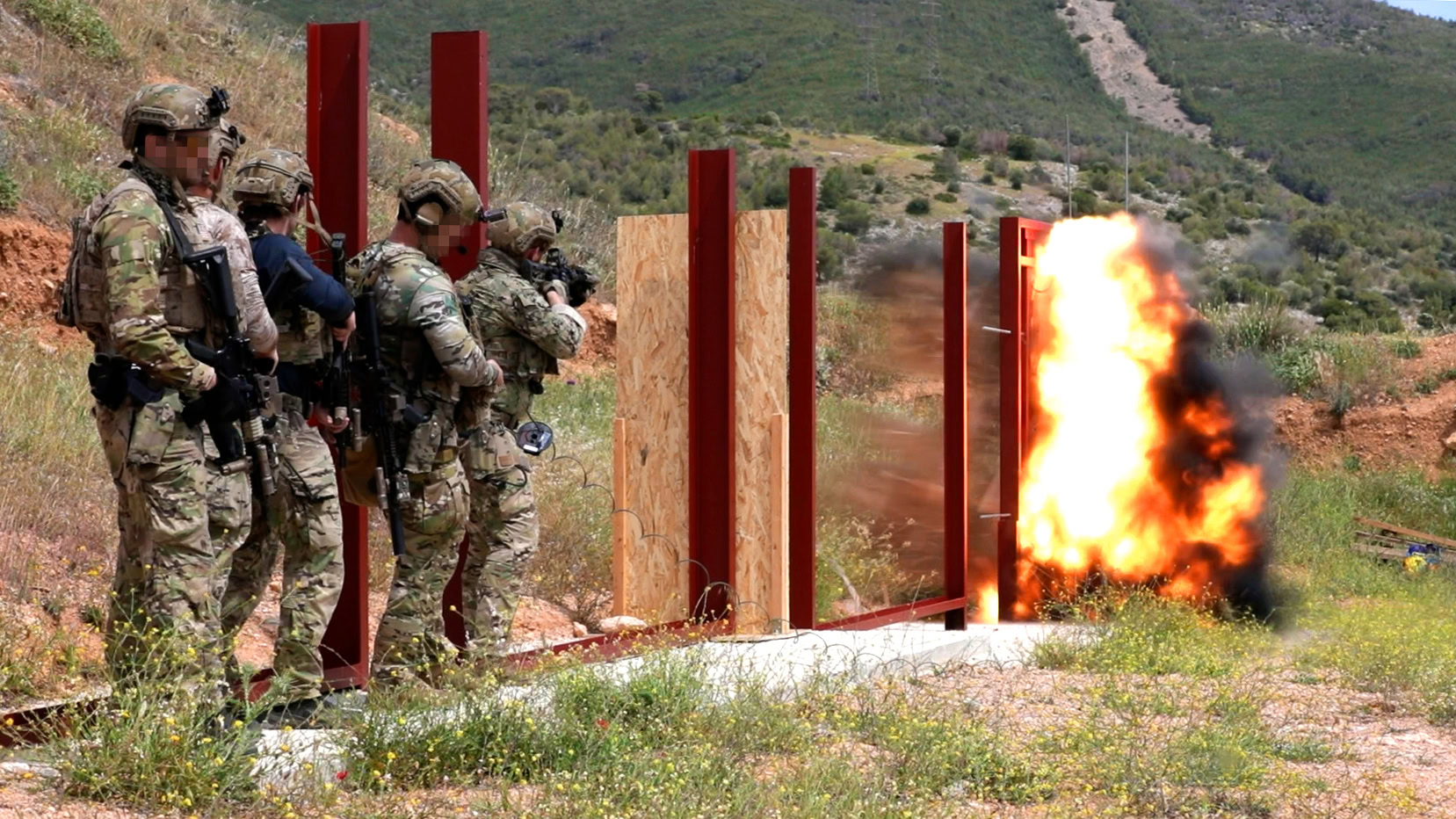
Modular breaching kits provide mechanical, ballistic, and explosive entry options. This flexibility ensures teams adapt entry tactics to structure and threat conditions.
Conformal Battery Pack
- Manufacturer: Various
- Category: Power System
- Primary flexibility advantage: Streamlined power management
- Typical mission roles supported: Extended missions
- Modular or adaptive features: Wearable configuration
- Operational benefit: Simplifies sustainment
- Special Operations association: Naval Special Warfare
- Flexibility tier: High-Impact Adapter
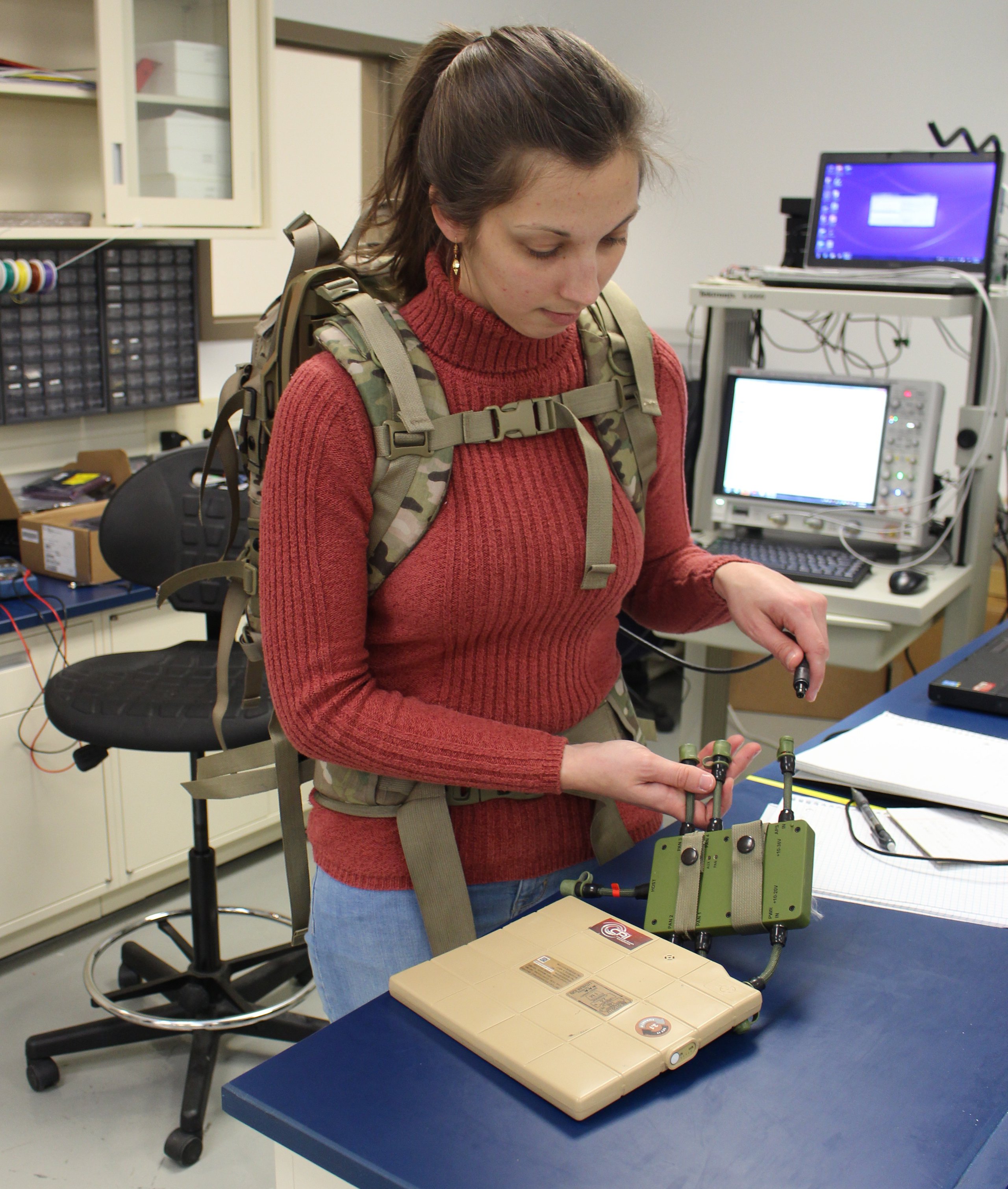
Conformal battery systems streamline power management for optics and communications. Reduced cable clutter enhances mobility and endurance.
Mystery Ranch Mission Pack
![us+army+reserve | 2013 US Army Reserve Best Warrior Competiton: 10km Ruck March [Image 10 of 30]](https://a673b.bigscoots-temp.com/wp-content/uploads/2024/07/imageForEntry7-WO2.jpg)
- Manufacturer: Mystery Ranch
- Category: Load-Carriage
- Primary flexibility advantage: Configurable storage
- Typical mission roles supported: Long-duration ops
- Modular or adaptive features: Adjustable compartments
- Operational benefit: Supports sustainment without limiting mobility
- Special Operations association: Special Operations
- Flexibility tier: Foundational System
Mystery Ranch mission packs offer configurable compartments to tailor sustainment loads. This adaptability supports both short raids and extended reconnaissance without replacing core equipment.










 Top Gaining Stocks
 Top Losing Stocks