


Artillery has always played a major role in determining how wars are fought, and that remains true today. While tanks and fighter jets often dominate headlines, modern artillery systems deliver some of the most destructive firepower on the battlefield. With longer ranges, improved targeting systems, and the ability to launch precision-guided munitions, these platforms allow armies to strike critical targets and influence battles long before opposing forces meet face to face. Here, 24/7 Wall St. is taking a closer look at these modern artillery platforms.
To identify the artillery systems that could dominate a modern war, 24/7 Wall St. reviewed various historical and military sources. We included supplemental information for each artillery unit regarding the country or operator, when it was introduced, its key strength, as well as why it is a dominant piece of artillery.
Here is a look at dominant modern artillery systems:
Why Are We Covering This?
Understanding which artillery systems could dominate a modern war helps reveal how today’s battlefields are actually fought. Modern guns and rocket platforms can strike targets dozens or even hundreds of kilometers away, disrupting logistics, destroying defensive positions, and shaping battles before ground forces even engage. Examining the artillery systems that combine range, mobility, and firepower offers a clearer picture of how military power is applied in modern warfare.
Artillery Has Returned to the Center of Modern Warfare
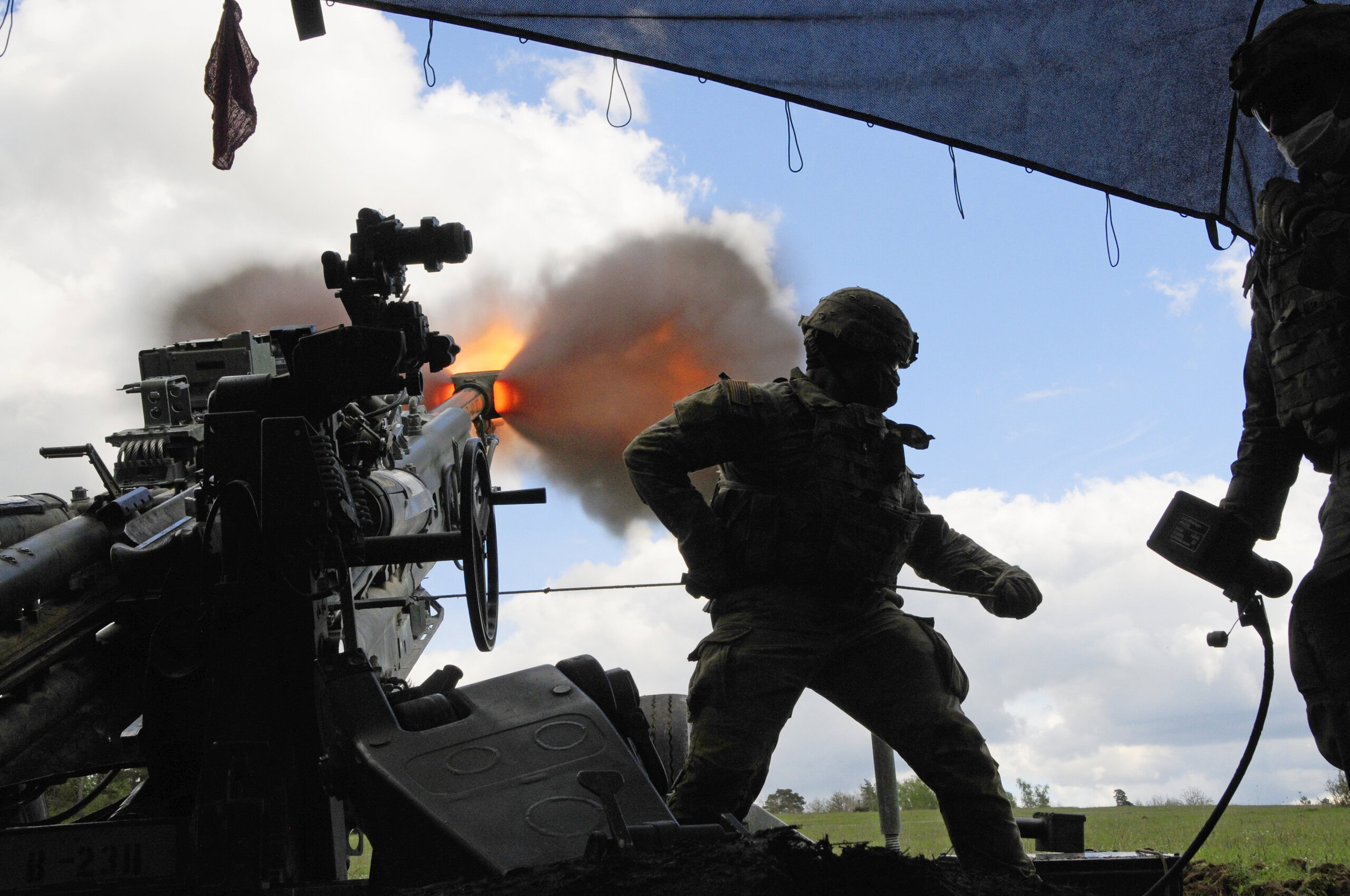
For decades, tanks and aircraft often dominated discussions about battlefield power. Yet recent conflicts have demonstrated that artillery still sits at the heart of modern war. Long-range guns and rocket systems now shape battles by striking supply depots, command centers, and troop concentrations long before ground forces make contact. In many ways, artillery remains the weapon that decides how a battlefield unfolds.
Range and Precision Are Transforming Modern Artillery
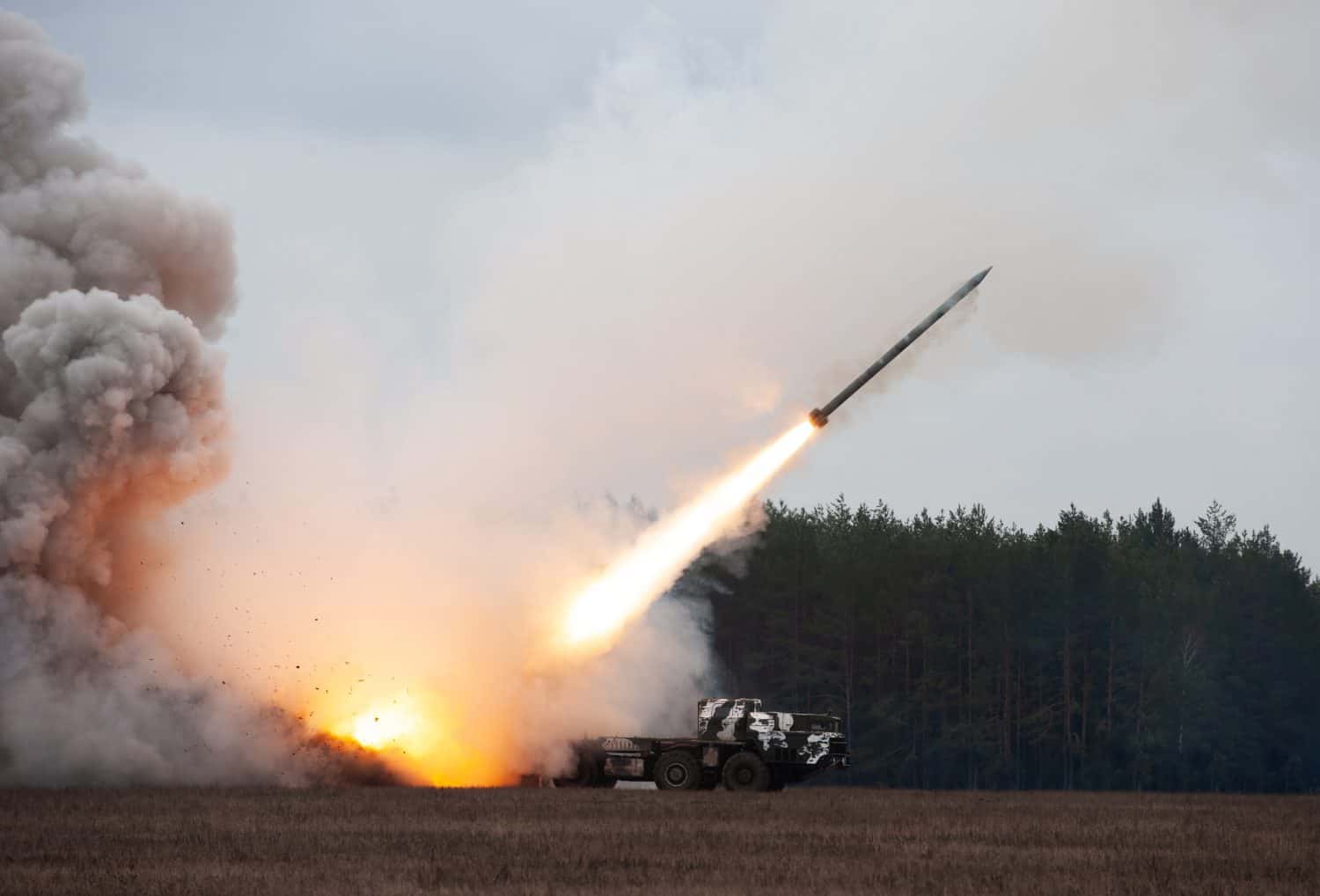
Today’s artillery systems are far more advanced than the guns of previous generations. Modern howitzers and rocket launchers can strike targets dozens or even hundreds of kilometers away. Guided rockets and precision shells allow artillery crews to destroy high-value targets with fewer rounds. These improvements mean artillery is no longer just about volume of fire—it is increasingly about accuracy and reach.
Mobility Is Now Critical for Artillery Survival

Modern battlefields are filled with drones, surveillance systems, and counter-battery radar designed to locate enemy guns. As a result, artillery units must fire quickly and move immediately to avoid retaliation. Many of today’s most capable systems are designed with shoot-and-scoot tactics in mind, combining rapid firing capability with the mobility needed to survive against modern detection technologies.
Rocket Artillery Is Expanding the Battlefield

Rocket artillery systems have dramatically increased how far armies can strike. Platforms capable of launching guided rockets and tactical missiles allow commanders to hit targets deep behind enemy lines. These weapons can disrupt supply routes, destroy command centers, and weaken air defenses, making them a key part of modern military doctrine.
The Systems That Deliver the Most Firepower Matter Most

The artillery systems that dominate modern war are the ones that combine range, firepower, and mobility. From self-propelled howitzers supporting armored units to rocket artillery capable of long-range strikes, these platforms represent some of the most powerful land weapons in service today. The following list highlights the artillery systems most capable of shaping the outcome of a modern battlefield.
M142 HIMARS

- Country or operator: United States
- Manufacturer: Lockheed Martin
- System type: Rocket Artillery (MLRS)
- Year introduced to service: 2005
- Caliber or rocket type: 227mm rockets
- Maximum range: 300+ km (ATACMS/PrSM)
- Mobility platform: 6×6 truck
- Key strength: Precision long‑range strikes
The M142 HIMARS has become one of the most influential artillery systems in modern warfare. Mounted on a highly mobile truck platform, it can rapidly fire precision-guided rockets and relocate before enemy forces respond. With long-range missiles capable of striking command centers, logistics hubs, and ammunition depots, HIMARS gives commanders the ability to shape the battlefield far behind enemy lines.
M270A2 MLRS
- Country or operator: United States / NATO
- Manufacturer: Lockheed Martin
- System type: Rocket Artillery (MLRS)
- Year introduced to service: 1983 (A2 upgrade 2020s)
- Caliber or rocket type: 227mm rockets
- Maximum range: 300+ km
- Mobility platform: Tracked vehicle
- Key strength: Heavy rocket saturation
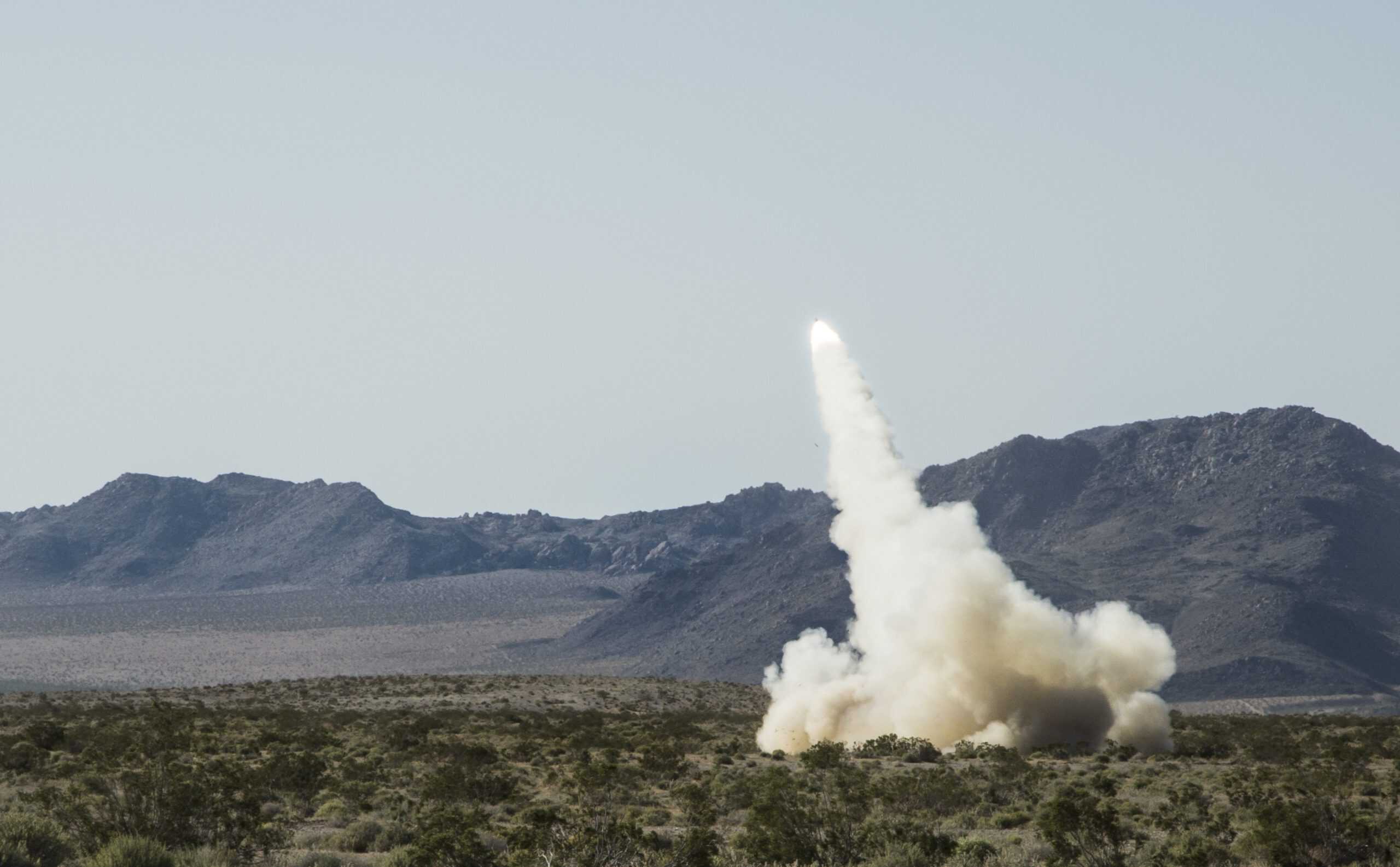
The M270A2 MLRS remains a cornerstone of NATO rocket artillery. Its tracked chassis allows it to move with armored formations while delivering devastating salvos of guided rockets. Modern upgrades allow it to launch precision weapons capable of striking targets hundreds of kilometers away, making it a powerful tool for suppressing enemy artillery, destroying supply routes, and supporting large-scale maneuver warfare.
M109A7 Paladin
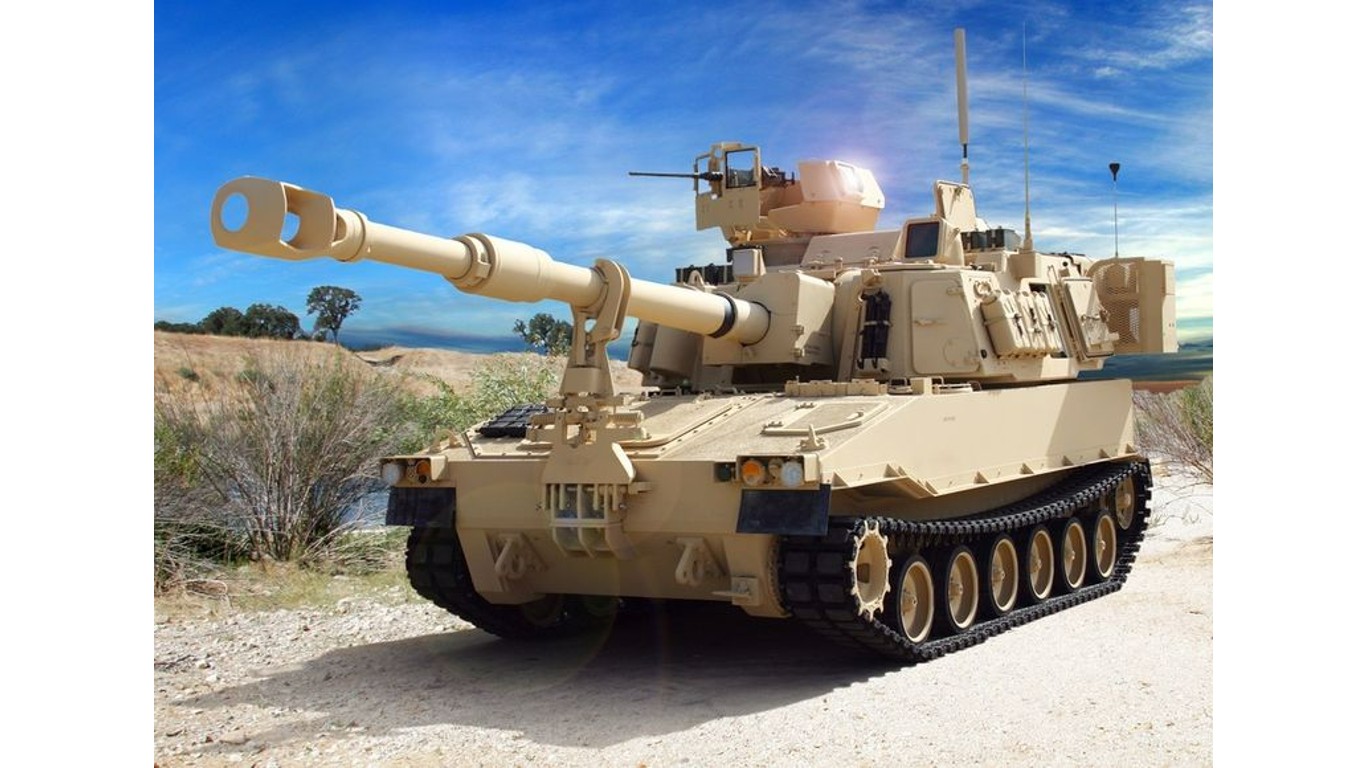
- Country or operator: United States
- Manufacturer: BAE Systems
- System type: Self‑Propelled Howitzer
- Year introduced to service: 2017
- Caliber or rocket type: 155mm
- Maximum range: 40+ km
- Mobility platform: Tracked vehicle
- Key strength: Modernized NATO artillery backbone
The M109A7 Paladin is the latest evolution of the long-serving American 155mm self‑propelled howitzer. Upgraded electronics, improved survivability, and modern fire‑control systems allow it to deliver accurate artillery support to frontline forces. Designed to move with armored units, the Paladin provides sustained firepower that can suppress enemy positions and support advancing troops in high‑intensity ground combat.
PzH 2000
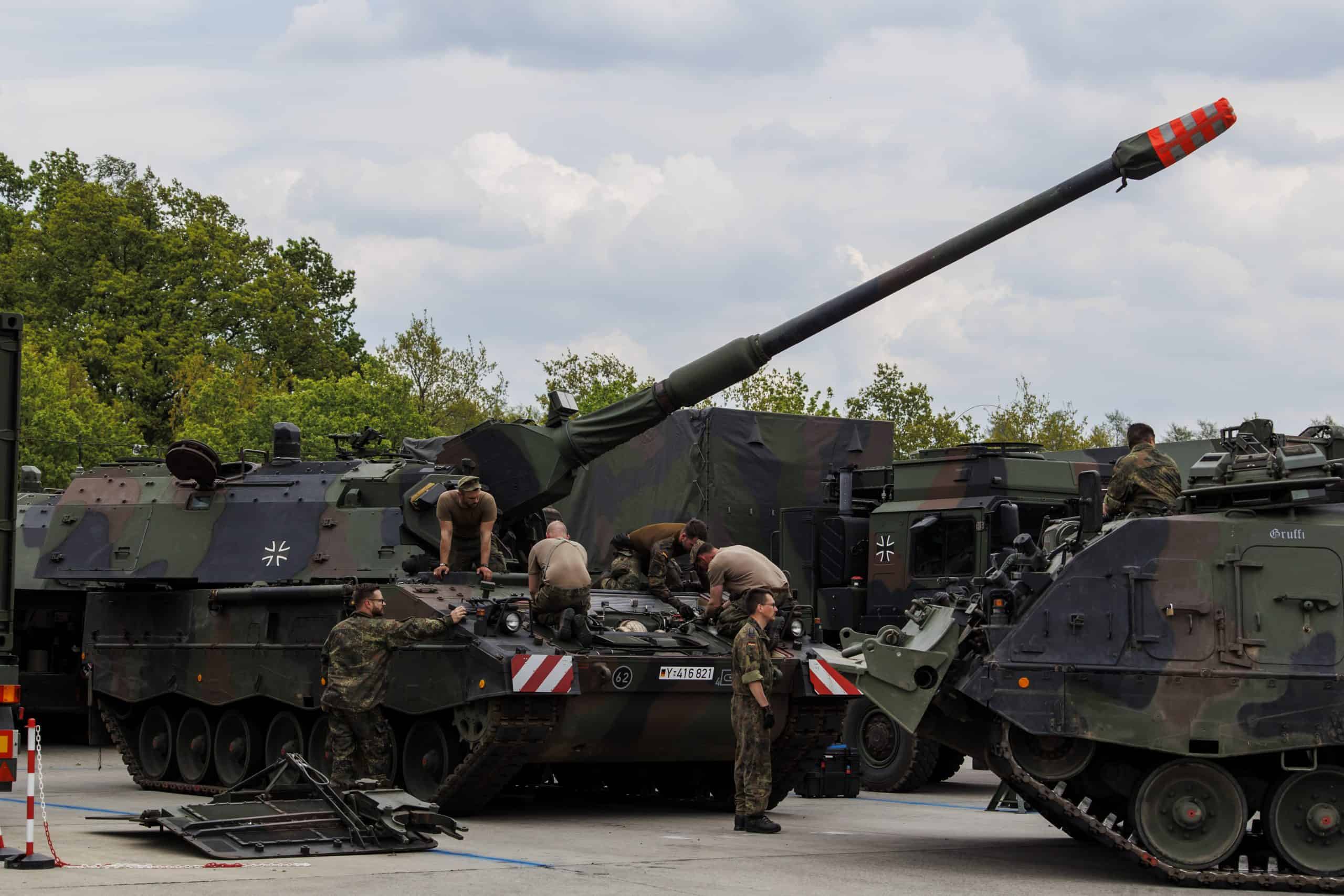
- Country or operator: Germany
- Manufacturer: Krauss‑Maffei Wegmann
- System type: Self‑Propelled Howitzer
- Year introduced to service: 1998
- Caliber or rocket type: 155mm
- Maximum range: 56+ km
- Mobility platform: Tracked vehicle
- Key strength: High rate of fire
Germany’s PzH 2000 is widely regarded as one of the most capable self‑propelled howitzers in the world. Known for its exceptional firing rate and long range, the system can deliver multiple rounds on target in rapid succession. Its advanced automation and fire‑control systems allow crews to engage targets quickly while minimizing exposure to counter‑battery fire.
K9 Thunder

- Country or operator: South Korea
- Manufacturer: Hanwha Defense
- System type: Self‑Propelled Howitzer
- Year introduced to service: 1999
- Caliber or rocket type: 155mm
- Maximum range: 40+ km
- Mobility platform: Tracked vehicle
- Key strength: Highly mobile modern howitzer
The K9 Thunder has become one of the most widely exported modern artillery systems. Developed in South Korea, the tracked 155mm howitzer combines strong mobility with modern fire‑control systems and rapid firing capability. Its ability to deliver sustained artillery barrages while quickly relocating has made it a key component of several NATO and allied artillery forces.
K239 Chunmoo
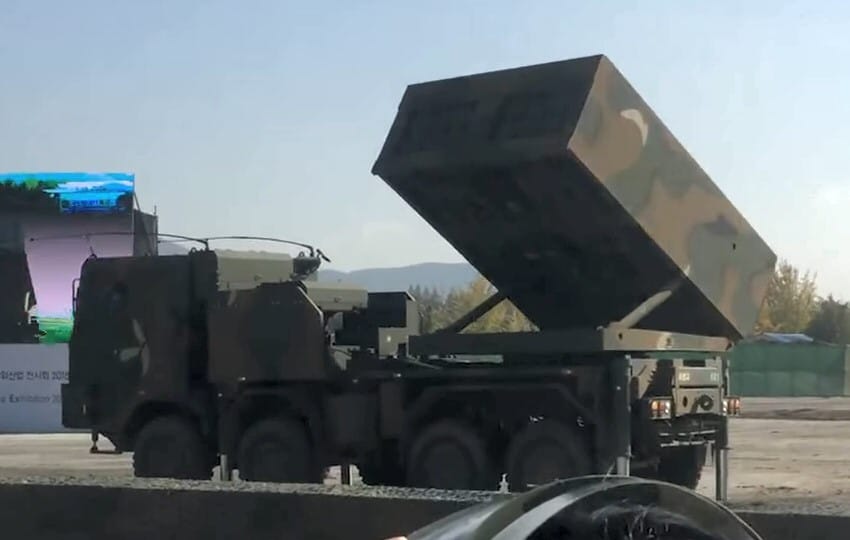
- Country or operator: South Korea
- Manufacturer: Hanwha Defense
- System type: Rocket Artillery (MLRS)
- Year introduced to service: 2015
- Caliber or rocket type: 239mm / 130mm rockets
- Maximum range: 290+ km
- Mobility platform: 8×8 truck
- Key strength: Modular rocket launcher
The K239 Chunmoo is a modular rocket artillery system capable of launching multiple types of rockets and tactical missiles. Its flexible design allows operators to tailor firepower to different missions, from saturation bombardment to precision strikes at long distances. Mounted on an 8×8 truck, Chunmoo offers both mobility and long‑range firepower in modern artillery formations.
CAESAR

- Country or operator: France
- Manufacturer: Nexter
- System type: Truck‑Mounted Howitzer
- Year introduced to service: 2008
- Caliber or rocket type: 155mm
- Maximum range: 40+ km
- Mobility platform: 6×6 truck
- Key strength: Rapid shoot‑and‑scoot mobility
France’s CAESAR howitzer emphasizes mobility and rapid deployment. Mounted on a truck chassis, the 155mm gun can move quickly, fire a volley of shells, and relocate before enemy counter‑battery fire arrives. This shoot‑and‑scoot capability has proven especially valuable in modern conflicts where artillery survivability depends on constant movement.
Archer
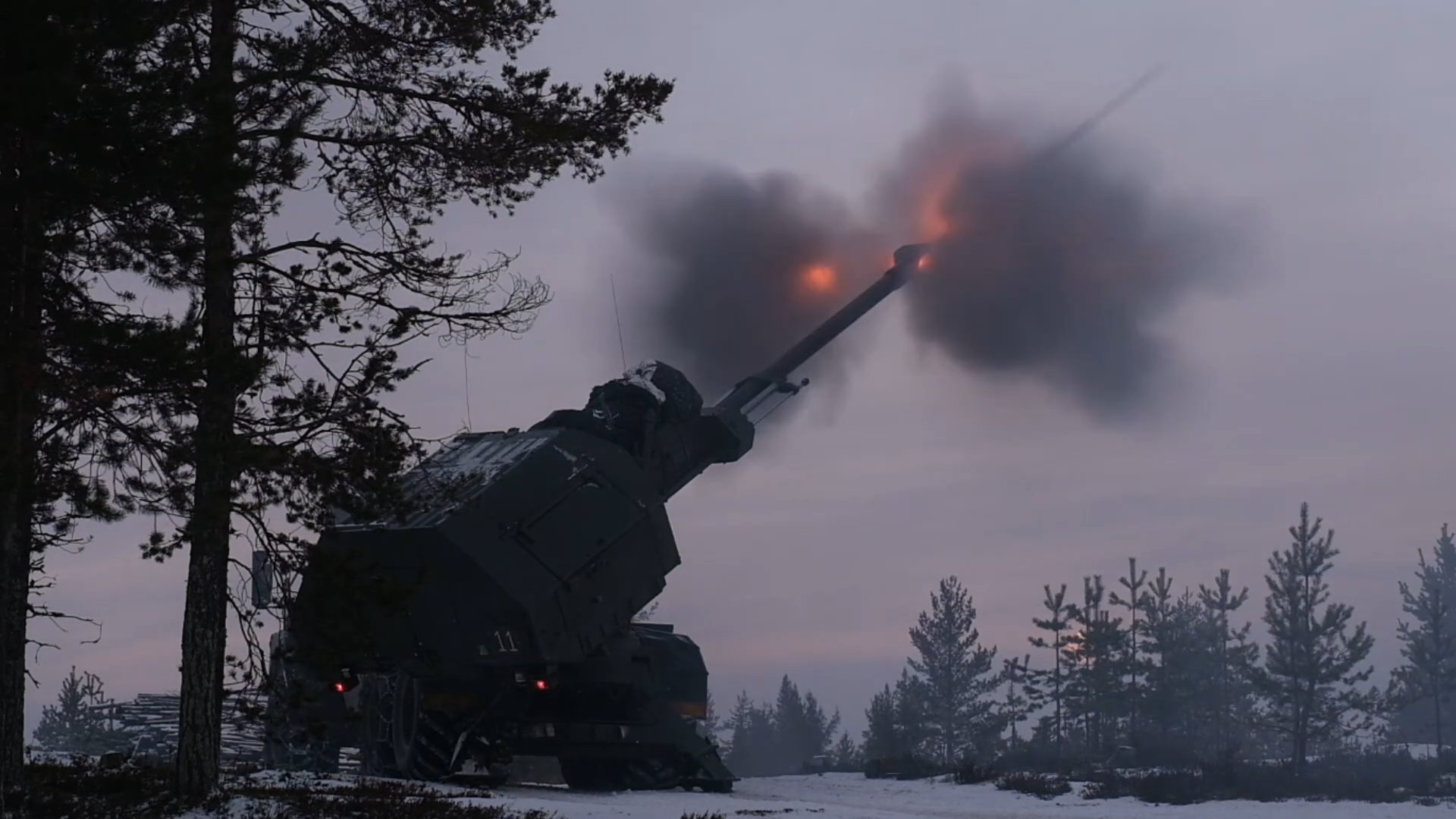
- Country or operator: Sweden
- Manufacturer: BAE Systems Bofors
- System type: Truck‑Mounted Howitzer
- Year introduced to service: 2016
- Caliber or rocket type: 155mm
- Maximum range: 50+ km
- Mobility platform: 6×6 truck
- Key strength: Highly automated artillery
Sweden’s Archer artillery system is designed for speed and automation. Its highly automated loading system allows the vehicle to fire several rounds within seconds before quickly relocating. Mounted on a truck platform, Archer offers a combination of mobility, range, and rapid firing capability that helps artillery units avoid detection and survive on modern battlefields.
AHS Krab
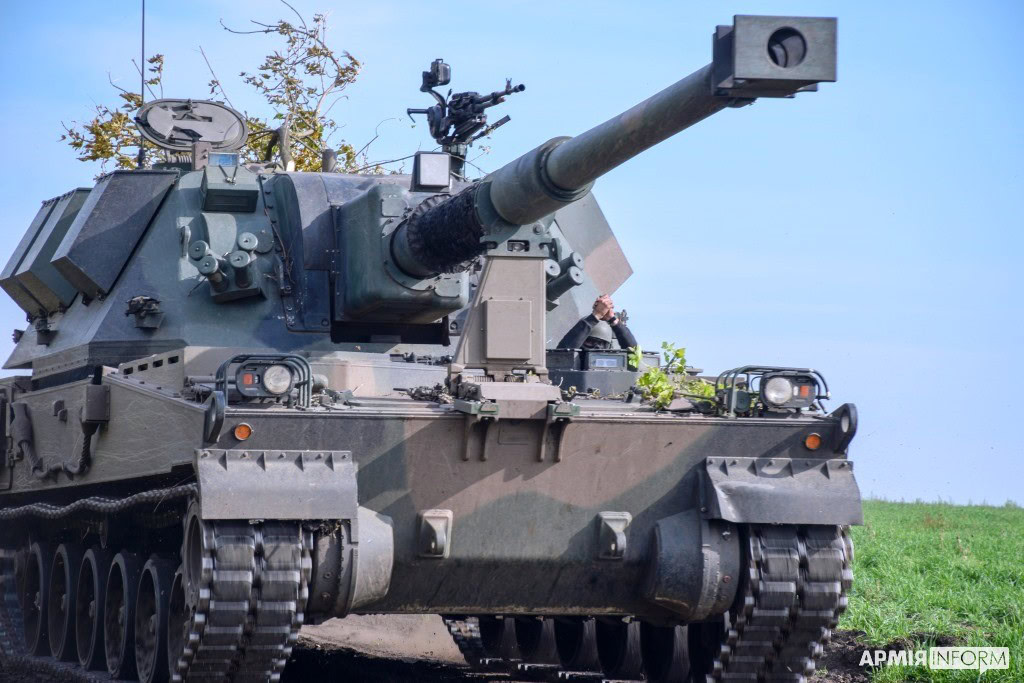
- Country or operator: Poland
- Manufacturer: HSW
- System type: Self‑Propelled Howitzer
- Year introduced to service: 2017
- Caliber or rocket type: 155mm
- Maximum range: 40+ km
- Mobility platform: Tracked vehicle
- Key strength: NATO standard firepower
Poland’s AHS Krab is a modern 155mm self‑propelled howitzer designed to meet NATO artillery standards. Built on a tracked chassis, it combines mobility, long‑range firepower, and modern targeting systems. The Krab allows Polish artillery units to deliver accurate indirect fire in support of mechanized forces operating across large battlefields.
AS90
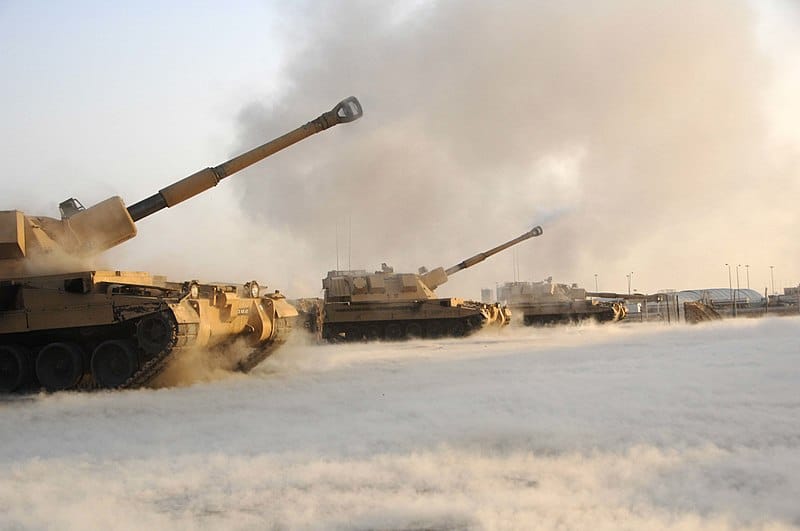
- Country or operator: United Kingdom
- Manufacturer: BAE Systems
- System type: Self‑Propelled Howitzer
- Year introduced to service: 1992
- Caliber or rocket type: 155mm
- Maximum range: 40 km
- Mobility platform: Tracked vehicle
- Key strength: British armored artillery
The AS90 has served as the backbone of British artillery forces for decades. This tracked self‑propelled howitzer delivers reliable 155mm firepower and supports armored formations on the battlefield. Although newer systems are emerging, the AS90 continues to provide effective artillery support capable of suppressing enemy forces and reinforcing defensive positions.
PzH 2000 (Export)
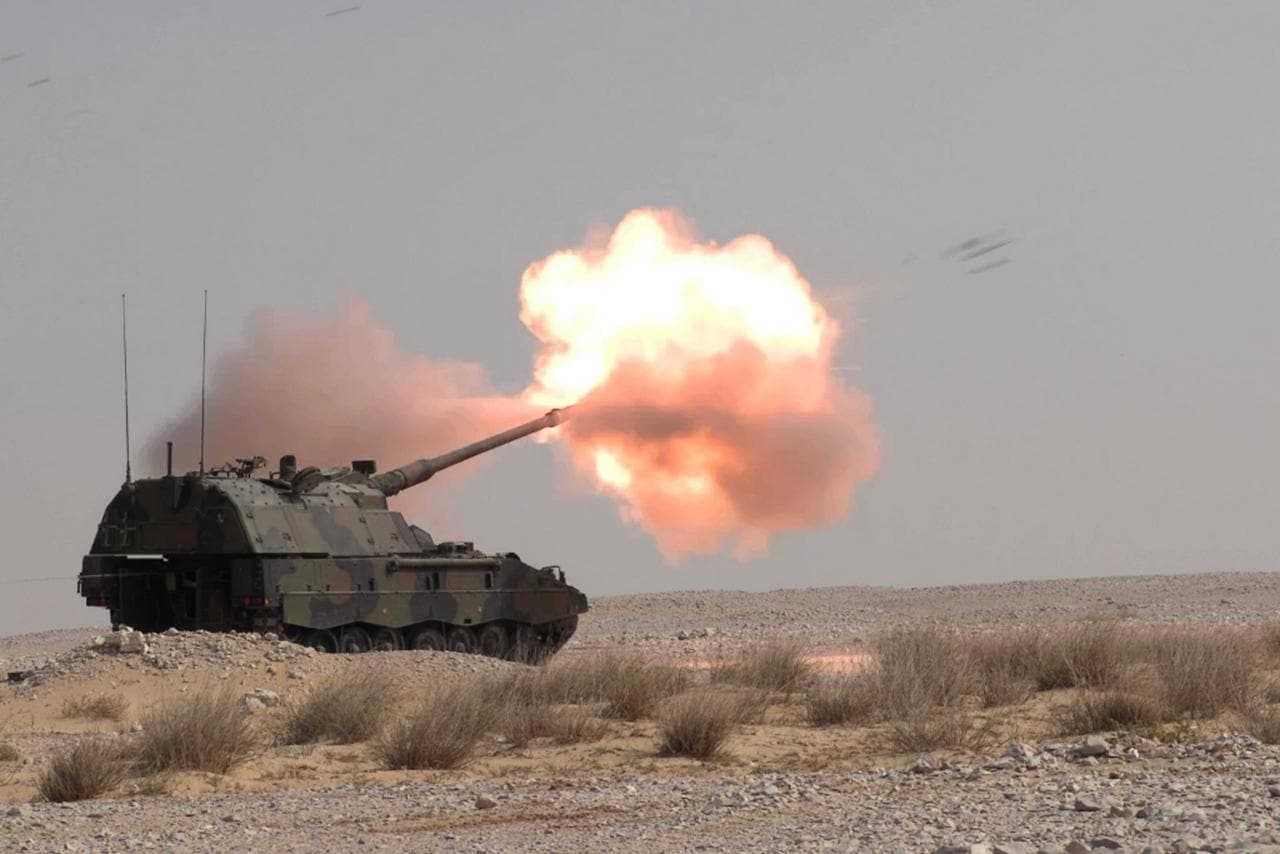
- Country or operator: Germany / NATO users
- Manufacturer: Krauss‑Maffei Wegmann
- System type: Self‑Propelled Howitzer
- Year introduced to service: 2000s
- Caliber or rocket type: 155mm
- Maximum range: 56+ km
- Mobility platform: Tracked vehicle
- Key strength: Widely deployed NATO howitzer
Export variants of the PzH 2000 have been adopted by several NATO countries, extending the reach of this highly capable artillery system. Its advanced targeting systems and high rate of fire make it one of the most effective tube artillery platforms available. These features allow allied forces to deliver rapid and accurate fire support across modern battlefields.
Zuzana 2
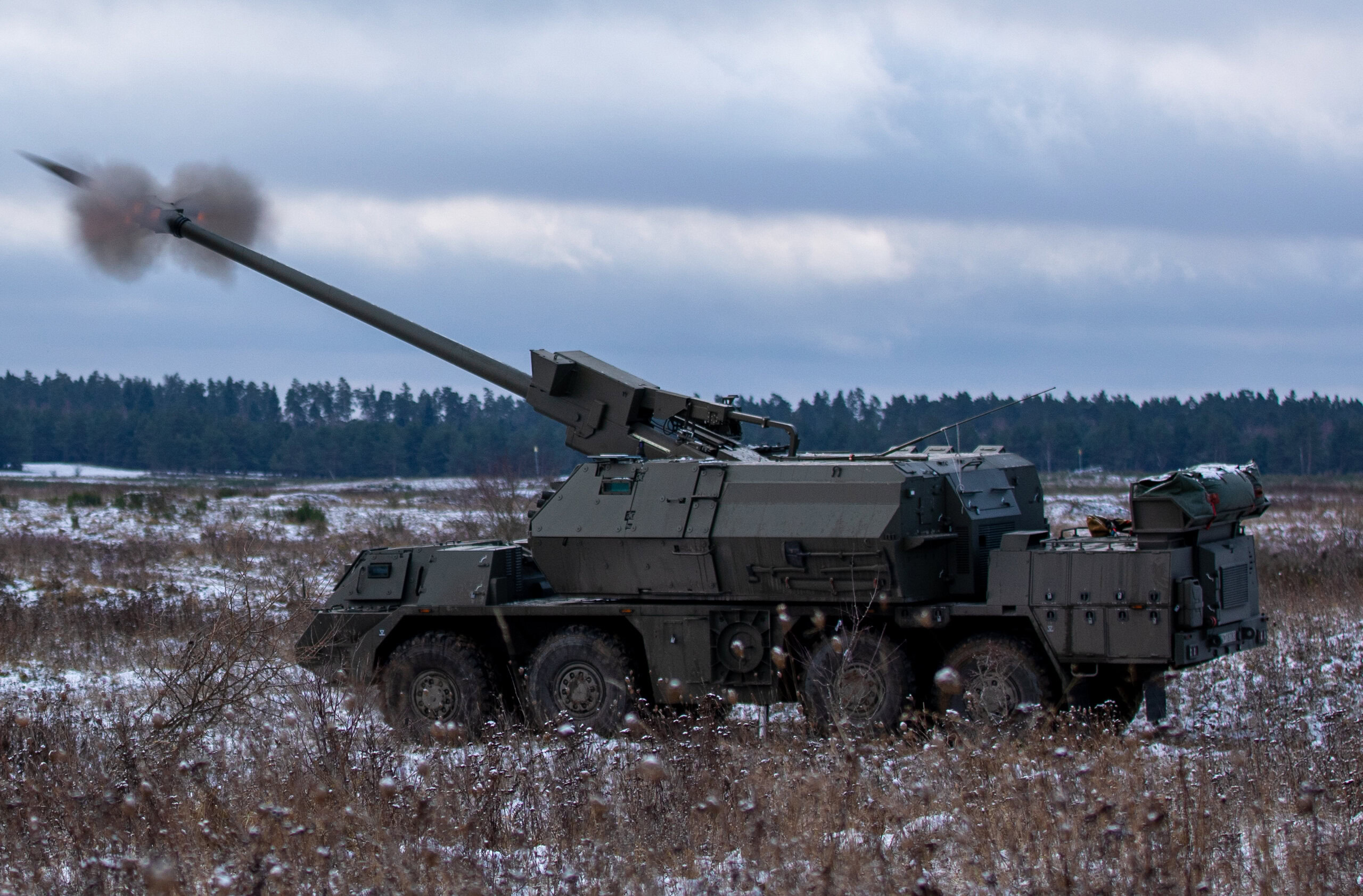
- Country or operator: Slovakia
- Manufacturer: Konštrukta Defence
- System type: Self‑Propelled Howitzer
- Year introduced to service: 2018
- Caliber or rocket type: 155mm
- Maximum range: 41+ km
- Mobility platform: 8×8 truck
- Key strength: Fully automated turret
Slovakia’s Zuzana 2 features a fully automated turret mounted on a wheeled chassis. This design allows the artillery system to operate with a smaller crew while maintaining a high rate of fire. Its mobility and modern electronics make it well suited for the shoot‑and‑scoot tactics required to survive against counter‑battery radar and enemy drones.
Dana M2
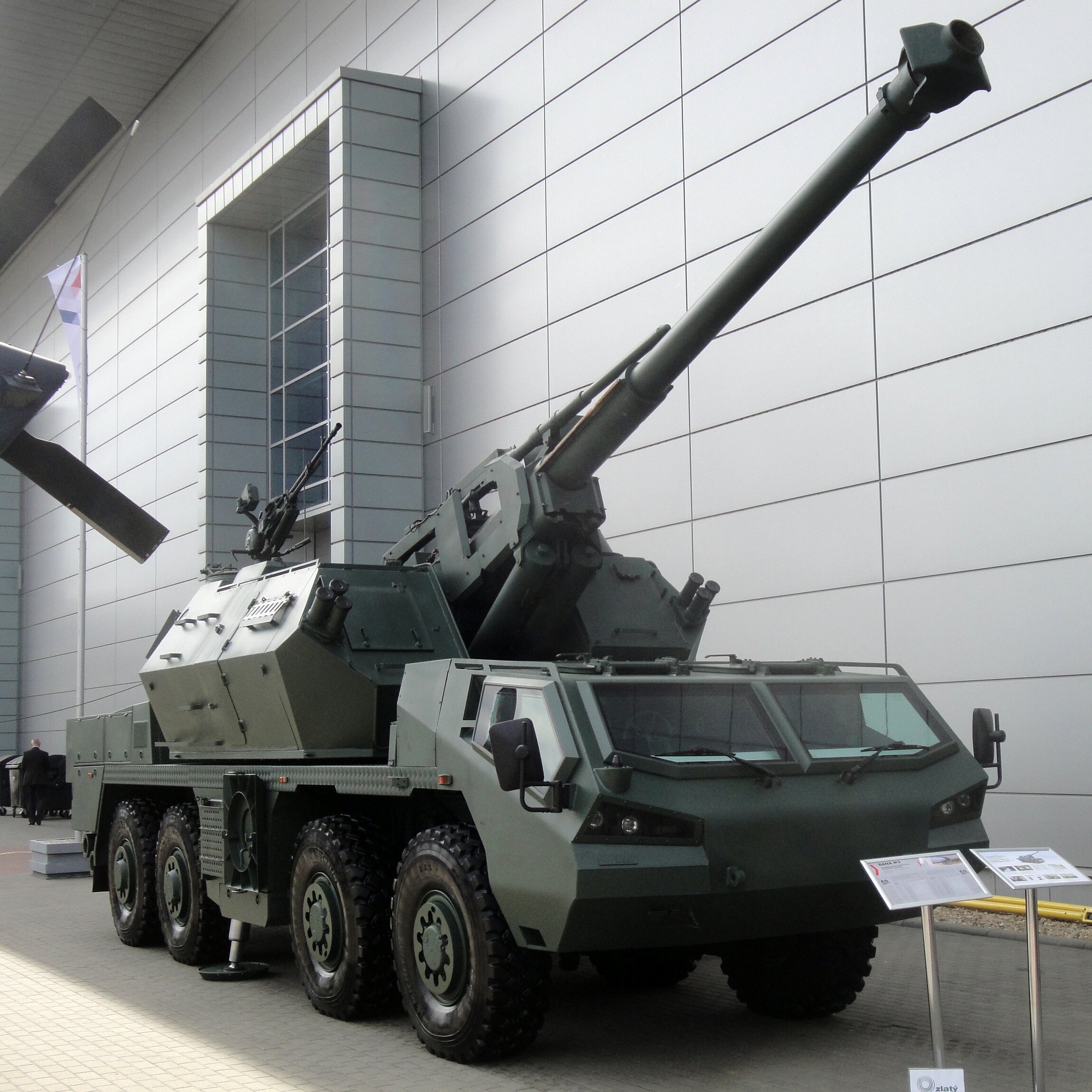
- Country or operator: Czech Republic
- Manufacturer: Excalibur Army
- System type: Self‑Propelled Howitzer
- Year introduced to service: 2018
- Caliber or rocket type: 152mm
- Maximum range: 28+ km
- Mobility platform: 8×8 truck
- Key strength: Modernized legacy artillery
The Dana M2 represents a modernized version of the earlier Czech wheeled artillery systems. Improved electronics, targeting systems, and mobility upgrades allow it to remain effective despite its older design. The platform demonstrates how legacy artillery can be upgraded to continue providing reliable fire support in modern military operations.
FH77BW Archer
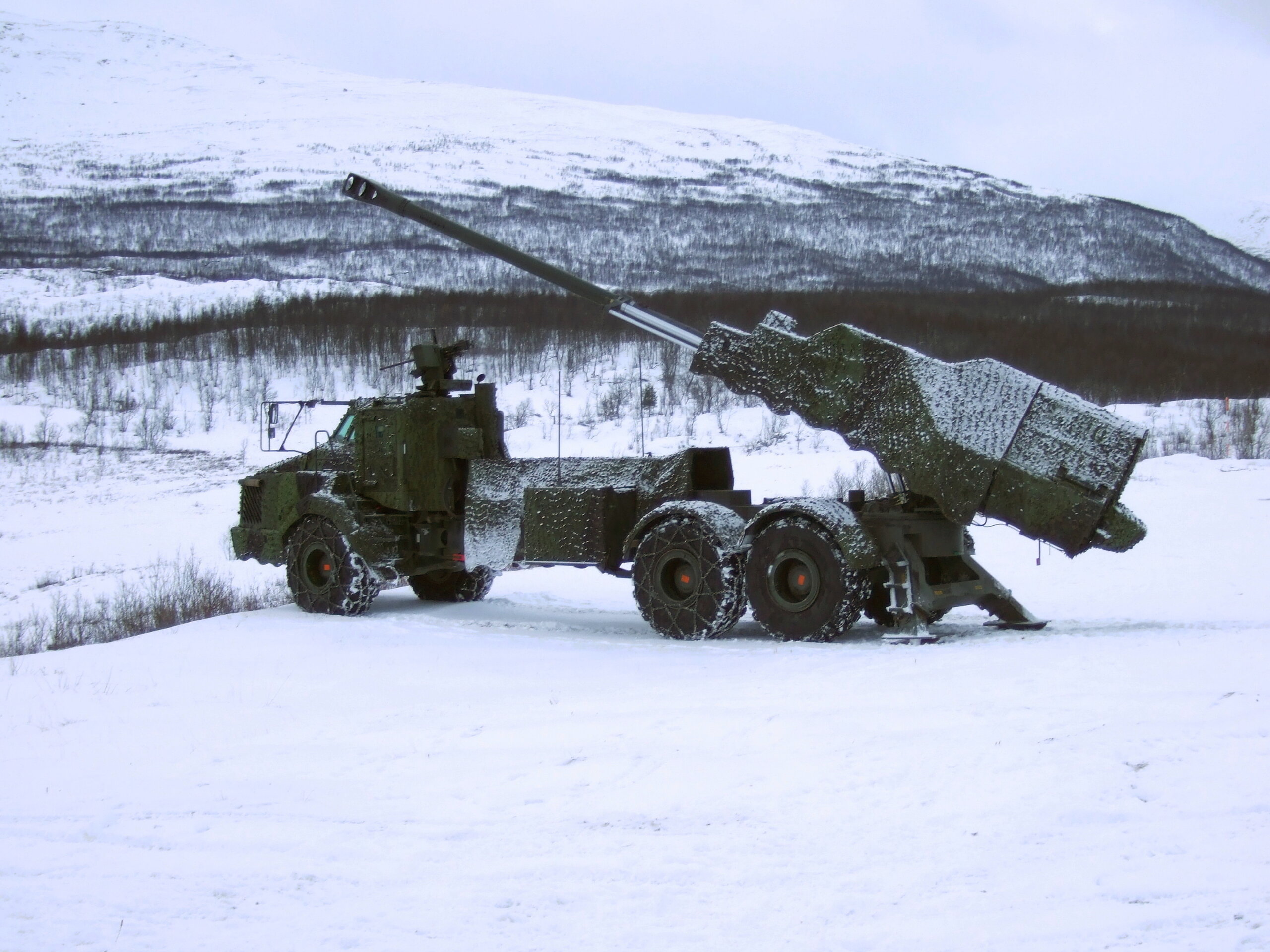
- Country or operator: Sweden
- Manufacturer: BAE Systems Bofors
- System type: Truck‑Mounted Howitzer
- Year introduced to service: 2013
- Caliber or rocket type: 155mm
- Maximum range: 50+ km
- Mobility platform: 6×6 truck
- Key strength: Extreme firing automation
The FH77BW Archer variant expands Sweden’s highly automated artillery concept. Its computer‑controlled fire system allows rapid targeting and extremely fast firing sequences. Combined with high mobility, this design enables artillery crews to strike quickly and move before enemy forces can locate them.
ATMOS 2000
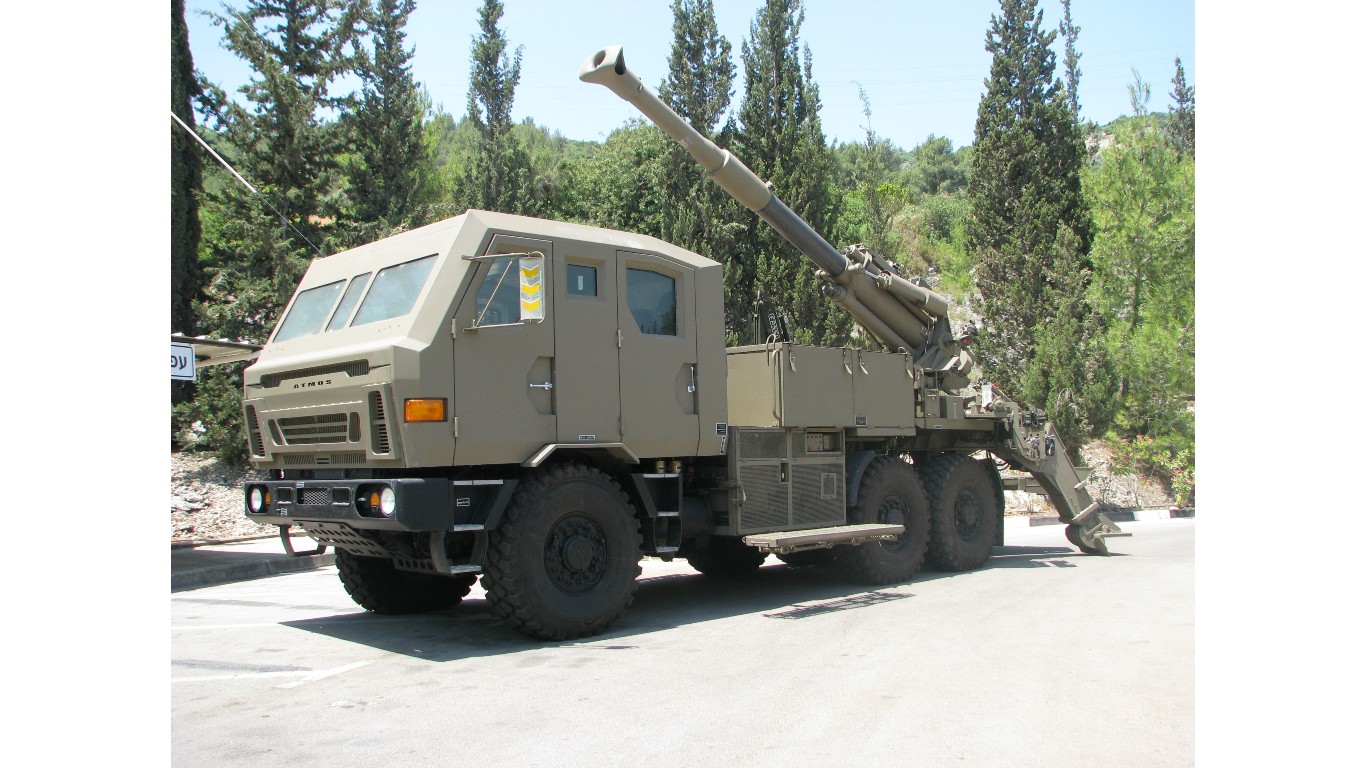
- Country or operator: Israel
- Manufacturer: Elbit Systems
- System type: Truck‑Mounted Howitzer
- Year introduced to service: 2001
- Caliber or rocket type: 155mm
- Maximum range: 41+ km
- Mobility platform: 6×6 / 8×8 truck
- Key strength: Highly deployable artillery
Israel’s ATMOS 2000 is a truck‑mounted 155mm howitzer designed for rapid deployment and flexibility. The system can be mounted on multiple vehicle types and transported easily by air or road. Its mobility and modern targeting systems make it ideal for expeditionary forces operating across large or difficult terrain.
2S19 Msta‑S
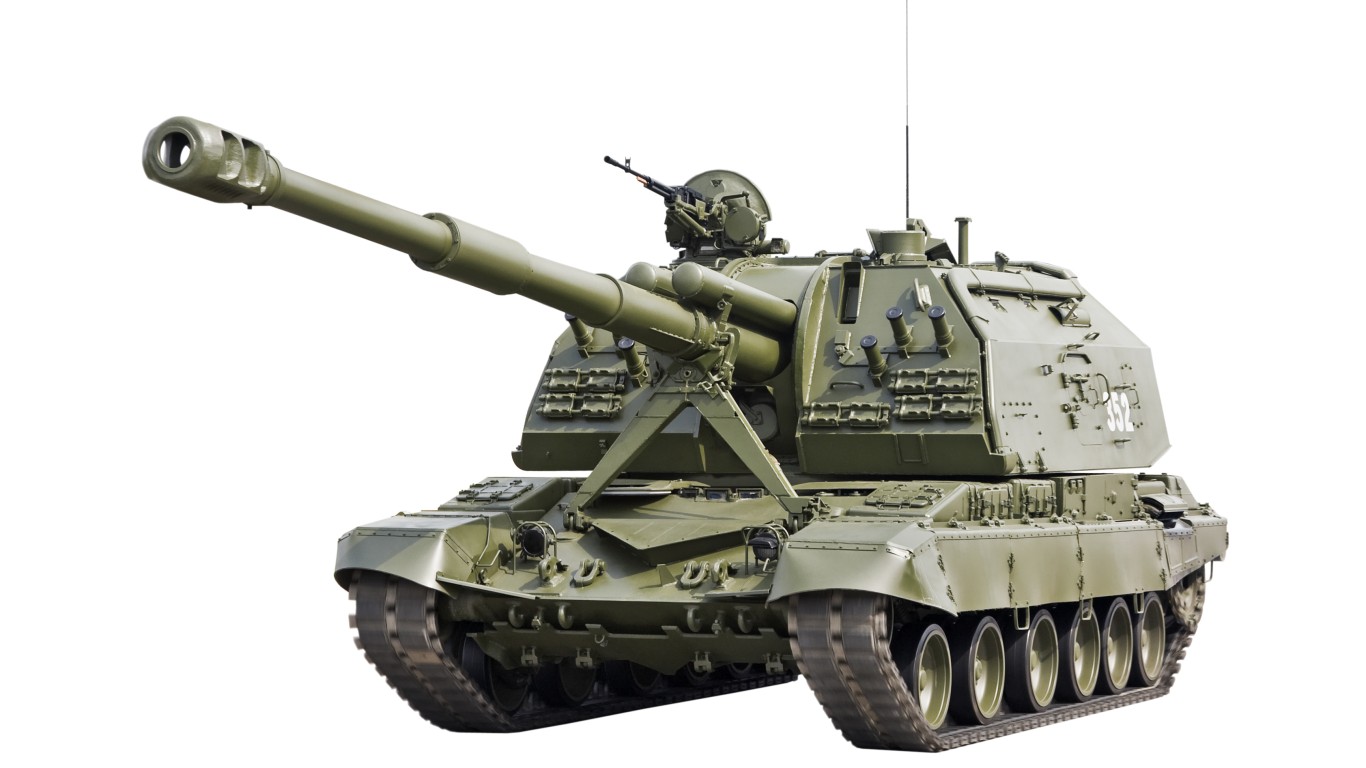
- Country or operator: Russia
- Manufacturer: Uraltransmash
- System type: Self‑Propelled Howitzer
- Year introduced to service: 1989
- Caliber or rocket type: 152mm
- Maximum range: 29+ km
- Mobility platform: Tracked vehicle
- Key strength: Russian frontline artillery
The 2S19 Msta-S remains a core Russian self-propelled howitzer for sustained, high-volume fire support. Built on a tracked chassis, it can move with armored formations and deliver repeated 152mm strikes against infantry positions, assembly areas, and defensive works. In a modern war, systems like the Msta-S help generate constant pressure, force dispersion, and shape the battlefield through sheer weight of fires.
2S35 Koalitsiya‑SV

- Country or operator: Russia
- Manufacturer: Uraltransmash
- System type: Self‑Propelled Howitzer
- Year introduced to service: 2020
- Caliber or rocket type: 152mm
- Maximum range: 70+ km
- Mobility platform: Tracked vehicle
- Key strength: Next‑generation Russian howitzer
The 2S35 Koalitsiya-SV is Russia’s newer self-propelled howitzer concept aimed at longer range, faster engagements, and greater automation. Its purpose is to outrange opposing tube artillery and win the counter-battery fight by striking first and relocating. In a modern war dominated by drones and radar, that combination—range, rate of fire, and speed of displacement—can decide which side’s guns survive.
BM‑30 Smerch

- Country or operator: Russia
- Manufacturer: Splav
- System type: Rocket Artillery (MLRS)
- Year introduced to service: 1987
- Caliber or rocket type: 300mm rockets
- Maximum range: 90+ km
- Mobility platform: 8×8 truck
- Key strength: Heavy rocket artillery
The BM-30 Smerch is heavy rocket artillery built for battlefield shock. Its 300mm rockets can saturate large areas, wrecking logistics nodes, troop concentrations, and defensive belts. While not as surgical as precision-guided systems, Smerch delivers massive effects quickly, especially when used to overwhelm air defenses and disrupt command and control. In a modern war, it’s the kind of launcher that can reshape a sector in minutes.
Tornado‑S
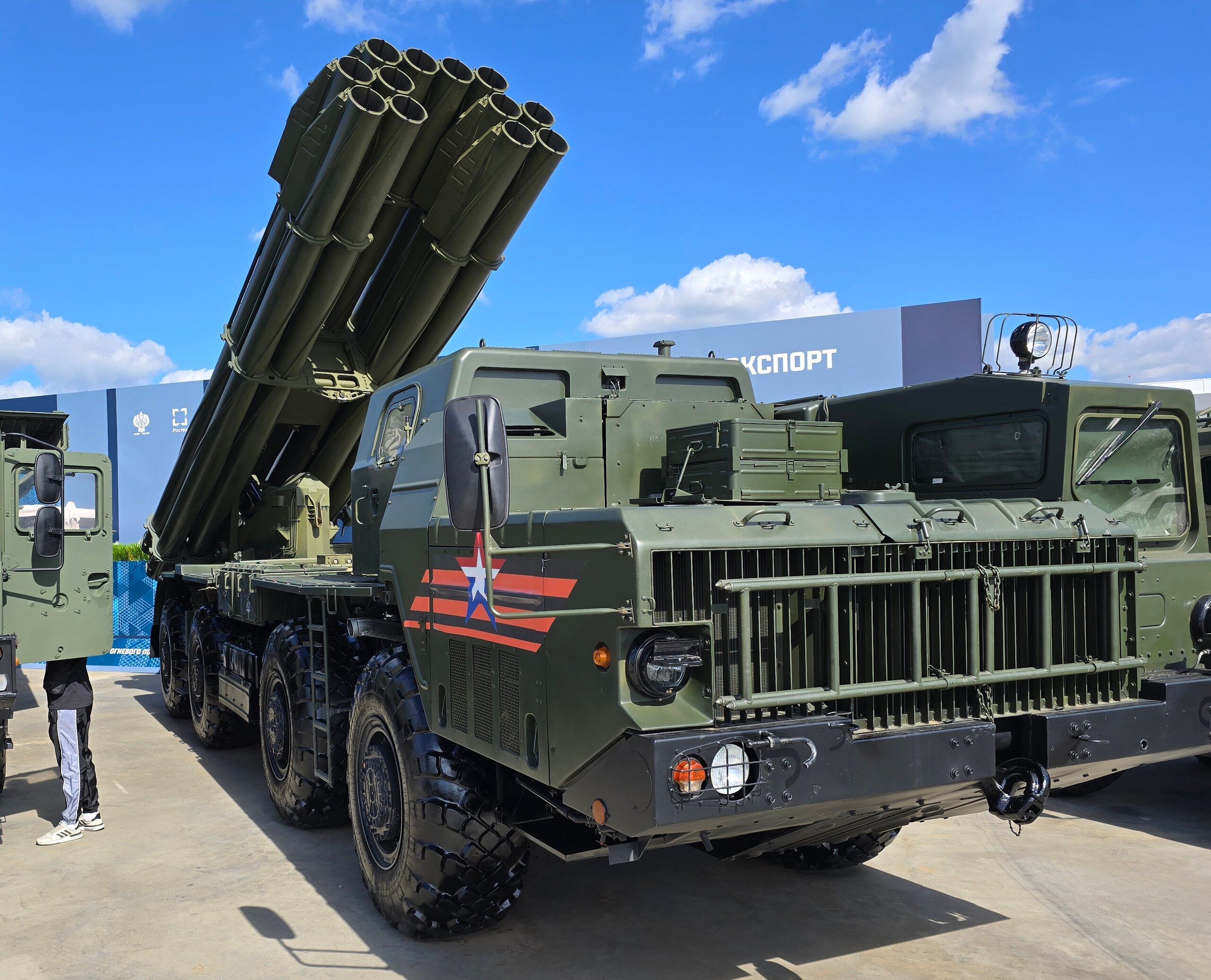
- Country or operator: Russia
- Manufacturer: Splav
- System type: Rocket Artillery (MLRS)
- Year introduced to service: 2016
- Caliber or rocket type: 300mm rockets
- Maximum range: 120+ km
- Mobility platform: 8×8 truck
- Key strength: Guided rocket strikes
Tornado-S modernizes Russia’s heavy rocket artillery with improved targeting and guided munitions, turning area fires into something closer to precision strikes. That matters because counter-battery threats punish static launchers. By firing more accurately at longer ranges and relocating quickly, Tornado-S supports deep fires against supply routes, headquarters, and air-defense sites. In a modern war, it’s built to hit high-value targets fast and keep moving.
TOS‑1A
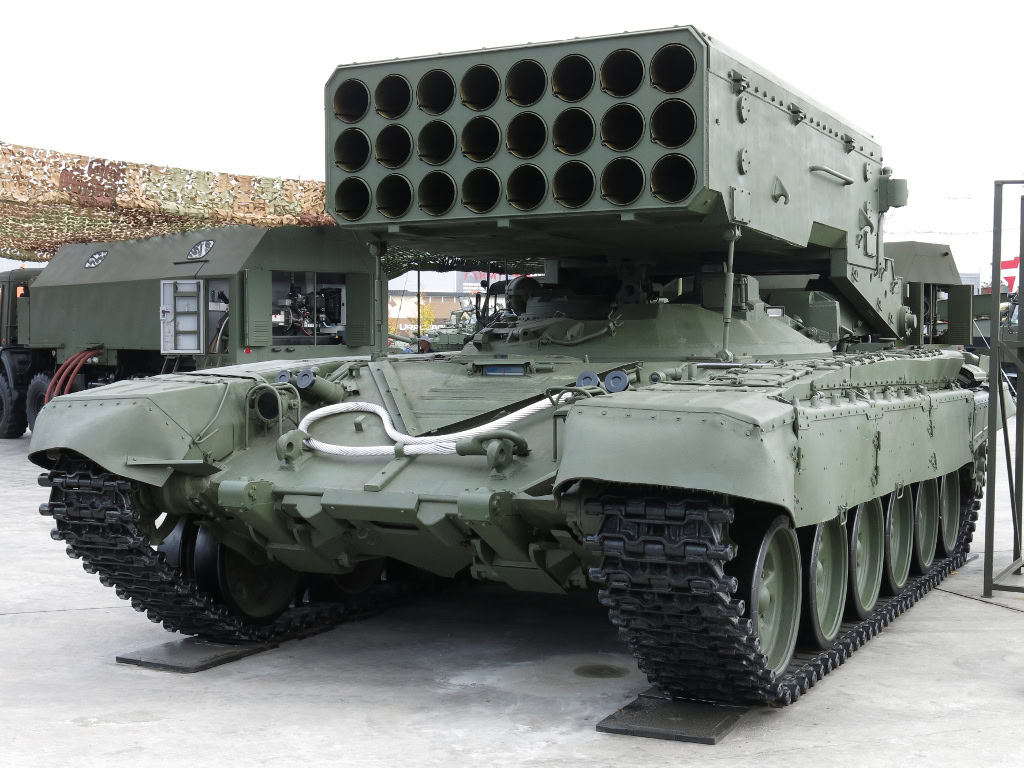
- Country or operator: Russia
- Manufacturer: Omsktransmash
- System type: Rocket Artillery
- Year introduced to service: 2001
- Caliber or rocket type: 220mm thermobaric rockets
- Maximum range: 6 km
- Mobility platform: Tracked vehicle
- Key strength: Thermobaric battlefield weapon
The TOS-1A is a specialized rocket artillery system designed to annihilate fortified positions with thermobaric rockets. Its shorter range is a tradeoff for extreme destructive effect, making it most relevant in close combat around trenches, urban strongpoints, and hardened defenses. In a modern war, it functions as a brutal breaching and suppression tool—used to break stubborn positions when conventional artillery can’t deliver the same concentrated shock.
PLZ‑05
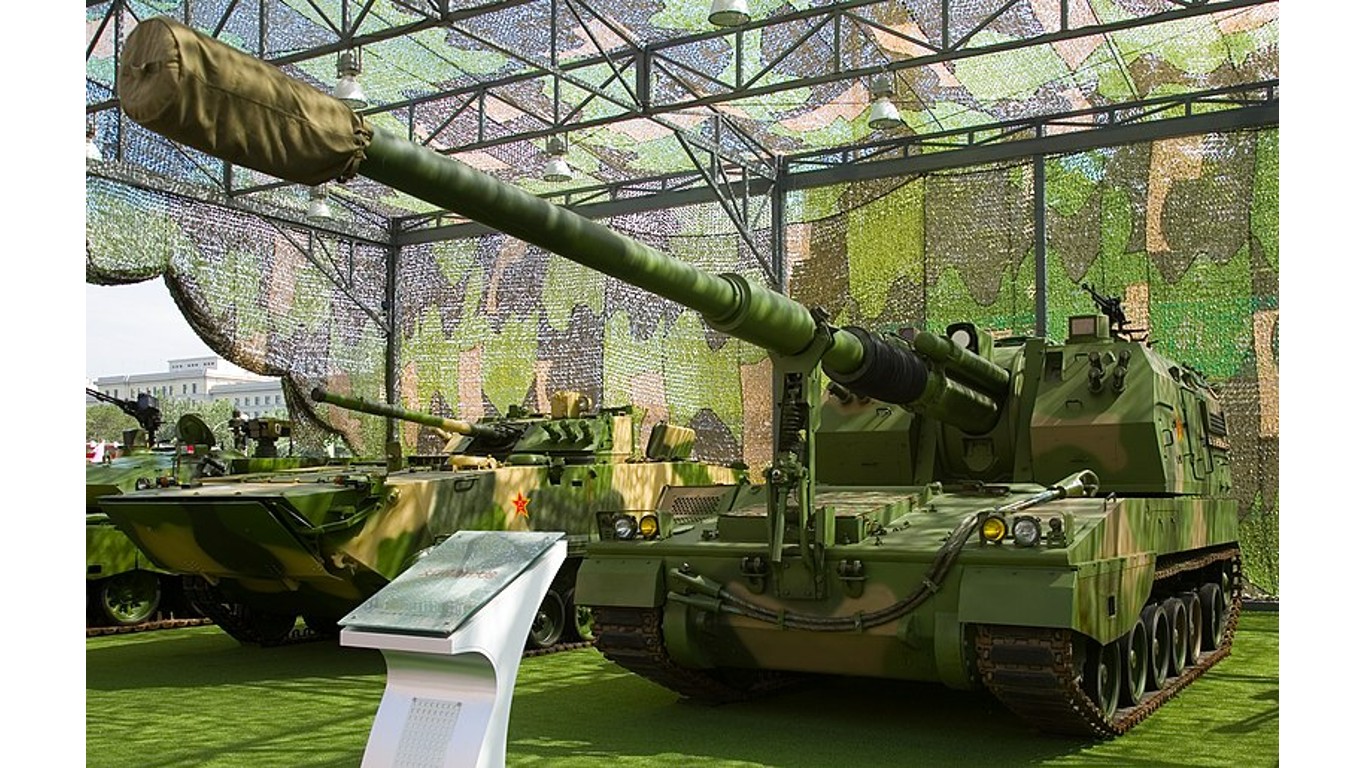
- Country or operator: China
- Manufacturer: NORINCO
- System type: Self‑Propelled Howitzer
- Year introduced to service: 2007
- Caliber or rocket type: 155mm
- Maximum range: 50+ km
- Mobility platform: Tracked vehicle
- Key strength: Chinese long‑range artillery
China’s PLZ-05 is a modern tracked 155mm self-propelled howitzer built to support fast-moving mechanized forces. With long-range ammunition and modern fire-control systems, it can deliver sustained indirect fire while staying mobile enough to avoid counter-battery strikes. In a modern war, the PLZ-05’s value is consistent: reliable tube artillery that can keep pace with armored formations and punish enemy units at distance.
PCL‑181
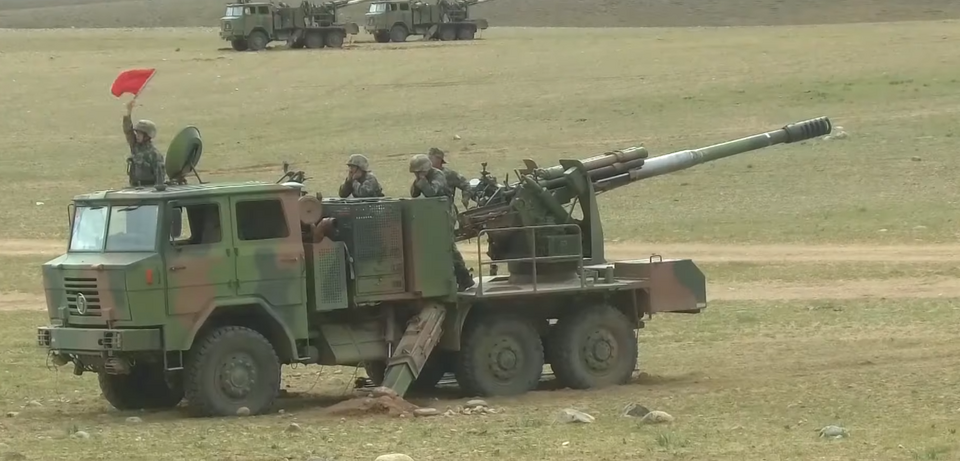
- Country or operator: China
- Manufacturer: NORINCO
- System type: Truck‑Mounted Howitzer
- Year introduced to service: 2019
- Caliber or rocket type: 155mm
- Maximum range: 40+ km
- Mobility platform: 6×6 truck
- Key strength: Highly mobile artillery
The PCL-181 is China’s truck-mounted 155mm howitzer optimized for mobility and rapid deployment. Compared with tracked guns, it can reposition faster over long distances and support dispersed operations—an advantage in drone-scouted battlefields where survivability depends on movement. In a modern war, systems like the PCL-181 give commanders responsive, shoot-and-scoot artillery that can reinforce multiple sectors without heavy logistical burden.
PHL‑03

- Country or operator: China
- Manufacturer: NORINCO
- System type: Rocket Artillery (MLRS)
- Year introduced to service: 2004
- Caliber or rocket type: 300mm rockets
- Maximum range: 130+ km
- Mobility platform: 8×8 truck
- Key strength: Long‑range rocket system
The PHL-03 is China’s heavy 300mm multiple launch rocket system designed for saturation fires over long distances. It can blanket enemy positions, disrupt rear-area logistics, and suppress air-defense and artillery sites before a ground push. In a modern war, the PHL-03 provides the kind of massed rocket fire that can force an opponent to disperse, hide, and slow down—creating openings for maneuver forces.
PHL‑16
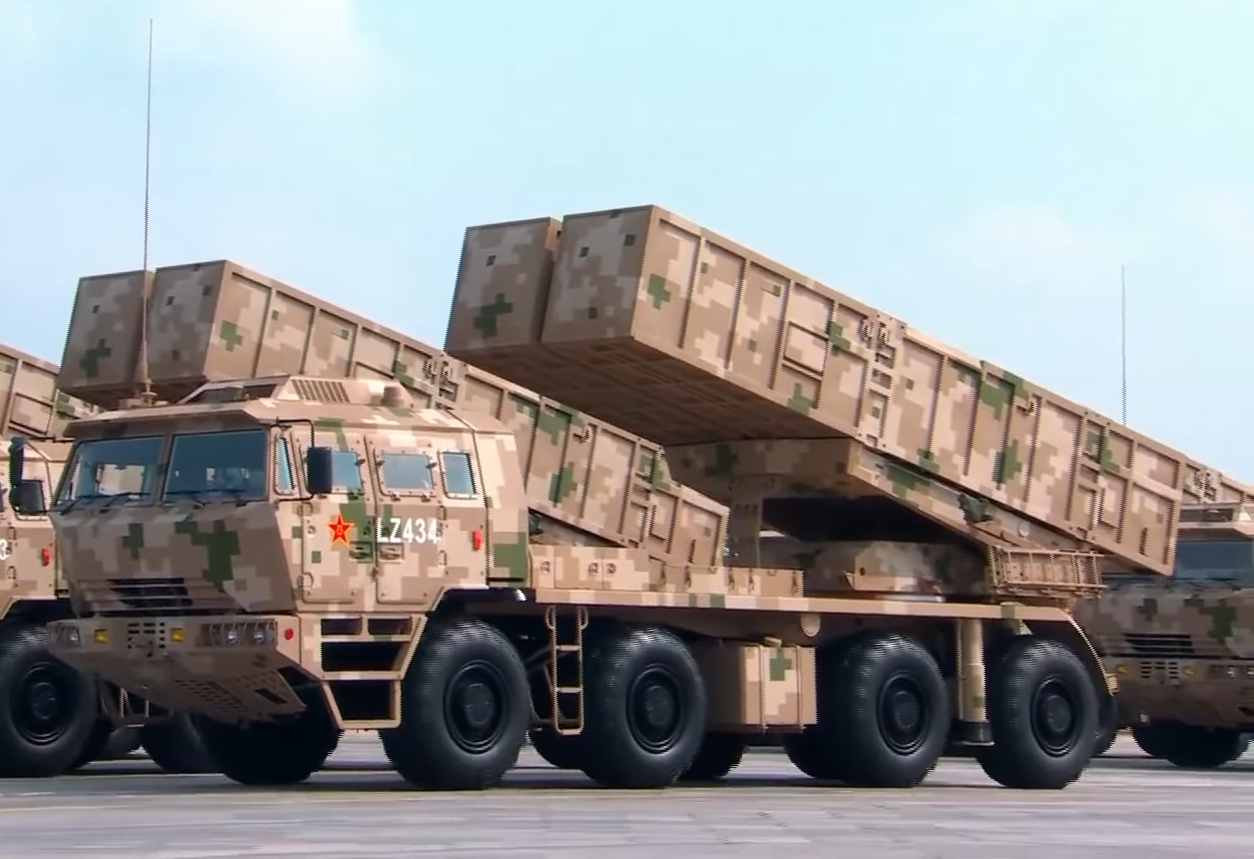
- Country or operator: China
- Manufacturer: NORINCO
- System type: Rocket Artillery (MLRS)
- Year introduced to service: 2019
- Caliber or rocket type: 370mm rockets
- Maximum range: 300+ km
- Mobility platform: 8×8 truck
- Key strength: Extended‑range precision rockets
The PHL-16 represents China’s move toward longer-range, more precise rocket artillery. Able to fire large-caliber rockets and missiles, it extends deep-strike reach against command posts, depots, bridges, and air-defense nodes. In a modern war, that deep fires capability is a strategic lever: it threatens the enemy’s support network, complicates reinforcement, and can degrade the battlefield before ground forces ever close in.
K55A1
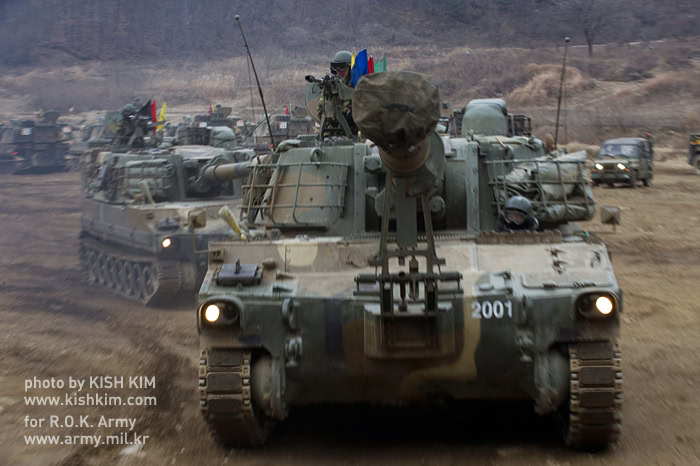
- Country or operator: South Korea
- Manufacturer: Hanwha Defense
- System type: Self‑Propelled Howitzer
- Year introduced to service: 2017
- Caliber or rocket type: 155mm
- Maximum range: 30+ km
- Mobility platform: Tracked vehicle
- Key strength: Modernized artillery fleet
South Korea’s K55A1 is an upgraded version of earlier self‑propelled howitzer systems. Modern electronics and improved fire‑control systems allow it to deliver more accurate artillery fire while maintaining mobility alongside armored units. The system continues to play a key role in supporting ground forces.
Type 99 SPH

- Country or operator: Japan
- Manufacturer: Mitsubishi Heavy Industries
- System type: Self‑Propelled Howitzer
- Year introduced to service: 1999
- Caliber or rocket type: 155mm
- Maximum range: 38+ km
- Mobility platform: Tracked vehicle
- Key strength: Japanese armored artillery
Japan’s Type 99 self‑propelled howitzer provides the Japanese Ground Self‑Defense Force with modern 155mm artillery support. Its tracked design allows it to operate alongside armored vehicles while delivering sustained indirect fire across the battlefield.
Type 19 SPH

- Country or operator: Japan
- Manufacturer: Japan Steel Works
- System type: Truck‑Mounted Howitzer
- Year introduced to service: 2019
- Caliber or rocket type: 155mm
- Maximum range: 40+ km
- Mobility platform: 8×8 truck
- Key strength: Modern mobile artillery
The Type 19 is Japan’s newer wheeled artillery system designed for improved mobility. Mounted on an 8×8 truck, it allows rapid deployment and repositioning. This mobility helps artillery crews avoid counter‑battery fire while maintaining consistent support for ground operations.
Pinaka MLRS
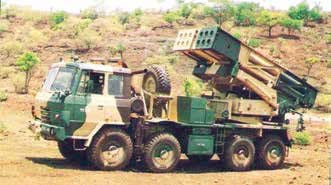
- Country or operator: India
- Manufacturer: DRDO / Tata
- System type: Rocket Artillery (MLRS)
- Year introduced to service: 1999
- Caliber or rocket type: 214mm rockets
- Maximum range: 90+ km
- Mobility platform: 8×8 truck
- Key strength: Indian rocket artillery
India’s Pinaka MLRS provides rapid rocket artillery support for large areas of the battlefield. Capable of firing multiple rockets within seconds, the system can saturate enemy positions and disrupt troop concentrations. Its development represents India’s effort to field modern indigenous artillery.
Lynx MLRS
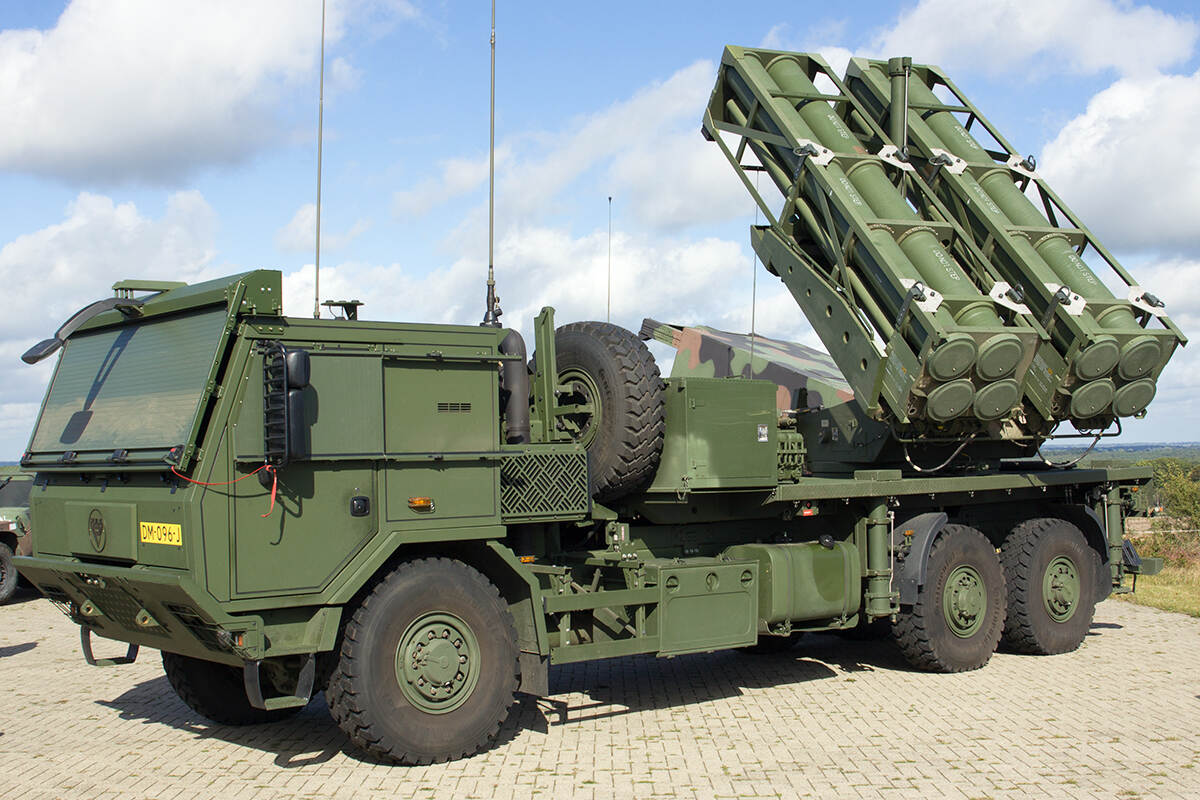
- Country or operator: Israel
- Manufacturer: Elbit Systems
- System type: Rocket Artillery (MLRS)
- Year introduced to service: 2010
- Caliber or rocket type: 122–370mm rockets
- Maximum range: 300+ km
- Mobility platform: 6×6 / 8×8 truck
- Key strength: Modular precision rockets
Israel’s Lynx MLRS is a modular rocket artillery platform capable of launching a wide range of guided rockets and tactical missiles. This flexibility allows operators to choose the appropriate munition for each mission. The system provides both long‑range precision strikes and area bombardment capability.
Astros II
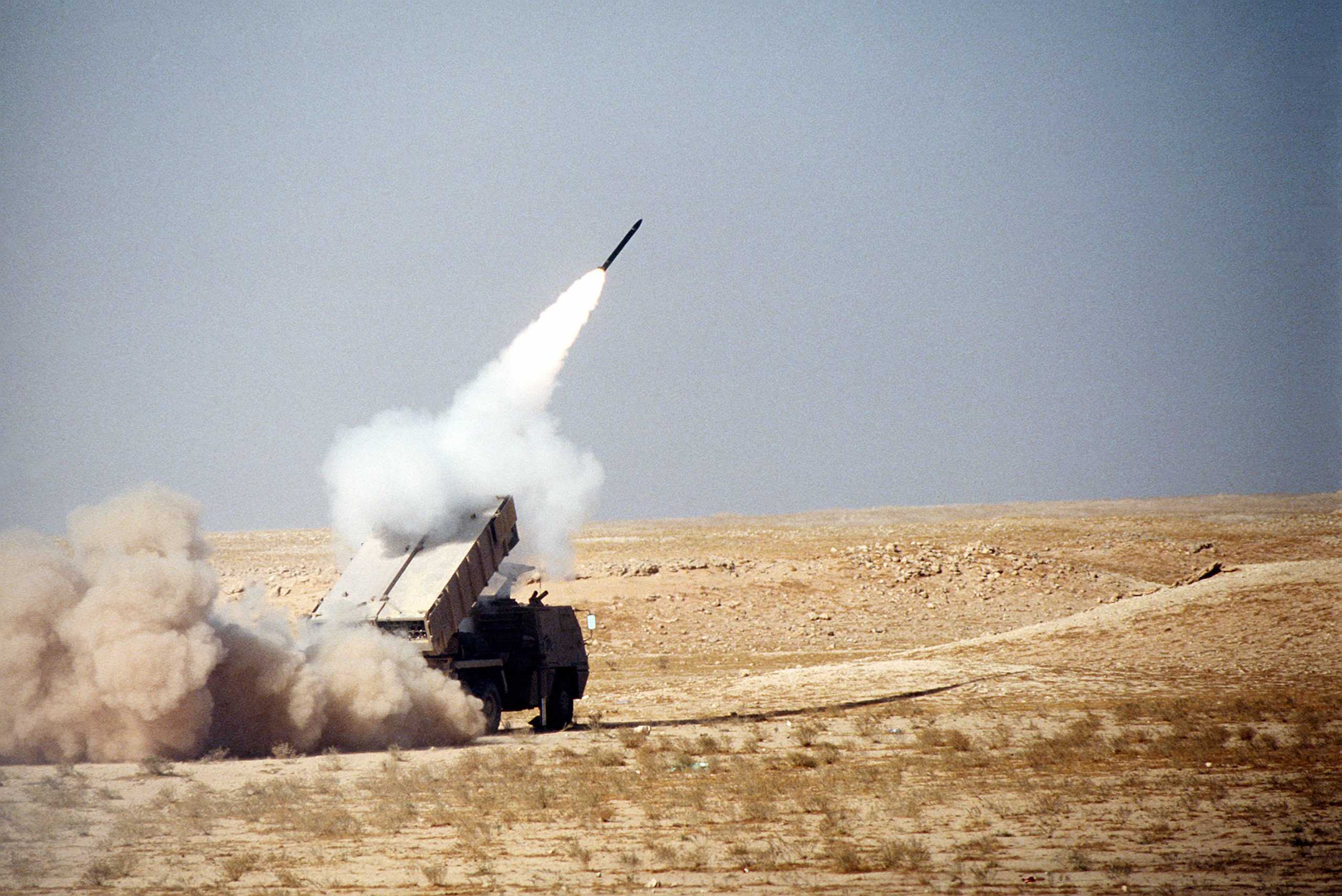
- Country or operator: Brazil
- Manufacturer: Avibras
- System type: Rocket Artillery (MLRS)
- Year introduced to service: 1983
- Caliber or rocket type: 127–300mm rockets
- Maximum range: 300 km
- Mobility platform: 6×6 truck
- Key strength: Heavy rocket artillery
Brazil’s Astros II rocket artillery system has gained global recognition for its versatility and long‑range capability. Designed to fire multiple rocket types from the same launcher, it can deliver both saturation fire and precision strikes. The platform demonstrates how rocket artillery continues to evolve in modern warfare.







 Top Gaining Stocks
 Top Losing Stocks