


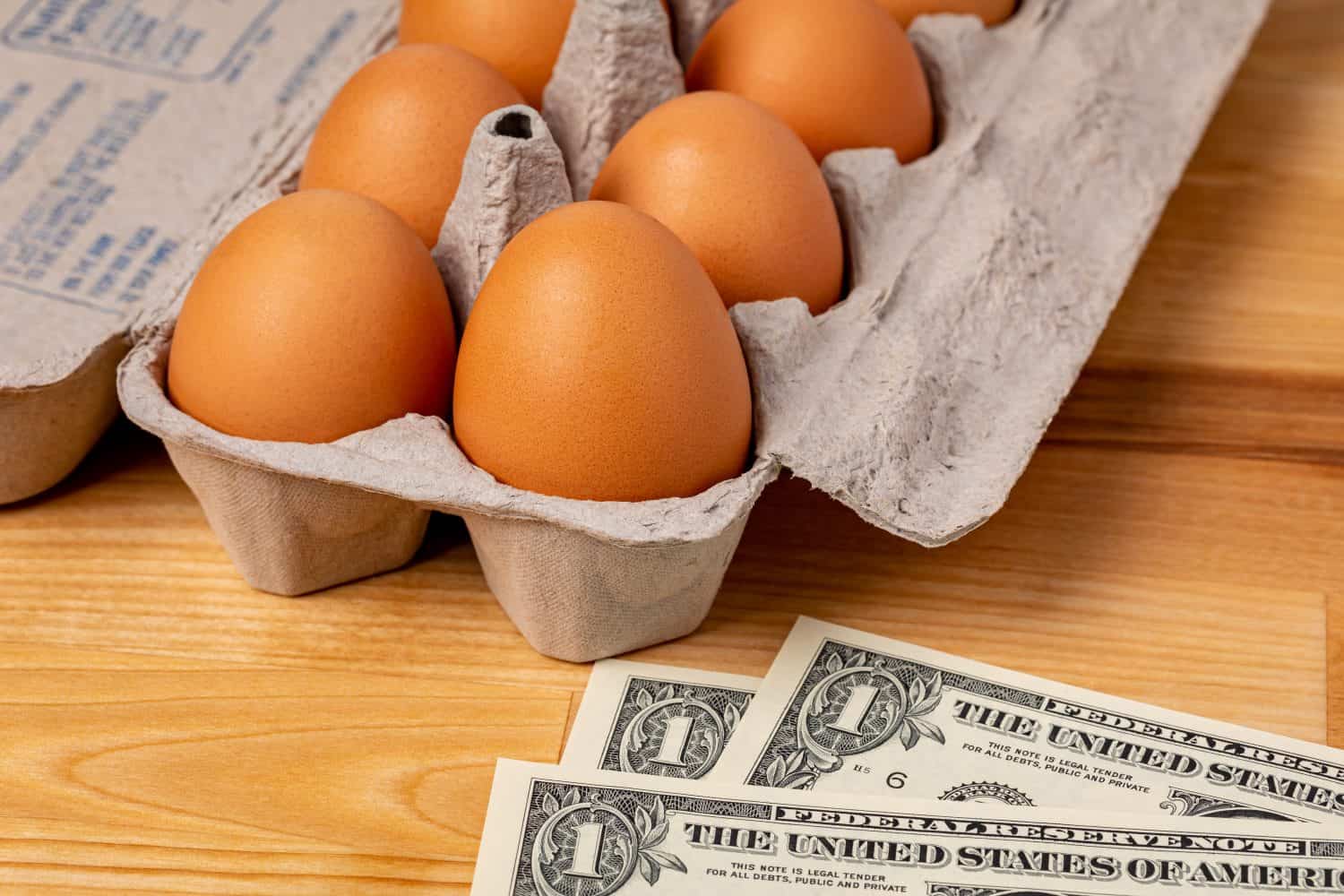
Anytime the price of eggs rises significantly, it raises many eyebrows as to why. Well, this is precisely what’s happening right now, and it’s turning into front-page headlines yet again with the incoming Trump administration committed to lowering prices. There is no question that customers are growing increasingly worried about rising prices during a period of still heavy inflation.
The challenge for President Trump and any leader worldwide is that many factors impact the prices of eggs. If only one such factor was causing egg prices to increase so dramatically, it could be tackled much easier. Instead, there are a variety of reasons that make it increasingly challenging to wave a magic wand and see prices drop quickly.
12. Are Prices Going Up Or Down?
There is confusion about whether egg prices will go up or down.
Presidential promises notwithstanding, the likelihood that egg prices will go down in the near future is slim. By all accounts, the price increase of a dozen grade-A eggs rose from $3.30 in October 2024 to $4.15 in December. So long as Avian Flu remains a concern, there is every reason to suspect that egg prices will remain at record-highs.
11. How to Handle High Egg Prices
People are going to continue purchasing eggs regardless of price.
First and foremost, you can look at substitutes like JUST Egg as alternatives, which are becoming increasingly popular. You can also look at local farmer’s markets or chicken coops, where local producers sell fresh eggs for less. Another potential option is to buy in bulk, hoping to avoid future price increases.
10. Consumer Demand

So long as demand exists, egg producers can raise prices.
Over the past 22 months, there has been a higher demand for egg prices, and manufacturers know this, so they raise prices to maximize profit. As long as demand remains sustainable, there will be pressure on suppliers to maintain higher profit margins, which means prices are unlikely to come down anytime soon.
9. Not All Eggs Are Equal
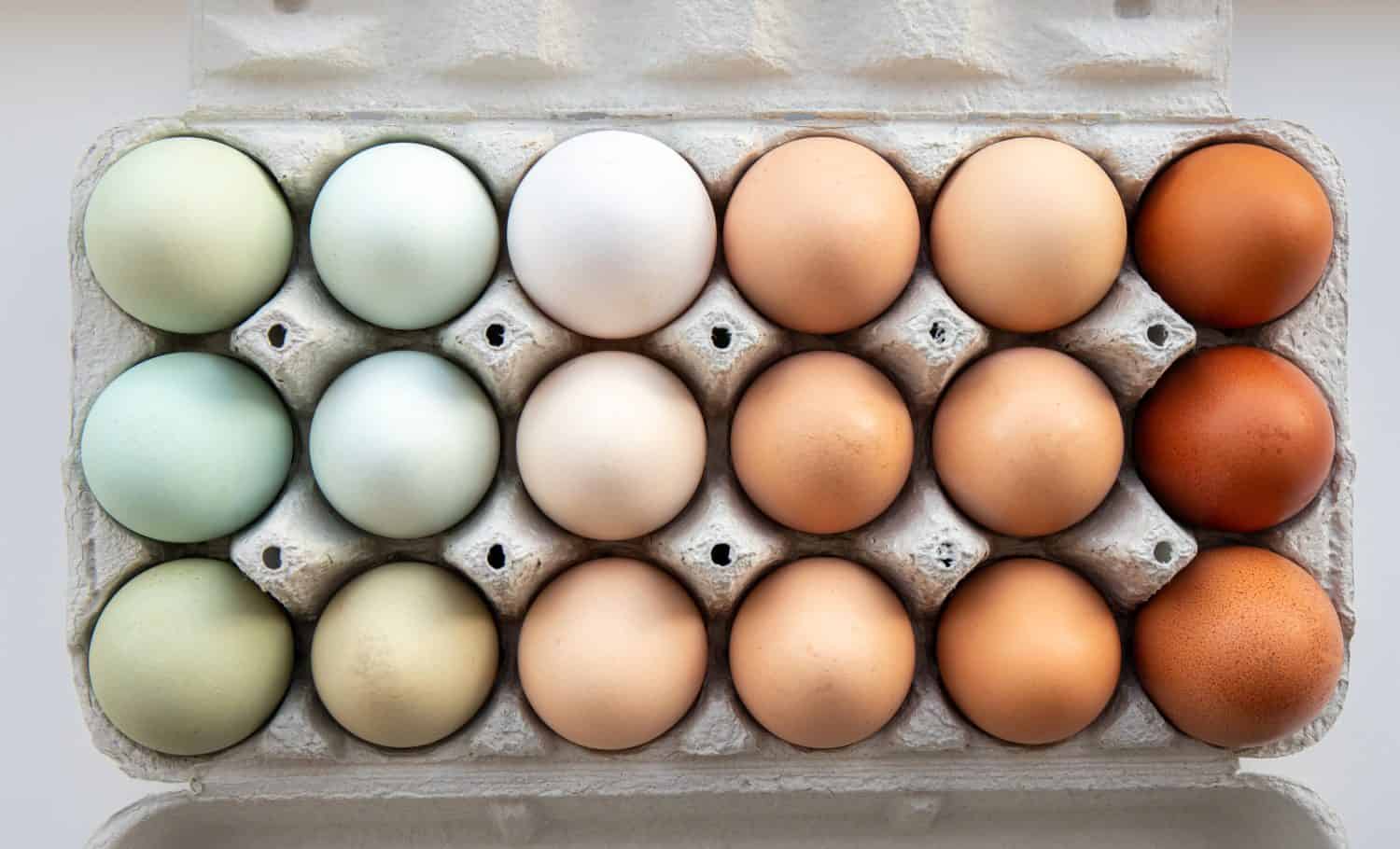
It should go without saying that some egg types will cost more than others.
One of the most common reasons for different egg pricing depending on where you live is that not all eggs are created equal. Production methods and location play a significant role in overall costs. For example, organic eggs are unsurprisingly more expensive when compared to the more conventional eggs you would buy at a regular grocery store. There are also increased costs when you buy eggs that are believed to be laid more ethically than those coming from traditional chicken coops.
8. Supply Chain Factors

Supply chain factors play a significant role in the price of eggs and will continue to do so.
The idea of supply chain effects playing a role in egg pricing isn’t surprising, nor should it be how it ties together with several other factors on this list. However, this is worth mentioning separately since supply chain impacts don’t happen in a vacuum. Instead, it’s a culmination of things like bird flu, inflation, demand, and the idea that more than 81 million birds have been culled since the start of 2024.
7. Environmental Factors

Any environmental impact will affect the price of eggs around the country.
It should go without saying that 2024 was a challenging year for environmental factors, including tornadoes, hurricanes, and wildfires. While these factors don’t typically drive the prices of eggs up on their own, weather events can stress birds and reduce egg production.
6. Cage-Free Eggs
While only a few states require cage-free eggs, it drives the price up in those states.
One factor affecting the US specifically is the idea that some states require eggs sold in their states to be cage-free. This includes California, Nevada, Washington, and Oregon, which means that eggs produced in other states have to be moved to cover the demand in these states, which drives up prices.
5. Inflation
There is a big belief that inflation is the number one reason behind the rising cost of eggs.
Many people want to attribute inflation as one of the most significant driving forces behind egg prices, but it’s just one overall factor. This said, the overall cost increase across all goods and services has not left eggs untouched, as egg producers must raise costs to cover expenses.
4. Seasonal Factors

Seasonal factors play a surprisingly significant role in the price of eggs.
While this isn’t necessarily the reason behind dramatic price fluctuations, it is worth considering that prices for eggs tend to be higher in the fall and winter. This results from increased demand for baking and holiday celebration recipes, where eggs are central to creating specialized family recipes.
3. Rising Input Costs

Global factors like the war in Ukraine are impacting egg prices substantially.
As a result of grain supplies being affected around the world by the war in Ukraine, one of the largest grain-producing nations, the cost of chicken feed has increased. This now means the cost of transportation and packaging for chicken feed has increased, a cost that is being passed down to the consumer.
2. Reduced Hen Population
A decrease in the number of hens that produce eggs has helped increase overall costs.
In November 2024, there were only 311.3 million birds laying eggs, which is a number that is down over 3% from the year before. While this might sound small, the more considerable number is more than 17 million below the five-year egg-laying average. As a result, egg production is smaller, which has driven up prices.
1. Avian Influenza (Bird Flu)

Bird flu is the single biggest reason why egg prices continue to skyrocket.
Arguably, Avian Influenza, better known as bird flu, is the single biggest reason driving up prices, to the tune of more than 37% in 2024 alone. With millions of chickens drying across the country, the nation’s egg-laying population is dramatically smaller, which in turn means a smaller supply of eggs, which leads to more demand and, therefore, higher prices.












 Top Gaining Stocks
 Top Losing Stocks