



Along with President Donald Trump, Elon Musk is probably second, if not tied, for the most famous person on Planet Earth. Among his accomplishments are:
- The richest man in the world.
- CEO of Tesla, Inc. the leading EV company and a Magnificent 7 stock
- Founder and owner of SpaceX
- Owner of X (formerly Twitter)
- Owner of Starling (a SpaceX satellite subsidiary)
- Co-founder of PayPal
- Owner of Optimus (aka Tesla Robot)
- The most prominent promoter of Dogecoin
- Head of US Department of Government Efficiency (DOGE – formerly US Digital Service)
Contrary to many military generals, sports team coaches, and managers who constantly repeat the mantra, “Failure is not an option”, Elon Musk caused some controversy with the following quote, during a SpaceX Q&A session: “Failure is an option here. If things are not failing, you’re not innovating enough.” A deeper look into the context of this statement and how it can apply for people in other life areas should deliver some helpful takeaway tips.
Learn By Failing
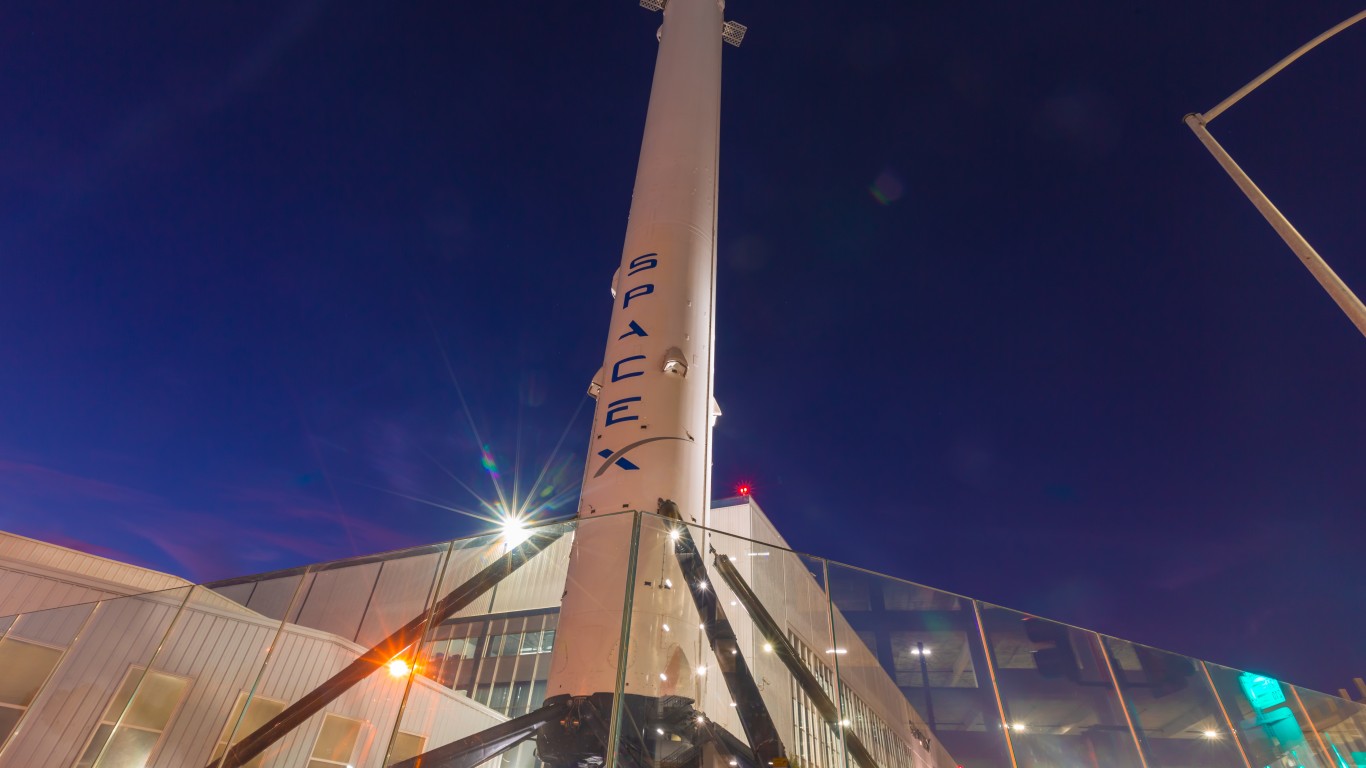
The failure of the first 3 Falcon 1 rocket launches almost bankrupted Elon Musk, but he relentlessly persevered to SpaceX’s ultimate success.
Elon Musk’s varied accomplishments are not an accident. Much like Apple founder Steve Jobs, and even Thomas Edison, Elon Musk has become notorious throughout his career as a CEO who routinely makes unreasonable demands on his teams, especially when trying to create something that has never previously existed. Steve Jobs’ colleagues and employees referred to it as the “reality distortion field”. Jobs and Musk have both demanded their teams operate under impossible deadlines, curtailed testing protocols, and other risky, and often counterintuitive procedures, all in the pursuit of attaining new technological breakthroughs.
Tom Mueller, one of the primary designers for the SpaceX Merlin rocket and other rocket iterations, recalled in the biography, Elon Musk (2023) by Walter Isaacson, that although the practice demoralized people, they ended up accomplishing things that other companies could not, beating all of their peers, despite failing to meet Elon’s deadlines and cost targets.
During the development of SpaceX’s proprietary rocket and engine designs, the process was described as: Move fast, blow things up, repeat. The overriding lesson from this iterative approach was not to focus on avoiding problems, but figuring out faster ways to identify, solve, and fix problems that would invariably crop up.
A good example of how Elon Musk not only talked, but walked the walk of this philosophy was after the third SpaceX Falcon 1 launch failure. Although the previous two launches had failed, Musk decided to go all in on the third, even going so far as to have Falcon 1 carry three satellites on it, despite rapidly running out of money. A miscalculation between sea level and space conditions on the combustibility of residual fuel burn wound up sending Falcon 1 crashing back to Earth.
Undeterred by this latest failure and now officially out of money for the project, Musk remained undaunted, showing grit and single-minded leadership by proceeding to build a fourth Falcon 1 with remaining parts. Despite nearly going bankrupt and being forced to rely on loans from friends to make Tesla’s payroll in the interim, Falcon 1’s fourth launch worked, and put SpaceX and Tesla back on the upswing.
Takeaway Principles For Personal Use
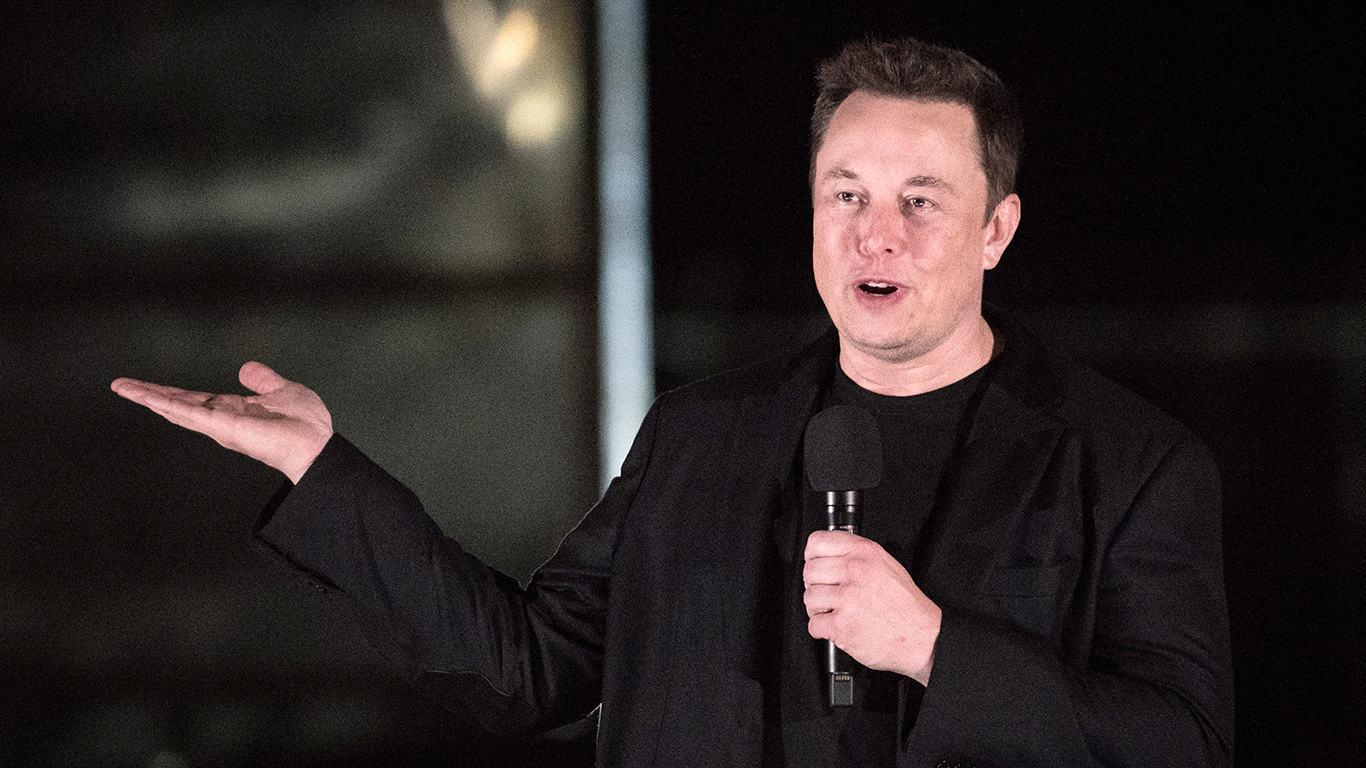
Elon Musk’s approach towards treating failure as a series of incidental lessons on the road to success is one that many can apply to a variety of life issues, including finances.
Most people might not wish to emulate the high-stakes circumstances under which Elon Musk demonstrated his “failure is an option” example with SpaceX. Nevertheless, the underlying mindset lessons are ones that can be modeled to apply to a range of personal situations, such as financial ones. These can include:
- One can’t allow fear of failure to prevent trying from the start. Once the target is identified, one can plan for contingencies, but the decision to start is where the journey commences.
- Do not get spooked by interim investing losses into quitting altogether. One needs to stay in the game to win it.
- If a miscalculation or an oversight caused a problem, identifying it and fixing it ASAP is the key to keeping on the progress track,
- The process in itself will be a learning experience that will yield valuable lessons for one’s future success to the next level.
Additionally, Musk’s ancillary advice along these same lines includes:
- Accept failure and practice for it
- Seek criticism
- Challenge existing beliefs
- Narrow focus
- Create a back-up plan.
Elon Musk is also known to have said: “Some people don’t like change, but you need to embrace change if the alternative is disaster“. If a meager retirement fund or shattered dreams through fear of taking action is the future of one’s status quo and qualify as disasters, then Elon Musk’s example and gestalt may have resonance to spur one into taking their own first steps.










 Top Gaining Stocks
 Top Losing Stocks