


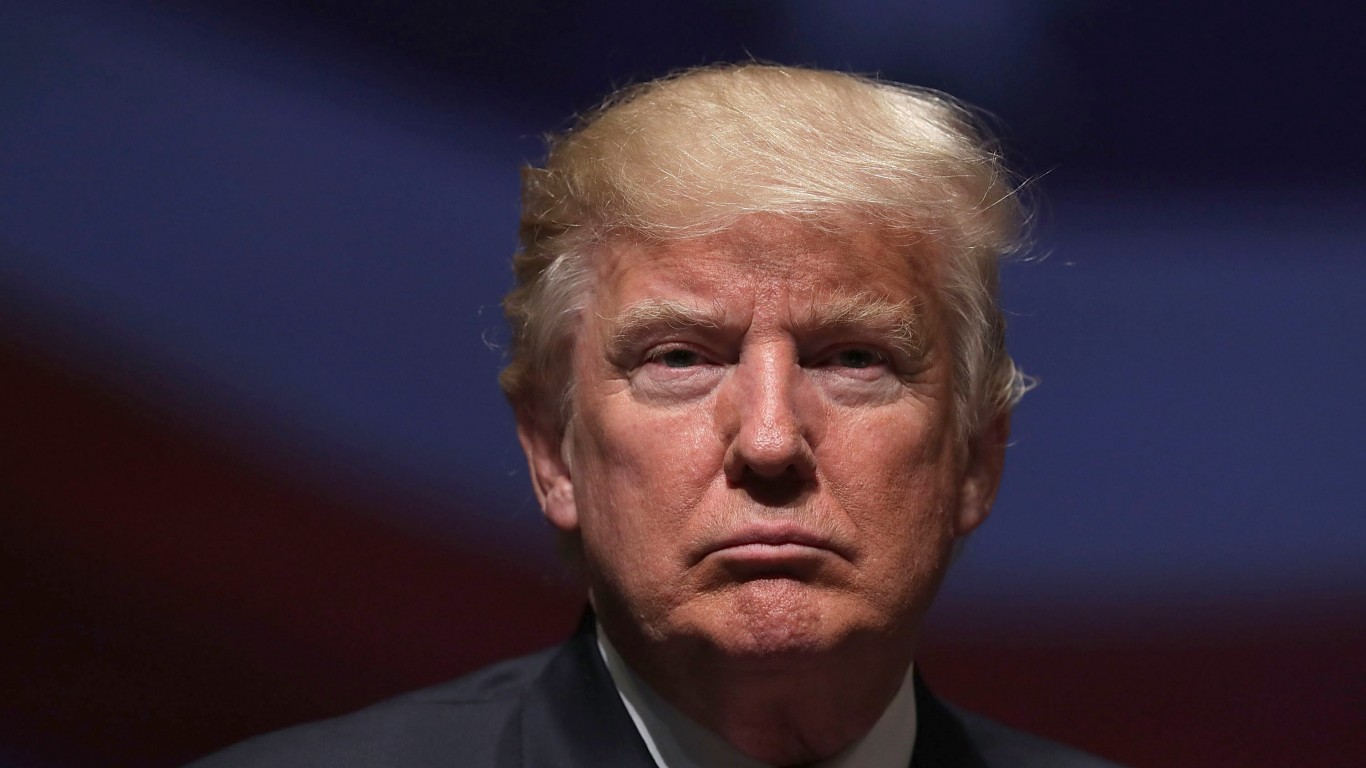
It’s official: Donald Trump’s complex tax bill has been passed, just barely, through the House of Representatives. What Trump calls his “One big, beautiful bill” made it through with a 215 to 214 vote. The main points of the tax bill include heavy tax cuts for the wealthy, a larger budget for military spending (including border enforcement), and cuts to Medicaid. Additionally, a tax incentive for gun silencers is buried within the bill, which many find disturbing. Individuals who will benefit from the bill include service industry staff who will no longer be taxed on tips. Parents will also benefit through the expansion of the child-tax credit. One major downside is that the new legislation is estimated to increase the national debt by $4 trillion over the next 10-year period.
President Donald J. Trump’s 2024 electoral campaign was buoyed by the hope that his leadership would return the economic prosperity of his previous term, which had been decimated by Bidenomics and rampant Congressional spending, fueling inflation to the worst levels in 40 years. Central to President Trump’s strong economic performance from 2016-2020 was the 2017 Tax Cuts and Jobs Act, which reduced corporate taxes from 35% to 21%. TCHA resulted in unprecedented business growth, new entrepreneurism, historically low unemployment among all ethnic groups, and consumer confidence soaring to an 18-year high.
This post was updated on May 23, 2025 to include news of the House of Representatives passing Trump’s tax bill.
Arguments Against Tax Cuts
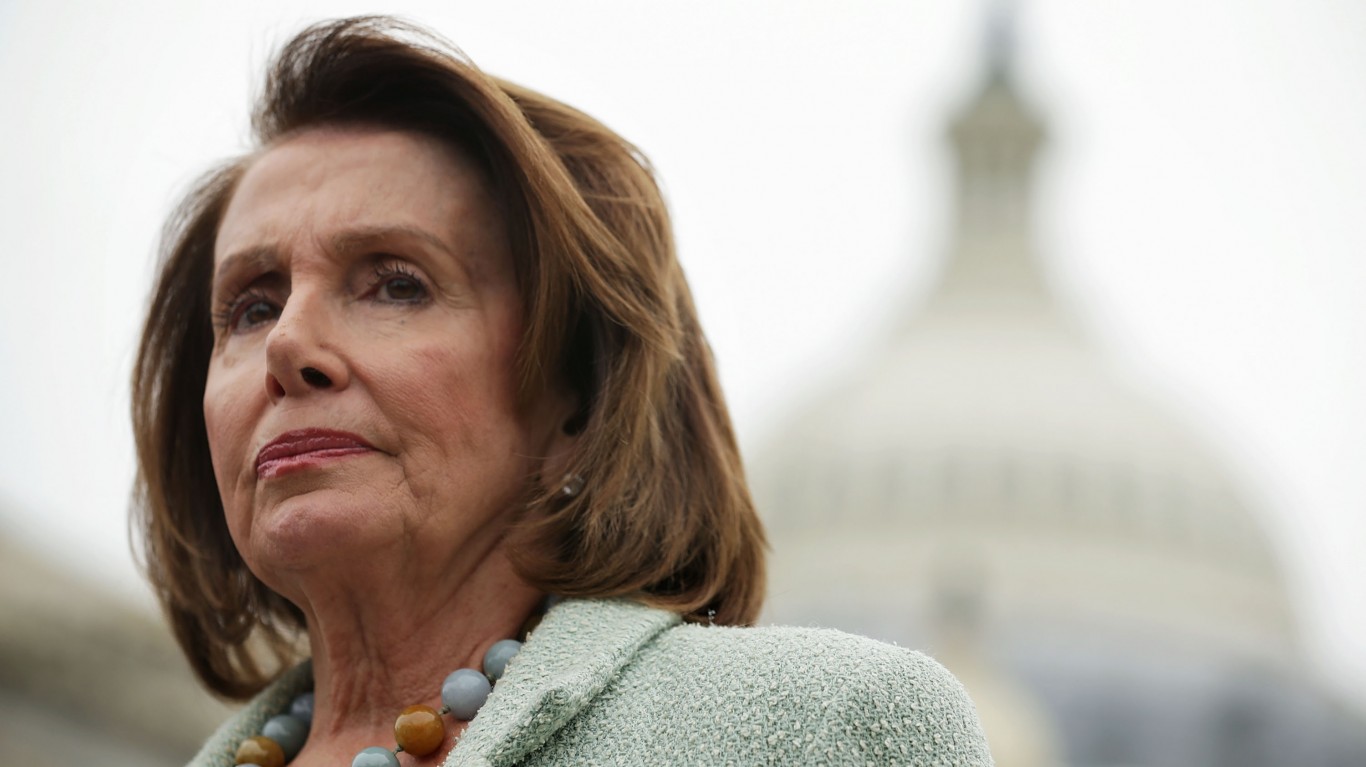
Senator Nancy Pelosi (D-CA) is one of the main opponents to tax cuts and reduced spending that take away power from Democrats’ pet projects.
Not surprisingly, the entirety of elected Democrats, as well as left-leaning Republicans, have been the loudest voices against cutting taxes. Democrat leaders like Senators Chuck Schumer (D-NY), Nancy Pelosi (D-CA), and Elizabeth Warren (D-MA) have been among the critics.
The Congressional Budget Office’s analysis projects that a TCJA extension would create increased deficits based on reduced tax revenues from present levels. It forecasts a $4.6 trillion shortfall over 10 years, accounting for interest on outstanding federal debt. The Tax Policy Center projected that economic growth would offset only 6% of the shortfall.
One crucial point is that neither the CBO or TPC prognostications take into account any significant spending cuts nor how tariffs will accelerate cutting deficits, as well as other key policy ramifications already in effect in the Trump Administration:
- How tariffs are creating fresh US investment, new businesses, and more crucial private sector jobs.
- The impact of lower tax rates and the elimination of onerous Biden-imposed regulatory burdens are jump-starting new manufacturing and other major business creation.
- How ending potential trillions in fraudulent, misappropriated, and likely criminal spending waste from USAID and numerous other federal agencies uncovered by DOGE will accelerate the goal towards eliminating the trillions in federal debt overhang via drastically reduced spending.
Trump Fiscal Policy Results In The First 60+ Days
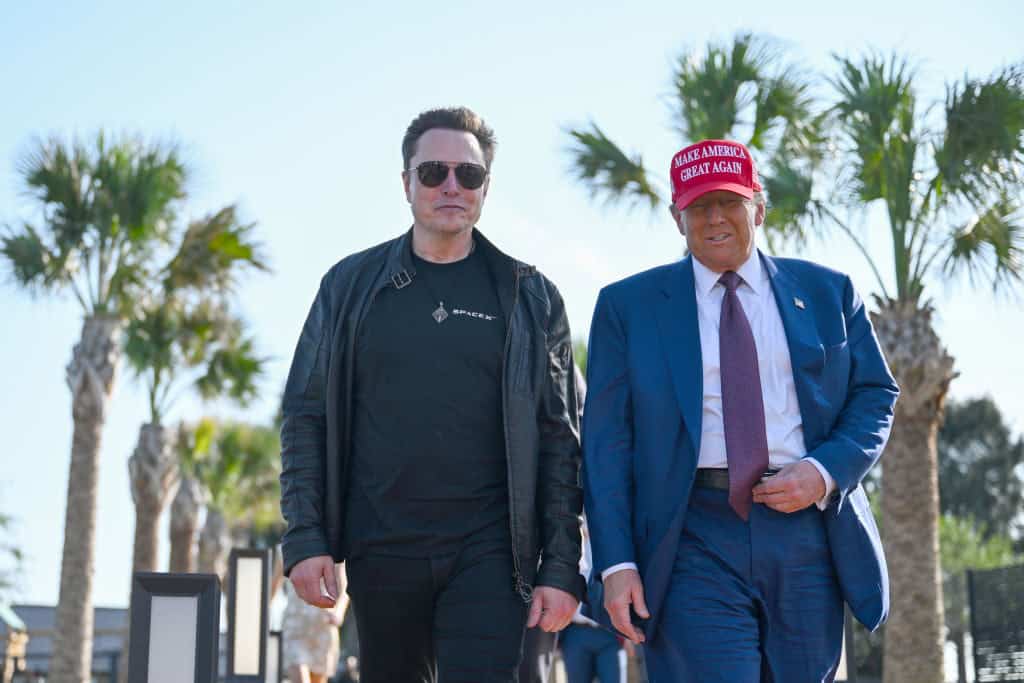
Cutting the trillions of wasteful and criminal spending of taxpayer dollars uncovered by Elon Musk and DOGE could accelerate President Trump’s plans to fix the US economy and restore manufacturing and other critical businesses.
Since taking office in January, the threat of Trump’s tariffs has already created a seismic shift in the corporate business environment. For example:
- In response to prospective 25% tariffs on products made in Taiwan, Taiwan Semiconductor, the maker of all of the GPUs from Nvidia and AMD required to run Artificial Intelligence, announced a $100 billion investment into new factories to be located in AZ for making GPUs and other semiconductor products expressly for the US market.
- SoftBank Group Corp. from Japan pledged to invest $50 billion in the US to create 50,000 new jobs.
- Apple announced it invested $500 billion for AI servers to be built in Michigan and Texas, creating 20,000 new jobs.
- Oracle, ChatGPT, and OpenAI announced its Stargate JV would invest up to $500 billion for AI infrastructure construction, creating hundreds of thousands of new jobs in various states, commencing with Texas.
- The revival of US-manufactured steel and copper is already underway, thanks to US tariffs to prevent dumping from China and other nations into the US market.
Additionally, Elon Musk’s DOGE has been uncovering misappropriated taxpayer funds, payments to nonexistent recipients, and useless pork projects ostensibly designed to serve as political kickbacks and bribes to overseas entities, all of which are in the process of being cut. The anticipated spending cuts, something not factored into the CBO calculations, could drastically accelerate the rate of reducing the federal debt. A recent CBS poll found that 77% of the American public supports the work of DOGE.
Lastly, a consumption tax, proposed as a 14-17% tax on all new goods except for food and medicine, would be a tax that visibly and unequivocally hits the wealthiest the hardest, thus debunking any accusations about unfairness. With no loopholes, a flat consumption tax is based on the value of the purchased item. Since expensive goods that are only affordable for the wealthy have a higher price tag, the commensurate tax revenues from those items will generate more tax revenues.
President Trump was given a mandate by the electorate. While he has already enacted some of his plans to good effect, his tax and regulatory cutting proposals will still require much combating with Democrats, the predominant recipients of high taxes and big government spending. Over the next 4 years, the results of these battles will determine the extent of the initiatives’ full financial benefits.








 Top Gaining Stocks
 Top Losing Stocks