



The 4% withdrawal rule is a common practice among retirees. The idea is that you withdraw 4% of your portfolio each year and live on the withdrawal. However, the 4% rule also assumes that prices stay the same. Furthermore, it makes the assumption that your portfolio doesn’t go through downturns.
A Redditor brought up these points in the Chubby FIRE subreddit. The Redditor provided several examples of how the 4% withdrawal amount can change based on fluctuations in the stock market. Other Redditors jumped in the comments to discuss how they approach the 4% withdrawal rule.
Add Inflation To The 4% Withdrawal Rule
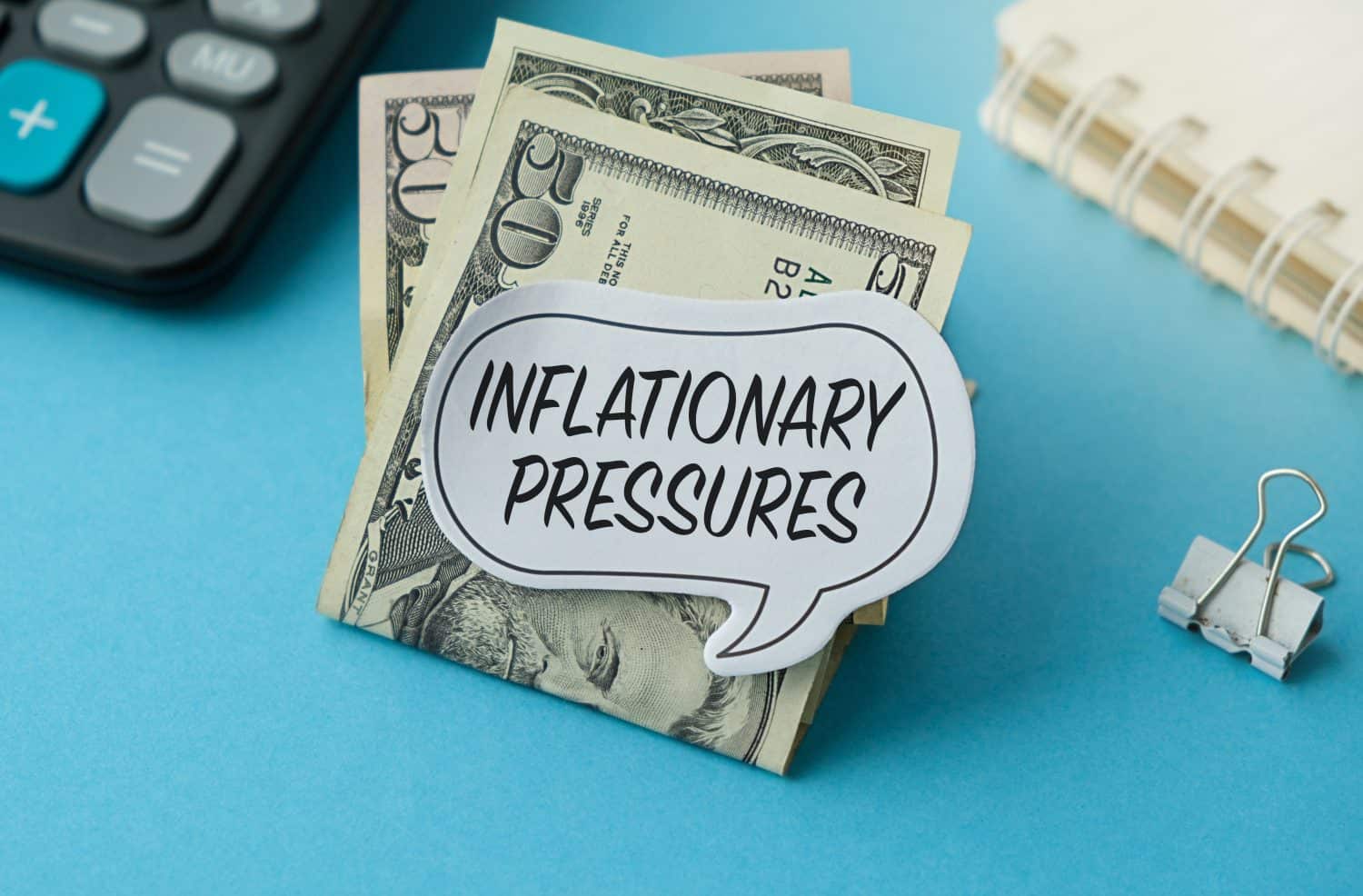
Products and services tend to get more expensive over time due to inflation. As the government continues to print money, the dollars in circulation lose purchasing power. One commenter believes it’s important to include inflation in your withdrawal rate.
For instance, if you start with a 4% withdrawal rate and inflation goes up by 1%, then you would withdraw 5% from your portfolio next year. This approach can run into some problems if we experience scorching inflation like we did in 2022 or if the stock market goes down.
Retirement Timeframes Play A Role

Each person has different financial goals, portfolio allocations, and other nuances that will impact their retirement. One detail to consider with the 4% withdrawal rule is when you want to retire. Some people in the Chubby FIRE community want to retire before they turn 50. This goal means their money has to stretch a lot longer than someone who prefers to retire at the traditional age.
Prolonging retirement also allows you to cash out on higher Social Security payouts. If you receive more money from Social Security, you may be able to get away with a lower withdrawal rate.
The Monthly Expenses May Change

One commenter brought up how quickly the monthly expenses can change. You may have to withdraw more than 4% during the first 1-2 years for big projects like a home remodel before being able to get away with a lower withdrawal rate for several years. However, you can end up withdrawing much more than 4% in your later years if you or a loved one needs to be at a nursing home or ends up with expensive medical bills.
It’s good to monitor how your expenses are changing right now and how they will change when you retire. Aspiring retirees may want to wait for their children to cross major milestones like college before retiring to pad their finances.
The 4% Withdrawal Rule Isn’t A Dogma

While the 4% withdrawal rule is a good rule of thumb, you can change it over time. Some retirees may get away with withdrawing less than 4% of their portfolios. A lower withdrawal rate allows them to get more mileage out of their money. However, they can also opt for a higher withdrawal rate if inflation goes up.
Individuals who retire early and embrace Chubby FIRE always have the option of returning to the workforce if needed. Knowing that you have this option or can just opt for a sabbatical year instead of an all-out retirement can make some people more comfortable with the transition.














 Top Gaining Stocks
 Top Losing Stocks