



Dave Ramsey is an amusing guy to listen to, and I tend to agree more often than not with his takes on various calls. That said, some of his views stand against conventional wisdom. Whether we’re talking about the “snowball method” of debt repayment (that entails paying the smaller ones first for those small “wins” rather than axing the highest-interest debt first), adopting a more aggressive withdrawal rate in retirement (he’s fine with the 8% rule, which is double that of the more popular “4% rule” pushed by most financial advisors), or steering (mostly) clear of credit cards, his advice isn’t going to be everyone’s cup of tea.
In any case, getting another opinion on a personal finance matter, especially from Ramsey’s vantage point, is not a bad thing. And running some of his ideas by a financial advisor could make a lot of sense.
Dave Ramsey isn’t the world’s biggest fan of credit cards
It should be no surprise that Ramsey isn’t a big advocate for credit card usage. Heck, on the cover of his book, The Total Money Makeover, is him cutting up a credit card. While I understand where Ramsey is coming from, given that the credit card industry has profited profoundly from its users, I do think the upside of having (and using) a credit card is worth consideration, provided you’re not subject to its downsides (high interest) as well.
That said, if a credit card is going to cause you to spend more than you make and run the risk of paying interest on outstanding balances, I’m with Ramsey in that you probably should opt for more of a cash- or debit-card type of lifestyle, given the cons of credit card usage stand to balance or even heavily outweigh the pros.
While Ramsey isn’t all that fond of credit cards, I do think it’s a mistake to cut up all your cards with the intention of using cash and debit cards from now on, especially if you’ve good financial hygiene (which means paying off credit card debts promptly and staying within the budget).
Responsible usage comes with a higher credit score and other perks.
If you’re a responsible user and have never made a late payment in your life, I think there’s little sense in adopting a debit-card-focused kind of lifestyle. Arguably, I think it’d make more sense for such folks to let the dust develop on their debit cards. Additionally, other underrated perks, such as fraud and consumer protections, credit score-boosting benefits, and, in some instances, exclusive airport lounge access, add significant value for creditcard holders.
Indeed, there’s an entire subreddit of credit card churners, hackers, and optimizers who share advice on how to take advantage of the perks to pay off the occasional trip. For those who spend a huge sum on groceries and other goods every month, some hundreds of dollars worth of points (or cash back) could be forgone by paying with cash over credit. Assuming you pay off balances in full ahead of time, you’re getting 1-5% cash back on purchases. As such, it only makes sense to stick with the payment option that saves you the most. Amid inflation, every percentage point you get back counts.
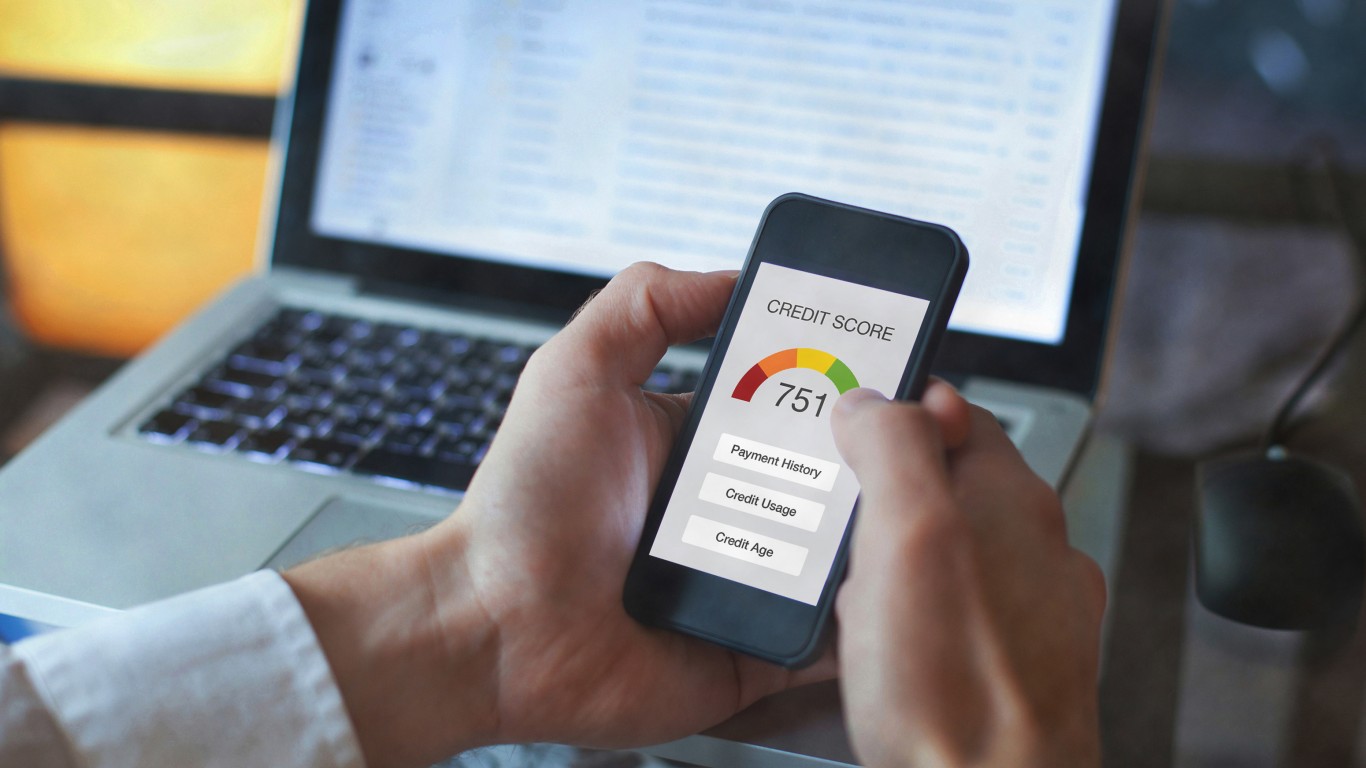
Beyond the single-digit percentage you’ll get back in cash or points, your credit score is also incredibly important if you’re a renter or you’re trying to land a certain job (let’s say in finance). Sure, a credit score isn’t the most important thing in the world (there’s not much, if any, practical difference between a stellar score and a great one or even a somewhat decent one). And there’s really no point in striving to achieve perfection. But if you have poor or no credit, finding an apartment to rent could be a heck of a lot more challenging. The best way to fix bad credit is to dust off the credit card, use it, and pay it off on time so that no interest accumulates.









 Top Gaining Stocks
 Top Losing Stocks