


Roughly 4.18 million Americans will turn 65 in 2025, marking a peak year for the boomer retirement wave. This high annual number equates to 11,400 a day hitting their mid 60s on average.
The average baby boomer says they only need about $990,000 to retire comfortably, according to a 2025 Planning and Progress Study by Northwestern Mutual.
This post was updated on November 1, 2025 to include the most up-to-date numbers and statistics on boomers.

Key Points About This Article
- The average baby boomer says they only need about $990,000 to retire comfortably.
- There’s still time to add to your nest egg to ensure the best retirement possible.
- Also: Take this quiz to see if you’re on track to retire (Sponsored)
Unfortunately, there’s also a massive gap between what has been saved and what generations think they’ll need. For example, according to the study, the average person has saved $88,400 (not a typo), which is a $1.37-million difference from where the average person wants to be.
The ‘magic number’ many Americans believe they need to retire comfortably has dropped from about $1.46 million in 2024 to $1.26 million in 2025, according to a study by Northwestern Mutual. It notes, however, that despite the lower figure, many people still fall far short of that amount. For example, among baby-boomers only about 44% believe they’ll be financially prepared for retirement and 40% worry they may outlive their savings. Factors such as rising costs of living, healthcare concerns, and doubts about Social Security and Medicare add to retirees’ uncertainty.
Fortunately, there’s still time to add to your nest egg.
If you want to retire, save, budget, maximize retirement plans (especially with employer matches).
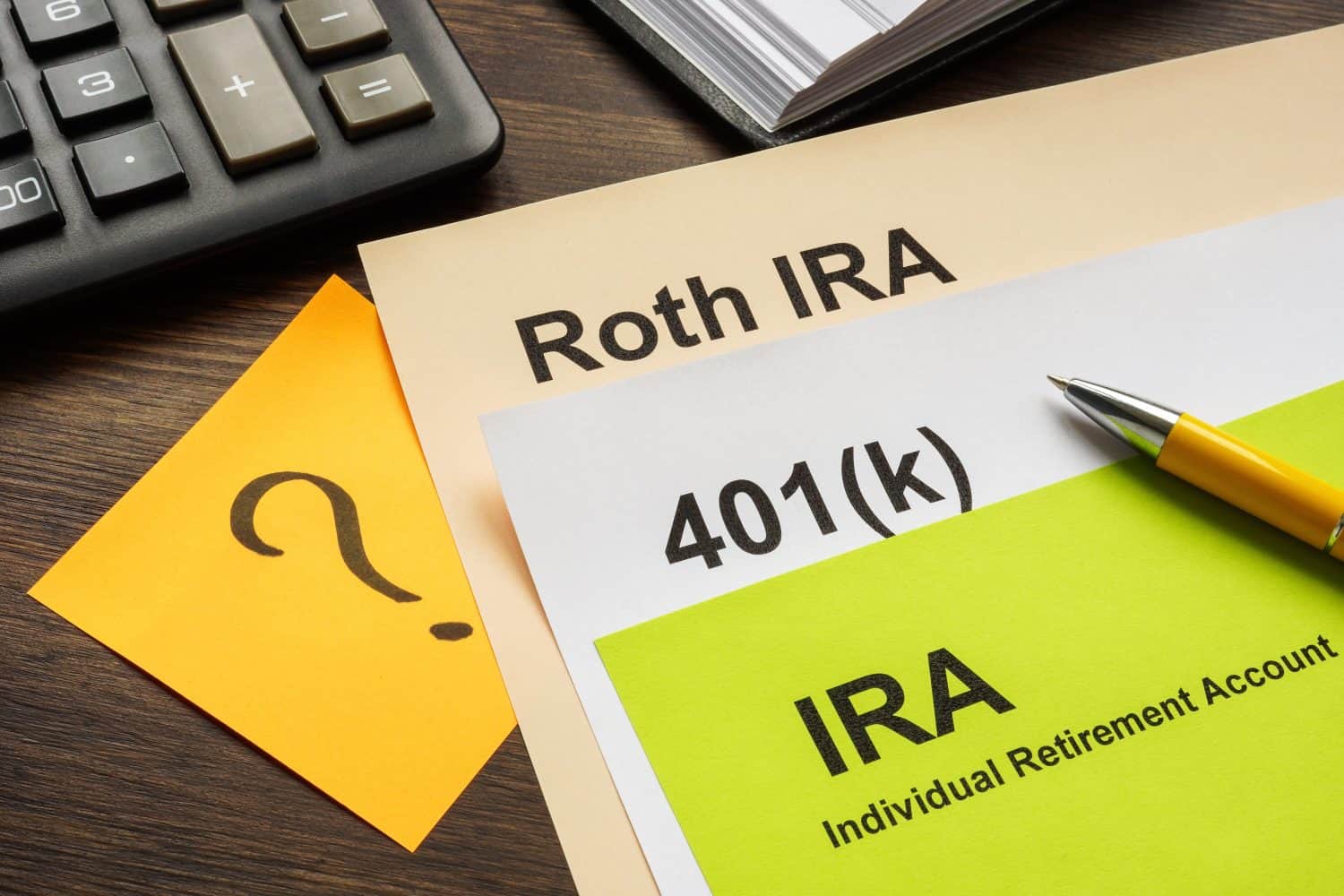
There are several things you can do now to catch up. For one, you can maximize your 401(k), and if you don’t have one set up, or you work for yourself, talk to your company’s financial administrator or your advisor. If you do work for yourself, you can always set up a Solo 401(k).
First, if you have an employer that will match your 401(k), maximize your contributions up to the amount your employer will match. If your employer will match up to 6% of your salary, maximize that. So, if you earn $75,000 a year, and you contribute 1%, that’s $750 for retirement. If your employer matches that, you have $1,500 for retirement per year. If you contribute 6% and your employer matches that, that’s about $6,750 in retirement per year.
Second, you can invest in a traditional IRA, for example. While it’s best to check with your financial advisor, many times you can deduct contributions on your tax return.
Also, what does your ideal retirement look like? Develop a clear idea of why you want to retire.
Plus, you need to consider how much you need to spend every year on rent or mortgage, healthcare and long-term costs, groceries, medication, transportation costs, or even pet expenses. Plus, do you expect to travel a lot, and how much do you foresee spending? Maybe you have plans to help your children, and even their children with things such as college tuition.
In short, if you fail to plan, retirement could become much farther off.












 Top Gaining Stocks
 Top Losing Stocks