



24/7 Wall St. Key Points:
- Changing retirement plans is very common, but it’s important to understand exactly how changes will affect your goals.
- Focus on maintaining flexibility, as you never know when your plans will change again.
- Also: Take this quiz to see if you’re on track to retire (Sponsored)
I recently came across a Reddit post from a soon-to-be retiree approaching his 60th birthday. His 401(k) balance was nearing $800,000, but the milestone made him step back and reevaluate his retirement goals and long-term strategy.
This is a perfect example of how retirement planning isn’t static. Goals shift, priorities evolve, and financial realities change. That’s completely normal. What matters is adjusting your strategy intentionally rather than reacting without a plan.
Using this Reddit post as a starting point, let’s break down how retirement expectations can shift over time and what steps you can take to realign your financial plan when they do.
Adjusting Your Retirement Age
The Reddit poster had originally planned to retire at 70, but he is now considering moving that date up to 67. For many people who want to travel or stay active in early retirement, that shift makes a lot of sense. In fact, it is one reason retiring at 70 is not always the ideal strategy.
Retiring too early can create problems, including potential penalties for tapping retirement accounts before they qualify for penalty-free withdrawals. In this case, the poster is still targeting full retirement age, so early withdrawal penalties are not a concern.
What this change does highlight is the need to reassess your retirement timeline carefully. Moving your date up by several years means the same pool of savings needs to support more years of living expenses. That requires a strategic review to ensure your assets can stretch far enough and your long-term plan stays on track.
Roth IRA vs. 401K
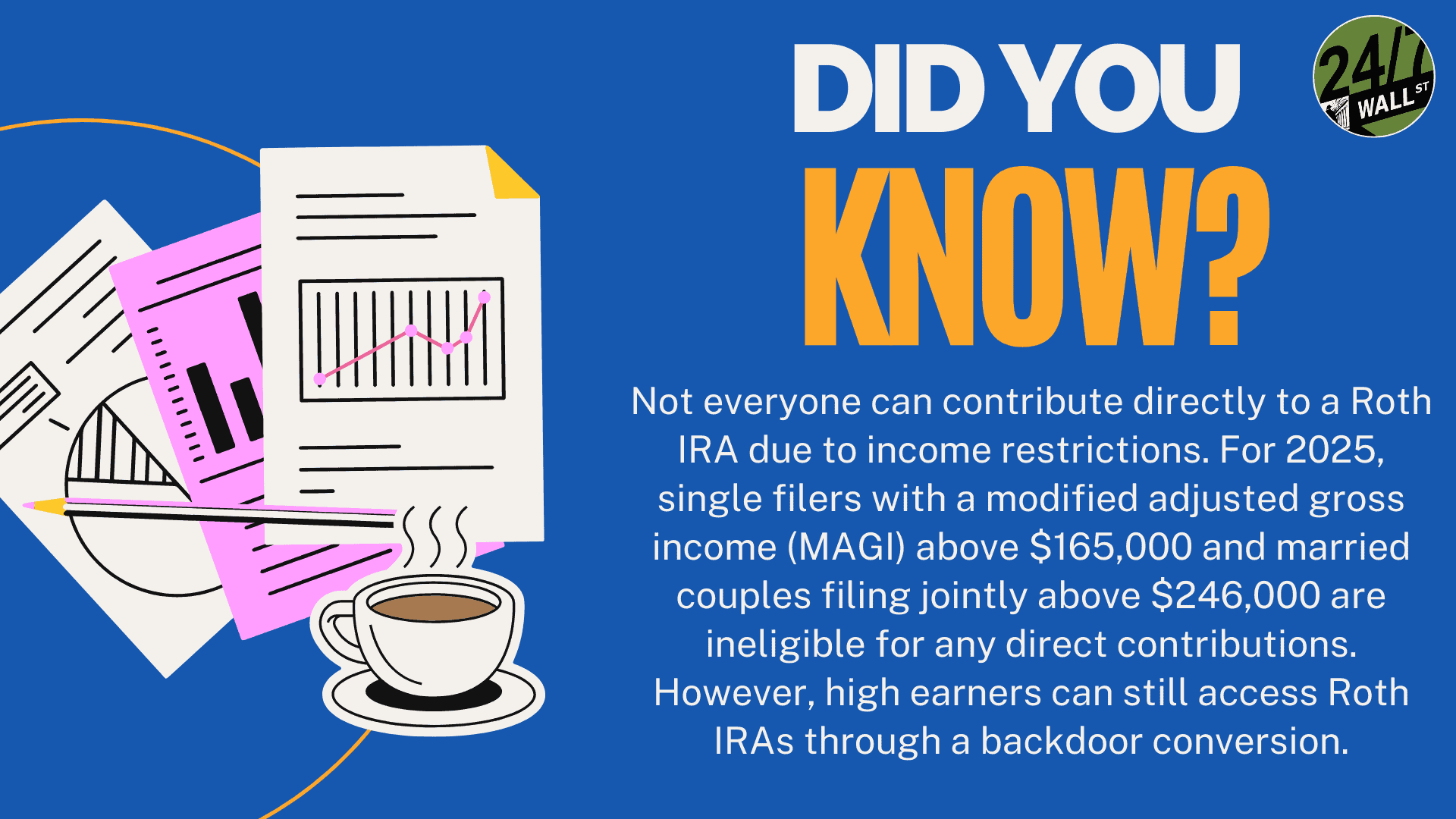
The Redditor also mentioned rolling his Roth IRA into his 401(k), which can simplify his retirement accounts. However, I wouldn’t recommend this because:
- Tax-free growth: Roth IRAs allow for tax-free growth and withdrawals in retirement, making them a valuable asset to hold separately.
- Required minimum distributions: 401(k)s are subject to RMDs at 73, but Roth IRAs are not. Therefore, you’ll have less flexibility in later retirement if you put all your money into your 401(k).
Mortgage and Home Repairs
The poster has a relatively low interest rate on his mortgage, which puts him in a good position. He’s considering using his $200K lump sum pension to help pay down his $300K mortgage.
While getting out of debt is generally a good thing, mortgages are a little bit different (especially very low-interest mortgages). Often, the money can be invested elsewhere for a higher return than you would save on interest.
Paying down the mortgage also limits flexibility. Once the money is put into the mortgage, you cannot easily get it back out. In the case of unexpected expenses, it may be better to put it in a high-interest savings account.
House repairs are one of these expected costs, as the poster mentioned. But even if home repairs aren’t a concern, I wouldn’t recommend paying down a low-interest mortgage in most cases.
Hiring a Financial Planner
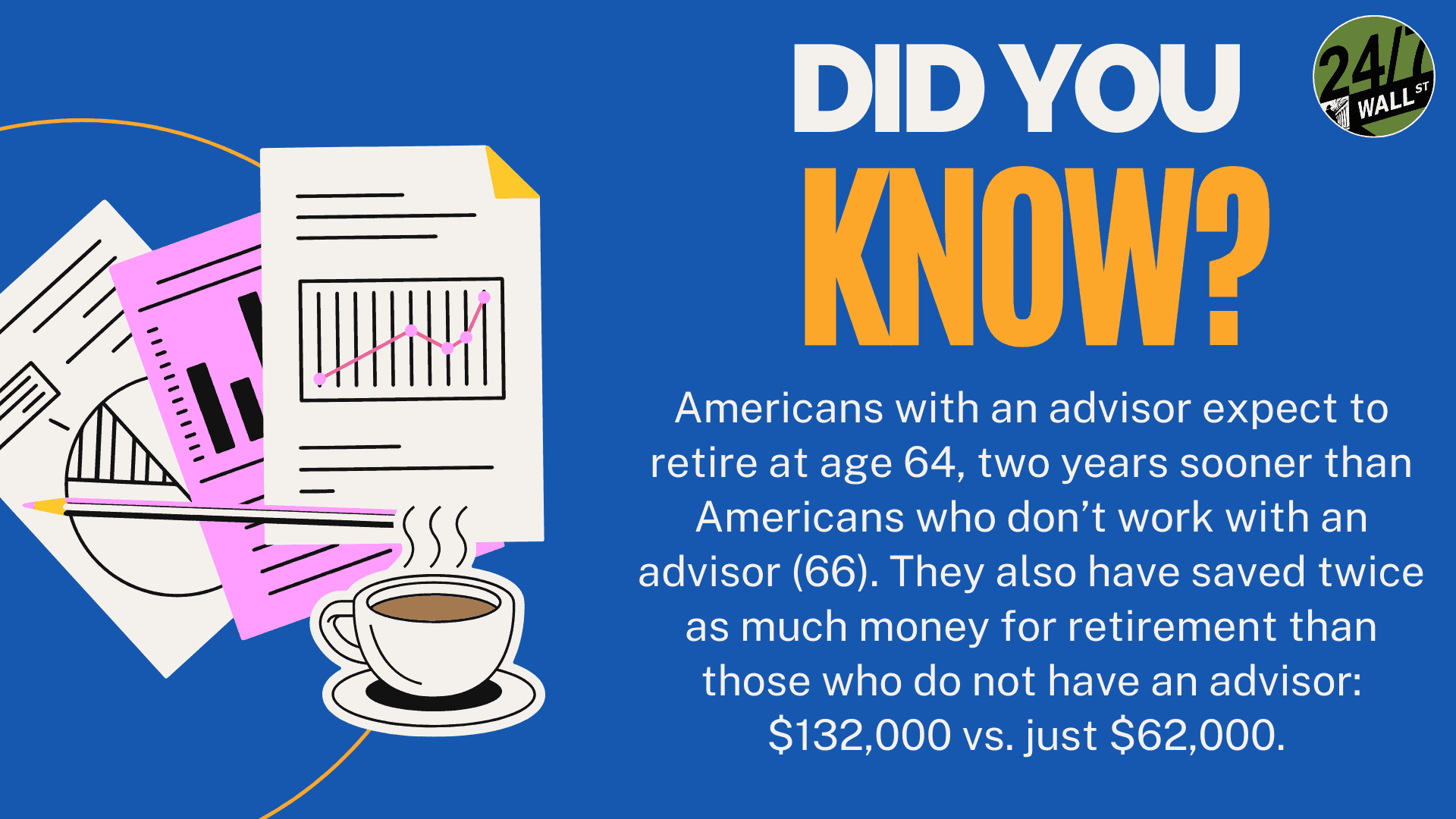
Remember, the only person who can give you financial advice is someone who knows your situation personally. In complex situations, it’s often best to invest in a financial planner who can help you:
- Maximize your 401K, Roth IRA, and pension strategy
- Plan for long-term travel
- Ensure your funds last through retirement
- Create a tax-efficient withdrawal plan
Changing your retirement plan is never a bad thing, but you should do it with a complete understanding of how it will affect your goals.













 Top Gaining Stocks
 Top Losing Stocks