


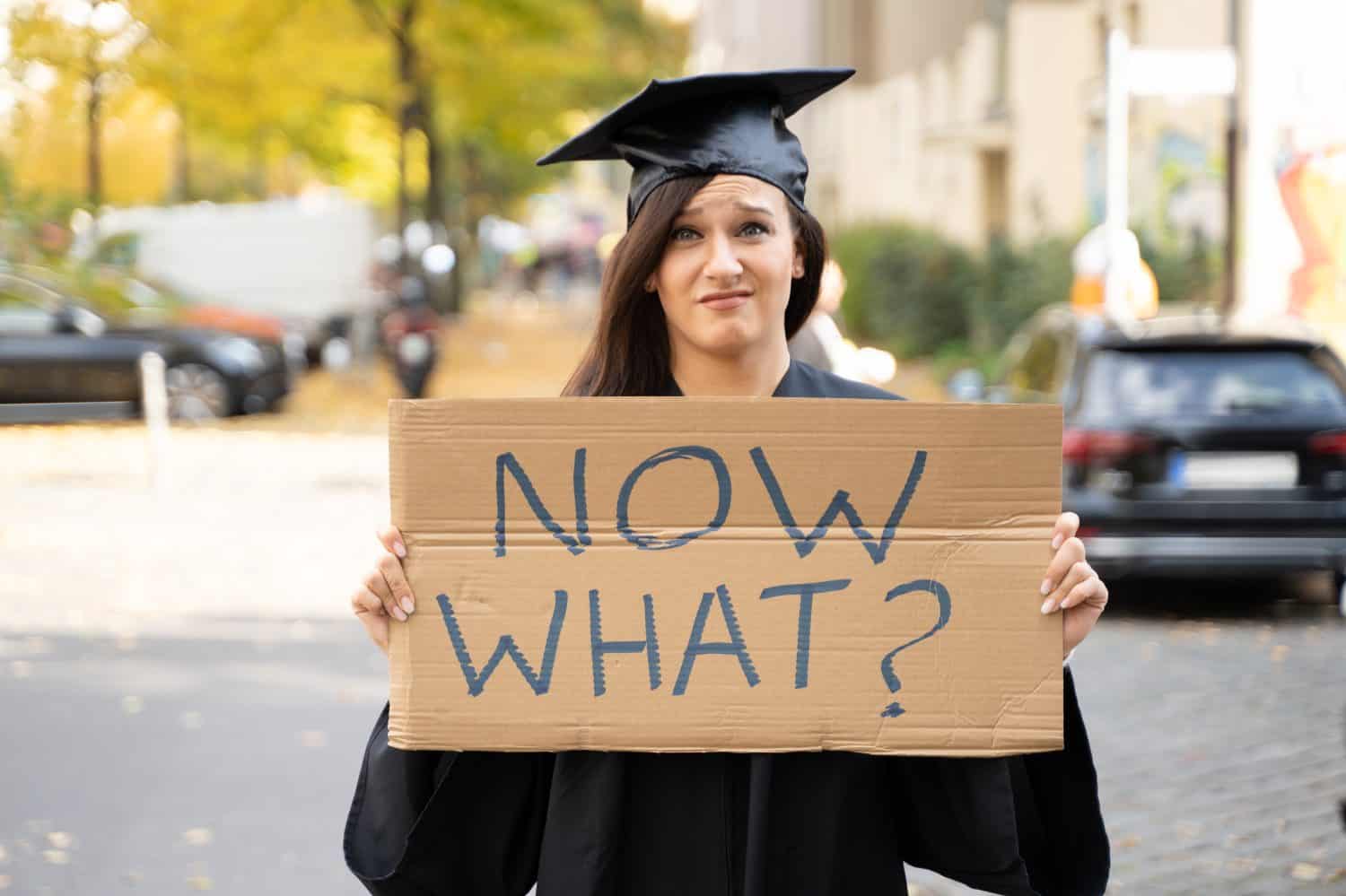
The American dream of graduating from college and landing a great job isn’t the reality in 2026. Recent college graduates have a higher unemployment rate than the national average (5.7% vs. 4.3%). Far worse is the underemployment rate. 42.5% of recent grads are considered underemployed. That’s the highest rate since 2020, when the pandemic first hit.
The response from frustrated graduates “is radical,” said Noam Scheiber, the New York Times labor reporter and author of Mutiny: The Rise and Revolt of the College-Educated Working Class. “They get radicalized.”
“The numbers look bad and they’ve looked bad for a while,” Scheiber said recently on the Marketplace All-in-One podcast. “They also look like they’re getting worse.” While the stock market is booming, corporations are very cautious about hiring, due to the advent of AI and macro uncertainty about world stability and the global economy.
A 22-year-old with student loans faces not only a tough job market, but also a higher cost of living. No wonder young people “get very upset,” as Scheiber puts it. “They start picking fights with their employers, they go on strike, they form unions, they vote for socialist politicians.” The youth movement that propelled democratic socialist Zohran Mamdani to New York City’s mayoral office is a perfect example.
Unions Spread Like Wildfire
Scheiber argues that the white-collar world has been changing for a while. “Those jobs have kind of been quietly disappearing for several years now,” he said. “Really, the last 15, 20 years have not been great for recent college grads.” Even in 2019, “the job market for recent college grads hadn’t fully recovered” from the Great Recession. Then the pandemic further walloped the market.
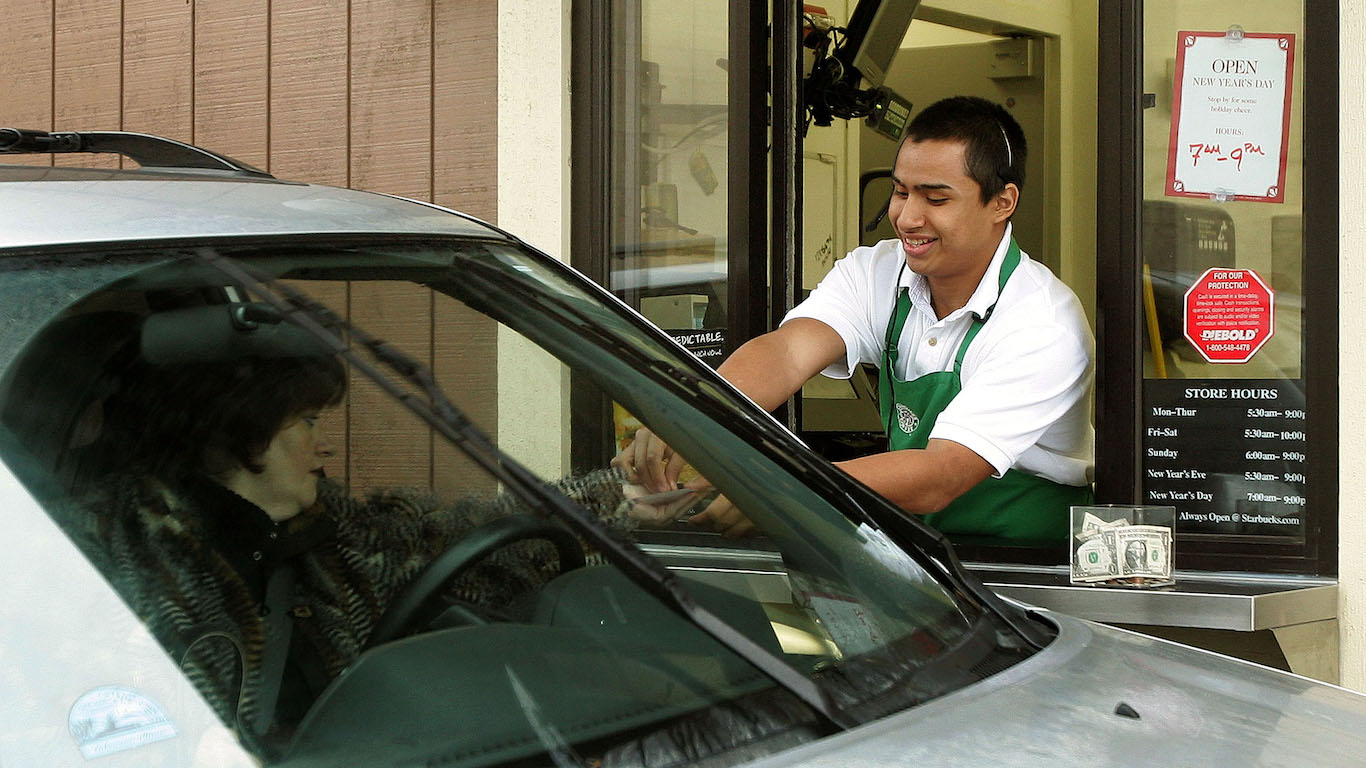
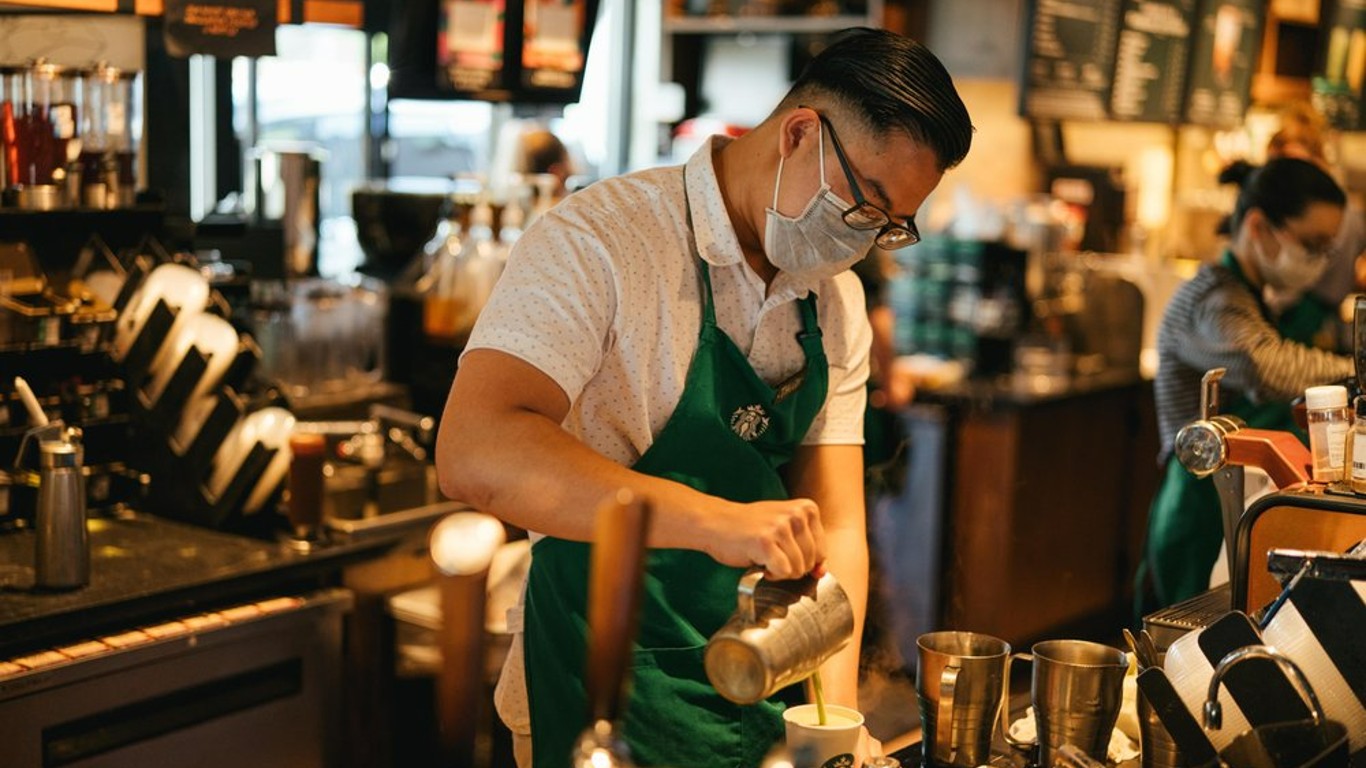
In his book, Scheiber documented an unprecedented wave of unionization among college-educated workers that began with Starbucks in Buffalo, N.Y., in 2021. When two of three stores won their union elections, “this thing just spread like wildfire across the country,” with hundreds of stores filing for union elections by 2022. The movement quickly expanded beyond Starbucks to Apple Stores, Trader Joe’s, REI, video game studios, tech companies, and even healthcare.
Scheiber found that “almost invariably there would be a college grad involved, often multiple college grads involved” in these campaigns. These workers graduated with significant debt and couldn’t find jobs in their fields of study. The Marketplace host mentioned a recent Gallup poll showing that “younger workers and college-educated workers are literally the most pessimistic people in this economy right now.”
Scheiber also found a dramatic shift in how college graduates view themselves in the economy. He graduated in 1998, “arguably the best year in the history of the world to graduate from college,” when tight job markets and booming stock options made grads think of themselves as “on the professional track or on the management track or on the future owner track.” Fast forward 25 years, and recent college graduates “do not think of themselves often as future managers, future owners, future professionals. They think of themselves as workers.”
Scheiber says this “proletarianization” crosses income levels and industries. He pointed to the recent unionization of 400 to 500 doctors in the Midwest.
So What Should Recent Grads Do?
As bad as things are, Scheiber said most graduates leave college with confidence and the skills to get things done. He points to college-educated workers who successfully led union organizing campaigns despite having “no experience when they started” and no understanding of “labor law or how you petition for a union election or how you bargain a contract.” Yet “they figured it out pretty quickly.”
The skills that let them figure it out are the same ones AI cannot replace. Artificial intelligence “can do the analysis for you,” Scheiber said, and “may be able to create the PowerPoint presentation for you.” But “ultimately a human’s still got to make a final call.”
Salary negotiation is one area where college grads should focus energy. The number you accept at 22 sets the base for every future raise, 401(k) match, and promotion. A graduate who negotiates a $68,000 offer up to $73,000 is $5,000 ahead in year one, and the gap widens from there. Assume 3% annual raises over a 40-year career. The lower-base worker ends with a final salary near $222,000; the higher-base worker ends near $238,000.
Some tips once you land a job offer:
- Price your role honestly. Pull median compensation for your job title and metro from the Bureau of Labor Statistics and Glassdoor.
- Build the one-page case. List the specific outputs the role produces and what those outputs are worth.
- Negotiate the full package. Base salary compounds, but a 5% 401(k) match, a $5,000 signing bonus, and an extra week of PTO are also real money.









 Top Gaining Stocks
 Top Losing Stocks